Aloe Vera Mouthwash Benefits: Evidence and How to Use It
A meta-analysis published in PMC found statistically significant improvements in plaque index across studies, and a 4-day plaque re-growth RCT showed roughly 60% plaque reduction in the aloe vera group versus 61% in the chlorhexidine group. The practical takeaway: use it as an adjunct to brushing and flossing, not a replacement for either.
- Clinical RCTs show aloe vera mouthwash reduces plaque and gingival inflammation versus placebo
- Side effects are rare with aloe vera; chlorhexidine users report staining and taste alteration
- Best results come from twice-daily use alongside mechanical cleaning, not instead of it
Key Takeaways
Aloe vera mouthwash is a science-backed, alcohol-free alternative to chlorhexidine that reduces plaque and gingival inflammation in short-term trials without the staining or taste changes that limit chlorhexidine’s daily use.
| Point | Details |
|---|---|
| RCT evidence is solid | Aloe vera demonstrated plaque reduction comparable to chlorhexidine in a 4-day RCT, with no staining reported in the aloe vera group. |
| Meta-analysis confirms small effect | SMD for plaque index is approximately 0.27–0.29 across pooled studies — small but statistically significant. |
| Use it as an adjunct | Brush and floss first; rinse twice daily for 2–4 weeks to see gingival improvement. |
| Safety advantage is real | Aloe vera groups report no staining or taste alteration; chlorhexidine groups report both consistently. |
| Selfwisebrand fits the evidence | Selfwisebrand’s alcohol-free, fluoride-free mouthwash formulations align with the label signals the evidence supports. |
This article is general information, not a substitute for advice from a qualified doctor. Consult a qualified healthcare professional about your own circumstances before acting on anything here.
Table of Contents
- What do clinical trials actually show about aloe vera mouthwash benefits?
- How does aloe vera actually work on your teeth and gums?
- How to use aloe vera mouthwash for the best results
- Is aloe vera mouthwash safe? Side effects and precautions
- When is aloe vera mouthwash a good choice — and when isn’t it?
- What should you look for on an aloe vera mouthwash label?
- How strong is the evidence — and what research is still missing?
- Quick checklist before you try aloe vera mouthwash
- Why the “natural vs. clinical” framing misses the point
- Selfwisebrand’s alcohol-free mouthwash fits exactly this evidence
- Sources
- FAQ
What do clinical trials actually show about aloe vera mouthwash benefits?
The most cited RCT design is the plaque re-growth model, where participants abstain from brushing in a test zone for 4 days while using a rinse. In a single-blind parallel RCT (N=90), aloe vera mouthwash matched 0.2% chlorhexidine on antiplaque efficacy with no staining reported in the aloe vera group. A separate double-blind RCT found clinically significant decreases in plaque index (PI), modified gingival index (MGI), and bleeding index (BI) for aloe vera versus placebo, though the effect size versus chlorhexidine was smaller in that study’s design.
The PMC meta-analysis pooled these and similar trials and reported a standardized mean difference (SMD) for plaque index of approximately 0.271 under fixed effects and 0.288 under random effects — small but statistically significant. Gingival index results were more variable across studies, though the overall direction was positive.
Key finding: Aloe vera mouthwash consistently outperforms placebo on plaque and gingival measures. Its margin versus chlorhexidine narrows in some trials but holds in others, and its side-effect profile is clearly better.
Chlorhexidine’s side effects — tooth staining and altered taste — were reported consistently across trials in the CHX groups. Aloe vera groups reported neither in the studies reviewed. Reviewers also highlight aloe vera’s advantage of fewer long-term side effects as a core reason to consider it for daily use.
Pro Tip: When reading trial results, check whether the study used a plaque re-growth model (no brushing) or a real-world brushing model. Re-growth models isolate the rinse’s antimicrobial power but overstate what you’d see in daily use alongside a toothbrush.
How does aloe vera actually work on your teeth and gums?
Aloe vera’s oral benefits trace to a handful of well-studied phytochemicals, each with a distinct mechanism:
- Acemannan (a long-chain polysaccharide): stimulates macrophage activity and supports wound healing; linked to faster recovery of gingival tissue in small trials
- Aloin and aloe-emodin (anthraquinones): show direct antibacterial activity against common oral pathogens including Streptococcus mutans and Porphyromonas gingivalis in vitro
- Polysaccharides broadly: modulate inflammatory cytokines, which may explain reduced gingival bleeding in clinical use
- Vitamins C and E (present in the gel): contribute antioxidant activity that supports mucosal integrity
A PMC narrative review on aloe vera in dentistry summarizes the anti-inflammatory, antibacterial, and wound-healing properties and links them to clinical outcomes in mucositis, aphthous ulcers, and periodontal adjunct therapy. The antibacterial action reduces colony-forming units (CFU) in plaque biofilm; the anti-inflammatory action lowers prostaglandin-driven gingival swelling. For herbal ingredients in gum care, aloe vera sits among the better-studied options.
One important caveat: most mechanistic evidence comes from in vitro studies or animal models. Human biomarker data (cytokine levels, CFU counts in saliva) from clinical trials is limited. The plausibility is strong; the direct human mechanistic proof is still building.
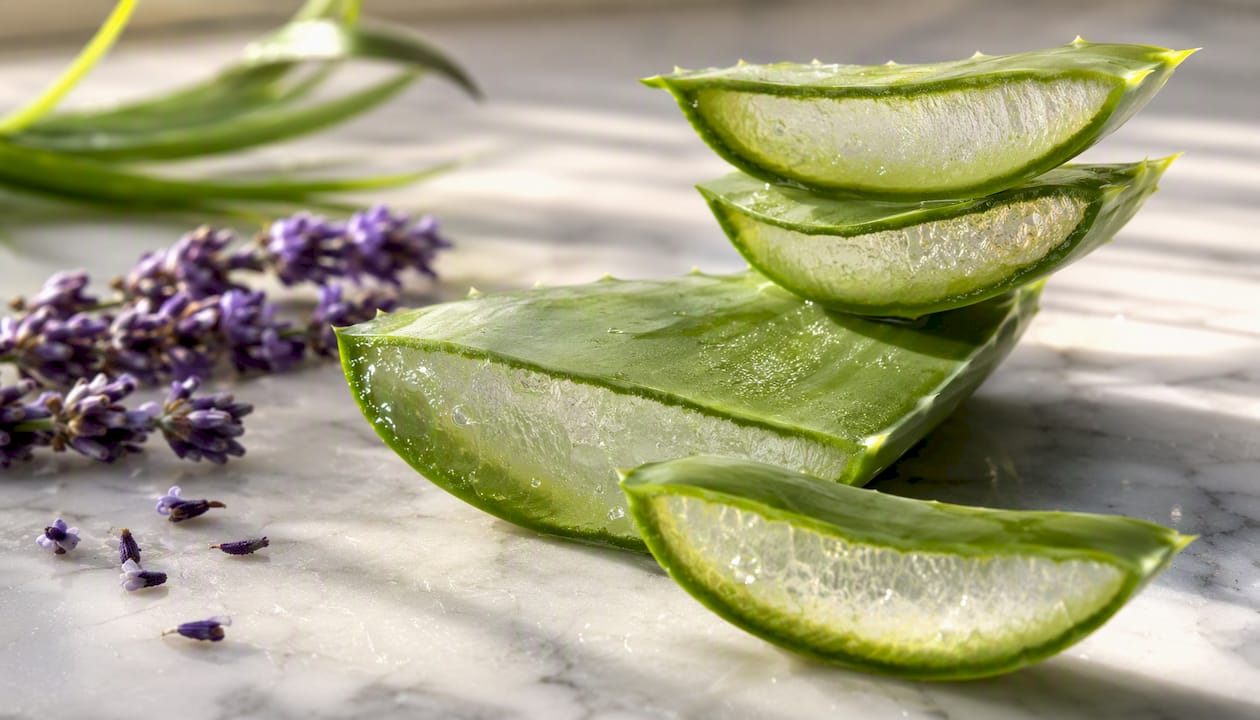
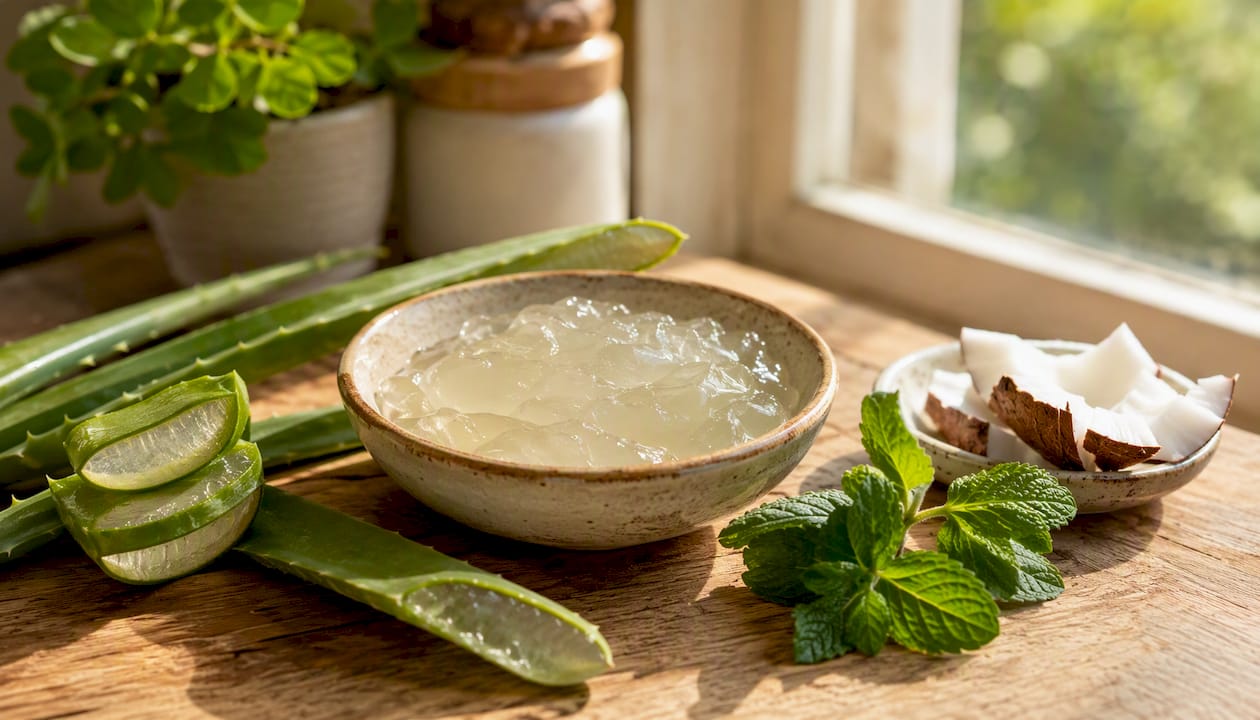
Pro Tip: Inner-fillet gel extracts, which avoid the anthraquinone-rich outer leaf, are the form most commonly used in oral care trials. If you’re reading a product label, “inner leaf” or “inner fillet” is a meaningful quality signal.
How to use aloe vera mouthwash for the best results
Clinical trials most commonly use 10 ml twice daily, rinsed for 30–60 seconds, over periods ranging from 4 days (plaque re-growth models) to 4 weeks (gingivitis intervention studies). That 4-day window is enough to show antimicrobial effect; 2–4 weeks is the realistic minimum to see gingival improvement in daily use.
For practical daily use:
- Timing: rinse after brushing and flossing, not before — mechanical cleaning first, then the rinse contacts cleaner surfaces
- Volume: 10 ml is the standard trial dose; most commercial products match this
- Duration per rinse: 30–60 seconds, then spit; do not swallow
- Frequency: twice daily (morning and evening) mirrors the most common trial regimen
- Concentration: products vary widely; look for a stated percentage of aloe vera gel or standardized extract rather than a vague “contains aloe vera” claim
- Timeline for visible results: less gum bleeding typically appears within 2–4 weeks; plaque reduction is measurable earlier but harder to self-assess
For a complete picture of how a plant-based rinse fits into your daily regimen, the natural oral care routine guide covers the full sequence.
Pro Tip: Track gum bleeding at the same two or three teeth every morning. If you see improvement after 3 weeks, you have real signal. If bleeding is unchanged or worsening, that’s a reason to see a dentist, not to switch rinse brands.
Is aloe vera mouthwash safe? Side effects and precautions
The short answer: aloe vera mouthwash has a cleaner short-term safety profile than chlorhexidine. Across the RCTs reviewed, the aloe vera groups reported no staining and no taste alteration — the two side effects that make chlorhexidine difficult for long-term daily use. The PMC plaque re-growth RCT explicitly noted these side effects in the chlorhexidine group and their absence in the aloe vera group.
That said, a few precautions are worth knowing:
- Allergy: aloe vera can cause contact dermatitis in sensitive individuals. If you have a known latex allergy, there is a cross-reactivity risk — check with a provider before starting
- Ingestion: mouthwash is not meant to be swallowed. Aloe latex (from the outer leaf) is a stimulant laxative and can cause cramping; inner-fillet products carry much lower risk but still should not be ingested regularly
- Children: keep mouthwash out of reach of young children; swallowing risk is higher and safety data in pediatric populations is limited
- Pregnancy: no specific contraindication for topical oral use, but consult a provider before adding any new oral care product during pregnancy
- Homemade preparations: unpreserved aloe gel degrades quickly and can harbor microbial contamination; commercial products with a clear preservative strategy are safer and more stable
Alcohol-free formulations are better for mucosal tolerance, particularly for people with dry mouth, oral ulcers, or sensitivity to burning. This is one reason aloe vera as a natural alternative to chemically formulated rinses gets consistent attention in the literature.
Pro Tip: Before your first use, apply a small amount of the product to the inside of your wrist and wait 24 hours. A simple patch test catches most contact sensitivities before they become a mouth-wide problem.
When is aloe vera mouthwash a good choice — and when isn’t it?
Aloe vera mouthwash fits well in specific situations:
- Mild gingivitis: gum redness, slight swelling, and bleeding on brushing without bone loss — the condition most RCTs enrolled
- Recurring canker sores (aphthous ulcers): small trials show faster healing and reduced pain with topical aloe vera application; a rinse delivers broad mucosal contact
- Alcohol sensitivity or dry mouth: alcohol-free aloe vera rinses avoid the burning and drying that alcohol-based products cause
- Preference for natural, chemical-free products: for people avoiding chlorhexidine, cetylpyridinium chloride, or synthetic preservatives, aloe vera is one of the better-evidenced plant-based options
Situations where aloe vera mouthwash is not enough on its own:
- Moderate to severe periodontitis: bone loss and deep pocket depths require professional scaling, root planing, and possibly systemic antibiotics — a rinse is adjunctive at best
- Uncontrolled or heavy bleeding: bleeding that does not improve after 3–4 weeks of consistent oral hygiene warrants a dental exam, not a product switch
- Persistent ulcers beyond 2 weeks: ulcers that do not resolve need professional evaluation to rule out other causes
- Suspected oral infection: pain, swelling, or pus require dental or medical care, not a natural rinse
Compared to other natural rinse categories: oil pulling has a smaller evidence base for plaque reduction than aloe vera mouthwash does, though it is popular in natural oral care routines. Green tea rinses show some antibacterial activity in vitro but fewer clinical trials than aloe vera. For readers exploring natural dental products for gum health, aloe vera sits at the top of the evidence hierarchy among plant-based rinse options.
What should you look for on an aloe vera mouthwash label?
Not all aloe vera mouthwashes are equivalent, and the label tells you most of what you need to know before buying:
- Stated aloe vera percentage or extract concentration: a product that lists “aloe vera” without a percentage or standardization claim gives you no way to assess potency; prefer products that specify inner-leaf gel content or a standardized acemannan concentration
- Alcohol-free: alcohol dries oral mucosa and can irritate ulcers; the best-evidenced trial formulations are alcohol-free
- Preservative system: commercial products need a preservative to stay stable; benzalkonium chloride and natural alternatives like citric acid or potassium sorbate are common; the label should name it rather than leave it ambiguous
- pH: a neutral to slightly acidic pH (around 5.5–7) is appropriate for oral rinses; extreme pH values can irritate tissue
- Added antimicrobials: some products combine aloe vera with xylitol, nano hydroxyapatite, or essential oils; these combinations can broaden the benefit profile
- Fluoride-free: for readers who prefer fluoride-free formulations (as Selfwisebrand’s products are), confirm the label explicitly
- Clinical trial or third-party testing claims: a product that cites a specific clinical study or ISO-standard testing is making a verifiable claim, which is a meaningful trust signal
The difference between whole-leaf juice and inner-fillet extract matters. Whole-leaf products contain anthraquinones from the outer leaf, which can be irritating in higher concentrations. Inner-fillet or inner-leaf gel extracts are the form used in most oral care trials and are generally better tolerated. For a deeper look at plant-derived oral cleansers and what extraction type means for efficacy, that guide covers the formulation logic in detail.
Pro Tip: “Natural” on a label is not a regulated claim in the US. “Alcohol-free,” a stated aloe vera percentage, and a named preservative are the three label elements that actually tell you something useful.
How strong is the evidence — and what research is still missing?
The evidence base for aloe vera mouthwash is more solid than most natural oral care ingredients, but it has clear limits. The meta-analysis reporting SMD values of 0.271 and 0.288 for plaque index confirms a small, consistent treatment effect. The problem is heterogeneity: trials differ in aloe vera concentration, formulation type, trial duration, outcome measurement tools, and population characteristics, making direct comparison difficult.
Specific gaps the current literature has not filled:
- Long-term safety data: most trials run 4 days to 4 weeks; no robust data exists beyond 3 months
- Standardized formulations: without agreed-upon concentrations or extract specifications, comparing trials is imprecise and scaling findings to commercial products is guesswork
- Diverse populations: most trials are small and conducted in single centers; larger, multi-site trials in varied populations are needed
- Head-to-head vs other herbal rinses: direct comparisons to green tea, neem, or oil pulling in the same trial design are rare
- Clinically meaningful outcomes beyond PI/GI: probing pocket depth (PPD), bone level changes, and long-term CFU counts would strengthen the case for periodontal adjunct use
The honest summary: short-term RCTs and meta-analyses consistently show benefit, but the evidence is not yet strong enough to make definitive long-term recommendations. Aloe vera mouthwash is evidence-backed for short-term plaque and gingivitis control; it is not yet proven for long-term periodontal outcomes.
For readers interested in natural gum regeneration methods, understanding this evidence ceiling helps set realistic expectations.
Quick checklist before you try aloe vera mouthwash
Before you start, run through these:
- Confirm alcohol-free: check the ingredient list, not just the front label claim
- Check the aloe vera concentration or extract type: inner-leaf or inner-fillet is preferable; a stated percentage is better than a vague mention
- Patch test: apply a small amount to your inner wrist 24 hours before first oral use, especially if you have sensitive skin or a latex allergy
- Use it as an adjunct: brush and floss first, then rinse; never substitute the rinse for mechanical cleaning
- Track gum bleeding: note which teeth bleed on brushing at the start; reassess after 2–4 weeks
- Set a realistic timeline: expect 2–4 weeks for gingival improvement; plaque reduction starts earlier but is hard to self-measure
Stop and see a dentist if:
- Bleeding does not improve after 3–4 weeks of consistent use
- You develop swelling, pain, or pus anywhere in your mouth
- An ulcer persists beyond 2 weeks without improvement
Pro Tip: Take a photo of your gums at week one and again at week four. Visual comparison is more reliable than memory when you’re trying to judge whether a product is working.
Why the “natural vs. clinical” framing misses the point
Most articles on aloe vera mouthwash frame the choice as natural versus chemical, as if the two are opposites. That framing is not useful. Chlorhexidine is effective, but its side effects — staining, taste alteration, and potential microbiome disruption with long-term use — are real clinical problems, not just aesthetic complaints. Aloe vera’s appeal is not that it is “natural” in some abstract sense. It is that it delivers comparable short-term antimicrobial and anti-inflammatory effects with a side-effect profile that makes daily, long-term use more realistic for most people.
The evidence also reframes what “adjunct” means. Practitioners sometimes use the word to imply that a rinse is minor or optional. But for someone with mild gingivitis who brushes and flosses consistently, adding an aloe vera rinse twice daily is a meaningful intervention, not a cosmetic one. The RCT data backs that up.
Where I’d push back on the aloe vera enthusiasm: the heterogeneity in the meta-analyses is not a footnote. It means the product you buy may or may not match what was tested in the trials. Concentration, extraction method, and preservative strategy all affect whether the active compounds reach your gingival tissue at a therapeutically relevant level. Choosing a product with a stated inner-leaf concentration and a clear formulation is not optional if you want the trial results to translate to your bathroom.
Selfwisebrand’s alcohol-free mouthwash fits exactly this evidence
If you’ve read this far, you know what to look for: alcohol-free, clearly formulated, with actives that have a real evidence base. Selfwisebrand’s natural mouthwash collection is built on that standard. No alcohol, no fluoride, no harsh synthetic additives — just ingredients like nano hydroxyapatite and xylitol that work alongside your body’s natural remineralization process.
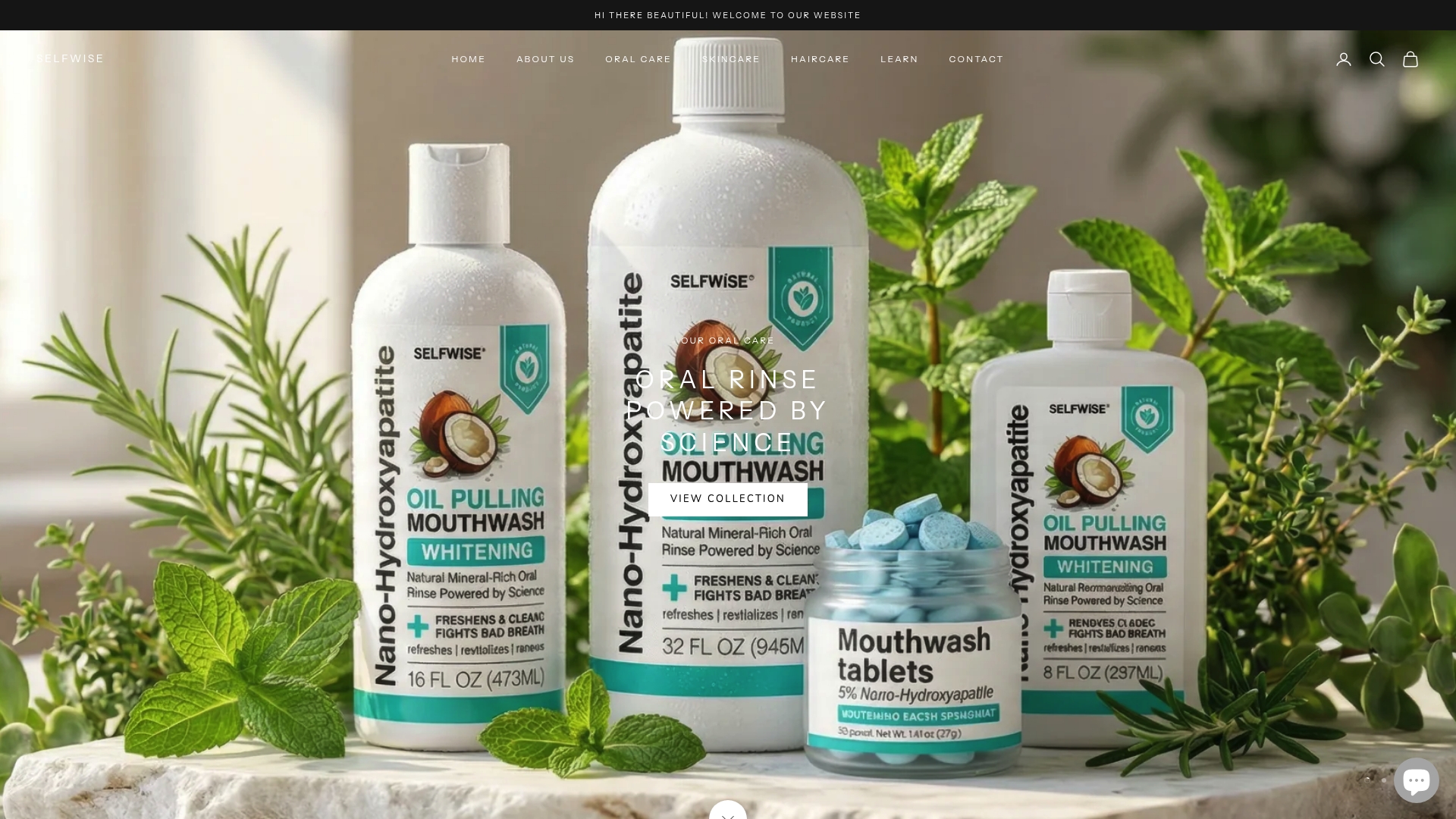
The nano hydroxyapatite mouthwash tablets are a particularly clean option: solid format means no preservative-heavy liquid base, and the fluoride-free formula suits readers who want enamel support without the additives. For readers who want a broader natural oral hygiene bundle, the NuSmile Ultimate Oral Care Bundle is a partner option worth exploring alongside. Browse the full Selfwisebrand mouthwash range and find the format that fits your routine.
Sources
- A randomized clinical study for comparative evaluation of Aloe Vera and 0.2% chlorhexidine gluconate mouthwash efficacy on de-novo plaque formation
- Systematic review and meta-analysis evaluating Aloe vera on gingival and plaque indices - PMC
- Meta-analysis abstract on Aloe vera effects (PubMed)
- Article on aloe vera as a natural alternative (ScienceDirect) - S165836122100216X
FAQ
Is aloe vera good for your gums?
Yes. Multiple RCTs show aloe vera mouthwash reduces gingival index scores and bleeding compared to placebo, making it a reasonable adjunct for mild gingivitis. It works best alongside consistent brushing and flossing.
Can aloe vera mouthwash remove plaque from teeth?
It reduces plaque formation rather than removing existing buildup mechanically.
What kills mouth bacteria naturally?
Aloe vera’s anthraquinones (aloin, aloe-emodin) show direct antibacterial activity against common oral pathogens like Streptococcus mutans in vitro. Other natural antimicrobial rinse ingredients include xylitol and essential oils; for a full breakdown, the natural antimicrobial rinse ingredients guide covers the evidence for each.
What is the healthiest natural mouthwash?
No single rinse earns that title universally, but among plant-based options, aloe vera has one of the strongest clinical evidence bases for plaque and gingivitis control. Alcohol-free formulations with a stated aloe vera concentration, clear preservative strategy, and complementary actives like nano hydroxyapatite or xylitol represent the most evidence-aligned choices currently available.
Is aloe vera mouthwash safe to use every day?
Short-term trial data shows a clean safety profile with no staining or taste alteration. Long-term daily safety data beyond a few months is limited, so choosing a commercial product with a stable, clearly labeled formulation is important. Do not swallow the rinse, and consult a provider if you have a latex allergy or are pregnant.