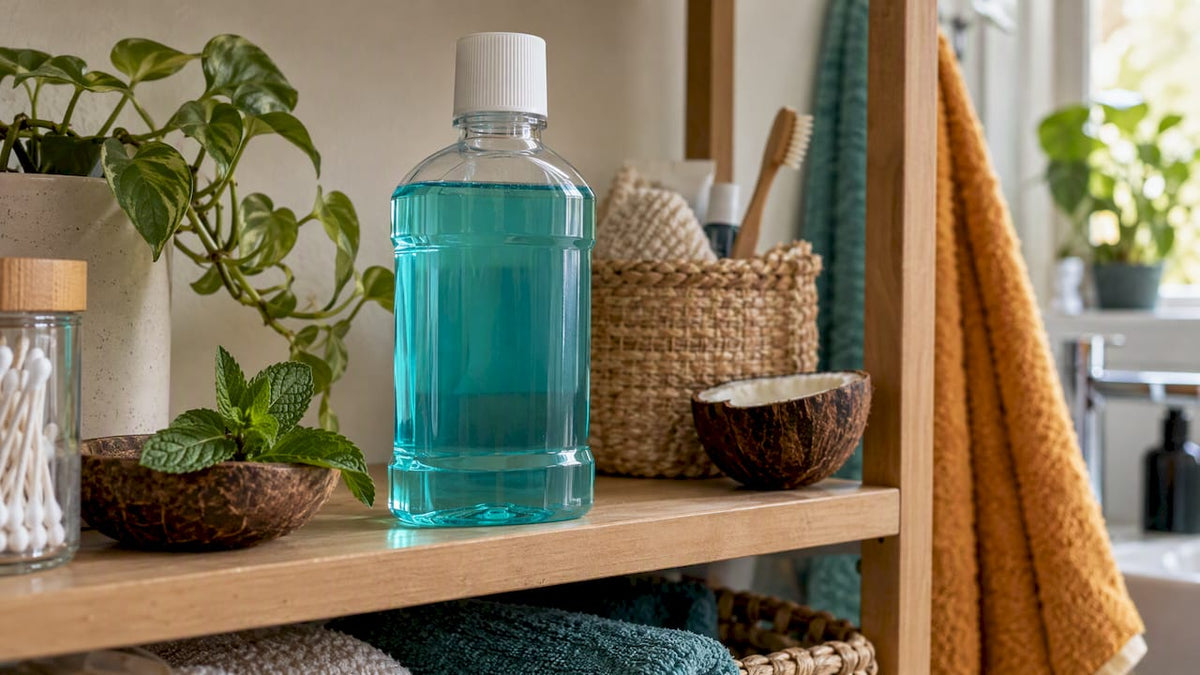
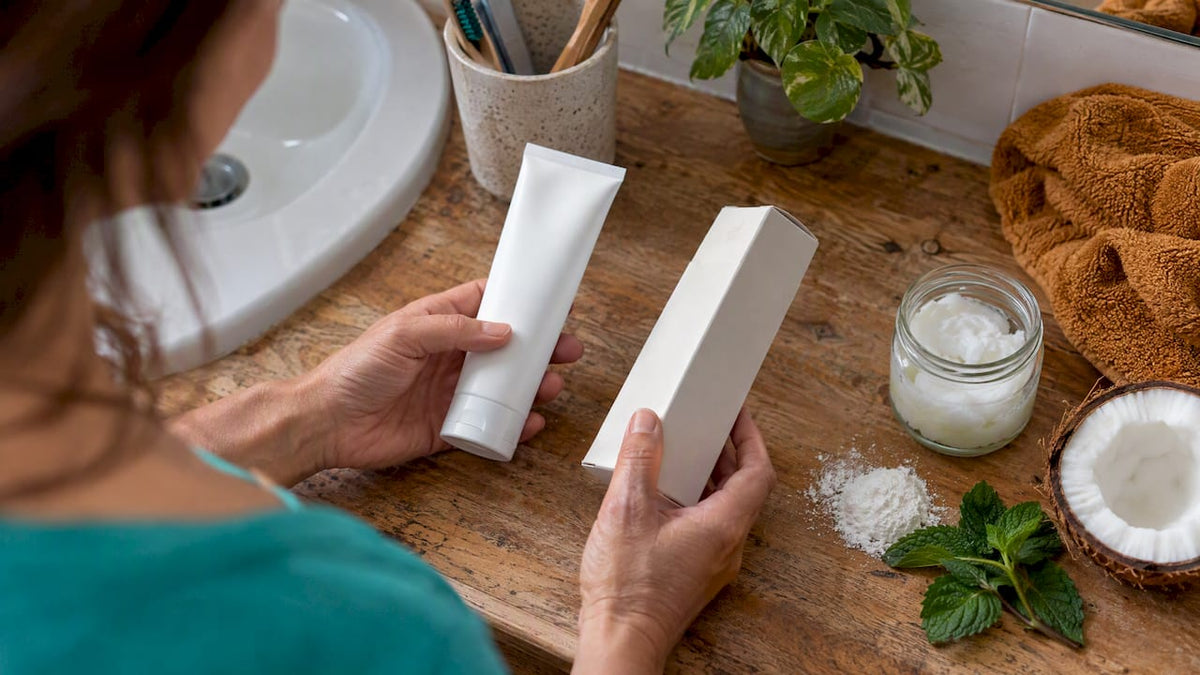
Natural dental products for healthier teeth & gums
Choosing natural dental products sounds simple until you’re standing in an aisle full of conflicting claims, mystery ingredients, and zero clinical context. The market has exploded with oil pulling kits, xylitol gums, and nano hydroxyapatite toothpastes, all promising healthier teeth without harsh chemicals. But how do you actually know what works? The honest answer is that some natural options are genuinely backed by science, while others lean heavily on tradition with little evidence to support them. This guide walks you through the three most evidence-supported natural oral care options so you can make smarter choices for your teeth and gums.
Table of Contents
- How to evaluate natural dental products
- Oil pulling: Pros, cons, and evidence
- Xylitol: Effectiveness and practical usage
- Nano hydroxyapatite: Remineralizing power and safety
- Comparing natural dental products: Effectiveness, safety, and best picks
- The surprising truth about natural dental products
- Shop trusted natural dental products
- Frequently asked questions
Key Takeaways
| Point | Details |
|---|---|
| Evidence matters | Select natural dental products that are supported by scientific research for maximum safety and efficacy. |
| Adjunct, not replacement | Use oil pulling, xylitol, and nano hydroxyapatite alongside proven conventional routines, not as complete substitutes. |
| Optimal dosage | For best results, follow recommended amounts: 5-10g of xylitol daily and short-term oil pulling. |
| nHA for sensitivity | Nano hydroxyapatite is especially effective for reducing tooth sensitivity and remineralizing enamel safely. |
| Combine safely | Integrate natural products gradually and monitor oral health outcomes, consulting with your dental provider. |
How to evaluate natural dental products
Before you spend money on any natural product, you need a way to judge whether it’s worth your time. Not all “natural” labels are equal, and some products ride on vague wellness claims rather than real clinical data. A useful evaluation framework covers four key areas.
Ingredient transparency is the starting point. A trustworthy product lists every active and inactive ingredient clearly. You should be able to research each one. If a brand hides behind proprietary blends or uses vague terms like “botanical complex,” that’s a signal to dig deeper before buying.
Quality of scientific evidence separates the credible from the questionable. Look for ingredients backed by randomized controlled trials, systematic reviews, or meta-analyses, not just one small observational study. Peer-reviewed journals and established health organizations are more reliable than brand-funded research alone. A useful natural oral care guide can help you map ingredients to evidence quality.
Ease of daily integration matters more than most people realize. Even a clinically proven product fails if you won’t stick with it. Consider whether the product fits naturally into your daily oral care rituals without adding significant time or complexity.
Effectiveness relative to conventional options is the final and most important benchmark. Natural options can be safe and effective adjuncts, but fluoride has more robust evidence for cavity prevention than most natural alternatives. That doesn’t mean natural products aren’t worth using. It means they’re best layered on top of, not substituted for, proven practices.
- Look for clinical trials, not just testimonials
- Favor transparent ingredient lists with recognized active compounds
- Choose products that integrate into your existing routine
- Pair natural products with fluoride brushing for optimal protection
Pro Tip: Search the ingredient name plus “systematic review” on PubMed before committing to a new natural product. Five minutes of research can save you months of ineffective routines.
Oil pulling: Pros, cons, and evidence
Oil pulling involves swishing a tablespoon of oil, usually coconut or sesame, around your mouth for 10 to 20 minutes. The idea is that oil traps bacteria and pulls them away from teeth and gum tissue before you spit it out. It sounds simple because it is. But what does the evidence actually say?
Oil pulling reduces plaque and gingival scores comparably to chlorhexidine (CHX) mouthwash in short-term trials ranging from 1 to 45 days, according to systematic reviews of small randomized controlled trials. That’s a meaningful result. CHX is the gold-standard antibacterial rinse used in clinical dentistry, so matching its short-term performance is genuinely impressive for an ancient practice.
However, the quality of this evidence is low. The trials are small, short, and inconsistently designed. Oil pulling works as an adjunct for bacteria and plaque reduction, but it should not be used as a sole oral care method, and long-term benefit data is thin.
“Oil pulling is best understood as a supportive practice. It can help reduce bacterial load and plaque when used alongside brushing and flossing, not instead of them.”
Where oil pulling works well:
- Morning bacterial reduction before brushing
- Reducing gum inflammation as a short-term adjunct
- A chemical-free alternative to alcohol-based mouthwash
- Complementing remineralizing products like our nHA oil pulling mouthwash, which combines the mechanical benefits of oil pulling with nano hydroxyapatite’s enamel-restoring properties
Where it falls short:
- Not a replacement for fluoride or nHA toothpaste
- Requires 10 to 20 minutes daily, which most people find hard to sustain
- Evidence for long-term caries prevention is essentially absent
Pro Tip: Pull for 5 minutes first thing in the morning before eating or brushing. You’ll reduce the overnight bacterial load without committing to a full 20-minute session. Check our oral care tips for more practical routines like this.
Xylitol: Effectiveness and practical usage
Xylitol is a sugar alcohol found naturally in birch trees and certain fruits. It tastes sweet but behaves completely differently from sugar inside your mouth. Bacteria, particularly Streptococcus mutans (the primary cavity-causing strain), cannot ferment xylitol. They consume it, produce no acid, and gradually die off with repeated exposure. That’s the core mechanism behind xylitol’s cavity-preventing power.
A meta-analysis on xylitol and dental caries confirms it inhibits S. mutans growth, reduces plaque, and prevents caries by starving bacteria while stimulating saliva flow. The effective dose is 5 to 10 grams per day, ideally spread across 3 to 5 exposures.
Statistic to know: Studies show xylitol gum used 3 to 5 times daily can reduce caries incidence significantly compared to non-xylitol controls, with effects more pronounced than sorbitol, another common sugar alcohol.
How to use xylitol effectively:
- Chew xylitol gum for 5 minutes after meals
- Use xylitol lozenges or mints between meals when gum isn’t practical
- Look for fresh breath solutions that include xylitol as an active ingredient, not just a trace flavoring
- Aim for at least 3 exposures per day to keep bacterial counts suppressed
- Read labels carefully: xylitol should be the first or second ingredient, not buried at the bottom
| Feature | Xylitol | Sorbitol |
|---|---|---|
| Fermentable by bacteria | No | Partially |
| S. mutans suppression | Strong | Minimal |
| Saliva stimulation | Yes | Yes |
| Caries reduction evidence | High | Moderate |
| Ideal daily dose | 5-10g | No set dose |
Xylitol’s advantage over sorbitol is clear: xylitol is superior for MS, plaque, and caries reduction in head-to-head comparisons. Explore the natural oral care approach to see how xylitol fits into a broader daily routine.
Nano hydroxyapatite: Remineralizing power and safety
Nano hydroxyapatite, or nHA, is the synthetic form of the mineral that makes up about 97% of your tooth enamel. When enamel erodes from acid exposure or bacterial activity, nHA can physically fill in those micro-cracks and early lesions by depositing directly onto the damaged surface. It doesn’t just buffer acid like fluoride does. It rebuilds.
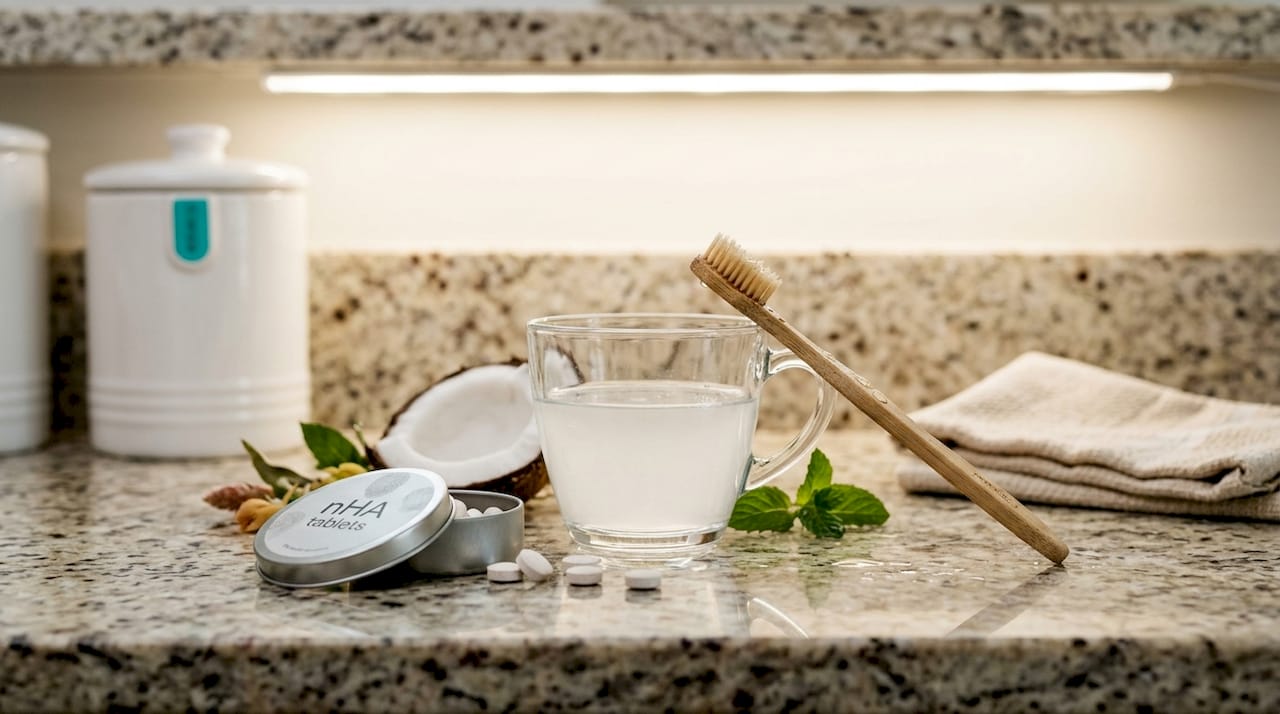
nHA remineralizes early lesions, fills micro-cracks, and reduces sensitivity, with rod-shaped nHA particles considered safe and effective at concentrations of 10 to 29.5%. The rod shape matters because it mimics the actual crystalline structure of natural enamel, making integration more efficient than spherical nanoparticles.
How nHA compares to fluoride:
| Feature | Nano hydroxyapatite | Fluoride |
|---|---|---|
| Remineralization method | Deposits enamel mineral | Converts enamel to fluorapatite |
| Sensitivity relief | Direct occlusion of tubules | Indirect nerve desensitization |
| Biocompatibility | Fully biocompatible | Safe at approved doses |
| Evidence base | Growing, strong for sensitivity | Extensive, gold standard |
| Best for | Sensitivity, early erosion repair | Cavity prevention |
Key benefits of nHA in practice:
- Reduces tooth sensitivity without numbing agents
- Restores surface gloss and smoothness to eroded enamel
- Safe for people avoiding fluoride for personal or medical reasons
- Works synergistically when combined with fluoride for optimal protection
Our nHA mouthwash tablets deliver remineralizing benefits in a zero-waste format, and our nHA oil pulling mouthwash pairs the mechanical benefits of swishing with direct enamel repair. For a deeper look at how nHA fits into a complete routine, the natural oral care guide breaks it down step by step.
Comparing natural dental products: Effectiveness, safety, and best picks
With three solid natural options on the table, the question becomes: which one is right for which goal?
| Product | Primary benefit | Evidence strength | Best used for |
|---|---|---|---|
| Oil pulling | Bacterial and plaque reduction | Low to moderate | Morning rinse, gum support |
| Xylitol | Caries prevention, plaque reduction | Moderate to high | Daily cavity prevention |
| Nano hydroxyapatite | Remineralization, sensitivity relief | Moderate to high | Enamel repair, sensitivity |
None of these products is a standalone solution. They’re all most effective when combined thoughtfully and used alongside proven conventional practices. As Cochrane evidence confirms, natural options are safe and effective adjuncts, but fluoride remains the strongest single tool for cavity prevention.
How to combine them intelligently:
- Start with fluoride or nHA toothpaste twice daily as your foundation
- Add oil pulling 3 to 4 mornings per week for bacterial reduction
- Use xylitol gum after meals throughout the day for caries prevention
- Apply nHA products when sensitivity is a concern or after acidic meals
- Review your full routine with your dentist every 6 months
Visit the natural oral care guide for layering strategies and our full oral care collection to find products that fit each step.
The surprising truth about natural dental products
Here’s what most health-focused readers get wrong: they treat natural as a replacement category rather than an enhancement layer. The frustration is understandable. Conventional dentistry has a trust problem, and the appeal of ditching chemicals feels empowering. But the data tells a different story.
Natural options are most effective as adjuncts, not replacements, and fluoride’s evidence base is simply more robust than any natural alternative currently available. That’s not a reason to avoid natural products. It’s a reason to use them strategically.
The readers who get the best results from our natural care philosophy are the ones who build a layered routine. They use nHA to rebuild enamel, xylitol to starve bacteria between meals, and oil pulling to reduce morning bacterial load, all on top of a solid brushing foundation. That combination is where real results happen, not in a single magic product.
Shop trusted natural dental products
If you’re ready to upgrade your dental routine, here’s where to find trustworthy natural options.
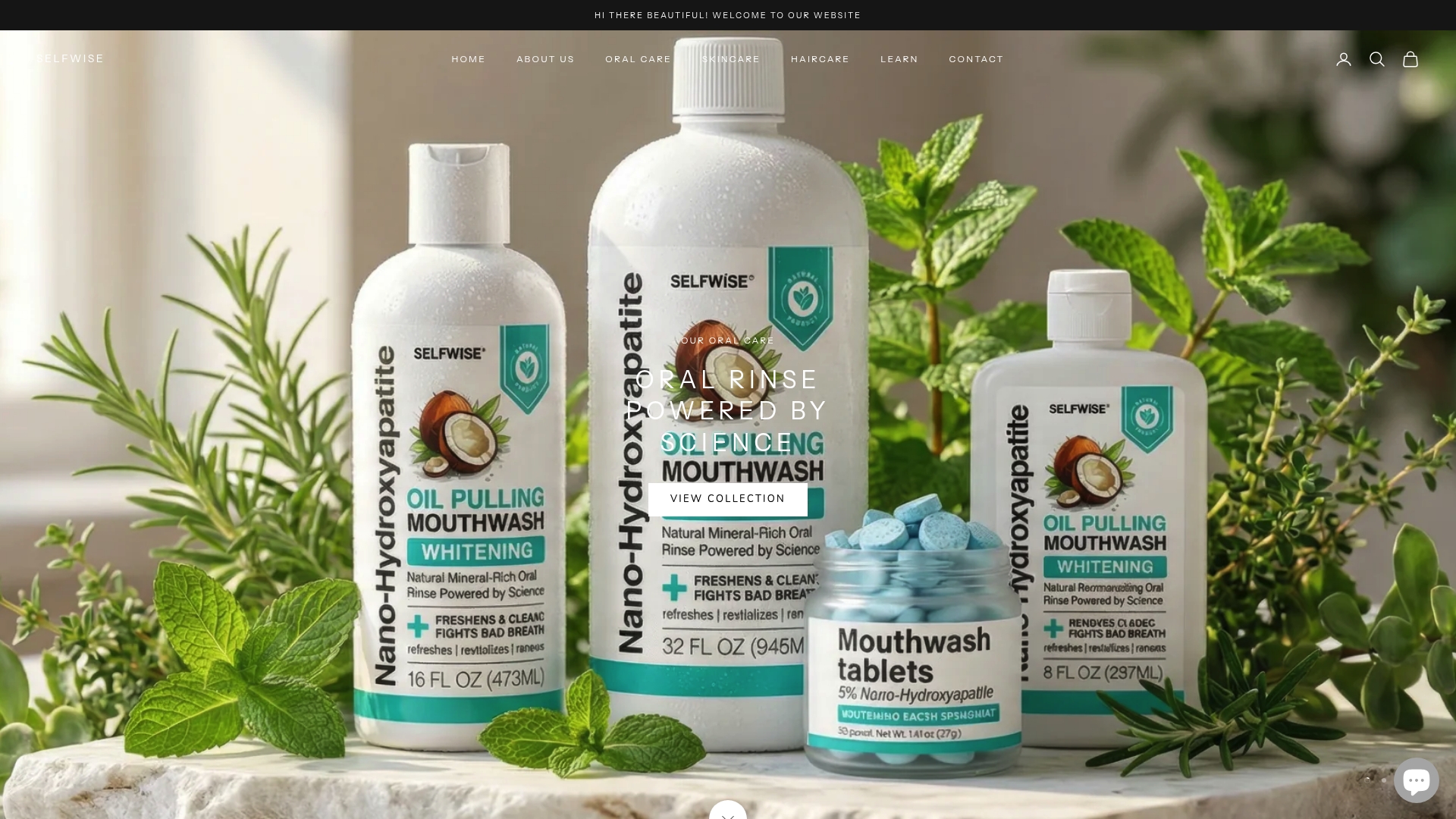
At Selfwise, every product is formulated around ingredients with real clinical backing, not just wellness trends. Our nHA oil pulling mouthwash pairs the antibacterial mechanics of oil pulling with nano hydroxyapatite’s enamel-restoring mineral. Our nHA mouthwash tablets deliver remineralization in a portable, zero-waste form. Browse the full oral care collection to build a layered routine that matches your specific goals, whether that’s sensitivity relief, cavity prevention, or a cleaner daily practice overall.
Frequently asked questions
Are natural dental products as effective as conventional ones?
Natural products like xylitol and nano hydroxyapatite are effective adjuncts, but conventional fluoride products have a stronger and broader evidence base for cavity prevention.
How often should I use oil pulling for oral health?
Oil pulling works best as a short-term adjunct, and because evidence quality remains low, it’s recommended as a supplemental practice rather than a daily long-term replacement for standard care.
What is the recommended daily amount of xylitol for cavity prevention?
The optimal range is 5 to 10 grams per day, spread across at least 3 to 5 uses through gum, lozenges, or sprays.
Is nano hydroxyapatite toothpaste safe for daily use?
Yes. nHA is biocompatible and safe at concentrations of 10 to 29.5%, with clinical studies supporting its daily use for remineralization and sensitivity relief.
Recommended
- Fresh Breath & Oral Health
- Natural Oral Care Guide
- Natural Oral Care | Selfwise
- Natural Skincare, Haircare & Oral Care - Simple, Effective Products |
- Why prioritize natural beauty treatments for safer results
Related Selfwise oral care
For Selfwise oral care products and guides connected to this topic:
- Nano Hydroxyapatite Mouthwash Tablets
- Nano Hydroxyapatite Oil Pulling Mouthwash
- Natural oral care collection
- What is nano hydroxyapatite?
Note: Selfwise products are designed for personal care routines and should not be described as diagnosing, treating, curing, or preventing medical conditions.