Herbal Ingredients for Gum Care: Science-Backed Guide
Herbal ingredients for gum care are natural plant-based compounds that reduce gum inflammation, fight harmful oral bacteria, and support tissue healing. Clove oil, amla, green tea, neem, and chamomile are among the most clinically studied options, each with documented antimicrobial and anti-inflammatory effects. These ingredients are not folk remedies. Clinical trials back their use, and growing consumer demand for cleaner oral care products has pushed them into mainstream dentistry. If you want to care for your gums without harsh chemicals, understanding which herbs work and why is the right place to start.
1. Clove oil: the most clinically proven herbal option
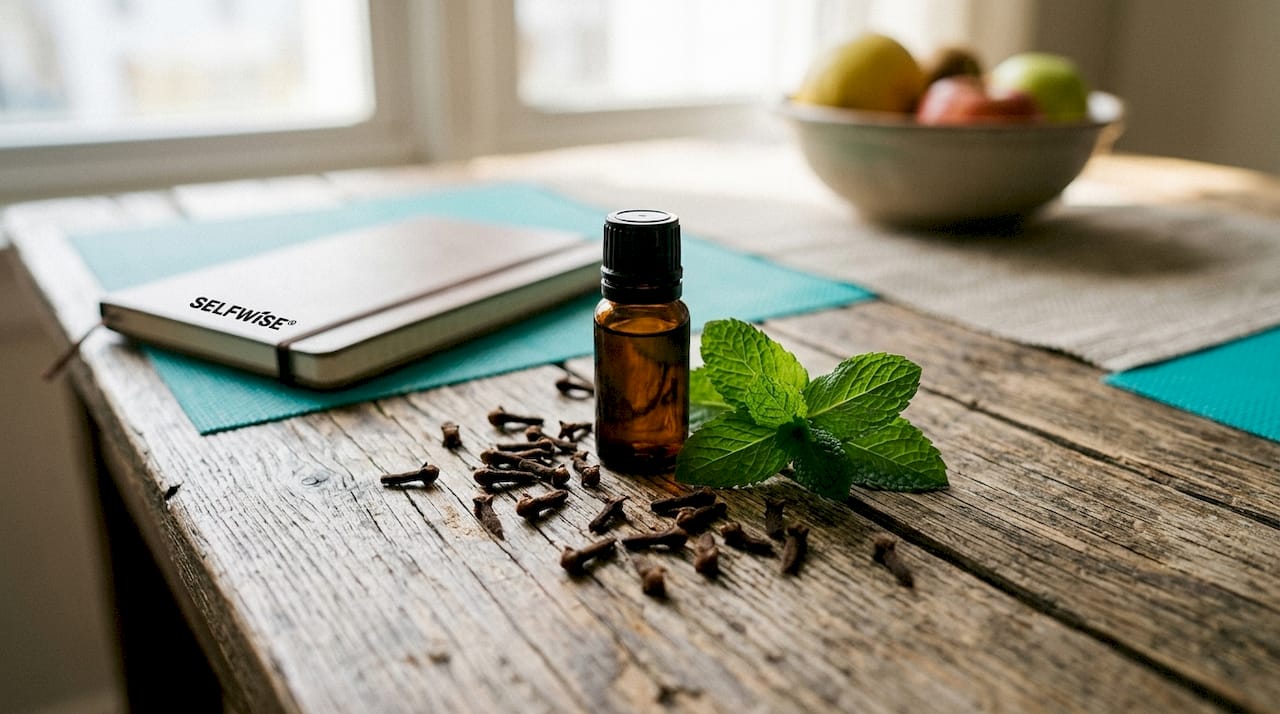
Clove oil is the single most researched herbal ingredient for periodontal care. Clinical trials show that clove oil formulations reduce periodontal pocket depth by 1.5–2.5 mm and cut gingival inflammation scores by 40–60%. Those numbers rival results from conventional antiseptic treatments.
Clove oil works through eugenol, its primary active compound. Eugenol disrupts bacterial cell membranes, blocks inflammatory pathways, and inhibits biofilm formation on the gum line. Advanced delivery formats like nanoemulgel systems improve how the oil releases into periodontal tissue, increasing both stability and bioavailability. You can find clove oil in gels, mouthwashes, and gum paints.
Pro Tip: Look for clove oil products that list eugenol content on the label. Products without disclosed concentrations offer no guarantee of clinical-level dosing.
2. Amla (Emblica officinalis): the tissue-regenerating herb
Amla, also known as Emblica officinalis, is a fruit extract with some of the highest antioxidant activity of any plant used in oral care. An 8% amla gum paint reduced gingival bleeding by 38.5% and pocket depth by 26.7% in 56 patients over 30 days. That is a meaningful clinical result from a single-ingredient topical application.
Amla’s value goes beyond fighting bacteria. Its antioxidant compounds protect gum tissue from oxidative damage, which is a key driver of periodontal breakdown. The formulation also showed stable pH and viscosity, meaning it stays effective on the gum surface long enough to work. Amla is available as a gum paint, gel, or powder mixed into rinses.
3. Green tea: catechins that fight bacteria and inflammation
Green tea contains catechins, a class of polyphenols with well-documented antibacterial and anti-inflammatory effects. These compounds target the same oral pathogens responsible for gingivitis and early periodontitis. Research confirms that green tea’s phytochemicals are effective against oral bacteria with a better safety profile than many chemical antiseptics.
Catechins work by inhibiting bacterial adhesion to tooth surfaces and reducing the production of inflammatory cytokines in gum tissue. Green tea rinses are easy to prepare at home. Steep two bags in hot water, let it cool, and use it as a mouth rinse for 30 seconds twice daily. For a stronger effect, look for green tea extract in commercial herbal mouthwashes.
4. Neem: the plaque-fighting plant
Neem (Azadirachta indica) has been used in Ayurvedic oral care for centuries, and modern research confirms its antimicrobial and plaque-inhibiting properties. Neem extracts disrupt the growth of Streptococcus mutans and Porphyromonas gingivalis, two bacteria central to plaque buildup and gum disease. It is one of the most widely used plant-based gum care ingredients in traditional medicine systems.
Neem is available as a twig for mechanical cleaning, a powder for toothpaste, or an extract in mouthwashes. The twig form has the longest history of use, but extract-based products offer more consistent dosing. Neem works best as a daily adjunct to brushing, not as a replacement for it.
5. Chamomile and sage: soothing herbs for inflamed gums
Chamomile and sage are two of the most common herbs in natural herbal mouth rinses used for gingivitis and periodontal disease. Chamomile delivers apigenin, a flavonoid that reduces gum inflammation and speeds tissue repair. Sage contains rosmarinic acid and ursolic acid, both of which show antibacterial activity against oral pathogens.
These herbs work especially well in rinse form because they make direct contact with inflamed gum tissue. A simple DIY herbal mouthwash recipe combines chamomile tea with a few drops of sage essential oil and a pinch of sea salt. Rinse for 60 seconds after brushing. Both herbs are gentle enough for daily use and suitable for people with sensitive gums.
6. Plant essential oils: multi-target antibacterial action
Plant essential oils, including clove, tea tree, peppermint, and thyme, act on multiple bacterial targets at once. Their mechanisms include membrane disruption, metabolic interference, and quorum sensing inhibition. That multi-target approach reduces the risk of bacterial resistance, which is a growing problem with single-target chemical antiseptics.
Essential oil mouthwashes like Listerine reduce plaque by 20–30% and mildly improve gingivitis when used twice daily. That result is less than chlorhexidine but comes with far fewer side effects. Essential oils are best used in diluted rinse form. Undiluted application directly to gum tissue can cause irritation.
Pro Tip: When choosing an essential oil mouthwash, check that the formula lists specific oil concentrations. A product that says “contains tea tree oil” without a percentage tells you nothing about its actual strength.
7. Echinacea and mint oil: immune support and freshness
Echinacea is less commonly discussed in oral care, but it appears in herbal rinse formulas alongside chamomile, sage, and mint oil for good reason. Echinacea stimulates local immune responses in gum tissue, helping the body fight bacterial infection more effectively. Mint oil adds antibacterial action and the fresh breath effect that makes herbal rinses feel comparable to conventional products.
This combination addresses two common complaints about natural oral care: effectiveness and palatability. A rinse that works but tastes unpleasant gets abandoned quickly. Mint oil solves that problem while contributing genuine antimicrobial activity. Look for this blend in ready-made herbal mouthwashes or build it into a DIY herbal mouthwash recipe at home.
How herbal ingredients compare to conventional gum treatments
The standard benchmark for gum care antiseptics is chlorhexidine, a chemical mouthwash prescribed for active gum disease. Chlorhexidine is effective, but it causes tooth staining, altered taste perception, and occasional gastrointestinal discomfort with extended use. Herbal ingredients cause fewer of these side effects, making them more sustainable for daily long-term use.
The table below compares the key differences between herbal and conventional gum care options.
| Treatment | Antimicrobial efficacy | Side effects | Best use format |
|---|---|---|---|
| Chlorhexidine | High | Staining, taste loss, GI issues | Short-term prescription rinse |
| Essential oil mouthwash | Moderate | Minimal | Daily rinse |
| Clove oil gel | High (localized) | Minimal at correct dose | Gum paint or gel |
| Amla gum paint | Moderate to high | None reported | Topical application |
| Green tea rinse | Moderate | None | Daily rinse |
| Neem extract | Moderate | Bitter taste | Toothpaste or rinse |
Herbal options work best as daily preventive care or as adjuncts during active treatment. They are not a replacement for professional scaling and root planing when periodontitis is already established. The right approach combines herbal daily care with regular dental visits.
Pro Tip: If you are currently using chlorhexidine on a dentist’s recommendation, do not swap it for herbal alternatives mid-treatment. Finish the prescribed course, then transition to herbal maintenance.
How to build a daily herbal gum care routine
A practical herbal gum care routine does not require expensive products or complicated steps. The key is consistency and choosing the right form for each ingredient.
- Brush with a neem or clove-based toothpaste. These formulas deliver antimicrobial ingredients directly to the gum line during your regular brushing routine.
- Rinse with a herbal mouthwash. Use a chamomile, sage, or essential oil rinse for 60 seconds after brushing. This extends contact time with gum tissue.
- Apply a targeted gum gel or paint for active inflammation. Clove oil gel or amla gum paint applied directly to inflamed areas provides concentrated local treatment.
- Try oil pulling two to three times per week. Swishing with a plant-based oil for 10–15 minutes reduces bacterial load across the whole mouth.
For product selection, prioritize formulas that list specific herbal extract concentrations. Vague ingredient labels are a sign of low-quality formulation. You can find natural dental products that meet this standard without the guesswork.
- Choose alcohol-free herbal rinses to avoid drying out gum tissue.
- Avoid swallowing herbal mouthwashes, especially those containing essential oils.
- Rotate between different herbal rinses monthly to prevent any single bacterial adaptation.
- Pair herbal care with flossing. No rinse replaces mechanical plaque removal between teeth.
Limitations of herbal gum care ingredients
Herbal ingredients for gum health have real clinical support, but they also have documented limitations. Standardization is the biggest problem. Herbal extract concentrations vary widely between commercial products, and inconsistent dosing makes it hard to predict outcomes. A chamomile rinse from one brand may contain ten times the active compound of another.
- Bioactive compound levels in herbal extracts depend on plant source, harvest time, and processing method.
- Most clinical trials use standardized research-grade formulations that do not match what is sold commercially.
- No herbal ingredient alone can reverse established periodontitis. Professional treatment remains necessary.
- Long-term safety data for concentrated herbal gum paints and gels is still limited compared to conventional treatments.
- Research gaps remain in head-to-head trials comparing specific herbal formulas to each other rather than to chlorhexidine.
The practical takeaway is this: herbal ingredients work best as prevention and maintenance, not as a cure. Use them daily to reduce bacterial load and inflammation, and see a dentist at least twice a year for professional assessment. Natural remedies for gum health are most effective when they sit alongside professional care, not in place of it. You can read more about evidence-based gum care methods that combine both approaches.
Key takeaways
The most effective herbal ingredients for gum care are those with clinical evidence behind them, including clove oil, amla, green tea, neem, and chamomile, used consistently as part of a daily routine alongside professional dental care.
| Point | Details |
|---|---|
| Clove oil leads in clinical evidence | It reduces pocket depth by 1.5–2.5 mm and inflammation by 40–60% in trials. |
| Amla targets bleeding and attachment loss | An 8% gum paint cut bleeding by 38.5% and pocket depth by 26.7% in 30 days. |
| Herbal options have fewer side effects | They cause less staining and GI disruption than chlorhexidine for long-term use. |
| Standardization is the key challenge | Extract concentrations vary widely, so always choose products with disclosed percentages. |
| Herbal care works best alongside dentistry | No plant ingredient replaces professional scaling when periodontitis is active. |
What I have learned from watching people switch to herbal gum care
People who switch to herbal oral care often do it for the wrong reason. They want to avoid the dentist, not just avoid harsh chemicals. That distinction matters more than any ingredient list.
The herbs that actually move the needle, clove oil, amla, green tea, are not magic. They reduce bacterial load and inflammation consistently when used correctly. What they cannot do is reverse bone loss or close deep periodontal pockets without professional intervention. I have seen people use excellent herbal products faithfully for months and still develop worsening gum disease because they skipped scaling.
The more interesting trend is what happens when people use herbal care correctly alongside professional treatment. Inflammation resolves faster. Gum tissue looks healthier between appointments. Patients report less sensitivity and bleeding. That is the real case for plant-based gum care: not replacement, but amplification.
The consumer shift toward natural oral health solutions is real and largely justified. But the education around it lags behind. Most people buying herbal mouthwashes do not know what concentration of active compound they are getting. That is the gap the industry needs to close. Until standardization improves, your best move is to choose brands that are transparent about their formulations and pair them with regular professional care.
— Viktor
Selfwisebrand’s natural mouthwash collection for gum health
If you are ready to add a clinically grounded herbal option to your daily routine, Selfwisebrand has built its oral care line around exactly this philosophy: simple, effective ingredients with no unnecessary chemicals.
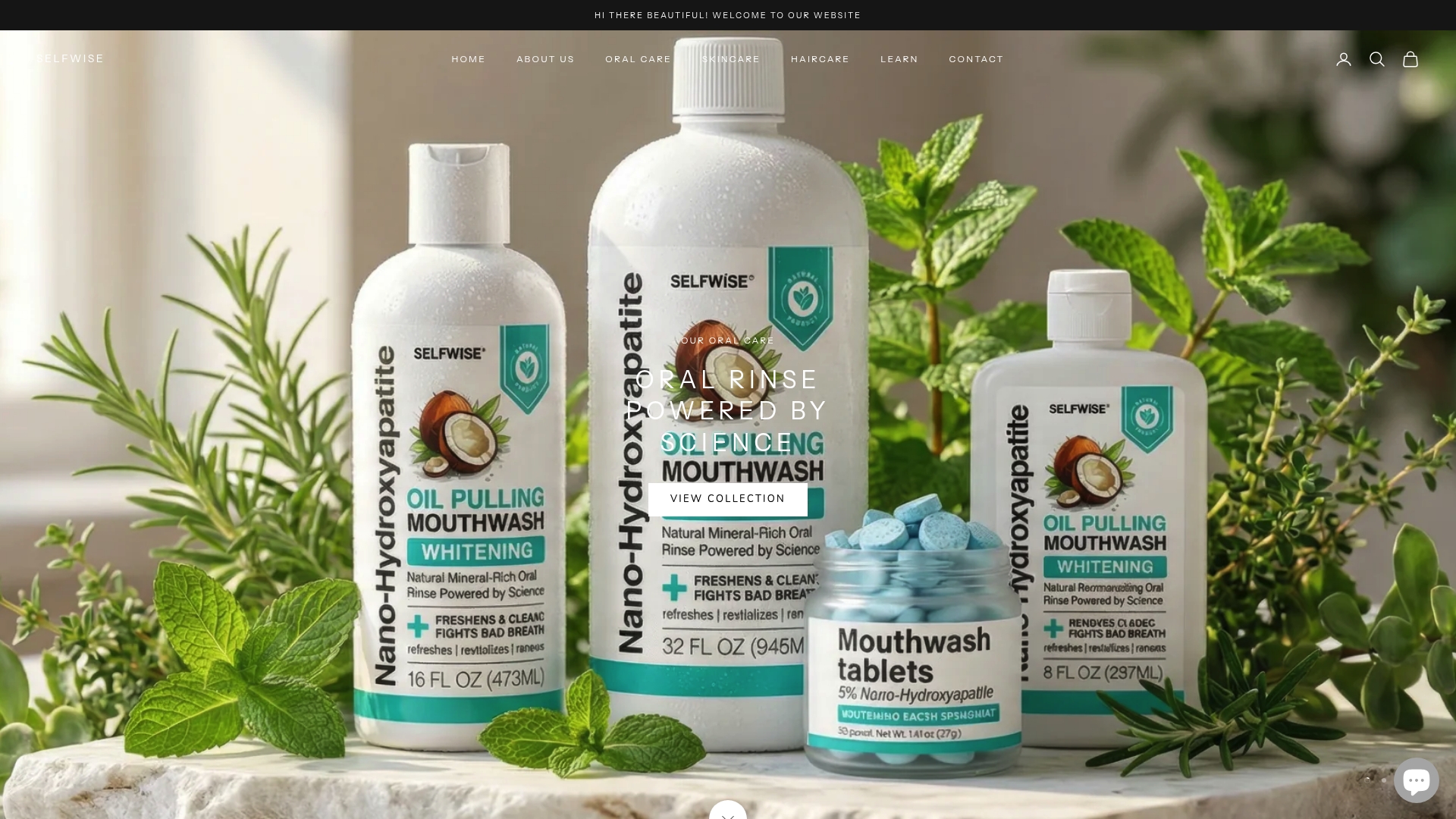
The natural mouthwash collection includes fluoride-free formulas designed to support gum health without alcohol, artificial dyes, or synthetic antiseptics. For people who want to go further, the fluoride-free range covers toothpaste alternatives and rinses built around ingredients like nano hydroxyapatite and xylitol. These products are made for people who want their oral care to work as hard as the herbs behind them.
FAQ
What are the best herbal ingredients for gum care?
Clove oil, amla, green tea, neem, and chamomile are the best-supported herbal ingredients for gum care based on clinical evidence. Each reduces gum inflammation and fights oral bacteria through distinct mechanisms.
Can herbal remedies cure gum disease?
Herbal remedies cannot cure established periodontitis on their own. They work best as daily preventive care or as adjuncts to professional scaling and root planing.
How do I make a DIY herbal mouthwash for gum health?
Brew chamomile tea, let it cool, add two drops of sage essential oil and a pinch of sea salt, and rinse for 60 seconds after brushing. This combination delivers anti-inflammatory and antibacterial effects directly to gum tissue.
Are herbal mouthwashes as effective as chlorhexidine?
Essential oil mouthwashes reduce plaque by 20–30% with fewer side effects than chlorhexidine, though chlorhexidine remains more potent for active infection. Herbal options are better suited for long-term daily maintenance.
How long does it take for herbal gum care to show results?
Clinical studies using amla gum paint showed measurable reductions in bleeding and pocket depth within 30 days of consistent use. Results vary by ingredient, product concentration, and the severity of existing gum disease.