Article: Gentle skincare process: step-by-step guide for sensitive skin

Gentle skincare process: step-by-step guide for sensitive skin
If you’ve ever applied a new product only to wake up with red, stinging, or blotchy skin, you already know how frustrating sensitive skin can be. The problem isn’t your skin. It’s the products loaded with synthetic fragrances, harsh preservatives, and unnecessary chemicals that strip your natural barrier. A gentle, natural skincare routine changes that equation entirely. This guide walks you through exactly what sensitive skin is, which tools and ingredients to trust, how to build a daily process step by step, and how to troubleshoot when things go sideways. By the end, you’ll have everything you need to start caring for your skin without fear.
Table of Contents
- Understanding sensitive skin and gentle skincare
- Essential tools and natural ingredients for a gentle routine
- Step-by-step gentle skincare process
- Troubleshooting and common mistakes to avoid
- The truth about gentle skincare routines: What the industry doesn’t tell you
- Ready to transform your routine? Explore gentle, natural skincare options
- Frequently asked questions
Key Takeaways
| Point | Details |
|---|---|
| Gentle routines support skin | Avoiding harsh chemicals and using natural ingredients keeps your skin calm and healthy. |
| Patch testing prevents problems | Patch test new products to reduce risk of reactions and build confidence in your routine. |
| Less is often more | A simple routine with fewer steps is usually best, especially for sensitive or reactive skin. |
| Ingredient awareness matters | Read labels carefully—some ‘gentle’ products may contain hidden irritants. |
Understanding sensitive skin and gentle skincare
Sensitive skin isn’t a diagnosis. It’s a pattern. Your skin reacts more intensely than average to products, weather, stress, or even certain fabrics. Common symptoms include redness, stinging, tightness, itching, and small breakouts after using new products. Triggers range from synthetic fragrances and alcohols to sulfates and extreme temperatures.
The core issue is a compromised skin barrier. Think of your skin barrier as a brick wall. When it’s healthy, it keeps moisture in and irritants out. When it’s weakened by harsh ingredients, the wall develops cracks. Irritants slip through, moisture escapes, and your skin reacts. Sensitive skin frequently reacts to chemicals, fragrances, and harsh treatments, which is why so many standard products make things worse instead of better.
Gentle skincare works by supporting the barrier rather than disrupting it. Fewer ingredients mean fewer potential triggers. Plant-based formulations tend to work with your skin’s natural chemistry rather than against it. When you follow gentle routines for sensitive skin, you give your barrier the chance to repair and strengthen over time.
Knowing what to avoid on an ingredient label is just as important as knowing what to look for. Here are the most common irritants to skip:
- Synthetic fragrances (listed as “fragrance” or “parfum”)
- Parabens (methylparaben, propylparaben)
- Sulfates (sodium lauryl sulfate, sodium laureth sulfate)
- Alcohols (denatured alcohol, isopropyl alcohol)
- Synthetic dyes (listed as FD&C or D&C colors)
“The fewer unfamiliar ingredients in a formula, the lower the chance your skin will react. Simplicity is a feature, not a limitation.”
When you explore skincare basics with sensitive skin in mind, the goal is always to reduce the ingredient load and choose formulas your skin can actually recognize and use.
Essential tools and natural ingredients for a gentle routine
Building a gentle skincare routine starts with assembling the right tools. The wrong applicator or cloth can cause as much irritation as the wrong product. Rough textures, synthetic fibers, and abrasive pads all create friction that weakens a sensitive barrier.
Here’s a simple starter checklist:
- Microfiber cloths for gentle cleansing and drying
- Cotton pads for applying toners or light serums
- A gentle, fragrance-free cleanser with minimal ingredients
- A facial oil suited to your skin type
- A simple moisturizer without synthetic additives
- Mineral sunscreen (zinc oxide or titanium dioxide based)
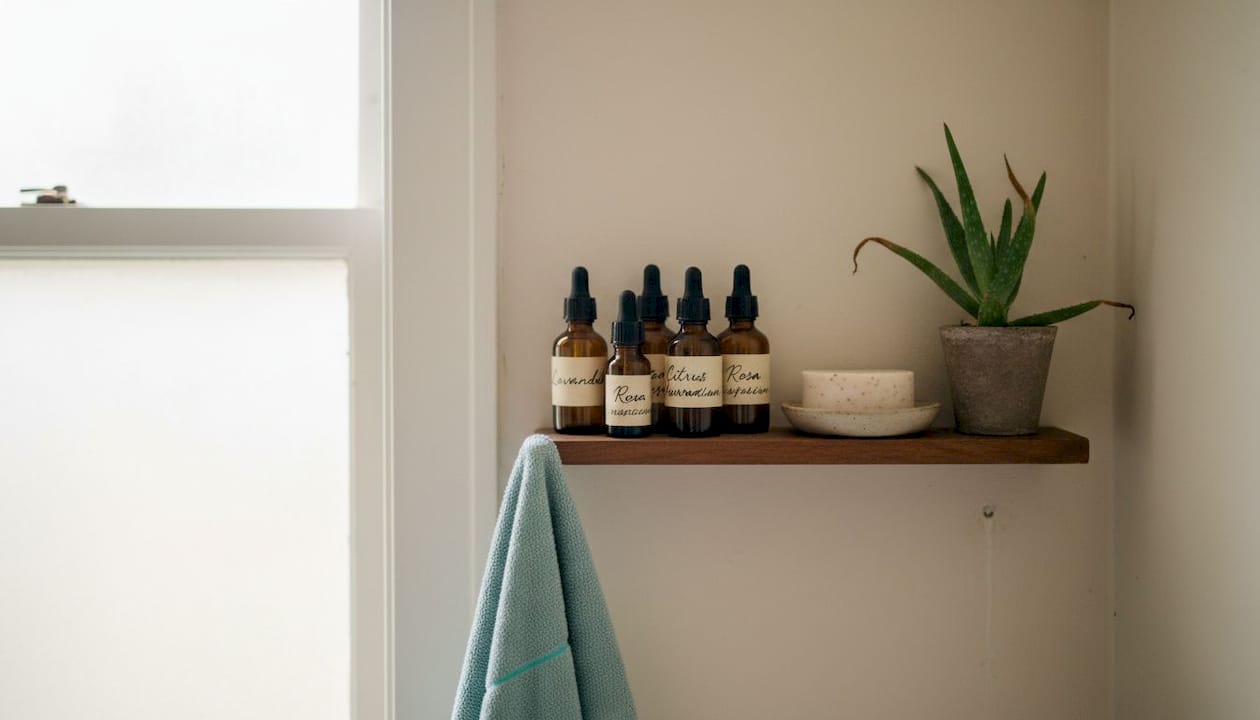
Natural oils and botanical ingredients can calm and nourish sensitive skin far more effectively than synthetic alternatives. The table below shows which natural ingredients work best and why:
| Ingredient | Key benefit | Best for |
|---|---|---|
| Oat extract | Reduces redness and itching | Reactive, inflamed skin |
| Calendula | Soothes and repairs the barrier | Dry, irritated skin |
| Aloe vera | Hydrates and cools | Sunburned or flushed skin |
| Jojoba oil | Balances sebum, mimics skin lipids | Oily or combination sensitive skin |
| Tallow | Deep nourishment, barrier repair | Very dry or eczema-prone skin |
Exploring natural skincare ingredients in detail helps you understand why these botanicals are so effective. They’ve been used for centuries precisely because they work without causing harm.
When it comes to using facial oils, a common fear is that oil will clog pores or worsen breakouts. In reality, the right facial oil can seal moisture in and reduce inflammation. The key is choosing non-comedogenic options like jojoba or rosehip.
Pro Tip: Before adding any new product to your routine, apply a small amount to the inside of your wrist or behind your ear. Wait 48 to 72 hours and watch for any reaction before applying it to your face.
Step-by-step gentle skincare process
Once you have the right tools and ingredients, you can follow a proven gentle routine that minimizes risk and maximizes results. The sequence matters as much as the products themselves.
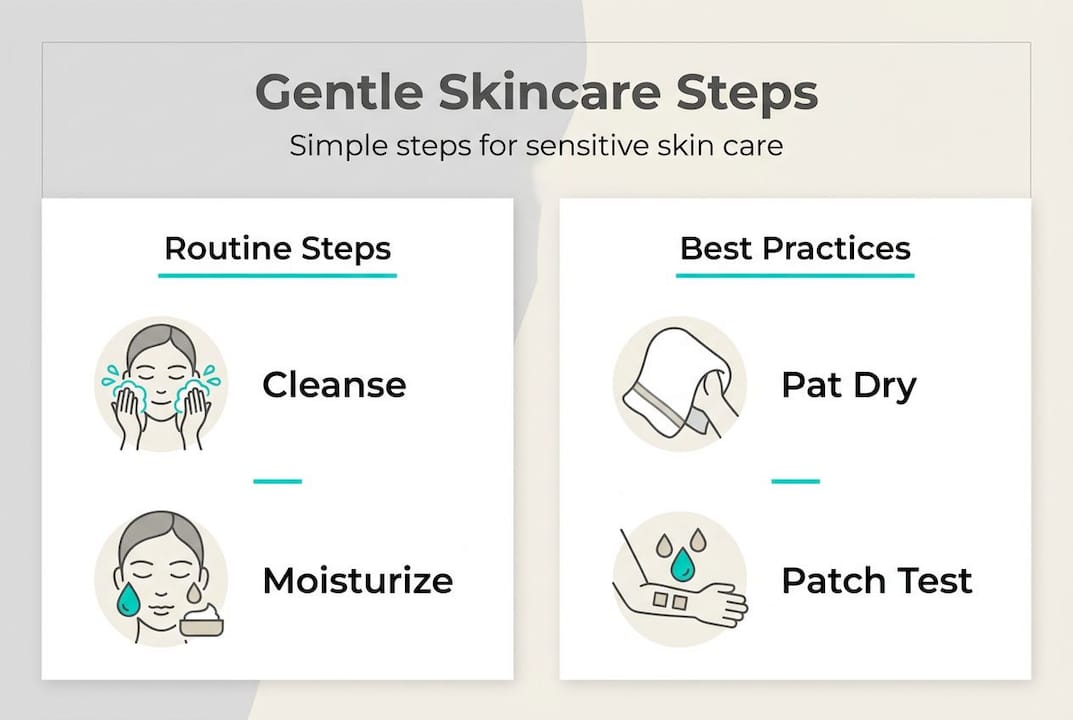
- Cleanse with lukewarm water and a minimal-ingredient cleanser. Use your fingertips or a soft microfiber cloth. Pat gently, never scrub.
- Hydrate with a light mist or toner using a cotton pad. Press it softly into the skin rather than wiping.
- Apply facial oil or serum while skin is still slightly damp. Warm 2 to 3 drops between your palms and press onto your face.
- Moisturize to lock everything in. Choose a formula with recognizable, plant-based ingredients. Moisturizing options made with natural emollients work well for most sensitive skin types.
- Protect with mineral sunscreen every morning. Zinc oxide sits on top of the skin rather than absorbing into it, making it far gentler than chemical sunscreens.
Using fewer, natural products supports the skin barrier and lowers irritation risk. This isn’t a compromise. It’s a strategy.
| Traditional routine | Gentle routine |
|---|---|
| 6 to 10 products daily | 3 to 5 products daily |
| Synthetic fragrances common | Fragrance-free or naturally scented |
| Exfoliants and actives layered | Actives used sparingly, if at all |
| Cleanser strips natural oils | Cleanser preserves skin lipids |
| Chemical sunscreen | Mineral sunscreen |
Pro Tip: Apply gentle facial oils at night when your skin is in repair mode. This is when your barrier rebuilds itself most actively, and a nourishing oil gives it the raw material it needs.
The patting motion is worth emphasizing. Tugging or rubbing the skin creates micro-friction that breaks down collagen over time and weakens the barrier. Every step in this routine should feel like you’re handling something delicate, because you are.
Troubleshooting and common mistakes to avoid
Even with a careful approach, you may face occasional setbacks. Here’s how to troubleshoot problems and avoid common mistakes.
The most important distinction to make is between a reaction and an adjustment. A reaction looks like sudden redness, burning, swelling, or hives. Stop the product immediately if this happens. An adjustment period is different. Switching to gentle, natural skincare can sometimes cause minor breakouts before improvement, as your skin purges residue from previous products.
Here are the most common mistakes people make when starting a gentle routine:
- Over-exfoliating: Even gentle exfoliants can damage a compromised barrier if used too often. Limit exfoliation to once a week at most.
- Layering too many actives: Vitamin C, retinol, and AHAs all have benefits, but combining them overwhelms sensitive skin. Introduce one at a time, weeks apart.
- Skipping moisturizer: Some people with oily sensitive skin skip this step, but moisturizer is what keeps the barrier sealed. Skipping it makes irritation worse.
- Switching products too fast: Give each new product at least 3 to 4 weeks before judging whether it works.
- Using hot water: Hot water strips the skin of natural oils. Lukewarm is always the right temperature.
“When in doubt, do less. The skin has a remarkable ability to heal itself when you stop adding obstacles.”
If irritation appears, simplify immediately. Go back to your two or three most trusted products and let your skin settle for a week. If redness, swelling, or pain persists beyond a few days, consult a dermatologist. Some reactions signal an allergy that needs professional attention, not just a product swap.
The truth about gentle skincare routines: What the industry doesn’t tell you
Here’s something worth saying directly: “gentle” is a marketing term, not a regulated one. Any brand can print it on a label without meeting a single scientific standard. Many products labeled ‘gentle’ still contain potential irritants, often buried deep in the ingredient list under unfamiliar chemical names.
The industry profits from complexity. More steps, more products, more actives to layer. But sensitive skin doesn’t need a 10-step routine. It needs consistency, simplicity, and ingredients it can actually recognize.
Becoming a label detective is one of the most powerful things you can do for your skin. Learn the top five or six ingredients to avoid. Flip every bottle over before buying. If you can’t pronounce half the list, that’s a signal worth heeding. Understanding ingredient lists takes practice, but it pays off faster than you’d expect.
The real turning point for many people with sensitive skin isn’t finding the perfect product. It’s removing the wrong ones. Sometimes one ingredient, like a hidden fragrance or a preservative, is responsible for years of unexplained reactions. Stripping back to a minimal, plant-based routine is often the clearest path to calm, resilient skin.
Ready to transform your routine? Explore gentle, natural skincare options
If this guide has helped you see your skin differently, the next step is finding products that actually match these principles. Not everything labeled “natural” qualifies, which is why it helps to start with a trusted source.
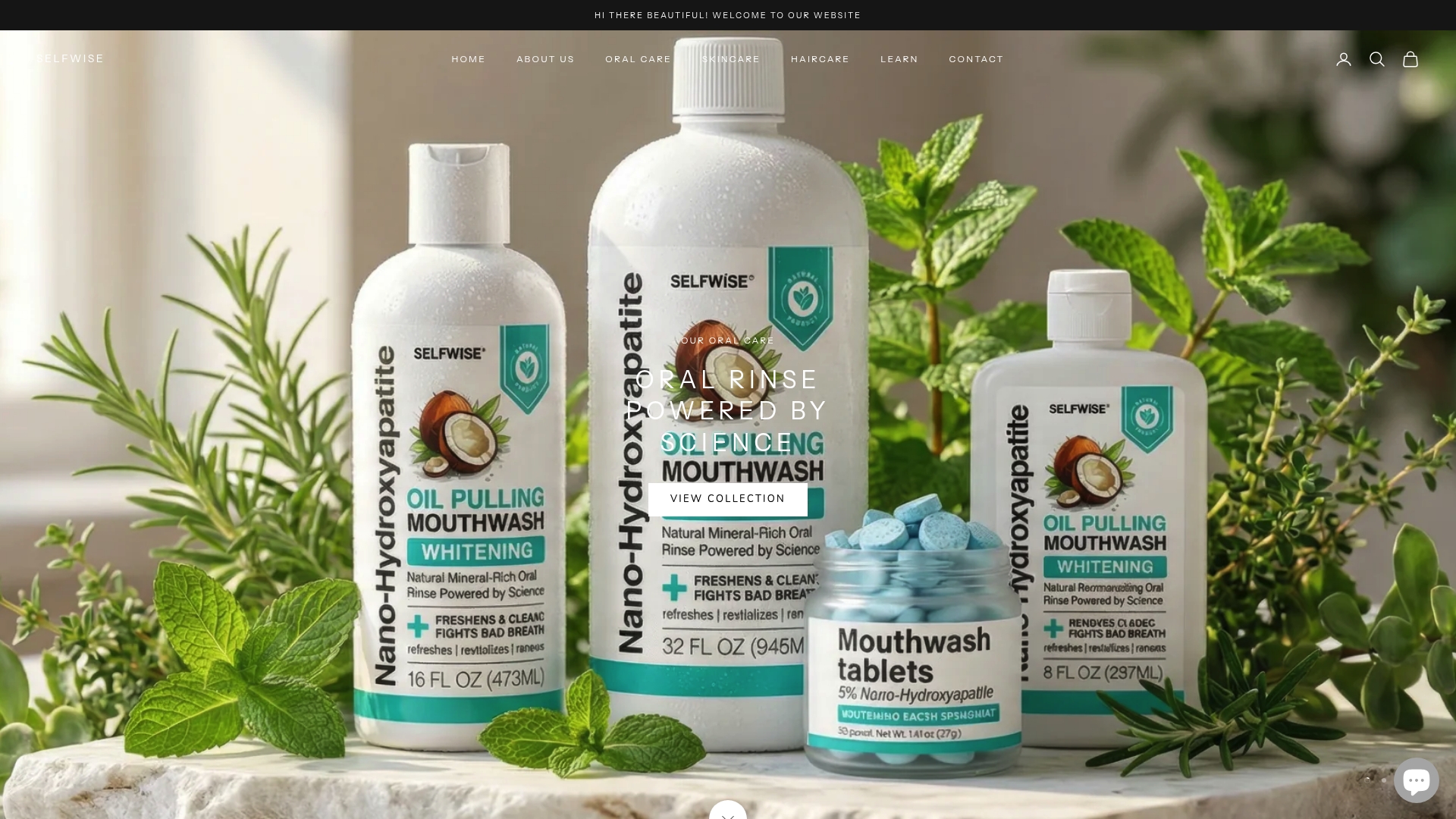
At Selfwise, every product is built around simple, plant-based ingredients with no unnecessary additives. You can browse gentle ingredient options to understand exactly what goes into each formula, see gentle skincare products curated specifically for sensitive and reactive skin, or read through natural skincare guidance to keep building your knowledge. Your skin deserves products that work with it, not against it.
Frequently asked questions
How do I know if my skin needs a gentle skincare process?
If your skin frequently reacts with redness, itching, or stinging after trying new products, a gentle routine is likely the right move. Persistent tightness or flaking after cleansing is another clear signal.
Which ingredients should I avoid for sensitive skin?
Skip fragrances, parabens, sulfates, and synthetic dyes. These are among the most common causes of irritation, and avoiding them on labels is the fastest way to reduce reactions.
How long does it take to see results from a gentle skincare routine?
Most people notice reduced irritation within a few days, but full skin improvement takes 2 to 4 weeks. An adjustment period with minor breakouts is normal in the first week.
Is mineral sunscreen important in a gentle skincare routine?
Yes. Mineral sunscreens use zinc oxide or titanium dioxide, which sit on top of the skin rather than absorbing into it, making them far less irritating. They’re a non-negotiable part of any gentle daily routine.
Can gentle skincare routines benefit all skin types or just sensitive skin?
Gentle routines work well for everyone. While they’re especially valuable for sensitive skin, natural ingredient formulas support overall skin health across all skin types by reducing unnecessary chemical exposure.


