Mouthwash before or after brushing? Science-backed guide
Most people use mouthwash the same way they learned it years ago: swish, spit, done. But if you use a fluoride toothpaste or a natural fluoride-free rinse, the order you follow actually changes how well each product does its job. Get it wrong and you could be washing away the very protection you just applied. Get it right and your routine becomes a layered system where every step reinforces the last. This guide breaks down the evidence, sorts out the conflicting expert advice, and gives you a clear sequence whether you use conventional fluoride rinses or a clean, natural alternative.
Table of Contents
- Understanding mouthwash types and their roles
- When to use mouthwash: Evidence-based recommendations
- Step-by-step: Integrating mouthwash in your natural oral care routine
- Troubleshooting and mistakes: Common pitfalls in mouthwash timing
- A holistic view: Why timing truly matters in your oral care
- Explore effective natural mouthwash solutions
- Frequently asked questions
Key Takeaways
| Point | Details |
|---|---|
| Timing impacts fluoride benefit | Using mouthwash right after brushing can reduce the effect of toothpaste fluoride. |
| Natural mouthwashes are effective | Herbal and natural rinses work as well as conventional options for reducing plaque and bacteria. |
| Follow expert recommendations | Wait 30 minutes after brushing or use mouthwash before brushing unless product instructions advise otherwise. |
| Stepwise routine matters | Sequencing brushing, flossing, and mouthwash correctly optimizes your oral health. |
Understanding mouthwash types and their roles
Not all mouthwashes are built the same, and that difference matters more than most people realize. The type you use shapes when you should use it, and using it at the wrong moment can actually undercut its purpose.
Here is a quick overview of the three main categories:
- Fluoride mouthwash: Designed to strengthen enamel and help prevent cavities by depositing fluoride ions onto the tooth surface. Timing is critical because water or other liquids can dilute this effect.
- Non-fluoride antiseptic mouthwash: Focuses on killing bacteria, reducing plaque, and freshening breath. Common active ingredients include chlorhexidine or cetylpyridinium chloride. Less sensitive to timing conflicts with brushing.
- Herbal and natural mouthwash: Uses plant-based actives like xylitol, tea tree oil, neem, or nano hydroxyapatite. Research shows that herbal rinses are as effective as chlorhexidine for reducing oral bacteria. These are the go-to for anyone building a natural oral care guide approach.
| Mouthwash type | Primary benefit | Timing sensitivity |
|---|---|---|
| Fluoride | Enamel remineralization | High: avoid right after brushing |
| Non-fluoride antiseptic | Bacteria and plaque control | Moderate: flexible timing |
| Herbal/natural | Bacteria reduction, freshness | Low to moderate: follow label |
Understanding what your mouthwash is actually doing helps you place it where it will work hardest. A natural mouthwash collection built around ingredients like nano hydroxyapatite or xylitol operates differently than a standard alcohol-based rinse, and that is a good thing. These ingredients interact with your saliva and enamel in ways that reward a thoughtful sequence.
One thing most people skip? Reading the label. Product instructions exist because the formulation determines the timing. Treating every mouthwash the same is like taking two different medications at the same time without checking for interactions.
When to use mouthwash: Evidence-based recommendations
Here is where expert opinions diverge, and it is worth understanding why before you pick a side.
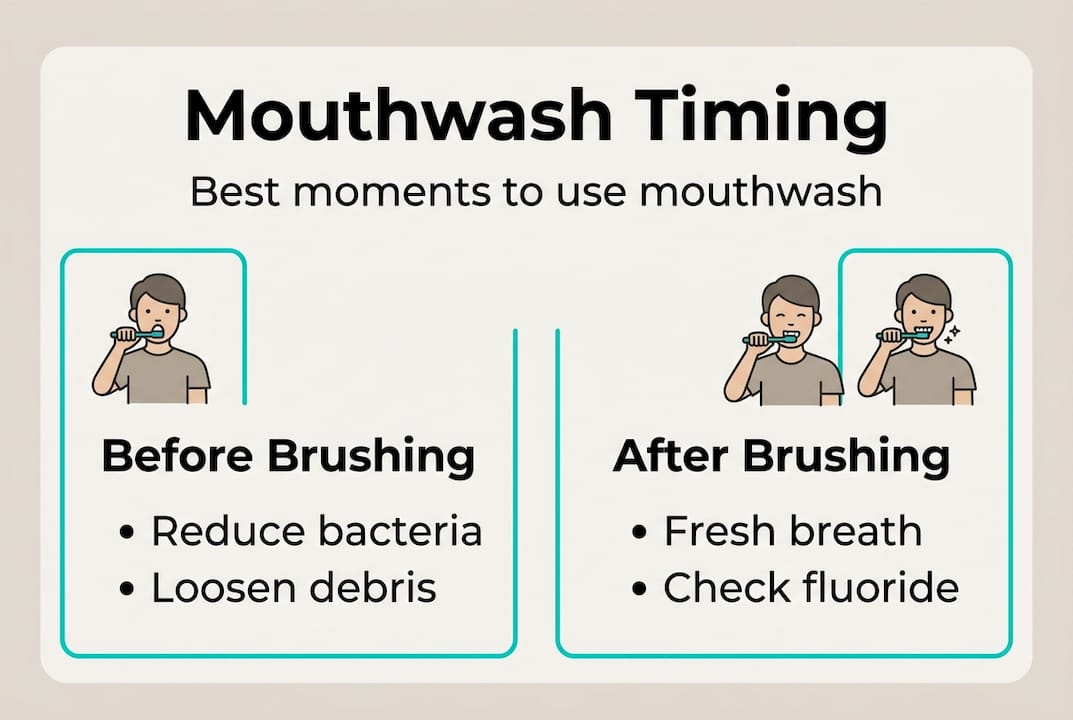
The NHS and ADA guidance is clear on fluoride products: do not use mouthwash immediately after brushing because it washes away the concentrated fluoride left by your toothpaste. That residual fluoride keeps protecting your teeth for a while after you spit. Rinsing too soon cuts that window short.
For non-fluoride options, ADA insights suggest that mouthwash can be used before brushing or at a completely separate time, like midday or before bed after a meal. This flexibility makes non-fluoride and natural formulas particularly practical for people who do not follow a single morning brush routine.
Interestingly, the Mayo Clinic recommends using mouthwash after brushing and flossing, viewing it as the finishing step. This aligns with conventional routines but does not fully account for fluoride timing. The nuance matters.
| Mouthwash type | Best timing | Why |
|---|---|---|
| Fluoride rinse | 30+ min after brushing or different time of day | Preserves toothpaste fluoride on enamel |
| Non-fluoride antiseptic | Before or after brushing | Kills bacteria without fluoride conflict |
| Herbal/natural (non-fluoride) | Before brushing or separate session | Loosens debris, no fluoride competition |
The takeaway: If you use fluoride toothpaste, wait at least 30 minutes before adding a fluoride rinse. If you use a natural or fluoride-free toothpaste, your timing window is more flexible.
For fresh breath oral health, natural mouthwash used in the morning before brushing or after an afternoon meal can layer real benefit without the timing conflict. If you are browsing your oral care collection, look at what active ingredient your rinse leads with. That will tell you everything.
Step-by-step: Integrating mouthwash in your natural oral care routine
Knowing the theory is one thing. Here is how to actually build this into your day.
For a natural or fluoride-free routine:
- Rinse with your natural mouthwash first. One minute of swishing helps loosen food debris and coats your mouth with beneficial ingredients before any mechanical cleaning begins. Mouthwash before brushing loosens debris and primes the surface for brushing.
- Floss. Now that debris is loosened, flossing becomes more effective. Work between every tooth without rushing.
- Brush. Use your natural toothpaste with gentle, circular motions. Two full minutes. Do not rinse with water after you spit. Let the toothpaste ingredients sit on your enamel.
- Optional second rinse. If your oral care kits 2026 routine includes an evening separate session, a second swish before bed after meals is a strong finishing step.
For a fluoride toothpaste routine with herbal rinse:
- Floss first.
- Brush with fluoride toothpaste. Spit, but do not rinse your mouth with water.
- Wait at least 30 minutes.
- Use your mouthwash as a standalone step.
Pro Tip: Keep your mouthwash on the counter near your breakfast area if you are doing a fluoride routine. That visual cue reminds you to rinse after you have eaten, not right after brushing.
Two common sequence errors to avoid: skipping flossing entirely before rinsing (mouthwash cannot reach between teeth the way floss does), and immediately drinking water after your rinse (you dilute the active ingredients before they can work). Check out the natural oral care page for more foundational guidance on building the full routine.
Troubleshooting and mistakes: Common pitfalls in mouthwash timing
Even people with solid routines make timing mistakes. Here are the most common ones and how to fix them.
Mistake 1: Rinsing right after brushing with fluoride toothpaste
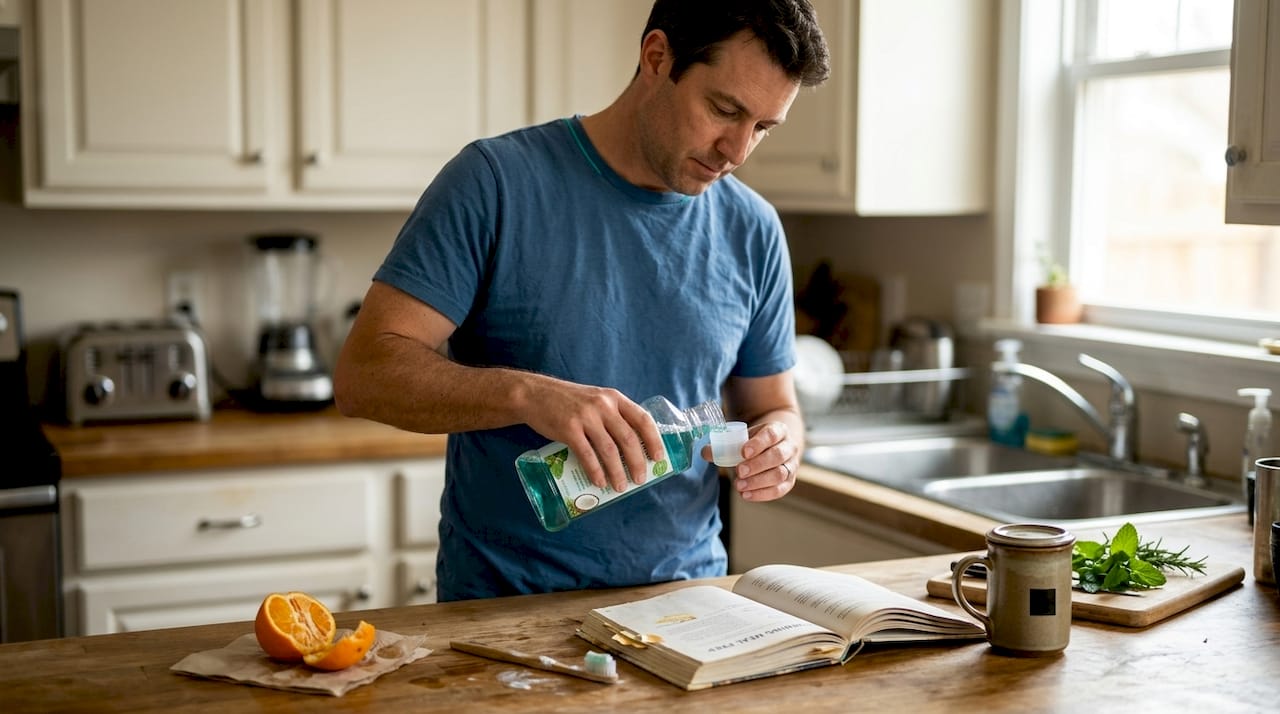
This is the biggest one. Fluoride benefit diminishes when you use mouthwash immediately after brushing because the rinse literally removes the fluoride film your toothpaste just built. Fix: wait or schedule your mouthwash for a separate time of day.
Mistake 2: Ignoring the product label
Each mouthwash formula is calibrated for a reason. Some require dilution. Some specify a post-brush window. Some are meant for use once a day. Skipping the label is like guessing at a recipe. Fix: spend 60 seconds reading the directions the first time you open a new product.
Mistake 3: Pairing incompatible ingredients
Some conventional toothpastes contain sodium lauryl sulfate (SLS), which can actually deactivate certain antiseptic mouthwash ingredients if used at the same moment. If you are using a fluoride-free collection of products, this is less likely to be an issue since natural formulas tend to use gentler surfactants that play well together.
Mistake 4: Using mouthwash as a substitute for brushing
Mouthwash is a supplement, not a replacement. It cannot remove biofilm (sticky plaque) from tooth surfaces the way mechanical brushing can.
Pro Tip: If you travel and want to simplify your routine, a natural mouthwash tablet dissolved in water can serve as a quick between-brush rinse without the timing complexity. Browse oral care tips guides for travel-friendly oral care strategies.
- Do not use mouthwash as a chaser for brushing
- Do not skip flossing because you use a rinse
- Do not assume all mouthwashes work the same way
- Do not drink immediately after rinsing
A holistic view: Why timing truly matters in your oral care
Here is something the standard dental advice rarely says out loud: sequencing your oral care routine is a form of self-respect. It signals that you understand your tools and use them with intention, not habit.
At Selfwise, we have seen the shift happening. People are moving away from alcohol-heavy rinses and harsh antiseptics, and they are asking smarter questions: what is actually in this? Does the order matter? How does this interact with my toothpaste? Those are the right questions.
Natural herbal mouthwashes perform similarly to conventional products for key oral outcomes, which means choosing clean ingredients does not mean compromising results. It means you get to be deliberate about what goes in your mouth without giving anything up.
The timing guidance in this article is not just trivia. It is the difference between a routine that stacks benefits and one that accidentally cancels them out. Our natural care guide goes deeper on building a fully integrated system that works for your lifestyle, your values, and your long-term health.
Explore effective natural mouthwash solutions
If this article shifted how you think about your routine, the next step is simple: look at what you are actually swishing with.
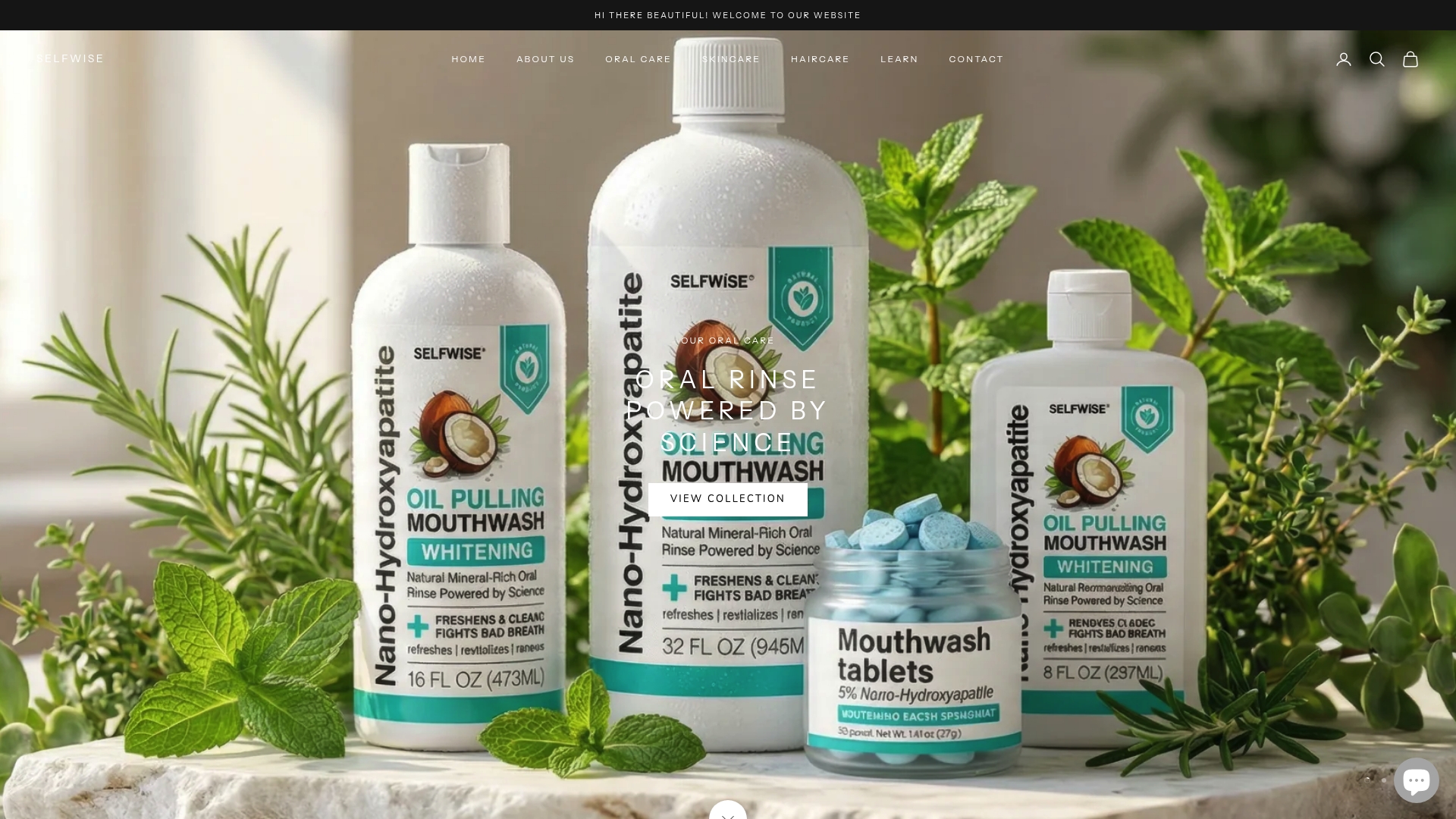
Selfwise formulates its mouthwash products with ingredients like nano hydroxyapatite and xylitol because they work in harmony with your enamel rather than stripping it. Our hydroxyapatite mouthwash tablets are fluoride-free, travel-friendly, and designed to fit into a timed, intentional routine without complicated instructions. If you want to see the full range, our mouthwash collection brings together options for fresh breath, remineralization, and daily maintenance. Simple ingredients. Real results.
Frequently asked questions
Is it okay to use mouthwash right after brushing?
Using mouthwash immediately after brushing can wash away residual fluoride from your toothpaste, reducing its enamel-strengthening effect. The NHS recommends avoiding mouthwash right after brushing and suggests choosing a different time instead.
Do herbal or natural mouthwashes require different timing?
Most natural mouthwashes follow the same timing principles as conventional types, with the advantage that herbal mouthwash evidence shows comparable effectiveness without the fluoride timing conflict if the formula is fluoride-free. Always check the label for product-specific guidance.
Can I use mouthwash before brushing my teeth?
Yes, especially with non-fluoride or herbal rinses. Mouthwash before brushing loosens food debris and bacteria, which allows your brush and toothpaste to work on a cleaner surface.
How long should I wait after brushing to use mouthwash?
Wait at least 30 minutes if you use fluoride toothpaste. The NHS and ADA recommend waiting to give the fluoride enough time to strengthen your enamel before you rinse it away.
Recommended
- Mouthwash
- Fresh Breath & Oral Health
- Natural Oral Care Guide
- Natural Oral Care Tips & Guides | Selfwise
- Jak Przygotować Się Do Wizyty Stomatologicznej — Przewodnik
Related Selfwise oral care
For alcohol-free and fluoride-free mouthwash options from Selfwise:
- Mouthwash collection
- Nano Hydroxyapatite Mouthwash Tablets
- Nano Hydroxyapatite Oil Pulling Mouthwash
- Remineralizing mouthwash guide
Note: Selfwise oral care products are designed for daily personal care routines and are not a replacement for dental diagnosis or treatment.