Natural Anti-Microbial Rinse Ingredients That Work
Anti-microbial natural rinse ingredients are plant-based or naturally derived compounds that reduce or inhibit harmful oral bacteria, directly supporting gum health and reducing plaque buildup. The standard industry term for these compounds is “antimicrobial agents,” and the most clinically studied examples include chlorhexidine, essential oil blends, Coptis chinensis extract, and aloe vera. Choosing the right ingredients matters because not all natural options deliver equal results. This guide breaks down what the science actually shows, how each ingredient works, and what to watch for when you build or buy a natural antibacterial rinse.
1. Chlorhexidine: the gold standard with trade-offs
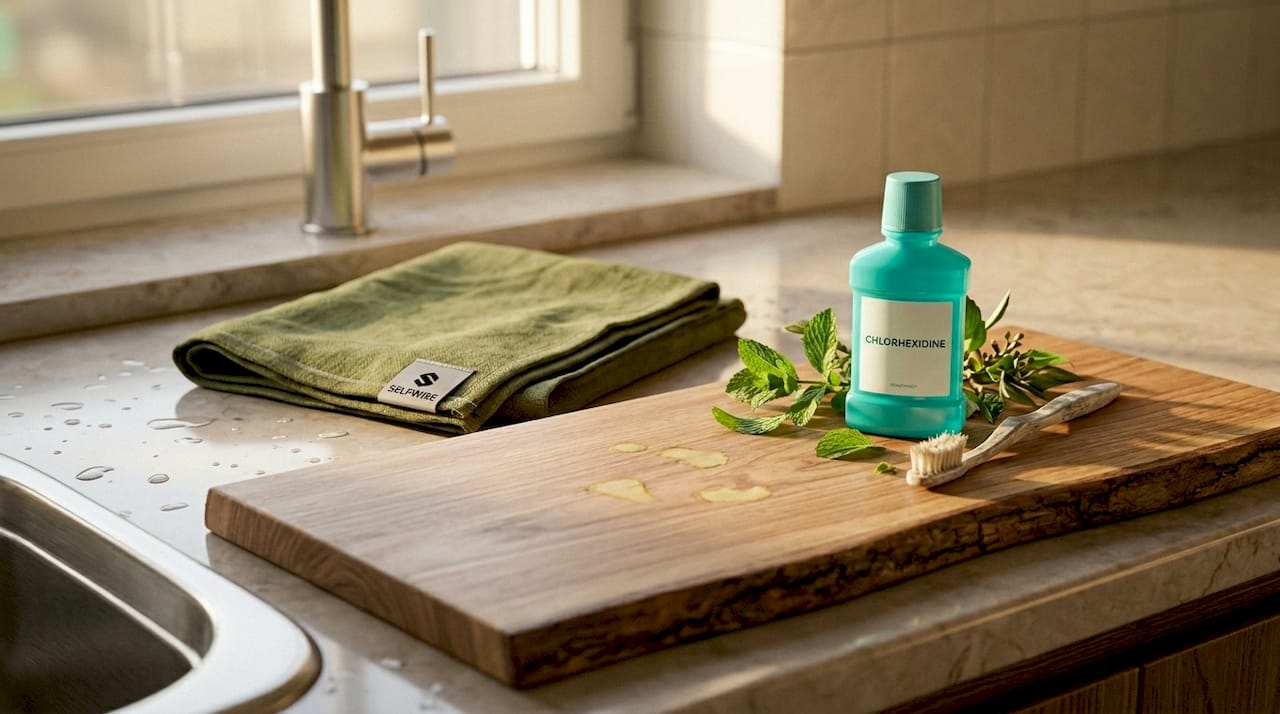
Chlorhexidine at 0.12% is the most studied antimicrobial rinse ingredient and remains the benchmark against which natural alternatives are measured. It works by binding to bacterial cell membranes and disrupting their integrity, killing a broad spectrum of gram-positive and gram-negative bacteria. The standard protocol is 10 to 20 mL swished for 60 seconds.
The catch is real. Prolonged chlorhexidine use causes tooth staining, altered taste, and potential disruption of the oral microbiome. This makes it better suited for short-term therapeutic use, such as post-surgery recovery or acute gum infection, rather than daily maintenance. If you want a daily rinse, the natural alternatives below are more appropriate.
2. Essential oils: thymol, eucalyptol, menthol, and methyl salicylate
Essential oil blends are the most widely used natural antimicrobial rinse ingredients in commercial products. The four active compounds in formulas like Listerine Cool Mint, specifically eucalyptol, menthol, methyl salicylate, and thymol, work together to penetrate bacterial cell walls and disrupt membrane function. Each oil targets bacteria through slightly different pathways, which is why the combination outperforms any single oil alone.
Concentration matters enormously here. Precise multi-oil blends at defined concentrations are required to achieve consistent clinical efficacy. This is the core challenge with homemade rinse ingredients: replicating those concentrations without lab equipment is difficult. If you are making a plant-based rinse at home, use a tested recipe rather than estimating drops from a bottle.
Pro Tip: Essential oil rinses also affect gut microbiota diversity, not just oral bacteria. Use them at the recommended frequency, typically twice daily, rather than more often, to avoid disrupting your broader microbial balance.
3. Coptis chinensis extract: the herbal antimicrobial with clinical backing
Coptis chinensis, a traditional Chinese medicinal herb, contains berberine and related alkaloids that show measurable antimicrobial activity against periodontal pathogens. A 2026 clinical study published in MDPI Applied Sciences confirmed that Coptis chinensis mouthwash delivers antimicrobial efficacy, biocompatibility, and clinical benefits for periodontal health. This makes it one of the more credible herbal antimicrobial mix options currently supported by trial data.
The liquid rinse format is key to its effectiveness. Liquid rinse formulations enhance penetration of active natural antimicrobials into gingival crevices and periodontal pockets, which is where periodontal bacteria actually live. A topical gel or capsule would not deliver the same result. If you are researching plant-based rinse recipes with genuine gum health benefits, Coptis chinensis extract is worth prioritizing.
4. Hydrogen peroxide: oxidative kill with strict frequency limits
Hydrogen peroxide kills bacteria through oxidative stress, releasing free radicals that damage bacterial DNA and cell structures. Diluted hydrogen peroxide reduces surface bacteria temporarily, and the safety guideline is clear: use no more than once per week to avoid tooth sensitivity and soft tissue irritation. That frequency limit is not a suggestion. Overuse genuinely damages enamel and irritates gum tissue.
For a homemade rinse, a 1.5% to 3% dilution is the practical range. Anything above 3% is not appropriate for oral use without professional guidance. Hydrogen peroxide works well as an occasional addition to a natural antibacterial rinse routine, not as a daily ingredient.
5. Baking soda: pH balance without strong antimicrobial power
Baking soda neutralizes oral acid and shifts the mouth toward a more alkaline pH, which creates a less hospitable environment for acid-producing bacteria like Streptococcus mutans. Baking soda supports oral pH balance for gum comfort but lacks standardized antimicrobial potency on its own. It is a supporting ingredient, not a primary antimicrobial agent.
In a homemade rinse, baking soda pairs well with essential oils or aloe vera to add pH-buffering benefits without adding chemical load. The typical ratio is half a teaspoon dissolved in eight ounces of water. Do not expect it to replace a clinically active antimicrobial. Think of it as the base that makes other ingredients work in a more favorable oral environment.
6. Coconut oil pulling: biofilm disruption through mechanical action
Coconut oil pulling works differently from rinse-based antimicrobials. Swishing oil for 10 to 20 minutes physically disrupts bacterial biofilm and pulls lipid-soluble toxins from oral surfaces. The lauric acid in coconut oil also has direct antimicrobial properties against gram-positive bacteria, including Streptococcus mutans and Candida albicans. This makes it a legitimate addition to a natural oral care routine, particularly for people who want to avoid alcohol-based or synthetic rinses entirely.
Oil pulling is not a replacement for brushing or a clinical-grade antimicrobial rinse. It works best as a morning practice before brushing, giving you a mechanical biofilm disruption before you introduce any active ingredients. Selfwisebrand’s nano hydroxyapatite oil pulling mouthwash combines this traditional practice with enamel-supporting nano hydroxyapatite for a more complete result.
7. Aloe vera: gentle daily antimicrobial for sensitive mouths
Aloe vera provides mild antimicrobial and gum soothing effects suitable for daily use in natural oral rinses. It contains anthraquinones and polysaccharides that inhibit bacterial adhesion and reduce gingival inflammation without the harshness of alcohol or chlorhexidine. For people with sensitive gums or those recovering from gum irritation, aloe vera is the most tolerable daily option in the herbal antimicrobial mix category.
The limitation is potency. Aloe vera will not clear a serious bacterial infection or replace a therapeutic rinse during active periodontal disease. It is best used as a daily maintenance ingredient, either alone or combined with a low concentration of essential oils, to keep the oral environment calm and bacteria counts low between more active treatments.
8. Ozonated olive oil and probiotics: the emerging combination
Ozonated olive oil combined with probiotics reduces plaque and bleeding effectively in periodontitis patients compared to placebo in a 2026 randomized trial. This combination works on two fronts: ozone kills anaerobic bacteria directly, while probiotics recolonize the oral environment with beneficial strains that compete against pathogens. The result is both antimicrobial action and microbiome restoration.
This approach is still emerging in clinical practice, but the trial data is promising for people dealing with chronic gum inflammation. It represents a shift from simply killing bacteria to actively managing the oral microbiome. For health-conscious individuals who want to go beyond standard plant-based rinse recipes, this combination signals where natural oral care is heading.
How these ingredients compare: mechanisms and safety
Understanding how each ingredient kills bacteria helps you choose the right one for your situation. The three main mechanisms are membrane disruption (essential oils, chlorhexidine, lauric acid), oxidative kill (hydrogen peroxide, ozone), and DNA or metabolic interference (berberine in Coptis chinensis, anthraquinones in aloe vera).
| Ingredient | Mechanism | Efficacy level | Daily use safe? |
|---|---|---|---|
| Chlorhexidine 0.12% | Membrane disruption | High | No, short-term only |
| Essential oils blend | Membrane disruption | High | Yes, at correct dose |
| Coptis chinensis extract | DNA/metabolic interference | Moderate to high | Yes |
| Hydrogen peroxide | Oxidative kill | Moderate | No, max once weekly |
| Baking soda | pH buffering | Low | Yes |
| Coconut oil pulling | Mechanical + lauric acid | Moderate | Yes |
| Aloe vera | Adhesion inhibition | Low to moderate | Yes |
Pro Tip: Use mouthwash timing strategically: wait at least 30 minutes after brushing before using chlorhexidine. Toothpaste surfactants deactivate chlorhexidine on contact, cutting its effectiveness significantly.
What to consider before making or buying a natural rinse
The biggest practical challenge with homemade rinse ingredients is consistency. Stable and reproducible antimicrobial concentrations are the main challenge in homemade formulations compared to commercial products. A few drops more or less of an essential oil can shift a rinse from effective to irritating or ineffective. Commercial products solve this through standardized manufacturing.
Before you commit to a DIY or commercial natural antibacterial rinse, consider these factors:
- Concentration accuracy: Commercial products guarantee consistent active ingredient levels. Homemade versions vary batch to batch.
- Oral microbiome impact: Strong antimicrobials used daily can reduce beneficial bacteria alongside harmful ones. Rotate ingredients or use gentler options for daily maintenance.
- Sensitive mouth compatibility: Alcohol-free, aloe vera-based, or low-concentration essential oil rinses are better for people with gum sensitivity or mouth ulcers. For more guidance on whitening options for sensitive teeth, the same sensitivity principles apply.
- Toothpaste interactions: Sodium lauryl sulfate in many toothpastes deactivates chlorhexidine. If you use chlorhexidine, switch to an SLS-free toothpaste or wait 30 minutes after brushing.
- Ingredient stability: Essential oils degrade with light and heat exposure. Store homemade rinses in dark glass bottles and use within two weeks.
Chlorhexidine is an effective antimicrobial adjunct to brushing but does not eliminate the need for mechanical plaque removal. No rinse, natural or synthetic, replaces brushing and flossing. The rinse is the adjunct, not the foundation.
Best practices for using natural antimicrobial rinses daily
Getting the most from a natural rinse comes down to timing, sequence, and consistency. Follow these steps to build an effective routine:
- Brush and floss first. Mechanical removal of plaque and food debris before rinsing gives the antimicrobial ingredients direct access to gum tissue and tooth surfaces.
- Wait 30 minutes if using chlorhexidine. Toothpaste residue deactivates it. For essential oil or aloe vera rinses, you can rinse immediately after brushing.
- Swish for the full recommended time. Essential oil rinses require 30 seconds minimum. Chlorhexidine requires 60 seconds. Oil pulling requires 10 to 20 minutes. Cutting the time short reduces efficacy.
- Do not rinse with water afterward. Rinsing with water immediately after dilutes the active ingredients and shortens their contact time with oral surfaces.
- Use hydrogen peroxide no more than once per week. Daily use causes sensitivity and tissue damage. Treat it as a weekly reset, not a daily rinse.
- Monitor your gum response. Healthy gums should not bleed with gentle brushing. If bleeding persists after two to four weeks of consistent antimicrobial rinsing, consult a dentist. Natural rinses support gum health but do not treat active periodontal disease. For evidence-based approaches to natural gum regeneration, professional guidance is part of the picture.
Key takeaways
The most effective anti-microbial natural rinse ingredients combine proven mechanisms like membrane disruption, oxidative kill, and pH buffering with consistent formulation and appropriate frequency of use.
| Point | Details |
|---|---|
| Essential oils are the top daily option | Eucalyptol, thymol, menthol, and methyl salicylate at defined concentrations deliver consistent antimicrobial results. |
| Chlorhexidine is short-term only | Use 0.12% chlorhexidine for acute gum issues, not as a daily rinse, to avoid staining and microbiome disruption. |
| Homemade rinses require precision | Concentration inconsistency is the main risk with DIY formulas; use tested recipes and store properly. |
| Timing affects efficacy | Wait 30 minutes post-brushing before using chlorhexidine to prevent toothpaste deactivation. |
| Aloe vera suits daily sensitive use | Aloe vera’s mild antimicrobial and soothing properties make it the best daily option for sensitive gums. |
Why I think most people overcomplicate their rinse routine
I have spent years looking at the research on natural oral care, and the pattern I keep seeing is this: people either go too minimal (plain water rinse and hope for the best) or too aggressive (daily hydrogen peroxide, undiluted tea tree oil, rotating five different rinses). Both approaches miss the point.
The science is clear that essential oil blends at correct concentrations work. Coptis chinensis extract works. Aloe vera works for daily maintenance. What does not work is treating your mouth like a chemistry experiment every morning. The oral microbiome is not just a collection of pathogens to eliminate. It is a community that needs balance, and the best natural antimicrobial rinse ingredients are the ones that reduce harmful bacteria without scorching everything else.
My honest recommendation: pick one well-formulated daily rinse with essential oils or aloe vera as the base, add oil pulling two to three times per week for biofilm disruption, and reserve hydrogen peroxide for occasional use only. Consistency with a simple, evidence-based routine beats rotating aggressive treatments every week. The natural antibacterial ingredients that actually move the needle are not exotic. They are the ones with clinical trials behind them, used at the right concentration, at the right time.
— Viktor
Natural mouthwash from Selfwisebrand: formulated to actually work
If you want the benefits of proven antimicrobial ingredients without the guesswork of DIY formulation, Selfwisebrand has built that for you. The Selfwisebrand mouthwash collection features fluoride-free formulas with nano hydroxyapatite for enamel support alongside plant-based antimicrobial ingredients. No alcohol, no harsh synthetic additives, and no compromises on efficacy.
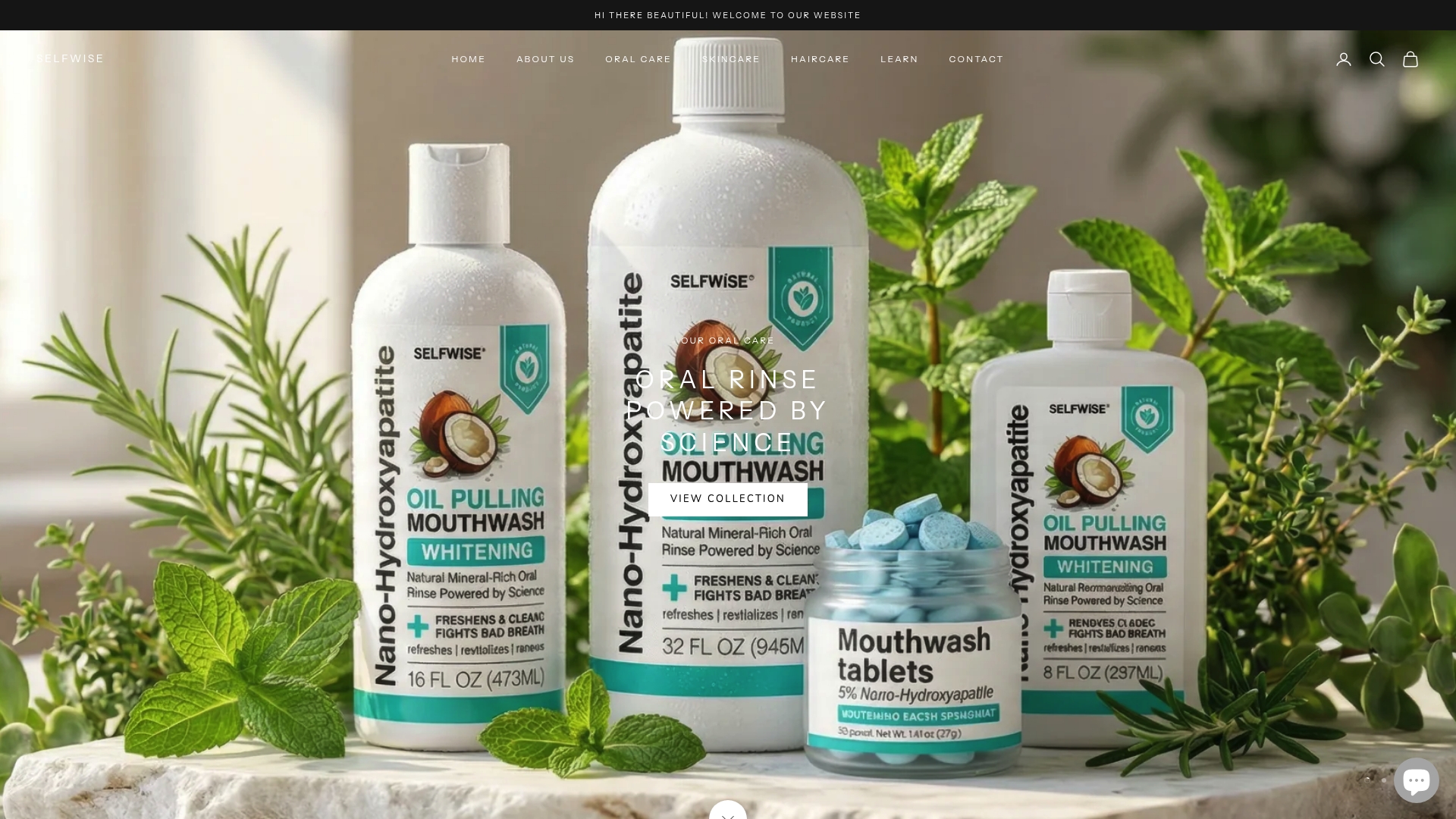
The nano hydroxyapatite mouthwash tablets are a standout option for people who want a travel-friendly, zero-waste format that still delivers real antimicrobial and remineralizing benefits. Simple ingredients. Standardized concentrations. Results you can actually measure in healthier gums and cleaner teeth.
FAQ
What are the most effective natural antimicrobial rinse ingredients?
Essential oil blends containing eucalyptol, thymol, menthol, and methyl salicylate are the most clinically validated natural antimicrobial rinse ingredients for daily use. Coptis chinensis extract and chlorhexidine (short-term) also have strong clinical trial support.
Can I make an effective antibacterial rinse at home?
You can, but concentration consistency is the main challenge. Homemade rinses using diluted essential oils, aloe vera, or baking soda can support oral hygiene, but they rarely match the standardized potency of commercial formulas.
How often should I use a natural antimicrobial mouth rinse?
Essential oil and aloe vera rinses are safe for twice-daily use. Hydrogen peroxide rinses should be limited to once per week. Chlorhexidine is best reserved for short-term therapeutic use, typically one to two weeks under dental guidance.
Do natural rinses affect the oral microbiome?
Yes. Essential oil rinses have been shown to impact both oral and gut microbiota diversity, which means they have biological activity beyond surface-level bacteria killing. Use them at recommended frequencies to preserve beneficial bacterial populations.
Is oil pulling as effective as a liquid antimicrobial rinse?
Oil pulling disrupts biofilm mechanically and delivers lauric acid’s antimicrobial properties, but it does not replace a liquid rinse for gingival crevice penetration. The two methods complement each other rather than substitute for one another.