
Your Oral Microbiome: What It Is and How to Protect It
Your mouth is home to roughly 600–700 bacterial species, making it the second most diverse microbial community in the human body after the gut. The oral microbiome is the complete community of bacteria, fungi, viruses, and archaea that live in your mouth, organized into structured biofilms across teeth, gums, tongue, and mucosal surfaces. Far from being a problem to eliminate, this ecosystem protects your enamel, helps regulate blood pressure through nitrate metabolism, and trains your immune system. When it falls out of balance, the consequences reach well beyond your teeth.
- Colonization resistance: Beneficial species crowd out pathogens before they can establish.
- Enamel support: Commensal bacteria buffer acids and contribute to remineralization conditions.
- Nitrate metabolism: Oral bacteria convert dietary nitrate to nitrite, feeding the body’s nitric oxide supply.
- Systemic links: Oral dysbiosis is associated with cardiovascular disease, adverse pregnancy outcomes, rheumatoid arthritis, and emerging evidence connects it to Alzheimer’s disease.
The Human Microbiome Project (HMP) and the Human Oral Microbiome Database (HOMD) have catalogued the core taxa and reference genomes that make this research possible, giving scientists a shared map of who lives where and what they do.
Key Takeaways
A balanced oral microbiome, spanning roughly 600–700 bacterial species across distinct oral niches, protects enamel, regulates nitric oxide production, and modulates immune responses with direct implications for systemic health.
| Point | Details |
|---|---|
| Oral microbiome defined | A community of 600–700 bacterial species plus fungi, viruses, and archaea living in structured biofilms across the mouth. |
| Core functions | Colonization resistance, pH buffering, nitrate-to-nitrite reduction, and immune modulation all depend on a balanced microbial community. |
| Dysbiosis and disease | S. mutans drives caries; P. gingivalis and F. nucleatum drive periodontitis; systemic associations (cardiovascular, pregnancy, Alzheimer’s) are real but largely observational. |
| Top protective steps | Consistent mechanical cleaning, nano hydroxyapatite for remineralization, xylitol to suppress cariogenic bacteria, and selective antiseptic use. |
| When to see a clinician | Persistent bleeding, pain, swelling, or loose teeth require professional evaluation that no home routine can replace. |
Table of Contents
- What does the oral microbiome actually contain?
- How the oral microbiome is organized across different sites
- How the oral microbiome develops from birth through aging
- What does a healthy oral microbiome actually do for you?
- When the balance breaks: oral dysbiosis and disease
- What actually changes your oral microbiome?
- How scientists study the oral microbiome
- How to support a healthy oral microbiome every day
- The ecosystem view changes everything
- Sources
- FAQ
What does the oral microbiome actually contain?
In a healthy mouth, five bacterial phyla dominate: Actinobacteria, Bacteroidetes, Firmicutes, Fusobacteria, and Proteobacteria. Peer-reviewed reviews confirm that species like Streptococcus sanguinis and Streptococcus salivarius produce bacteriocins and hydrogen peroxide that suppress more aggressive bacteria. Neisseria species and Actinomyces are also consistent residents of healthy mouths, contributing to biofilm structure and nitrogen cycling.
Not every resident is benign. Streptococcus mutans is the primary driver of dental caries, fermenting sugars into lactic acid that erodes enamel. Porphyromonas gingivalis and Fusobacterium nucleatum are key players in periodontitis, with F. nucleatum acting as a bridge organism that connects early colonizers to late-arriving pathogens in subgingival plaque.
The microbiome is also more than bacteria:
- Oral mycobiome: Candida species are the most common fungal residents. In healthy people they stay in check; immunosuppression or antibiotic use can tip the balance toward oral candidiasis.
- Oral virome: Bacteriophages (viruses that infect bacteria) shape bacterial population dynamics. Human viruses like herpesviruses can also persist in oral tissues.
- Archaea: Methanogens such as Methanobrevibacter oralis appear in subgingival pockets, particularly in periodontitis.
- Protozoa: Rare but detectable; their clinical significance is still being worked out.
One point worth emphasizing: detecting a species is not the same as that species causing harm. S. mutans is present in most adult mouths. What determines risk is its relative abundance and the local environment, specifically pH, sugar availability, and competition from commensals. Context matters more than a simple presence-or-absence read.
Pro Tip: Ingredients like xylitol selectively reduce S. mutans counts without broadly killing commensals, and nano hydroxyapatite supports enamel remineralization without disrupting the microbial ecology around it. That targeted approach is exactly what microbiome-friendly care looks like.
How the oral microbiome is organized across different sites
The mouth is not one environment. It is a collection of distinct micro-habitats, each with its own oxygen level, pH, nutrient source, and microbial community. Research in Nature Reviews Microbiology describes this as oral biogeography, and it explains why a rinse that reaches your tongue may do nothing for what is happening two millimeters below your gumline.

Supragingival plaque forms on tooth surfaces above the gumline. It is relatively oxygen-rich and dominated by early colonizers like Streptococcus and Actinomyces, which anchor to the tooth surface and create a scaffold for later arrivals.
Subgingival pockets are a different world. Oxygen is scarce, and anaerobic species thrive. This is where P. gingivalis, F. nucleatum, and Treponema denticola concentrate. Even a shallow pocket of 3–4 mm creates conditions that favor periodontal pathogens, which is why probing depth matters clinically.
The tongue dorsum is the most species-rich surface in the mouth. Its papillae create microenvironments that shelter diverse communities, including many anaerobes that produce volatile sulfur compounds responsible for bad breath. Tongue scraping disrupts this community mechanically, which is why it reduces breath odor more reliably than rinsing alone.
Saliva is not just a transport medium. It carries antimicrobial peptides (defensins, histatins, lysozyme), immunoglobulin A, and a floating microbial community that samples every surface in the mouth. Salivary flow rate and composition directly influence which species can establish and persist.
Biofilms are the key structural feature across all these niches. Bacteria in a biofilm are embedded in an extracellular polymeric matrix that reduces antibiotic penetration, buffers pH changes, and enables metabolic cross-feeding between species. Simple rinsing disrupts the surface layer; it rarely reaches the deeper architecture. Mechanical disruption, brushing and flossing, remains the most reliable way to physically break up biofilm before it matures.
How the oral microbiome develops from birth through aging
The oral microbiome is not static. It assembles in a predictable sequence, shaped by age, diet, hormones, and the people around you.
- Birth and early infancy. The mouth is colonized within hours of birth. Delivery mode matters: vaginally born infants acquire microbes resembling the maternal vaginal flora, while cesarean-born infants show a different early profile. Streptococcus salivarius is typically among the first colonizers.
- First feeding. Breast milk introduces additional microbes and prebiotics that shape early oral ecology. Formula-fed infants show measurable differences in early oral microbiome composition.
- Primary tooth eruption (6–30 months). The appearance of hard, non-shedding tooth surfaces is a turning point. S. mutans and other cariogenic species can now establish stable biofilms. This is the window when maternal transmission matters most: sharing utensils or cleaning a pacifier by mouth can transfer S. mutans from parent to child.
- Mixed dentition and puberty. Hormonal shifts during puberty increase gingival inflammation susceptibility and alter the subgingival environment, temporarily favoring anaerobes like Prevotella species.
- Adulthood. The microbiome reaches relative stability, though diet, medications, and oral hygiene habits continue to shift composition. Pregnancy introduces another hormonal disruption, often worsening gingival inflammation and altering subgingival communities.
- Aging. Salivary flow tends to decline, reducing the mouth’s natural antimicrobial defenses. Tooth loss, dentures, and polypharmacy all reshape the microbial community. Diversity often decreases, and opportunistic species can gain ground.
The practical takeaway from this sequence: early childhood is the highest-leverage window for establishing a healthy oral ecology. Simple household habits, avoiding shared utensils, limiting sugary snacks, and introducing xylitol-containing products early, can meaningfully influence a child’s caries risk.
What does a healthy oral microbiome actually do for you?
The default framing of oral bacteria as something to kill is wrong. A balanced oral microbiome performs several functions that no mouthwash can replicate:
- Colonization resistance: Commensals occupy adhesion sites and consume nutrients that pathogens need. Remove them indiscriminately and you open space for opportunists.
- pH buffering (the Stephan response): After a sugar challenge, oral pH drops sharply. Commensal bacteria help restore pH toward neutral through metabolic activity and by producing alkaline compounds. Faster pH recovery means less time for enamel demineralization.
- Nitrate reduction: Oral bacteria convert dietary nitrate (from vegetables like spinach and beets) to nitrite. That nitrite enters the bloodstream and is converted to nitric oxide, a vasodilator critical for cardiovascular function. Research shows that nearly 25% of ingested nitrate is transported to the oral cavity for this reduction step, and antiseptic mouthwashes that kill these bacteria have been linked in studies to measurable increases in blood pressure.
- Immune modulation: Commensal species train both innate and adaptive immune responses. Toll-like receptor signaling from commensal bacteria helps calibrate the mucosal immune system, preventing both under-reaction to pathogens and over-reaction that drives chronic inflammation. Recent reviews indicate that maintaining this balance may preserve epithelial barrier function with implications for systemic preventive health.
- Early digestion and taste: Salivary amylase begins starch digestion in the mouth. Oral bacteria also influence taste perception by metabolizing taste-active compounds.
- Wound healing: Some commensals produce growth factors and signaling molecules that support mucosal repair.
S. sanguinis is a useful example of how commensals protect actively. It produces hydrogen peroxide that inhibits S. mutans, competes for adhesion sites on tooth enamel, and helps maintain the low-pathogen environment that defines a healthy mouth. Xylitol supports this dynamic by selectively reducing S. mutans without suppressing S. sanguinis.
When the balance breaks: oral dysbiosis and disease
Dysbiosis is a shift in microbial composition or function that tips the ecosystem toward pathogenesis. It does not require the arrival of a new, exotic pathogen. More often, it is a change in the relative abundance of species already present.
Dental caries is the clearest example. S. mutans is present in most mouths, but frequent sugar exposure gives it a competitive advantage. It produces acid faster than commensals can buffer it, and over time enamel demineralizes. The evidence linking S. mutans abundance to caries risk is strong and well-established.
Periodontitis is more complex. P. gingivalis is sometimes called a keystone pathogen: even at low abundance, it can reorganize the entire subgingival community in ways that drive inflammation and bone loss. F. nucleatum bridges early and late colonizers, helping build the polymicrobial network that sustains chronic periodontitis. The Human Oral Microbiome Database (HOMD) and HMP datasets have been essential for mapping these networks.
Systemic associations are where the science gets more nuanced. Observational and mechanistic studies associate oral dysbiosis with cardiovascular disease, adverse pregnancy outcomes, rheumatoid arthritis, and Alzheimer’s disease. The UCSF oral microbiome overview notes that this field is rapidly evolving and that oral microbes may translocate to distant sites or drive systemic inflammation through immune signaling. Evidence strength varies: cardiovascular and pregnancy links are moderate and supported by multiple study types; Alzheimer’s associations are emerging and largely mechanistic at this stage.
Pro Tip: When you read a headline claiming oral bacteria “cause” heart disease or dementia, check whether the study is observational or interventional, and whether it controlled for confounders like smoking, diabetes, and socioeconomic status. The association is meaningful; the causal claim usually needs more evidence.
What actually changes your oral microbiome?
Several factors shift microbial composition, some reversible, some with longer-lasting effects:
- Diet: Frequent fermentable carbohydrates lower oral pH and favor acid-tolerant cariogenic species. Nitrate-rich vegetables (leafy greens, beets) feed the nitrate-reducing commensals that support cardiovascular health.
- Xylitol and polyols: Xylitol is not fermented by S. mutans, starving it of an energy source. Regular xylitol use reduces cariogenic bacterial counts without broad antimicrobial effects.
- Antiseptic mouthwash: Chlorhexidine and alcohol-based mouthwashes are effective for short-term infection control but can suppress commensal populations with extended use, including the nitrate-reducing bacteria discussed above. Evidence links regular antiseptic mouthwash use to blood-pressure changes in some studies. Use them when clinically indicated, not as a daily default.
- Antibiotics: Systemic antibiotics cause significant, sometimes prolonged, shifts in oral microbial composition. Recovery can take weeks to months.
- Smoking and alcohol: Both reduce microbial diversity and favor pathogenic species. Smoking is one of the strongest modifiable risk factors for periodontitis.
- Salivary flow: Medications (antihistamines, antidepressants, PPIs, diuretics) and systemic conditions (Sjögren’s syndrome, diabetes) reduce saliva output, removing a key antimicrobial defense and pH buffer.
- Systemic disease: Diabetes, in particular, creates a bidirectional relationship with periodontal disease. Poor glycemic control worsens periodontitis; severe periodontitis makes glycemic control harder.
For a deeper look at which ingredients to avoid in conventional oral care products, the Selfwisebrand guide on oral care ingredients to avoid covers the most disruptive compounds and why gentler alternatives matter.
How scientists study the oral microbiome
Understanding the oral microbiome has required moving well beyond traditional culture methods. Most oral species do not grow easily in a lab dish, so culture-independent techniques now dominate the field.
| Method | What it measures | Practical takeaway |
|---|---|---|
| 16S rRNA sequencing | Which bacterial taxa are present (community composition) | Identifies “who’s there” but not what they’re doing |
| Shotgun metagenomics | All microbial genes in a sample (bacteria, fungi, viruses) | Reveals functional potential and detects non-bacterial members |
| Metaproteomics | Proteins actively expressed by the microbial community | Shows what microbes are actually doing at a given moment |
| Metabolomics | Small molecules produced by microbial metabolism | Links microbial activity to measurable biochemical outputs |
| Biofilm imaging / microscopy | Spatial organization of species within biofilms | Reveals structural relationships that sequencing alone misses |
Each method has limits. 16S sequencing identifies taxa but cannot reliably infer function. Shotgun metagenomics is expensive and computationally intensive. Most studies are cross-sectional, capturing a single time point rather than tracking communities over time. Sampling site matters enormously: a swab of the tongue gives a completely different picture than a subgingival scraping from the same person on the same day. Translating these findings into clinical recommendations requires multi-omics integration and longitudinal study designs that are still relatively rare.
How to support a healthy oral microbiome every day
The goal is not a sterile mouth. It is a balanced one. These steps are grounded in evidence and aligned with microbiome-preserving principles:
- Brush and floss consistently. Mechanical disruption of biofilm is irreplaceable. No rinse substitutes for physically removing maturing plaque, especially from interproximal surfaces.
- Choose remineralizing agents. Nano hydroxyapatite supports enamel repair and creates a surface environment that favors commensals over acid-tolerant pathogens, without broad antimicrobial effects.
- Use xylitol-containing products. Aim for consistent exposure throughout the day (gum, mints, or mouthwash) rather than a single large dose. This keeps S. mutans counts suppressed without disrupting the broader community.
- Be selective with antiseptic mouthwash. Reserve chlorhexidine or alcohol-based rinses for short-term, clinically indicated use. For daily maintenance, a gentle, alcohol-free formula preserves more of your commensal population.
- Stay hydrated. Saliva is your mouth’s built-in defense system. Chronic dehydration reduces flow and compromises antimicrobial peptide delivery.
- Reduce frequent sugary snacks. It is not just total sugar intake but frequency that matters. Each sugar exposure triggers an acid challenge. Fewer exposures give commensals more time to restore pH.
- Avoid smoking. The evidence for smoking’s negative impact on oral microbial diversity and periodontal health is consistent across study types.
- See a dental clinician regularly. Persistent bleeding, pain, swelling, or loose teeth require professional evaluation. Some conditions need treatment that no home routine can replace.
Pro Tip: If you use an antiseptic mouthwash, avoid using it immediately after a remineralizing treatment (nano hydroxyapatite rinse or toothpaste). Give the remineralizing agents time to work on the enamel surface first, then rinse separately. Timing matters more than most people realize.
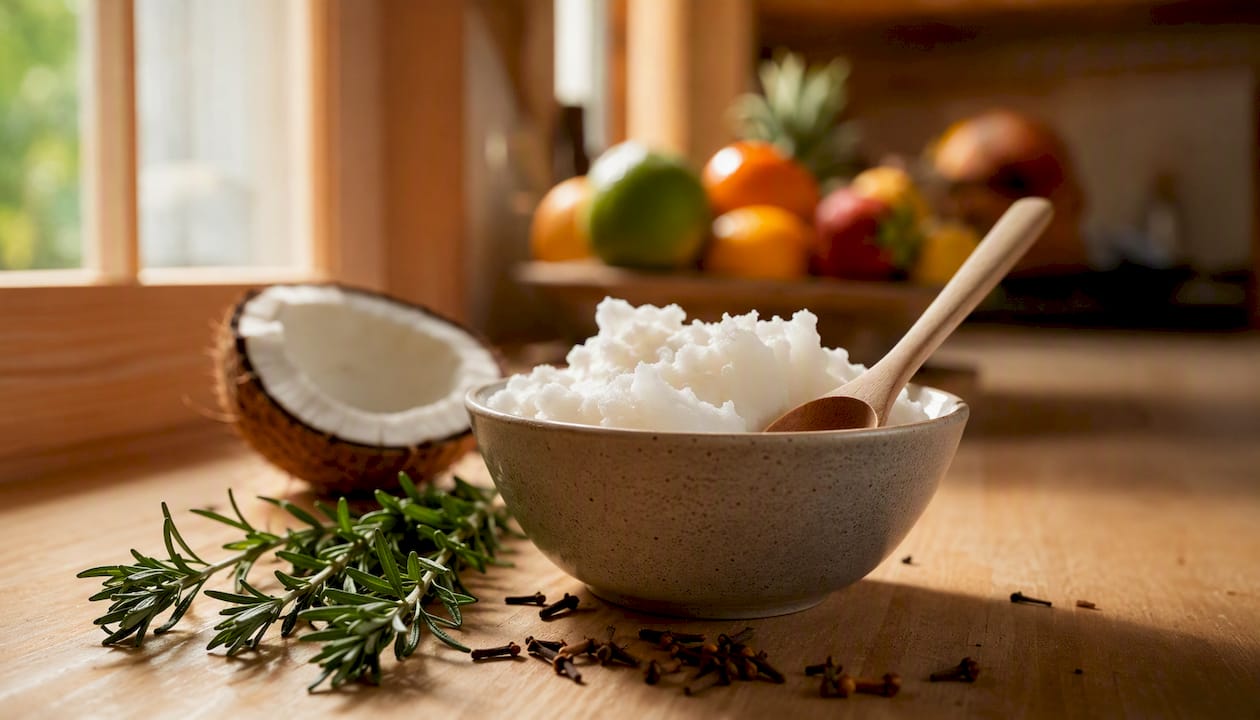
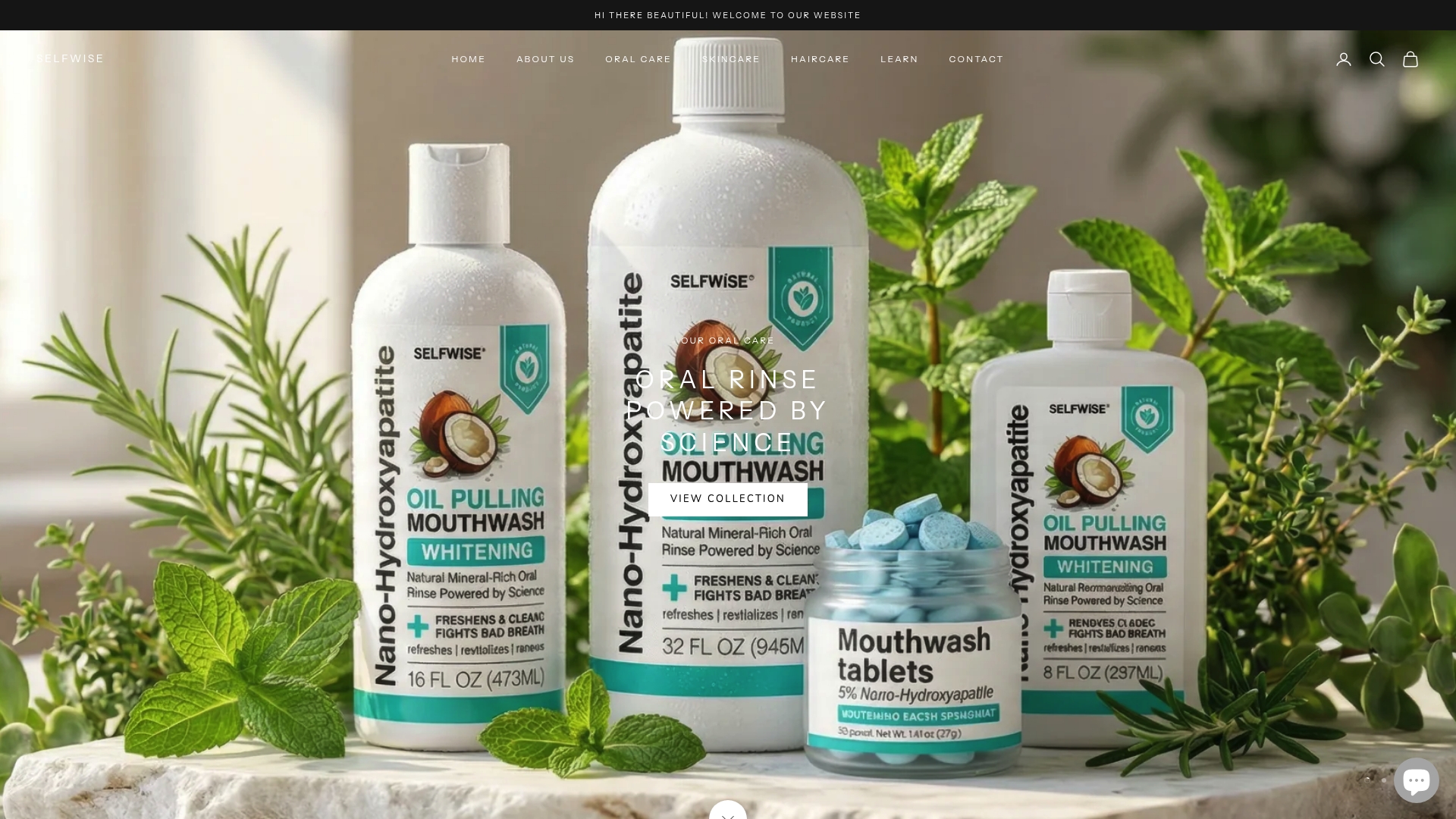
Oil pulling can be integrated as a supplementary practice. Swishing with an oil-based formula for several minutes may reduce surface biofilm and freshen breath without the broad antimicrobial disruption of alcohol-based rinses. Selfwisebrand’s nano hydroxyapatite oil pulling mouthwash combines this traditional practice with remineralizing ingredients, making it a practical addition to a microbiome-friendly routine.
For a full step-by-step routine built around these principles, the Selfwisebrand natural oral care routine guide walks through daily and weekly habits in plain language.
The ecosystem view changes everything
Most oral care marketing still sells eradication. Kill the bacteria, eliminate the plaque, sterilize the mouth. The science tells a different story.
The mouth is an ecosystem with hundreds of interdependent species, spatial organization across distinct niches, and functions that extend from enamel protection to blood pressure regulation. Treating it like a surface to disinfect misses most of what actually matters, and in some cases actively undermines the defenses you already have.
What I find most compelling in the current research is the shift toward biogeographical thinking: different sites need different care, and the goal is balance rather than elimination. A subgingival pocket with elevated P. gingivalis needs targeted professional intervention. A healthy tongue community needs gentle mechanical disruption, not a daily dose of chlorhexidine. These are not the same problem, and they should not get the same solution.
For everyday routines, that means favoring remineralizing agents like nano hydroxyapatite and targeted anti-caries ingredients like xylitol over broad antimicrobials. It means using antiseptics when there is a clinical reason, not as a default. And it means recognizing that whole-body oral health starts with a mouth that is balanced, not sterile.
Selfwisebrand builds its formulas around exactly this principle: simple, effective ingredients that support the oral ecosystem rather than override it. If you want to explore products designed with microbiome balance in mind, the Selfwisebrand mouthwash collection is a good place to start. And if you are rethinking your routine from the ground up, ask your dental clinician about microbiome-friendly care at your next visit.
Sources
- Oral Microbiome: A Review of Its Impact on Oral and Systemic Health
- The oral microbiome: diversity, biogeography and human health | Nature Reviews Microbiology
- Exploring the oral microbiome: an updated multidisciplinary oral healthcare perspective
- How the Oral Microbiome is Connected to Overall Human Health — UCSF
This article is general information, not a substitute for advice from a qualified doctor. Consult a qualified healthcare professional about your own circumstances before acting on anything here.
FAQ
What is the oral microbiome?
The oral microbiome is the community of microorganisms, including bacteria, fungi, viruses, and archaea, that live in the mouth and form structured biofilms across teeth, gums, tongue, and mucosal surfaces. Roughly 600–700 bacterial species have been documented there, making it the second most diverse microbial community in the human body.
Does mouthwash destroy the oral microbiome?
Antiseptic mouthwashes (particularly chlorhexidine and alcohol-based formulas) can suppress commensal bacterial populations with regular use, including the nitrate-reducing bacteria linked to nitric oxide production and blood pressure regulation. Short-term use for a clinical reason is generally appropriate; daily long-term use as a default carries more disruption risk than most people realize.
How does the oral microbiome affect overall health?
Oral commensals contribute to nitric oxide production, immune calibration, and epithelial barrier integrity, all of which have systemic effects. Dysbiosis is associated with cardiovascular disease, adverse pregnancy outcomes, rheumatoid arthritis, and Alzheimer’s disease, though most of these links are observational and causation has not been firmly established.
What factors disrupt the oral microbiome most?
Frequent sugar consumption, smoking, systemic antibiotics, antiseptic mouthwash overuse, and reduced salivary flow (from medications or systemic disease) are the most consistent disruptors. Each shifts the microbial balance in ways that favor pathogenic species over protective commensals.
Can you restore a disrupted oral microbiome?
Yes, though recovery time varies. Stopping the disruptive factor (antibiotics, smoking, excessive antiseptic use), returning to consistent mechanical cleaning, and introducing microbiome-friendly ingredients like xylitol and nano hydroxyapatite can help re-establish a balanced community. Severe dysbiosis, particularly active periodontitis, typically requires professional treatment first.