
Why Oral Health Affects Gut Health: The 2026 Guide
The mouth is the primary gateway to your gut, and the bacteria living in it travel far beyond your teeth and gums. Why oral health affects gut health comes down to a well-documented biological pathway called the oral-gut axis, where oral pathogens migrate into the digestive tract and reshape its microbial environment. Pathogens like Porphyromonas gingivalis and Fusobacterium nucleatum disrupt gut microbial homeostasis, triggering inflammation that reaches far beyond your mouth. The result is a cascade of systemic effects, including elevated disease risk for cardiovascular, metabolic, and autoimmune conditions. Understanding this connection changes how you think about brushing, flossing, and the products you use every day.
Why oral health affects gut health: the oral-gut axis explained
The oral-gut axis is the direct biological channel through which oral bacteria reach and alter the gut microbiome. Two main routes exist. The first is ingestion: you swallow roughly one trillion bacteria per day just from saliva. The second is hematogenous spread, where bacteria enter the bloodstream through inflamed or bleeding gums and travel to distant organs, including the intestinal lining.
Porphyromonas gingivalis is the most studied oral pathogen in this context. Research shows it can survive digestion and colonize the gut, a process researchers call “gut oralization.” This means a chronic gum infection is not a localized problem. It actively remodels the microbial community in your intestines.
Once in the gut, these oral invaders alter bacterial composition and reduce microbial diversity. Reduced diversity is a reliable marker of poor gut health. It correlates with weakened immune function, impaired digestion, and higher susceptibility to inflammatory bowel conditions.
- P. gingivalis produces virulence factors called gingipains that drive gut microbiome dysbiosis and amplify immune responses.
- Fusobacterium nucleatum, another oral pathogen, has been detected in colorectal tumor tissue, suggesting a direct link between oral bacteria and gut disease.
- Streptococcus species from the mouth shift gut bacterial ratios, crowding out protective anaerobes.
- Fecal microbiota transplants from donors with periodontitis reduce gut microbial diversity in recipients, confirming the causal direction.
Pro Tip: If you experience recurring bloating or digestive discomfort alongside gum sensitivity, the two may share a root cause. Treating gum disease can be as relevant to your gut as adjusting your diet.
How does periodontitis damage the gut barrier?
Periodontitis does not just send bacteria south. It actively suppresses the gut’s own defense mechanisms. The GPR109A receptor plays a central role in maintaining intestinal barrier integrity. Periodontitis-related bacteria suppress this receptor, weakening the tight junctions that hold intestinal epithelial cells together.

When tight junctions fail, the gut becomes permeable. Bacterial fragments and metabolites leak into the bloodstream, a condition commonly called “leaky gut.” The immune system responds by mounting a low-grade but persistent inflammatory response. That chronic systemic inflammation is the mechanism connecting poor oral hygiene to conditions like type 2 diabetes, rheumatoid arthritis, and atherosclerosis.
The immune pathway works like this:
- Oral pathogens enter the gut and alter microbial composition.
- Altered microbiota suppress GPR109A, reducing butyrate signaling and barrier support.
- Tight junction proteins degrade, increasing intestinal permeability.
- Bacterial endotoxins cross the gut wall and enter systemic circulation.
- The immune system activates Th17 cells, producing pro-inflammatory cytokines.
- A Th17-Treg imbalance develops, sustaining systemic immune disruption over time.
Pharmacological activation of GPR109A restores gut barrier function in animal models of periodontitis-induced gut inflammation. That finding points to the receptor as a key target for future therapies, and it confirms that the damage from gum disease is mechanistically traceable, not theoretical.
Does gut health also affect your oral microbiome?
The relationship runs in both directions. Gut dysbiosis feeds back into the oral environment, increasing susceptibility to gum disease and oral infections. This bidirectional dynamic is what makes the oral-gut axis so clinically significant.
The key mechanism on the gut-to-mouth side involves butyrate. Butyrate is a short-chain fatty acid produced by beneficial gut bacteria like Faecalibacterium prausnitzii and Roseburia intestinalis. It regulates immune tolerance throughout the body, including in oral tissues. When gut dysbiosis depletes butyrate-producing bacteria, oral immune homeostasis weakens.
- Reduced butyrate production lowers anti-inflammatory signaling in gum tissue.
- Systemic immune changes from gut imbalance prime the body for a stronger inflammatory response to oral bacteria.
- Periodontitis risk increases even in people with adequate oral hygiene, if gut health is poor.
- The feedback loop sustains itself: poor gut health weakens oral defenses, which worsens oral disease, which further disrupts the gut.
Viewing oral disease as a localized bacterial problem misses this systemic picture entirely. Research now frames it as a systemic regulatory failure, where the goal shifts from killing bacteria to restoring immune balance across both microbiomes. That reframe has real consequences for how you choose your oral care products and daily habits.
What natural oral care strategies support both microbiomes?
Practical care for the oral-gut connection means choosing products and habits that support microbial balance rather than disrupt it. Harsh chemical antiseptics, including alcohol-based mouthwashes, kill indiscriminately. They reduce beneficial oral bacteria alongside harmful ones, which can worsen the very dysbiosis you are trying to correct.
Natural oral care strategies take a different approach. They aim to reduce pathogenic load while preserving the beneficial species that keep both the mouth and gut in balance. The natural oral care guide from Selfwisebrand outlines a practical routine built on this principle.
- Nano hydroxyapatite products: Nano hydroxyapatite remineralizes enamel without disrupting the oral microbiome. Unlike fluoride, it works by physically integrating into tooth structure, not by creating a toxic environment for bacteria. Selfwisebrand’s fluoride-free oral care line uses nano hydroxyapatite as a core ingredient.
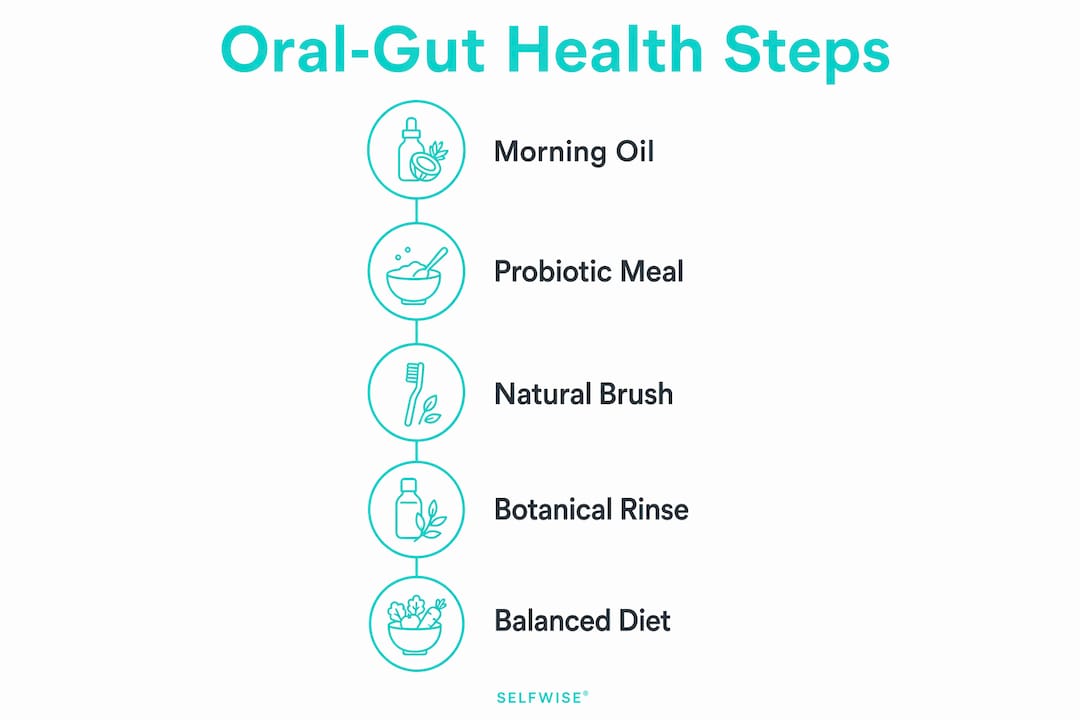
- Oil pulling: Swishing with oil for 10–15 minutes mechanically reduces oral bacterial load, including Streptococcus mutans, without the microbiome-disrupting effects of chemical rinses. Regular oil pulling supports gum health and reduces the pool of bacteria available to translocate to the gut.
- Natural mouthwash formulations: Regular mouthwash use with natural formulas shifts oral microbial taxa in beneficial directions, including reductions in Streptococcus oralis and enrichment of protective species.
- Diet and probiotics: Fermented foods like yogurt, kefir, and kimchi introduce beneficial bacteria to both the gut and oral cavity. Prebiotic fiber feeds butyrate-producing gut bacteria, strengthening the immune feedback that protects oral tissue.
- Xylitol: This natural sugar alcohol inhibits Streptococcus mutans without broad-spectrum antimicrobial effects. It selectively reduces cavity-causing bacteria while leaving beneficial species intact.
Pro Tip: Pair oil pulling in the morning with a probiotic-rich breakfast. The oil pulling reduces overnight bacterial buildup before you swallow anything, and the probiotics support the gut microbiome that feeds back into your oral immune defenses.
Therapeutic strategies that integrate periodontal care with diet and lifestyle consistently outperform single-intervention approaches. Treating gum disease while ignoring gut health, or vice versa, leaves half the cycle intact. For people interested in whole-body wellness, the oral health and systemic benefits of natural care routines extend well beyond fresh breath.
People pursuing professional dental care alongside their home routine should also consider how their daily products affect microbial balance between visits.
Key Takeaways
The oral-gut axis is a two-way biological pathway where oral pathogens disrupt gut microbial balance, and gut dysbiosis in turn weakens oral immune defenses, creating a cycle that drives systemic inflammation.
| Point | Details |
|---|---|
| Oral bacteria reach the gut | Pathogens like P. gingivalis survive digestion and colonize the gut, altering its microbial composition. |
| Gut barrier integrity depends on oral health | Periodontitis suppresses GPR109A, weakening tight junctions and increasing intestinal permeability. |
| The relationship is bidirectional | Gut dysbiosis depletes butyrate-producing bacteria, reducing oral immune protection and raising periodontitis risk. |
| Chemical antiseptics worsen dysbiosis | Alcohol-based mouthwashes kill beneficial bacteria, disrupting the microbial balance that protects both the mouth and gut. |
| Natural care supports both microbiomes | Nano hydroxyapatite, oil pulling, xylitol, and probiotics reduce harmful bacteria without broad-spectrum disruption. |
The part most oral care advice gets completely wrong
Most oral care advice treats the mouth as a closed system. Brush twice a day, floss, see your dentist every six months. That advice is not wrong. It is just incomplete in a way that matters.
What I find consistently underappreciated is how much the products people use daily can either support or undermine the oral-gut connection. Alcohol-based mouthwashes are still the default recommendation in many dental offices. Yet the research on microbial disruption is clear enough that the default deserves a serious second look. Killing everything in your mouth twice a day is not a neutral act.
The shift I advocate is not radical. It is simply about choosing products that work with your biology rather than against it. Nano hydroxyapatite instead of fluoride. Oil pulling instead of chemical rinses. Fermented foods alongside your brushing routine. These are not fringe ideas. They are grounded in the same microbiome science that has reshaped how we think about gut health over the past decade.
The other thing worth saying plainly: gut health is not just a digestive issue, and oral health is not just a dental issue. They are part of the same regulatory system. If you are addressing one and ignoring the other, you are working with an incomplete picture. The research on the oral-gut axis makes that case better than any single product ever could.
— Viktor
Selfwisebrand natural oral care for your whole-body routine
The science on the oral-gut connection points clearly toward one practical conclusion: the products you use in your mouth affect more than your teeth.
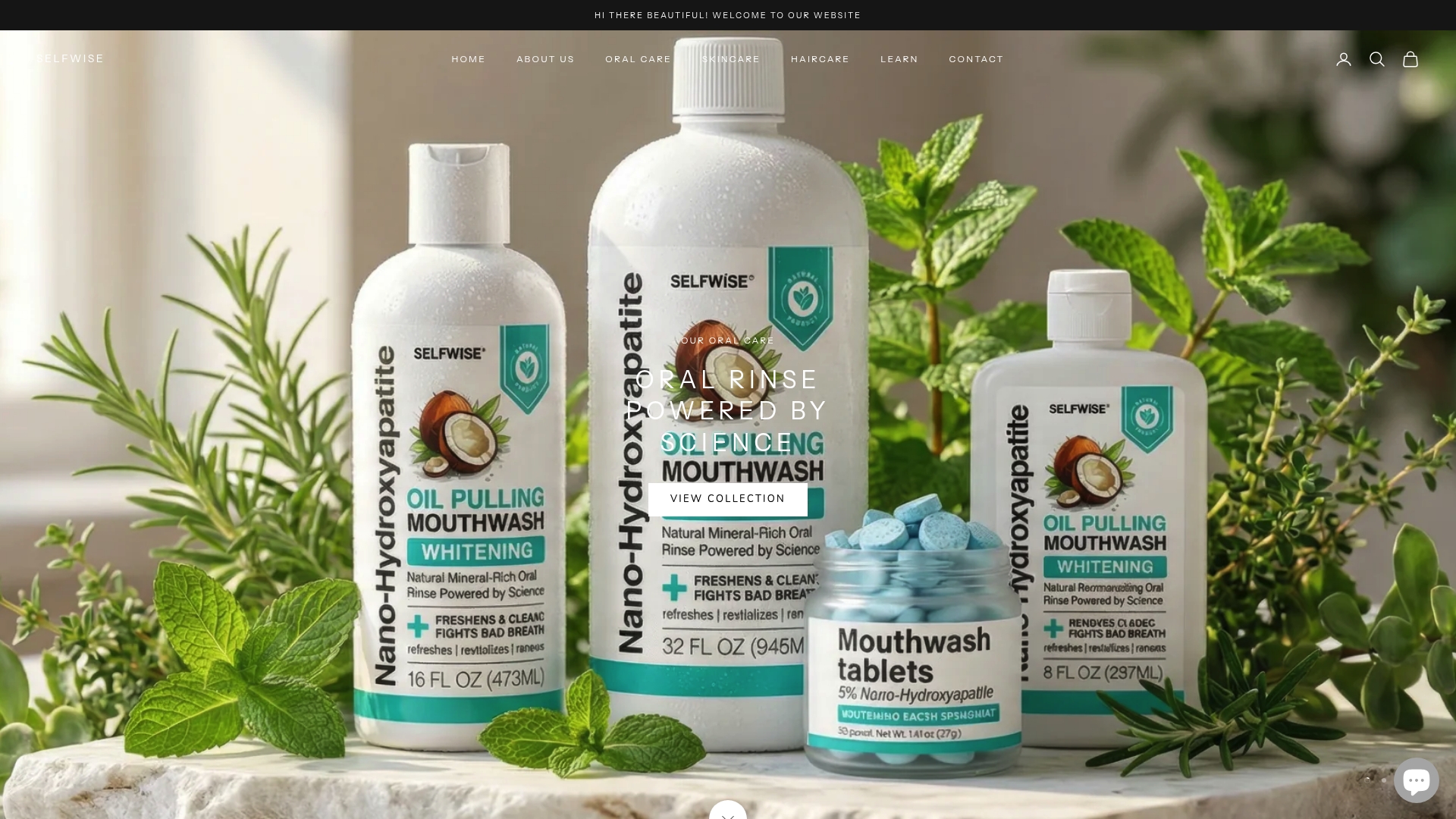
Selfwisebrand formulates its products around that reality. The nano hydroxyapatite mouthwash tablets remineralize enamel and support microbial balance without fluoride or alcohol. The oil pulling mouthwash combines the mechanical benefits of oil pulling with nano hydroxyapatite for natural enamel support. Both are part of the Selfwisebrand fluoride-free collection, built for people who want a natural oral care routine that actually supports whole-body wellness. Simple ingredients, real results.
FAQ
What is the oral-gut axis?
The oral-gut axis is the biological pathway through which oral bacteria and immune signals travel between the mouth and the gut, influencing microbial balance and systemic health in both directions.
Can poor oral hygiene cause gut problems?
Yes. Oral pathogens like Porphyromonas gingivalis can survive digestion, colonize the gut, and alter its microbial composition, contributing to intestinal inflammation and increased gut permeability.
Does treating gum disease improve gut health?
Research shows that periodontal treatment reduces systemic inflammation and the pool of oral pathogens available to translocate to the gut, which supports improved gut microbial balance over time.
Are natural mouthwashes better for the gut microbiome?
Natural mouthwash formulations preserve beneficial oral bacteria that chemical antiseptics eliminate. Maintaining a balanced oral microbiome reduces the number of harmful bacteria that can migrate to and disrupt the gut.
How does nano hydroxyapatite support oral and gut health?
Nano hydroxyapatite remineralizes tooth enamel without broad-spectrum antimicrobial effects, protecting teeth while leaving the beneficial oral bacteria intact that help prevent pathogenic overgrowth and gut disruption.