Whole Body Oral Health Benefits: Your 2026 Guide
Whole body oral health benefits are defined as the measurable improvements to systemic health that result from consistent, effective oral hygiene practices. Your mouth is not a sealed chamber. It is a direct entry point to your bloodstream, immune system, and nervous system. Periodontitis affects 35 to 50% of adults worldwide and is independently linked to cardiovascular disease, type 2 diabetes, and Alzheimer’s disease. That connection is not coincidental. Oral pathogens travel. They trigger inflammation in distant organs through microbial and immune pathways that researchers now call the oral-systemic axis. Natural oral care tools like nano hydroxyapatite, xylitol, and targeted probiotics are proving to be more than cosmetic choices. They are systemic health decisions.
1. Whole body oral health benefits start with your nightly routine
Nighttime oral care is the most critical session of your day, not the morning brush you rush through before coffee. Saliva production drops significantly during sleep, removing the mouth’s natural defense against bacterial growth. Without saliva neutralizing acids and flushing debris, pathogenic bacteria multiply rapidly and produce inflammatory byproducts that enter systemic circulation overnight.
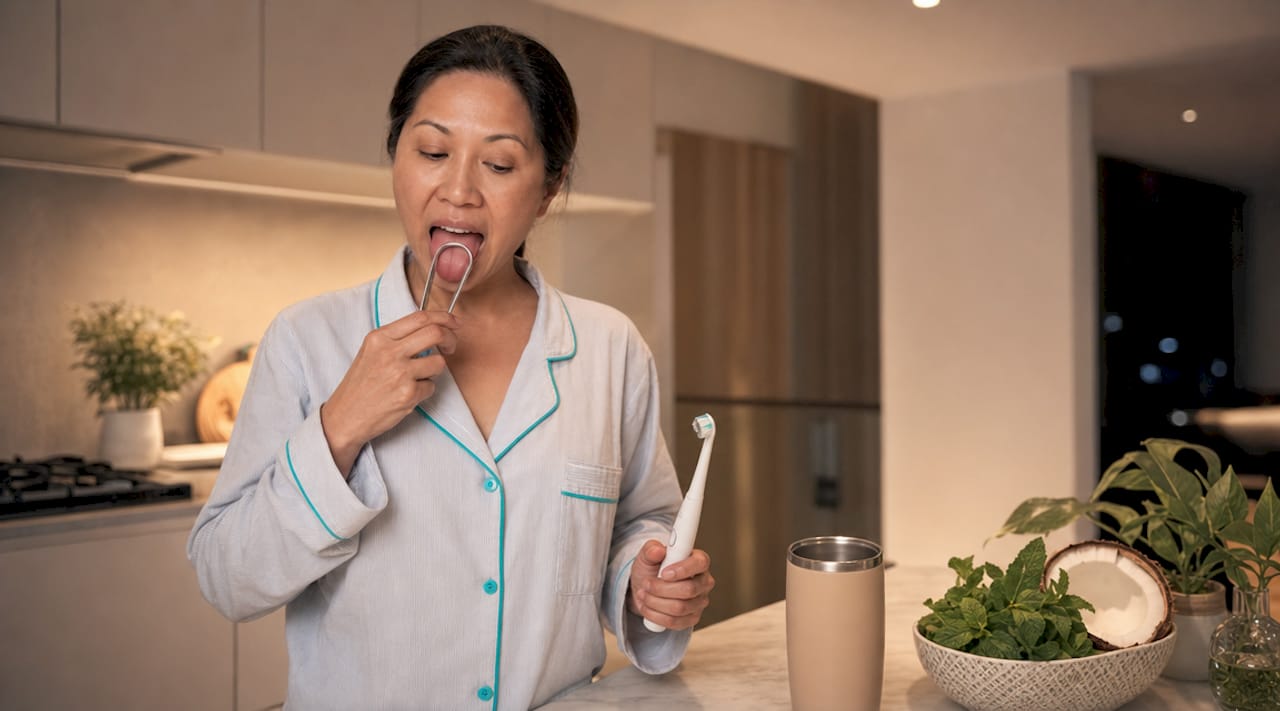
A complete night routine includes brushing, flossing, and tongue cleaning before bed. Tongue cleaning removes the dense bacterial biofilm on the tongue’s surface that standard brushing misses entirely. An electric toothbrush like those from Oral-B or Philips Sonicare delivers more consistent plaque removal than manual brushing, particularly along the gumline where periodontal disease begins.

Pro Tip: Clean your tongue every night using a stainless steel or copper tongue scraper before brushing. This single addition reduces volatile sulfur compounds, the primary cause of morning breath, and lowers the bacterial load your immune system has to manage while you sleep.
2. Technique matters more than frequency
Proper brushing technique prevents enamel wear and gum damage more effectively than brushing more often or using more product. Many people scrub horizontally with too much pressure, which erodes enamel at the gumline and causes gum recession over time. Both outcomes increase systemic disease risk by exposing root surfaces to bacterial colonization.
The correct method uses small circular or gentle back-and-forth strokes at a 45-degree angle to the gumline, with light pressure. Brushing two to three times daily using this technique is the evidence-backed recommendation. More sessions without technique correction simply repeat the same damage more frequently.
Brushing three times daily may reduce risk across more than 50 systemic health conditions, including dementia and rheumatoid arthritis. That figure reflects how deeply oral hygiene frequency connects to whole-body outcomes when paired with correct form.
3. Timing your brushing protects enamel and systemic health
Waiting 30 minutes after acidic food or drink before brushing allows saliva to neutralize acids and begin remineralizing enamel. Brushing immediately after coffee, citrus, or soda physically scrubs softened enamel away. Once enamel is lost, it does not regenerate. The damage is permanent.
This timing principle applies to morning routines especially. Many people drink coffee and immediately brush, believing they are being thorough. The opposite is true. Rinse with water, wait, then brush. This simple adjustment preserves enamel integrity and reduces the bacterial surface area available for pathogen colonization.
4. The oral-systemic connection: diseases linked to poor oral health
The oral-X axis concept reframes the mouth as a persistent inflammatory hub that communicates bidirectionally with distant organs through microbial and immune pathways. This is not a metaphor. Oral bacteria like Porphyromonas gingivalis and Fusobacterium nucleatum have been detected in atherosclerotic plaques, pancreatic tissue, and brain samples from Alzheimer’s patients.
Severe periodontal disease impacts over 1 billion people globally and functions as a chronic inflammatory driver that elevates systemic cytokine levels. Elevated cytokines accelerate insulin resistance, arterial plaque formation, and neuroinflammation simultaneously. Managing gum disease is not just dental maintenance. It is metabolic and cardiovascular risk reduction.
| Systemic condition | Oral health link |
|---|---|
| Cardiovascular disease | Periodontal pathogens promote arterial inflammation and plaque formation |
| Type 2 diabetes | Bidirectional: gum disease worsens glycemic control and vice versa |
| Alzheimer’s disease | Oral bacteria detected in brain tissue; linked to neuroinflammation |
| Chronic kidney disease | Twice-daily brushing slows eGFR decline and reduces mortality risk |
| Rheumatoid arthritis | Shared inflammatory pathways between periodontal and joint tissue |
Periodontal therapy including scaling and root planing reduces systemic inflammatory markers, not just local gum scores. This confirms that treating the mouth treats the body.
5. How oral probiotics support whole body wellness
Oral probiotics modulate the microbiome by reducing pathogen colonization and systemic inflammation, with specific strains like Lactobacillus reuteri, Bifidobacterium, and Streptococcus salivarius K12 showing the strongest evidence. These strains compete directly with periodontal pathogens for adhesion sites on oral tissue, reducing the bacterial load that drives systemic inflammation.
The mechanism goes deeper than competition. Oral probiotics downregulate pro-inflammatory cytokines and reinforce mucosal barriers, reducing the systemic dissemination of inflammatory mediators. This means a healthy oral microbiome actively protects your gut, cardiovascular system, and immune response. It is not passive. It is a functional defense network.
Prebiotics like xylitol feed beneficial bacteria while starving Streptococcus mutans, the primary cavity-causing pathogen. Postbiotics, the metabolic byproducts of probiotic activity, further stabilize the oral environment by lowering pH volatility. Together, these three categories form a microbiome support system that extends well beyond the mouth.
Pro Tip: Take oral probiotic lozenges at night after brushing, not with meals. This maximizes contact time with oral tissue and gives beneficial strains the best chance to colonize before morning saliva flow dilutes the dose.
6. Natural oral care vs. conventional products: what the evidence shows
The shift toward natural oral care products is not purely aesthetic. Nano hydroxyapatite, the mineral that makes up 97% of tooth enamel, repairs microfractures and remineralizes surfaces without the neurotoxicity concerns associated with high-dose fluoride. Clinical studies show nano hydroxyapatite performs comparably to fluoride for cavity prevention in adults with healthy kidneys and no fluoride deficiency.
| Method | Systemic health relevance | Key consideration |
|---|---|---|
| Fluoride toothpaste | Established cavity prevention | Excess intake linked to systemic concerns |
| Nano hydroxyapatite toothpaste | Enamel repair without fluoride | Effective alternative for health-conscious users |
| Oil pulling | Reduces oral bacterial load | Adjunct therapy, not a replacement for brushing |
| Natural mouthwash (xylitol/nHa) | Supports microbiome balance | Alcohol-free formulas preserve beneficial bacteria |
| Conventional antiseptic mouthwash | Kills pathogens short-term | Disrupts microbiome with long-term daily use |
Oil pulling with coconut oil or MCT oil reduces Streptococcus mutans counts and gingival inflammation when used consistently. The role of medium chain triglycerides in oral care is particularly relevant here. MCTs have demonstrated antimicrobial activity against oral pathogens without disrupting the broader microbiome balance that beneficial strains depend on.
7. Lifestyle factors that amplify oral and systemic health outcomes
Diet, hydration, stress, and sleep all directly influence oral pH, saliva quality, and the composition of your oral microbiome. Frequent consumption of sugary or acidic foods keeps oral pH below 5.5, the threshold at which enamel begins to dissolve. Every acid exposure event lasts roughly 20 to 40 minutes. Three sugary snacks spread across the day create nearly two hours of active enamel erosion.
Hydration is the most underrated oral health variable. Saliva is 99% water. Chronic mild dehydration reduces saliva volume and flow rate, which accelerates bacterial growth, raises oral acidity, and reduces the natural remineralization that happens between meals. Eight glasses of water daily is not just a cardiovascular recommendation. It is an oral health one.
Smoking, chronic stress, and obesity each independently elevate systemic inflammatory markers and worsen periodontal disease outcomes. Stress raises cortisol, which suppresses immune surveillance in gingival tissue and allows pathogenic bacteria to establish deeper pockets. Addressing these lifestyle factors is not optional for anyone serious about the connection between mouth and body as a systemic health strategy.
- Limit acidic or sugary food to mealtimes rather than snacking throughout the day
- Drink water after every meal to restore oral pH before your next brushing window
- Manage stress through sleep, exercise, or mindfulness practices to reduce cortisol-driven gum inflammation
- Avoid smoking entirely, as it masks gum bleeding and accelerates bone loss around teeth
Key takeaways
Oral health is a direct determinant of systemic health, and consistent, technique-focused natural oral care is the most accessible intervention available to reduce chronic disease risk.
| Point | Details |
|---|---|
| Night routine is non-negotiable | Saliva drops during sleep, making bedtime brushing and flossing the most protective session of the day. |
| Technique beats frequency | Correct brushing angle and pressure prevent enamel damage better than brushing more often. |
| Gum disease drives systemic disease | Periodontitis is linked to cardiovascular disease, diabetes, Alzheimer’s, and kidney disease through shared inflammatory pathways. |
| Probiotics extend oral benefits systemically | Strains like Streptococcus salivarius K12 reduce cytokine levels and reinforce mucosal barriers beyond the mouth. |
| Natural alternatives are evidence-backed | Nano hydroxyapatite and xylitol provide enamel support and microbiome balance without the drawbacks of conventional ingredients. |
Why I think most people are treating oral care as cosmetic when it is clinical
I have spent years reading the research on oral-systemic health, and the gap between what the science shows and what most people actually do is striking. People spend money on supplements for heart health, brain health, and immune support while skipping flossing three nights out of five. The evidence does not support that priority order.
The night routine is the single most overlooked intervention in preventive health. Not a new supplement. Not a detox protocol. Brushing and flossing before bed, consistently, with correct technique. That is where the systemic benefit lives. The research on brushing frequency and systemic outcomes is not ambiguous. It is direct.
I also think the probiotic angle is where the next decade of oral health research will land. Restoring microbial balance rather than sterilizing the mouth is a fundamentally different philosophy, and it aligns with what we know about gut health. The mouth is the beginning of the gut. Treating it as a separate system was always the wrong frame.
If you are building a natural oral care routine, start with technique and timing. Then layer in nano hydroxyapatite, xylitol, and oral probiotics. Do not buy ten products and use them inconsistently. Buy three and use them every night without exception. That consistency is what the data actually rewards.
— Viktor
Build your natural oral care routine with Selfwisebrand
If the research in this article has you rethinking your current routine, Selfwisebrand makes the transition straightforward. Every product is formulated without harsh chemicals, using ingredients like nano hydroxyapatite and xylitol that support enamel health and microbiome balance simultaneously.
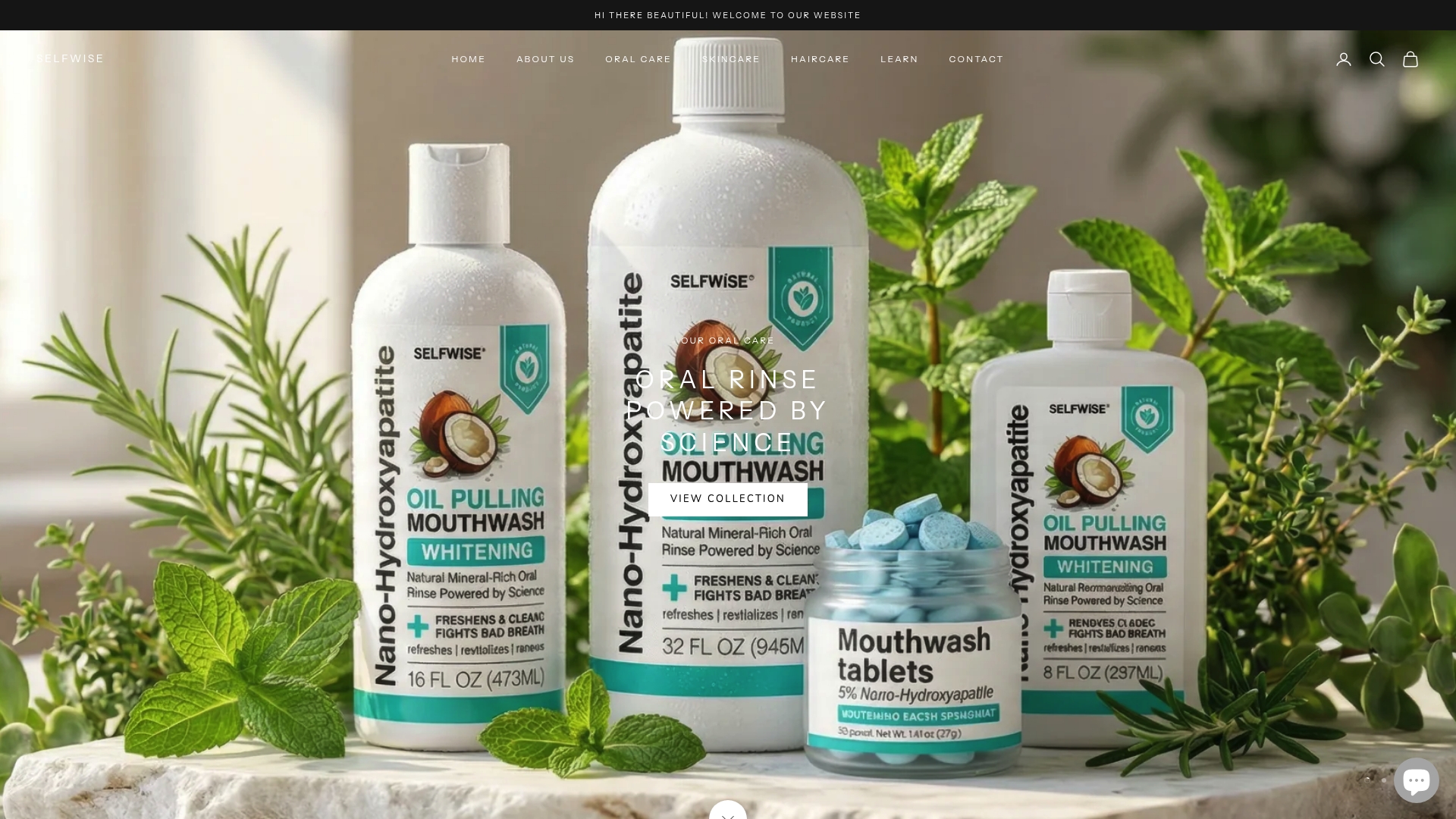
Start with the nano hydroxyapatite mouthwash tablets for a fluoride-free enamel support option that fits any routine. If oil pulling interests you, the nano hydroxyapatite oil pulling mouthwash combines traditional practice with modern remineralizing science. Browse the full fluoride-free collection to find products that match your health goals. Simple ingredients. Real results.
FAQ
What are whole body oral health benefits?
Whole body oral health benefits refer to the systemic health improvements that result from maintaining a healthy mouth, including reduced risk of cardiovascular disease, diabetes, Alzheimer’s, and chronic kidney disease. The mechanism is primarily inflammatory: controlling oral pathogens reduces systemic cytokine levels that drive chronic disease.
How does gum disease affect the rest of the body?
Periodontal pathogens enter the bloodstream through inflamed gum tissue and trigger immune responses in distant organs, including the heart, brain, and kidneys. Meta-analytic risk estimates for systemic outcomes associated with periodontal disease range from 1.2 to 2.5 across major conditions.
Is nano hydroxyapatite better than fluoride for systemic health?
Nano hydroxyapatite remineralizes enamel comparably to fluoride without the systemic accumulation concerns associated with high fluoride intake. For health-conscious adults, it is a well-supported alternative that addresses enamel repair while aligning with a natural oral care philosophy.
Can oral probiotics actually improve systemic health?
Yes. Specific strains like Lactobacillus reuteri and Streptococcus salivarius K12 reduce pro-inflammatory cytokines and reinforce mucosal barriers, limiting the systemic spread of oral inflammatory mediators. The evidence is strongest when probiotics are used consistently as part of a complete oral care routine.
How often should you brush for maximum systemic benefit?
Brushing two to three times daily using correct technique is the evidence-backed recommendation for reducing systemic disease risk. Nighttime brushing is the most critical session because saliva production drops during sleep, removing the mouth’s primary natural defense against bacterial growth.