What Is Oral Dysbiosis? Causes, Signs, and Natural Fixes
What is oral dysbiosis, and why does it matter?
Oral dysbiosis is an infectious disorder defined by an imbalance or disruption in the microbial community that normally lives in your mouth. It is not simply “having bad bacteria.” The disruption involves three overlapping changes that can happen simultaneously:
- Loss of microbial diversity: fewer species overall, reducing the ecosystem’s resilience
- Depletion of beneficial microbes: protective bacteria decline, weakening natural defenses
- Expansion of pathogenic species: harmful bacteria fill the vacuum and begin damaging tissues
When these three shifts occur together, the mouth shifts from a state of eubiosis (healthy balance) to dysbiosis. The consequences range from cavities and gum disease to systemic inflammatory conditions including cardiovascular disease and diabetes. Understanding what drives this imbalance is the first step toward reversing it.
How the healthy oral microbiome actually works
Your mouth hosts a complex ecosystem of bacteria, fungi, viruses, archaea, and protozoa, with research identifying a highly diverse microbial community across different oral sites. Each site has its own microbial character.
- Tongue: dense biofilm communities, including Streptococcus salivarius, which produces bacteriocins that suppress pathogens
- Saliva: fluid medium carrying antimicrobial proteins, pH buffers, and transient microbes between sites
- Gingival sulcus (gum line): anaerobic niche where periodontal pathogens can establish if balance tips
- Tooth surfaces: biofilm (plaque) communities that, when healthy, are dominated by non-acidogenic species
In a balanced state, these communities maintain what researchers call eubiosis. Beneficial microbes crowd out pathogens, regulate local immune responses, and participate in the nitrate-nitrite-nitric oxide pathway that supports vascular health. The table below summarizes key microbial players and their protective roles.
| Microorganism | Location | Protective function |
|---|---|---|
| Streptococcus salivarius | Tongue, saliva | Produces bacteriocins; suppresses pathogens |
| Streptococcus sanguinis | Tooth surfaces | Produces hydrogen peroxide; inhibits S. mutans |
| Veillonella spp. | Saliva, tongue | Metabolizes lactic acid; reduces acidity |
| Lactobacillus spp. | Saliva | Competes with cariogenic bacteria; supports pH |
| Rothia spp. | Oral mucosa | Reduces nitrate; supports nitric oxide production |
Saliva is the unsung regulator here. It buffers pH, delivers antimicrobial proteins like lysozyme and lactoferrin, and physically flushes microbes. Reduced salivary flow, whether from medication side effects or conditions like Sjögren’s syndrome, disrupts oral microbiota homeostasis and is a recognized driver of dysbiosis.
What causes oral dysbiosis?
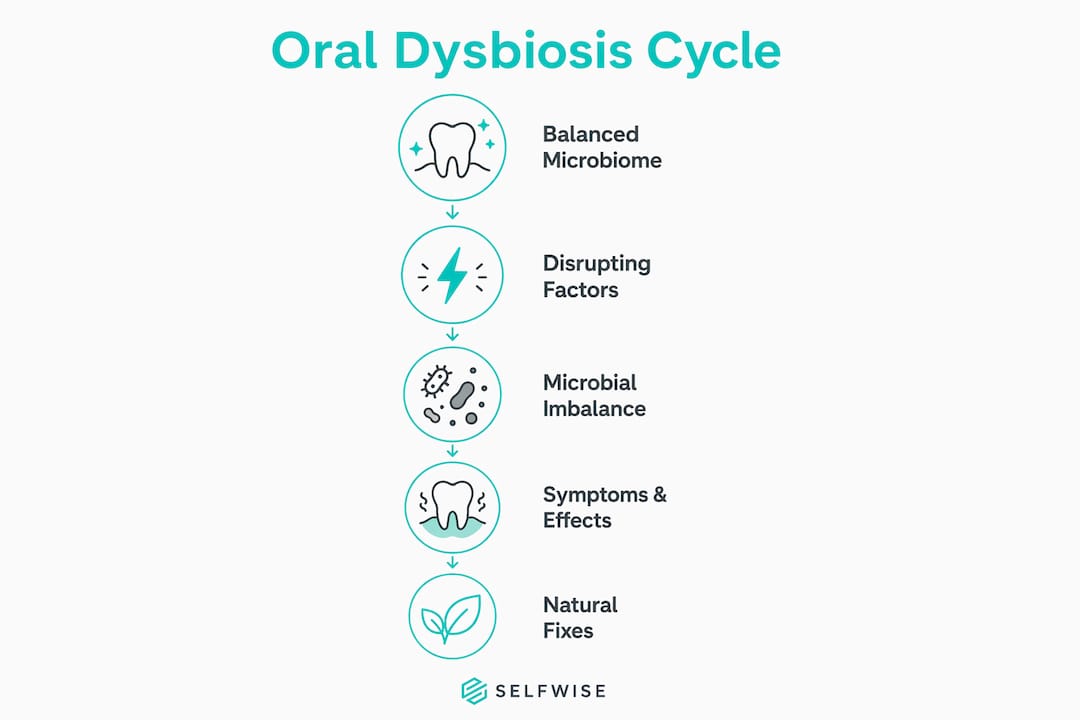
Oral microbiome imbalance rarely has a single cause. It usually results from several factors compounding over time.
- Poor oral hygiene: irregular brushing and flossing allow pathogenic biofilm to accumulate unchecked
- High sugar and refined carbohydrate intake: feeds acidogenic bacteria like Streptococcus mutans, lowering pH and selecting for acid-tolerant pathogens
- Antibiotic use: broad-spectrum antibiotics wipe out beneficial species alongside pathogens, leaving ecological gaps that opportunists fill
- Harsh antimicrobial mouthwashes: alcohol-based or chlorhexidine rinses used indiscriminately kill beneficial bacteria alongside harmful ones, disrupting the protective layer
- Tobacco and alcohol: both alter microbial composition and reduce saliva quality
- Dry mouth (xerostomia): reduced saliva removes a key pH buffer and antimicrobial shield
- Systemic medications: antidepressants, antihistamines, and blood pressure drugs commonly reduce salivary flow as a side effect
- Mouth breathing: bypasses nasal filtration and dries oral tissues, shifting microbial conditions
- Immune suppression: conditions or medications that lower immune function allow opportunistic pathogens to proliferate
The common thread is that anything disrupting the ecological balance, whether by removing beneficial species, feeding harmful ones, or reducing saliva, can tip the mouth from eubiosis into dysbiosis.
Pro Tip: If you use an antimicrobial mouthwash daily, consider switching to a microbiome-friendly rinse. Chlorhexidine and alcohol-based formulas are effective for short-term infection control but were not designed for daily long-term use. Preserving your beneficial bacteria matters more than sterilizing your mouth.

Health effects linked to oral microbiome imbalance
Oral dysbiosis causes damage locally first, then systemically. The local effects are well established.
- Dental caries: acidogenic bacteria disrupt the enamel-protective alkaline pH, enabling acid-producing species to demineralize tooth structure
- Periodontal disease: gum inflammation driven by microbial imbalance rather than poor hygiene alone can progress even in people who brush and floss diligently
- Halitosis: sulfur-producing pathogenic bacteria generate volatile compounds that no amount of brushing fully eliminates
- Oral candidiasis: Candida albicans overgrowth, typically held in check by bacterial competition, flourishes when bacterial diversity drops
The systemic picture is where oral dysbiosis becomes genuinely alarming. Pathogenic bacteria can enter the bloodstream through inflamed gum tissue, triggering inflammatory responses far from the mouth. Emerging research links oral microbial imbalance to cardiovascular disease, diabetes, Alzheimer’s disease, rheumatoid arthritis, and adverse pregnancy outcomes. The oral-gut axis adds another layer: oral dysbiosis has been shown to impact gut health significantly even without direct colonization of the gut by oral microbes.
Key finding: Oral dysbiosis and periodontitis are increasingly linked to cardiovascular, gut, and brain disorders, suggesting that a decline in oral health could accelerate these conditions. Source: PMC11435118
How do you know if you have oral dysbiosis?
The signs of oral dysbiosis often persist despite a consistent hygiene routine, which is what separates them from ordinary dental neglect. Common signs of oral dysbiosis include:
- Persistent bad breath after brushing: chronic halitosis after brushing points to sulfur-producing pathogens dominating the microbiome, not just food residue
- Bleeding gums: gums that bleed with gentle brushing or flossing signal active inflammation from pathogenic bacterial activity
- Tooth sensitivity: enamel erosion from acid-producing bacteria exposes dentin, causing sensitivity to temperature and sweets
- Mouth ulcers that recur: repeated canker sores or ulcers can reflect immune dysregulation tied to microbial imbalance
- Dry mouth: reduced saliva both causes and worsens dysbiosis, creating a feedback loop
- Frequent cavities despite good hygiene: new decay in someone who brushes and flosses regularly suggests cariogenic bacteria have taken hold at the microbiome level
- Gum disease that does not respond to cleaning: progressive periodontitis unresponsive to mechanical cleaning may indicate underlying microbial dysbiosis rather than inadequate technique
If several of these symptoms appear together, the issue is likely microbial, not mechanical. That distinction changes the treatment approach entirely.
How to manage and restore a healthy oral microbiome
Restoring oral microbiome health after dysbiosis takes time. Recovery after a course of antibiotics typically requires time, and measurable improvements from probiotics and xylitol use can appear after consistent use. The most effective approach combines three strategies.
- Cut processed sugars and refined carbohydrates. Acidogenic bacteria thrive on fermentable sugars. Reducing dietary sugar starves the pathogens without harming beneficial species.
- Replace harsh antimicrobial rinses with microbiome-friendly alternatives. Alcohol-free, low-toxicity rinses, including those with nano hydroxyapatite or xylitol, support enamel and inhibit pathogens without wiping out the beneficial microbiome.
- Use oral-targeted probiotic strains. Gut probiotics often fail to colonize the mouth because the strains are not adapted to oral conditions. Look for lozenges or chewables containing strains like Lactobacillus reuteri, Lactobacillus salivarius, or Streptococcus salivarius K12, which are specifically studied for oral cavity colonization.
Beyond these three, reducing mouth breathing, staying well hydrated, and managing dry mouth all support saliva’s natural buffering role. A natural oral care routine built around these principles gives beneficial bacteria the conditions they need to reestablish.
Pro Tip: When choosing an oral probiotic, check the label for strains specifically studied in oral health research. A general-purpose gut probiotic capsule swallowed whole delivers almost no benefit to the oral microbiome. Lozenges that dissolve slowly in the mouth allow colonization of oral surfaces where it counts.
Natural oral care practices that support microbial balance
Several natural practices directly support a healthy oral microbiome, and they work best as a coordinated daily routine rather than isolated interventions.
- Tongue scraping: the tongue’s surface is the mouth’s largest biofilm reservoir. Daily scraping with a copper tool removes pathogenic bacteria that cause halitosis and recurrent dysbiosis, setting up better outcomes from brushing and oil pulling. Duke Health researchers have also noted tongue scraping’s benefits for overall oral microbiome health.
- Oil pulling: swishing with a carrier oil like coconut or sesame oil for 10–15 minutes mechanically dislodges biofilm and reduces pathogen load without disrupting the microbiome the way alcohol-based rinses do. Selfwisebrand’s nano hydroxyapatite oil pulling mouthwash combines this mechanical action with enamel remineralization.
- Xylitol: this natural sugar alcohol inhibits Streptococcus mutans by disrupting its energy metabolism. Xylitol-containing gums, mints, or mouthwashes used after meals reduce cariogenic bacterial activity without harming beneficial species.
- Nano hydroxyapatite mouthwash: nano hydroxyapatite particles bind to enamel surfaces, filling microscopic defects and supporting remineralization. Unlike fluoride, nano hydroxyapatite works by direct physical integration into the tooth structure, and it does not alter the microbial environment.
- Avoiding alcohol-based mouthwashes: alcohol strips the oral mucosa and kills indiscriminately. Switching to an alcohol-free natural mouthwash preserves the beneficial bacteria that protect against pathogens.
Pro Tip: Start your morning routine with tongue scraping before anything else, including drinking water. The overnight biofilm on your tongue is at its densest first thing in the morning. Removing it before brushing prevents reintroducing those bacteria to your teeth and gums during the brushing process.
A thorough oral hygiene checklist that incorporates these steps can help you build consistency.

How microbial community shifts happen in the mouth
The oral microbiome does not flip from healthy to dysbiotic overnight. The shift follows a predictable ecological pattern described in research as a transition from mutualism to a pathogenic state.
Under healthy conditions, microbial communities compete for nutrients and space. Beneficial species produce antimicrobial compounds, maintain near-neutral pH, and signal the immune system to stay calibrated. When a disrupting factor appears, such as a sustained drop in pH from frequent sugar exposure, acid-tolerant species gain a competitive advantage. They outcompete pH-sensitive beneficial bacteria, and the community composition shifts. This is not random. It follows the principle of competitive exclusion: the species best adapted to the new conditions dominate.
Biofilm structure amplifies the shift. Once a dysbiotic biofilm establishes on a tooth surface or the gum line, it physically protects the pathogenic community from saliva, immune cells, and topical treatments. The biofilm’s extracellular matrix acts as a barrier, which is why mechanical disruption through brushing, flossing, and tongue scraping remains irreplaceable. No rinse alone penetrates a mature biofilm effectively.
Interspecies signaling also plays a role. Certain keystone pathogens, particularly Porphyromonas gingivalis, can manipulate the local immune response to suppress bacterial clearance, allowing the broader dysbiotic community to persist. This is why periodontitis can progress even when bacterial counts are not dramatically elevated. The quality and composition of the community matter more than the raw quantity of bacteria.
How oral dysbiosis is diagnosed
Diagnosing oral dysbiosis has moved beyond visual examination. Clinicians and researchers now use several methods to assess microbial community composition and detect imbalance before disease becomes visible.
Clinical assessment remains the starting point. Probing depth measurements, bleeding on probing, and visual signs of inflammation give a functional picture of dysbiosis’s effects. A dentist who finds progressive bone loss in a patient with good hygiene has clinical evidence of dysbiosis even without laboratory testing.
Salivary diagnostics analyze the microbial content of saliva using DNA-based sequencing. These tests can identify specific pathogenic species, assess overall diversity, and flag imbalances associated with caries risk or periodontal disease. Several commercial salivary microbiome tests are now available in the United States, though they are not yet standard in routine dental care.
Advanced microbiome testing goes further, using metagenomic sequencing to assess microbial diversity and metabolite profiles. Lab analysis of this kind can detect dysbiosis patterns before disease manifests, enabling personalized probiotic treatments tailored to the individual’s specific microbial gaps. This approach is currently more common in research settings and specialty practices than in general dentistry.
For most people, clinical signs combined with symptom history give a working diagnosis. Formal microbiome testing adds precision when symptoms are persistent or treatment responses are poor.
How to prevent oral dysbiosis before it starts
Prevention is considerably easier than restoration. The oral microbiome responds quickly to consistent daily habits, and most preventive measures cost nothing beyond time.
Maintain mechanical hygiene without overdoing antimicrobials. Brush twice daily with a soft-bristle brush, floss once daily, and scrape your tongue each morning. These mechanical steps remove biofilm without the collateral damage of broad-spectrum antimicrobial products.
Limit sugar frequency, not just quantity. Every time you consume fermentable carbohydrates, oral pH drops for roughly 20–30 minutes. Sipping sugary drinks throughout the day creates a near-continuous acid environment. Consolidating sweet foods to mealtimes gives saliva time to restore pH between exposures.
Stay hydrated. Saliva is the mouth’s primary defense. Chronic mild dehydration reduces salivary flow and removes the buffering and antimicrobial protection saliva provides. Maintaining adequate hydration is important for most adults.
Review medications with your dentist. If you take drugs known to cause dry mouth, ask about saliva substitutes, sugar-free xylitol lozenges, or timing adjustments that reduce the impact on oral moisture.
Avoid tobacco in all forms. Smoking and smokeless tobacco both alter microbial composition in ways that favor periodontal pathogens and reduce the diversity that keeps the ecosystem stable.
A natural oral care guide that integrates these preventive steps into a daily routine makes consistency far easier to maintain long-term.
Diet and lifestyle shape your oral microbiome more than you think
What you eat and how you live have a direct, measurable effect on oral microbial composition. Diet is probably the most modifiable factor of all.
Fermentable sugars are the clearest driver. Streptococcus mutans and other cariogenic species metabolize sucrose and glucose into lactic acid, dropping pH and selecting for acid-tolerant pathogens. Diets high in fiber and polyphenols, found in vegetables, fruits, green tea, and olive oil, tend to support microbial diversity. Polyphenols have prebiotic-like effects, feeding beneficial species while inhibiting certain pathogens.
Dairy products, particularly cheese and plain yogurt, raise oral pH and deliver calcium and phosphate that support enamel. Fermented foods like plain kefir and kimchi introduce beneficial bacterial strains, though their direct impact on oral colonization is less studied than their gut effects.
Lifestyle factors compound dietary ones. Chronic stress elevates cortisol, which reduces salivary IgA, an antibody that plays a direct role in controlling oral pathogens. Sleep deprivation has similar immunosuppressive effects. Regular physical activity, by contrast, supports immune function and reduces systemic inflammation, which indirectly benefits the oral environment.
The connection between oral health and gut health runs both ways. A dysbiotic oral microbiome can seed the gut with pathogens through swallowed saliva, while gut dysbiosis can alter immune signaling that affects oral microbial balance. Treating the two systems as separate is increasingly hard to justify given the evidence.
Restore your oral microbiome with Selfwisebrand
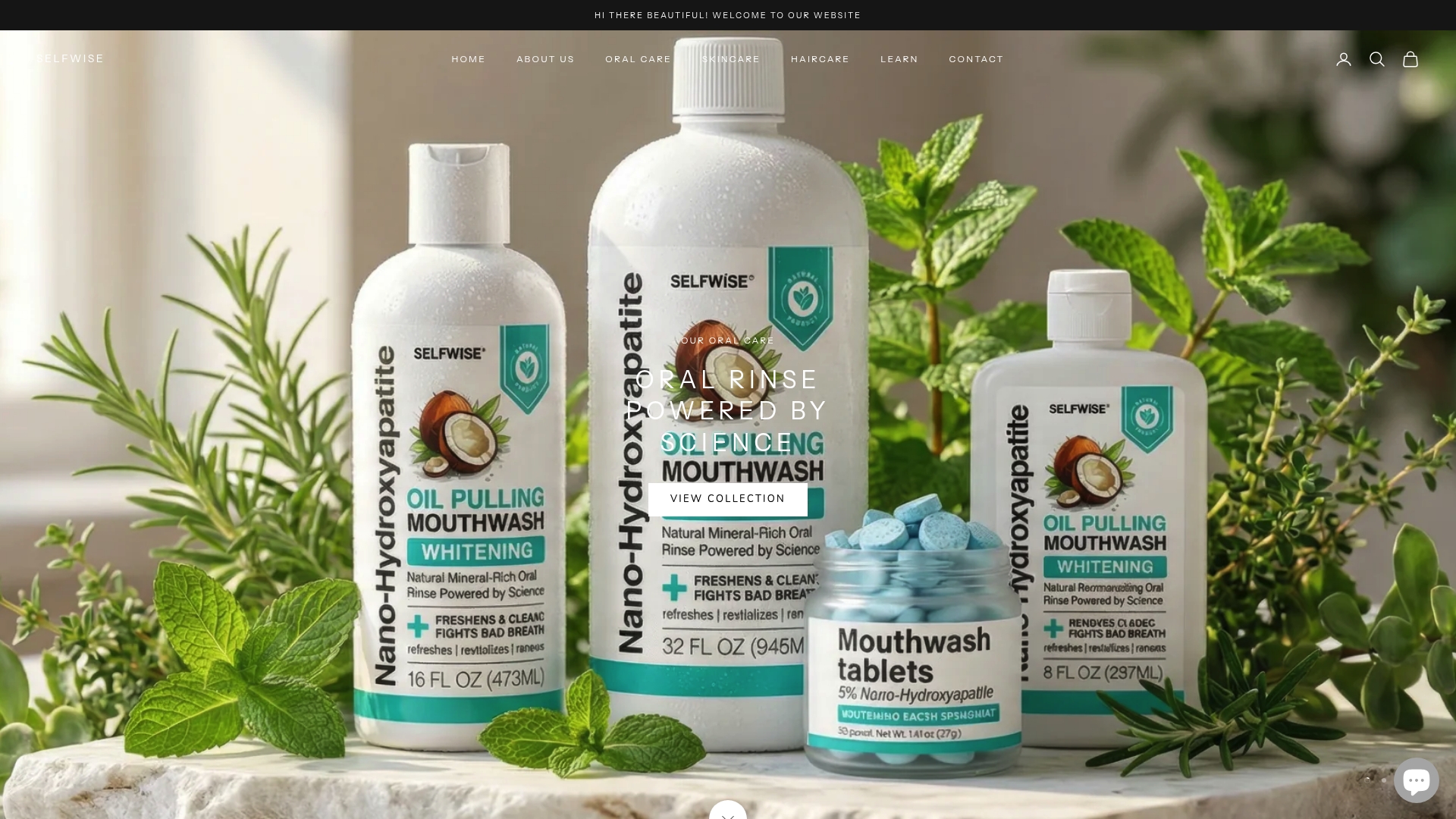
Selfwisebrand formulates natural oral care products specifically designed to support microbial balance rather than disrupt it. The nano hydroxyapatite mouthwash range, including oil pulling formulas and xylitol-based rinses, works with your oral microbiome instead of against it. No alcohol. No harsh antimicrobials. Just ingredients that remineralize enamel, inhibit cariogenic bacteria, and leave beneficial species intact.
If you are ready to build a routine that actually supports your oral microbiome, explore the full natural oral care collection at Selfwisebrand.
Key Takeaways
Oral dysbiosis is a microbial imbalance defined by three simultaneous shifts: loss of diversity, depletion of beneficial bacteria, and expansion of pathogens, with consequences reaching well beyond the mouth.
| Point | Details |
|---|---|
| Definition of oral dysbiosis | An infectious disorder involving loss of microbial diversity, depletion of beneficial bacteria, and pathogen overgrowth. |
| Systemic health risk | Pathogenic bacteria can enter the bloodstream, linking oral dysbiosis to cardiovascular disease, diabetes, and Alzheimer’s. |
| Key recovery strategies | Cutting processed sugars, switching to microbiome-friendly rinses, and using oral-targeted probiotic strains restores balance within weeks. |
| Tongue scraping matters | Daily scraping removes the biofilm reservoir on the tongue, reducing pathogen load before brushing and oil pulling. |
| Prevention over treatment | Consistent mechanical hygiene, hydration, and limiting sugar frequency prevent dysbiosis more reliably than any single product. |
FAQ
What is oral dysbiosis in simple terms?
Oral dysbiosis is when the balance of microbes in your mouth breaks down, with harmful bacteria overtaking the beneficial ones. It leads to problems like cavities, gum disease, and bad breath, and can affect your overall health.
How do I know if I have oral dysbiosis?
Persistent bad breath after brushing, bleeding gums, recurring mouth ulcers, frequent cavities despite good hygiene, and gum disease that does not respond to cleaning are all signs of oral dysbiosis. If several of these occur together, a microbial imbalance is the likely cause.
How do you fix oral dysbiosis?
The most effective approach combines three steps: eliminating processed sugars, replacing harsh antimicrobial mouthwashes with microbiome-friendly rinses, and using oral-targeted probiotic strains like Streptococcus salivarius K12. Measurable improvements typically appear within weeks of consistent use.
Can oral dysbiosis affect the rest of my body?
Yes. Oral microbial imbalance has been linked to cardiovascular disease, diabetes, Alzheimer’s disease, and gastrointestinal disorders, as pathogenic bacteria and inflammatory signals can travel from the mouth into the bloodstream and gut.
How long does it take to restore oral microbiome balance?
Recovery after antibiotic use or active dysbiosis typically takes several weeks. Using probiotics and xylitol consistently, alongside dietary changes, produces measurable microbiome improvements within a few weeks for most people.