Reduce Oral Bacteria Naturally: Your 2026 Holistic Guide
The most effective way to reduce oral bacteria naturally combines herbal antimicrobials, smart dietary choices, and consistent hygiene practices that work together to keep your oral microbiome balanced. You don’t need harsh chemicals to get there. Here’s what the research actually supports:
- Xylitol (5g+ daily via chewing gum) delivers up to 10-fold reductions in harmful mutans streptococci
- Neem and clove extracts carry clinically documented antimicrobial activity against key oral pathogens
- Salvadora persica (Miswak) and Teucrium polium herbal rinses show statistically significant bacterial reductions comparable to chlorhexidine, without the side effects
- Coconut oil pulling lowers total salivary bacterial counts, though it works best as an adjunct to brushing and flossing
- Nano hydroxyapatite blocks bacterial adhesion and supports enamel remineralization simultaneously
- Diet and hydration shape your oral microbiome more than most people realize, with vegetables and fiber actively favoring health-promoting bacteria
Table of Contents
- What oral bacteria actually do to your mouth
- Natural antimicrobial methods that reduce oral bacteria effectively
- Oral hygiene practices that amplify natural bacterial control
- How diet shapes your oral bacteria
- Herbal remedies and supplements with real antimicrobial evidence
- Selfwisebrand’s natural mouthwash line does the heavy lifting for you
- FAQ
- Key Takeaways
What oral bacteria actually do to your mouth
Your mouth hosts over 700 bacterial species. Most of them are harmless or actively helpful. The trouble starts when the balance tips toward acidogenic pathogens like Streptococcus mutans, which metabolize sugars into acids that erode enamel, or Porphyromonas gingivalis, which drives gum inflammation.
This shift from balance to dysbiosis doesn’t happen randomly:
- Saliva is your mouth’s built-in defense system. It buffers acid, washes away food debris, and delivers antimicrobial proteins like lysozyme and lactoferrin. When saliva flow drops, bacterial overgrowth follows.
- Smoking disrupts the oral microenvironment and suppresses local immunity, creating conditions where periodontal pathogens thrive.
- Chronic stress raises cortisol, which blunts immune responses and can tip the microbiome toward dysbiosis.
- Diet is a major ecological driver. A nationally representative U.S. study found that dietary intake explained 3.6% of the variance in oral microbial community structure, comparable to the effect of oral disease status or smoking.
Understanding this balance is what makes natural approaches so logical. You’re not trying to sterilize your mouth. You’re trying to keep the right bacteria in charge.
Natural antimicrobial methods that reduce oral bacteria effectively
Several natural agents have genuine clinical backing, not just tradition.
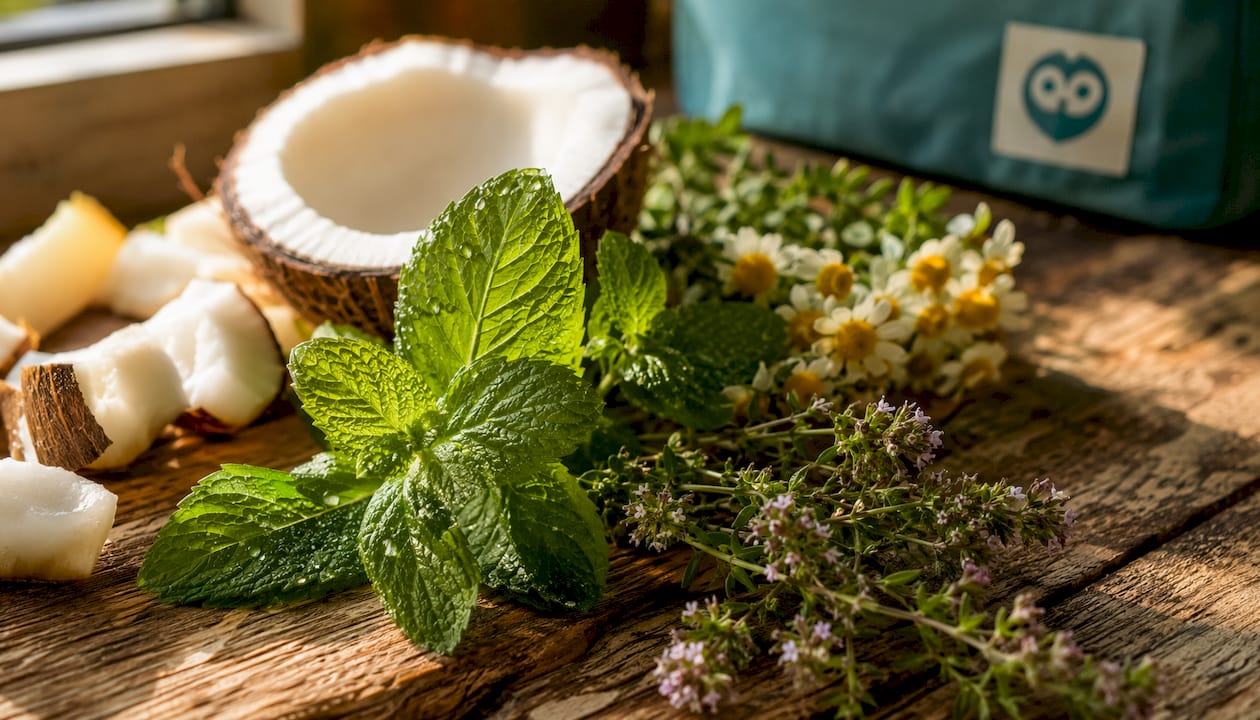
- Neem (Azadirachta indica): Contains nimbidin and other compounds that inhibit S. mutans adhesion and reduce plaque biofilm formation.
- Clove (Syzygium aromaticum): Eugenol, clove’s active compound, has well-documented antibacterial and anti-inflammatory effects against oral pathogens.
- Salvadora persica (Miswak): Used for centuries as a natural toothbrush, its extracts show significant reductions in salivary bacteria including S. mutans, with results rivaling chlorhexidine.
- Coconut oil: About 50% lauric acid, which disrupts bacterial cell membranes. Clinical studies confirm it can reduce salivary bacterial counts and inhibit plaque as an adjunctive measure.
- Xylitol: Starves S. mutans by substituting for fermentable sugars the bacteria can’t metabolize. At 5g or more daily, systematic reviews report clinically significant caries prevention.
- Nano hydroxyapatite: Rather than killing bacteria directly, it forms a protective layer on enamel that blocks bacterial adhesion and maintains a stable, non-acidic oral environment. Its multifunctional role in remineralization and plaque inhibition makes it one of the most versatile natural oral care ingredients available.
For a deeper look at how these ingredients work together, the natural antibacterial oral ingredients guide from Selfwisebrand breaks down the mechanisms clearly.
Pro Tip: Don’t try to use every ingredient at once. Pick one or two to add to your existing routine, give them four to six weeks, and assess. Xylitol gum after meals and a nano hydroxyapatite rinse at night is a practical, research-supported starting point.
Oral hygiene practices that amplify natural bacterial control
Natural antimicrobials work best when your mechanical hygiene is already solid. Think of them as multipliers, not substitutes.
- Brushing with natural toothpaste alternatives: Products containing nano hydroxyapatite or xylitol address bacterial load while supporting remineralization. The nano hydroxyapatite benefits are well-documented for both enamel repair and anti-adhesive protection.
- Daily flossing: Interdental spaces are where biofilm accumulates undisturbed. No rinse or oil reaches those surfaces the way floss does.
- Tongue scraping: The tongue’s surface harbors a significant portion of the mouth’s total bacterial load, particularly volatile sulfur compound producers linked to bad breath. Scraping daily reduces that reservoir.
- Oil pulling: Swishing a tablespoon of coconut or sesame oil for 15–20 minutes in the morning, before eating or brushing, is the standard protocol. A meta-analysis of nine randomized controlled trials found oil pulling significantly reduces total salivary bacterial colony counts (mean difference: 17.55). Plaque and gingival index scores showed no significant change, which is why oil pulling works as an adjunct to mechanical cleaning, not a replacement for it.
For a practical morning protocol, the oil pulling morning routine guide covers timing and technique in detail.
How diet shapes your oral bacteria
What you eat is essentially what you feed your oral microbiome. The bacteria that dominate your mouth reflect your dietary patterns more directly than most people expect.
- Sugar and refined carbohydrates are the primary fuel for S. mutans and other acidogenic bacteria. Frequent sugar exposure keeps oral pH low and acidogenic species competitive.
- Vegetables and fiber-rich foods actively shift the microbiome toward health-promoting species. A large dietary study found that plant-rich dietary patterns favor nitrate-reducing commensals like Neisseria and Haemophilus, which are associated with oral health rather than disease.
- Hydration: Water intake supports saliva flow, which is your mouth’s primary natural antibacterial mechanism. Even mild dehydration reduces saliva production and allows bacterial counts to climb.
- Probiotics: Strains like Lactobacillus reuteri and Bifidobacterium show promise in lowering cariogenic bacterial loads, but clinical evidence remains preliminary. High study heterogeneity means routine recommendations aren’t yet supported. Worth watching, not yet a cornerstone.
Crunchy raw vegetables like carrots and celery also mechanically stimulate saliva production while their fiber content scrubs tooth surfaces. That’s a two-for-one most supplements can’t match.
Herbal remedies and supplements with real antimicrobial evidence
Research spotlight: A meta-analysis of herbal mouthrinses found that Salvadora persica and Teucrium polium formulations reduced salivary Streptococcus mutans counts with statistical significance (p < 0.0001), performing comparably to chlorhexidine without its associated side effects like staining or taste disruption.
Beyond Miswak and clove, a few other herbal agents deserve attention:
- Sesame oil: Contains lignans (sesamin, sesamolin, sesaminol) with powerful antioxidant capacity. These compounds enhance the action of vitamins E and C, contributing to the oil’s antimicrobial and anti-inflammatory profile during oil pulling.
- Coconut oil’s lauric acid: Disrupts bacterial cell membranes through saponification and emulsification, creating a physical barrier against plaque aggregation on tooth surfaces.
- Nano hydroxyapatite in mouthwash form: A PubMed-indexed study on a nanoHAP-based mouthwash demonstrated strong antimicrobial activity against S. aureus and C. albicans, significant biofilm disruption within one hour, and superior antioxidant activity compared to a fluoride-based comparator. For patients with dental implants, the antibiofilm effect on titanium and zirconia surfaces was particularly notable.
The partner product Nusmile Enamel Care Kit combines nano hydroxyapatite with enamel-protective ingredients, offering a practical option for those building a natural oral care stack.
Selfwisebrand’s natural mouthwash line does the heavy lifting for you
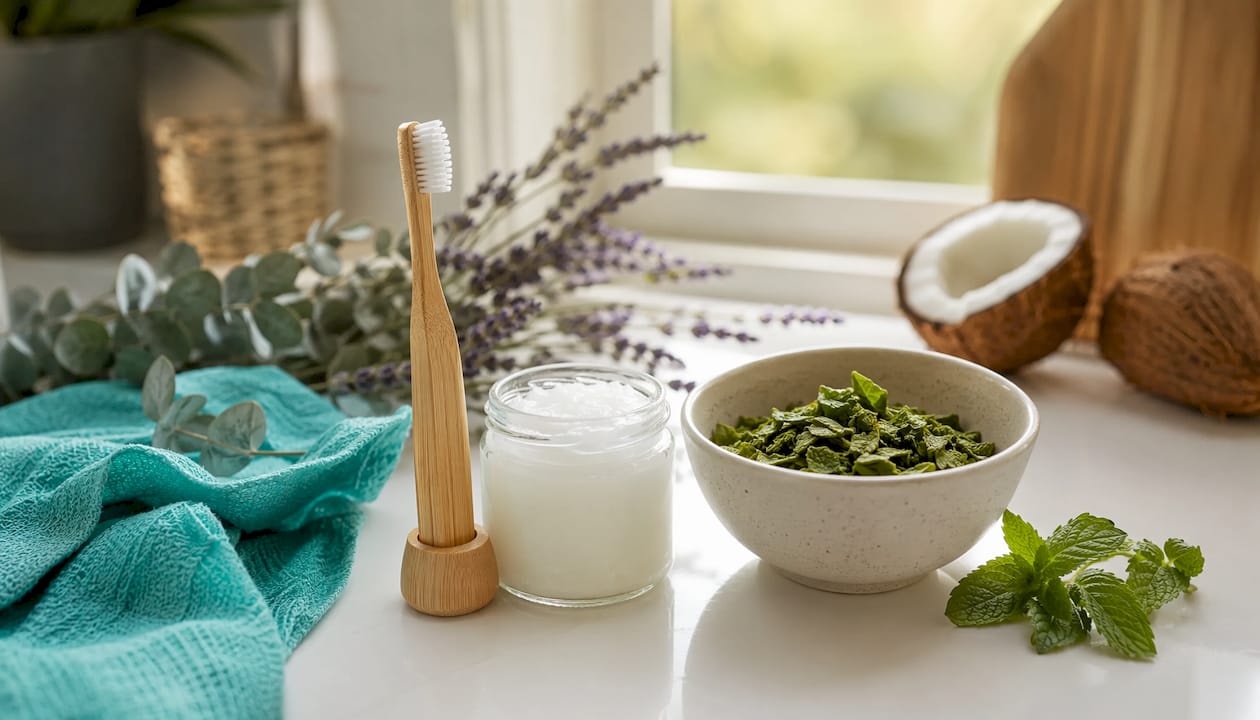
If you’ve read this far, you know the ingredients that matter: nano hydroxyapatite, xylitol, and natural antimicrobial agents that work without harsh chemicals. Selfwisebrand formulates all of them into ready-to-use products built specifically for health-conscious people who want a clean, effective routine without the guesswork of DIY blending.
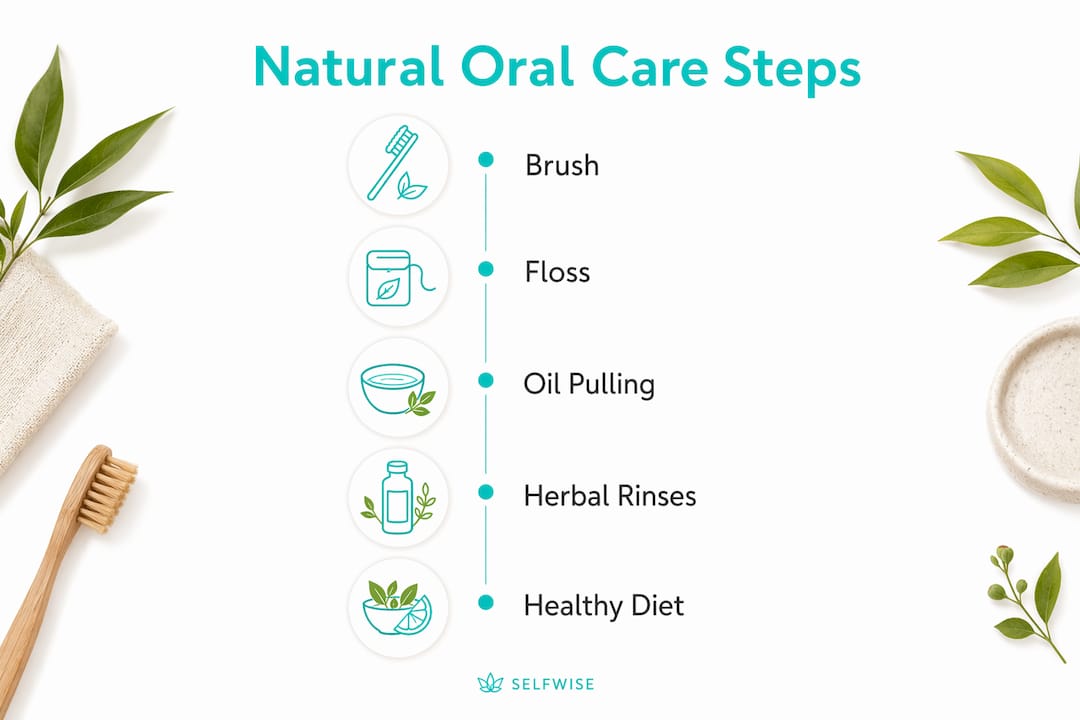
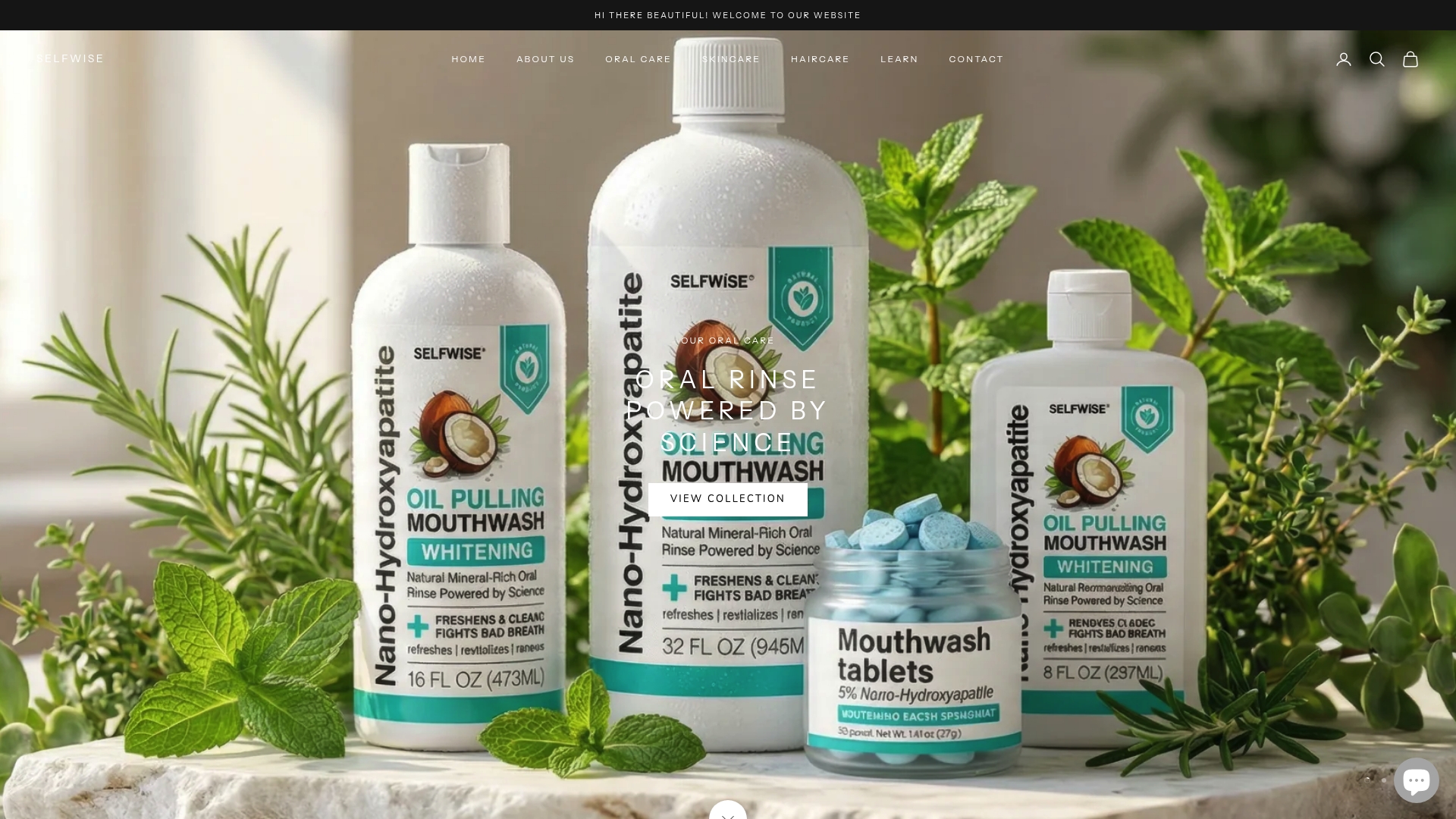
The xylitol mouthwash with nano hydroxyapatite combines both key actives in one rinse, targeting bacterial adhesion and S. mutans simultaneously. The nano hydroxyapatite oil pulling mouthwash brings the ancient oil pulling practice into a modern, fluoride-free format. Browse the full natural mouthwash collection to find the right fit for your routine, and start with the product that matches the gap in your current regimen.
FAQ
What kills the most bacteria in your mouth naturally?
Herbal rinses containing Salvadora persica and Teucrium polium show the strongest documented bacterial reductions, with results statistically comparable to chlorhexidine. Xylitol at 5g or more daily also delivers clinically significant reductions in S. mutans specifically.
What drink helps reduce mouth bacteria?
Plain water is the most effective drink for oral bacterial control because it supports saliva flow, which carries antimicrobial proteins and buffers acid. Green tea contains polyphenols with documented antibacterial properties against oral pathogens.
What foods reduce harmful oral bacteria?
Fiber-rich vegetables and fruits favor health-promoting bacterial species while reducing acidogenic pathogens. Raw crunchy produce also stimulates saliva production, which naturally controls bacterial balance.
How do you get rid of bacterial buildup in your mouth?
Consistent mechanical cleaning (brushing, flossing, tongue scraping) removes biofilm that no rinse can reach. Pairing that with a nano hydroxyapatite or xylitol-based mouthwash, like those from Selfwisebrand, addresses bacterial adhesion and inhibits regrowth between cleanings.
Key Takeaways
Combining herbal antimicrobials, nano hydroxyapatite, xylitol, and consistent mechanical hygiene is the most evidence-backed approach to reducing harmful oral bacteria without harsh chemicals.
| Point | Details |
|---|---|
| Xylitol starves harmful bacteria | At 5g+ daily via chewing gum, xylitol delivers up to 10-fold reductions in mutans streptococci. |
| Oil pulling reduces bacterial load | A meta-analysis of nine randomized controlled trials found oil pulling significantly reduces total salivary bacterial colony counts (mean difference: 17.55). Plaque and gingival index scores showed no significant change, which is why oil pulling works best as an adjunct to brushing. |
| Herbal rinses rival chlorhexidine | Salvadora persica and Teucrium polium mouthrinses reduced S. mutans significantly (p < 0.0001) without side effects. |
| Diet shapes your microbiome | Plant-rich dietary patterns favor nitrate-reducing commensals; added sugars do the opposite. |
| Selfwisebrand combines key actives | The xylitol and nano hydroxyapatite mouthwash line delivers both bacterial inhibition and enamel remineralization in one step. |