Remove tea stains from teeth naturally: Step-by-step guide
You brush twice a day, floss regularly, and still notice that yellowish film creeping across your front teeth. Tea is the culprit, and if you’ve been reaching for harsh whitening strips or chemical-laden treatments to fix it, you’re not alone. The good news is that natural, chemical-free methods can genuinely tackle surface tea stains without putting your enamel or your health at risk. This guide walks you through exactly what you need, how to do it safely, and how to keep those results lasting.
Table of Contents
- What causes tea stains and why natural removal matters
- What you need for natural tea stain removal
- Step-by-step: Safely removing tea stains with natural methods
- Protect your results: Prevention and smart habits
- When to see a dentist: Limits of at-home and natural methods
- The honest truth about natural tea stain removal: What works, what doesn’t
- Explore natural oral care solutions for ongoing stain prevention
- Frequently asked questions
Key Takeaways
| Point | Details |
|---|---|
| Surface stains respond best | Natural methods work on extrinsic tea stains but not deep, intrinsic discoloration. |
| Baking soda is top method | A baking soda paste used 2-3 times per week gently polishes away tea stains without harsh chemicals. |
| Oil pulling supports oral health | Coconut oil pulling can reduce plaque and improve gum health but offers minimal direct whitening. |
| Prevention is key | Rinsing after tea, using a straw, and eating crunchy fruits help minimize new stains. |
| Consult dentist for stubborn stains | If stains persist after several weeks, seek professional treatment to protect your enamel. |
What causes tea stains and why natural removal matters
Before tackling the removal steps, it helps to understand what you’re up against and why gentle solutions are key.
Tea contains a group of plant compounds called tannins. These molecules are naturally sticky, and tannins bind to tooth enamel with surprising tenacity, creating the stubborn brownish stains that regular brushing struggles to shift. The longer you drink tea without rinsing, the deeper tannins settle into the microscopic grooves of your enamel surface.
There are two types of tooth stains worth knowing about:
- Extrinsic stains sit on the outer surface of enamel. These are the ones caused by tea, coffee, and food. They’re the good news because they respond well to home treatment.
- Intrinsic stains form inside the tooth structure itself, often from medications, trauma, or fluorosis. As natural methods for surface stains confirm, at-home remedies only work on extrinsic staining. Deeper intrinsic stains require professional treatment.
Understanding this distinction saves you weeks of frustration. If stains are genuinely inside the tooth, no amount of baking soda will touch them.
Why avoid harsh chemicals? Peroxide-based whitening products can cause sensitivity, damage enamel over time, and introduce ingredients many health-conscious people would rather not use. Gentle, natural methods let you support oral health without that tradeoff.
Knowing your natural brushing techniques also matters here. Even the best natural ingredients won’t work well if your brushing method is pushing stains deeper rather than lifting them.
What you need for natural tea stain removal
Once you know why tea stains stick, gather what you’ll need to tackle them naturally and safely.
The most effective natural tools are already in most kitchens. Here’s a quick reference:
| Ingredient or tool | What it does | Safe to use? |
|---|---|---|
| Baking soda | Mild abrasive that scrubs surface stains | Yes, 2–3x per week max |
| Coconut oil | Oil pulling to reduce plaque and debris | Yes, daily |
| Crunchy fruits and veggies | Natural mechanical scrubbing | Yes, as often as you eat them |
| Soft-bristle toothbrush | Applies pastes without damaging enamel | Yes, always |
| Water (for rinsing) | Removes tannins immediately after tea | Yes, every time |
| Drinking straw | Limits tea contact with front teeth | Yes, for cold tea |
What to avoid:
- Lemon juice mixed with baking soda sounds effective but is genuinely harmful. Acidic combos like baking soda with lemon or strawberries erode enamel first, leaving your teeth more vulnerable than before.
- Vinegar is another acid that softens enamel on contact. Avoid it entirely in oral care routines.
- Hard-bristle brushes create micro-scratches in enamel that actually trap more staining compounds over time.
Optional additions worth having:
- A glass or reusable straw for iced tea
- A small bowl for mixing paste
- Milk to add to your tea, which can reduce tannin binding
Pro Tip: If you’re interested in upgrading beyond baking soda, check out natural whitening toothpaste options that use nano hydroxyapatite instead of peroxide for a gentle, science-backed approach to surface brightening.
Step-by-step: Safely removing tea stains with natural methods
With your natural tool kit ready, let’s walk through each evidence-backed method step-by-step so you can safely brighten your teeth.
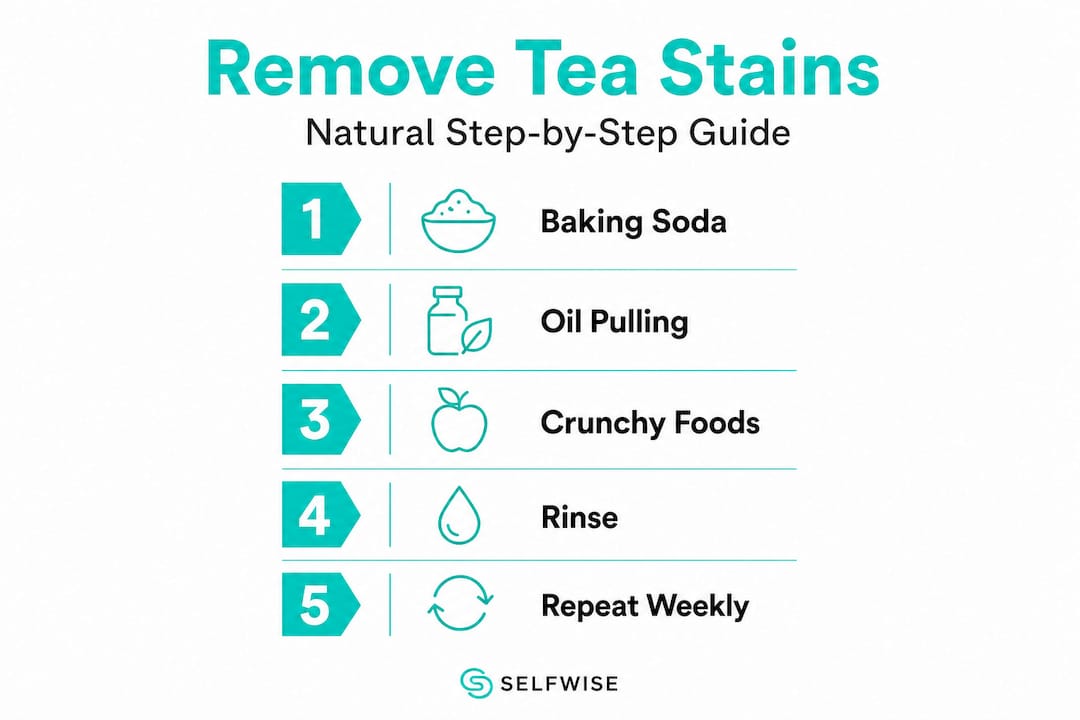
Method 1: Baking soda paste
Baking soda paste gently abrades surface tea stains from enamel without the aggressive chemical action of commercial whitening products. Here’s how to do it right:
- Mix one teaspoon of baking soda with enough water to form a thick paste. It should hold its shape on the brush without dripping.
- Apply the paste directly to a soft-bristle toothbrush.
- Brush gently in small circular motions for two minutes. Do not scrub hard. Pressure does not improve results and can scratch enamel.
- Rinse thoroughly with water until your mouth feels completely clean.
- Follow with your regular toothpaste if desired.
- Use this method no more than 2–3 times per week to avoid long-term enamel wear.
Most people notice a visible difference within 1–2 weeks of consistent use. Results are gradual and real, not dramatic or instant.
Method 2: Oil pulling
For a detailed walkthrough, the oil pulling guide from Selfwise covers timing, technique, and what to realistically expect.
Oil pulling works by swishing oil around your mouth to loosen plaque, bacteria, and debris. Oil pulling with coconut oil reduces plaque by up to 52% and can reduce gingivitis, which indirectly creates a cleaner, brighter-looking smile. Here’s the correct process:
- Take one tablespoon of organic coconut oil. If it’s solid, let it melt in your mouth before starting.
- Swish it gently around your mouth for 10–20 minutes. You don’t need to work hard at this. Gentle movement is enough.
- Spit the oil into a trash can, not the sink, as it can clog pipes when it solidifies.
- Rinse your mouth with warm water.
- Brush your teeth as normal.
Realistic expectations: Oil pulling is excellent for oral hygiene and reducing surface debris. It is not a primary whitening method and should not replace brushing. Think of it as a supportive habit that improves your baseline oral environment.
Method 3: Crunchy fruits and vegetables
This one is as simple as it sounds. Crunchy vegetables like apples, carrots, and celery act as natural scrubbers when you chew them, physically polishing stains from enamel. They also stimulate saliva production, and saliva is your mouth’s natural self-cleaning system.

Eat an apple after your afternoon tea. Snack on raw carrots with lunch. These small swaps compound over time into real stain reduction with zero effort and zero risk.
| Method | Effectiveness for tea stains | Safety | Recommended frequency |
|---|---|---|---|
| Baking soda paste | Moderate to good | Safe 2–3x/week | 2–3 times per week |
| Oil pulling | Low to moderate (indirect) | Safe daily | Daily, ideally morning |
| Crunchy fruits/veggies | Low to moderate | Safe anytime | Daily with meals |
Pro Tip: Combine all three methods for a synergistic effect. Oil pulling in the morning, baking soda paste 2–3 times a week, and crunchy foods daily creates a layered approach that’s more effective than any single method alone. Explore more natural dental product tips to round out your routine.
Protect your results: Prevention and smart habits
After you’ve cleared away surface stains, keep your smile bright by building simple habits that slow new staining and protect enamel.
Prevention is significantly easier and safer than repeated stain removal. Every time you use baking soda or any abrasive, you’re asking your enamel to do a little work. Keeping stains from forming in the first place means you can use these methods less often and with better results.
Rinsing your mouth with water immediately after finishing tea removes tannins before they have a chance to bind to enamel. It takes about five seconds and makes a noticeable difference over weeks and months.
Here are the daily habits worth building:
- Rinse with water right after tea. Don’t wait until you’re near a sink. Even a quick swish helps.
- Use a straw for iced tea. This limits direct tannin contact with your front teeth, which are the most visible.
- Eat more crunchy foods. Build the apple-after-tea habit and let food do part of the cleaning work.
- Add milk to black tea. Milk proteins can bind to tannins before they reach your teeth, reducing staining potential according to food science research on preventing stains with food choices.
- Wait 30 minutes before brushing after acidic drinks. Acids temporarily soften enamel. Brushing immediately scrubs softened enamel away. Waiting gives it time to reharden.
“Prevention beats removal every time. A 5-second water rinse after tea is worth more to your enamel than three weeks of baking soda paste trying to undo months of accumulated staining.”
Pro Tip: Keep a glass of water next to your tea. The visual reminder makes the habit automatic. Browse our oral care guides for more habit-building strategies around natural dental care.
If you’ve recently done a whitening treatment of any kind, check out this guide on foods to avoid after whitening to protect your results while your enamel is most vulnerable.
When to see a dentist: Limits of at-home and natural methods
While natural methods help most people, there are times when you need expert support. Here’s how to know.
Natural approaches are genuinely effective for surface-level extrinsic stains. But they have clear limits, and respecting those limits is part of smart oral care.
Signs you should consult a dentist:
- Stains are not improving after 2–3 weeks of consistent natural treatment
- Staining is brown or gray rather than yellow, which often signals intrinsic discoloration
- You’re experiencing tooth sensitivity or pain when using abrasive pastes
- Your enamel already looks worn, thin, or translucent at the edges
- You notice staining on just one tooth rather than evenly across all teeth
As the evidence clearly states, intrinsic stains need professional care and will not respond to natural at-home methods regardless of how consistently you use them. Continuing to scrub away at a stain that has formed inside the tooth structure is not just ineffective; it can actually cause enamel wear.
The right call: If you’ve tried natural methods consistently for three weeks and see zero change, that’s useful information. It tells you the stain is likely intrinsic and that professional whitening or bonding is your next step.
Sensitive teeth deserve special attention here. If your teeth respond to cold air, cold water, or gentle pressure, avoid any abrasives until you speak to a dental professional. For ongoing support without harsh ingredients, explore natural dental products formulated for sensitivity-conscious users.
The honest truth about natural tea stain removal: What works, what doesn’t
Now that you know when to seek help, let’s get real about what you can expect from gentle, natural routines and why that’s usually best for your smile.
Here’s what we’ve seen and what the evidence actually supports: natural methods work. They’re just not dramatic. Expect 1–3 shades of improvement over several weeks of consistent effort. That’s it. Anyone promising you sparkling white teeth from baking soda and coconut oil in three days is selling you something, not helping you.
The 1–3 shade range sounds modest, but it’s genuinely visible to the people you interact with. It’s the difference between teeth that look healthy and cared-for versus teeth that look stained. And unlike chemical whitening, you’re achieving that result without compromising enamel integrity or triggering sensitivity that makes eating and drinking uncomfortable.
Oil pulling is a good example of where hype and reality diverge. We’re proud of our real oil pulling results guide because it doesn’t oversell the practice. Oil pulling is genuinely valuable for oral hygiene. It reduces plaque, supports gum health, and creates a cleaner oral environment. But it is not a whitening treatment in any meaningful standalone sense. Use it for what it actually does, not for the whitening claims circulating online.
The other honest truth is that consistency matters far more than intensity. Two minutes of gentle baking soda use three times a week, paired with daily water rinses after tea, will outperform one aggressive whitening session followed by a return to staining habits. Your teeth are with you for life. Treating them gently and consistently is always the smarter long-term strategy.
Natural oral care at its best is not a shortcut to a Hollywood smile. It’s a sustainable, health-forward approach to keeping your teeth clean, bright, and strong without the chemical burden. That’s worth a lot more than a one-week dramatic result that fades within a month.
Explore natural oral care solutions for ongoing stain prevention
If you want to support your results with clean, safe products, here’s where to start.
The techniques in this guide work best when they’re part of a broader routine that uses products you actually trust. At Selfwise, we formulate every product around simple, science-backed ingredients that support your natural oral environment without the harsh chemicals or unnecessary additives.
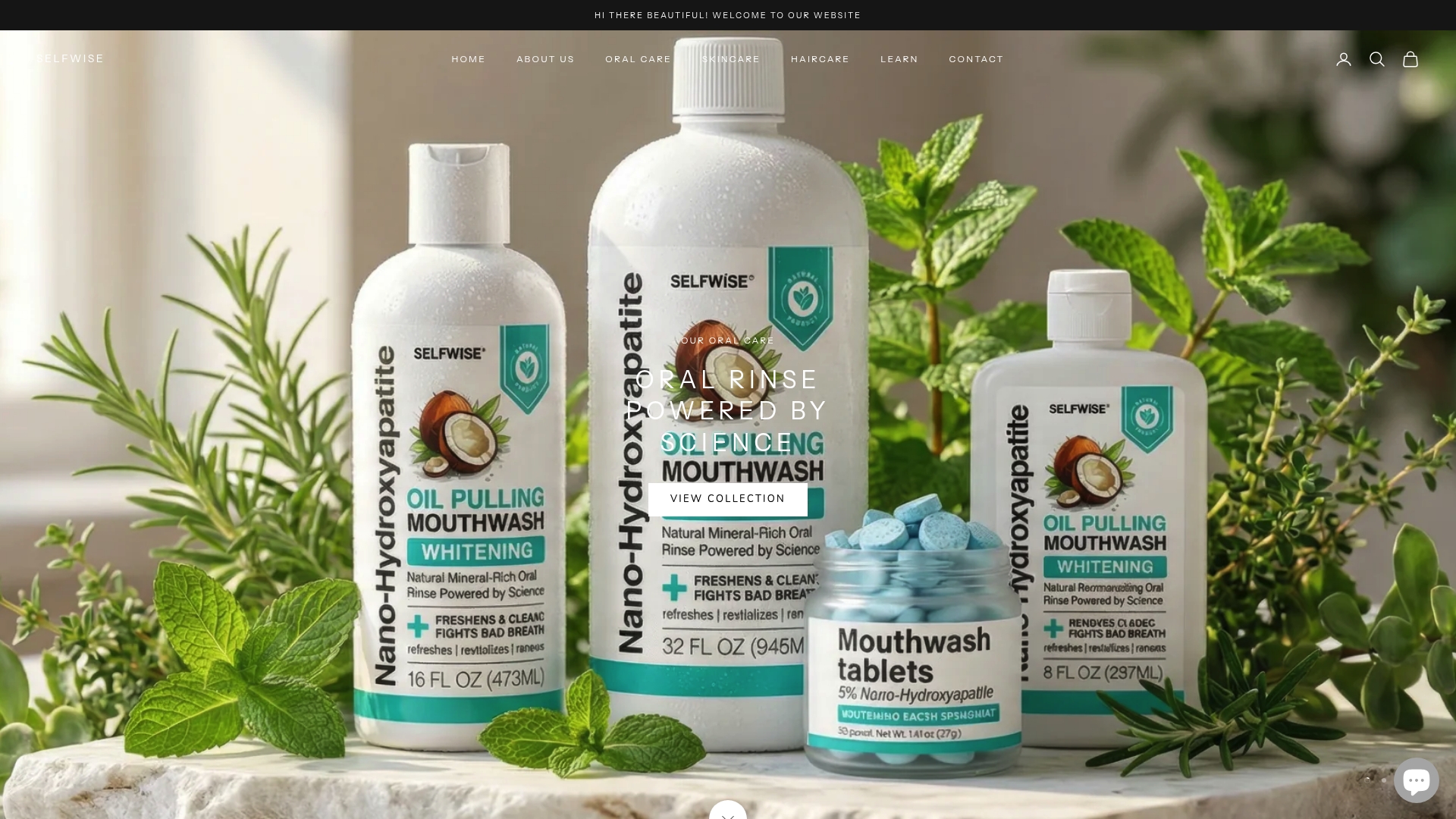
Our fluoride-free mouthwash tablets use nano hydroxyapatite and xylitol to remineralize enamel and reduce staining-friendly plaque, making them a natural complement to the methods in this guide. If you’re building a fully chemical-free oral care routine, browse our complete fluoride-free oral care collection or explore our natural mouthwash options to find products that work alongside your daily habits, not against them.
Frequently asked questions
How long does it take to remove tea stains naturally?
Most people see noticeable improvement within 2–4 weeks of consistent natural methods, with gradual brightening of up to 1–3 shades over weeks depending on original staining depth and technique.
Is baking soda safe for removing tea stains if used regularly?
Baking soda gently abrades surface stains and is safe for most people at 2–3 times per week, but avoid scrubbing hard and never mix it with acidic ingredients like lemon or strawberries that weaken enamel.
Does oil pulling really whiten teeth?
Oil pulling supports oral hygiene and plaque reduction but offers minimal direct whitening of 0–1 shades at most, with no strong evidence for significant tooth color change from oil pulling alone.
Can tea stains be removed without damaging enamel?
Yes, methods like water rinsing after tea, modest baking soda use, and eating crunchy foods like apples and carrots are enamel-safe when used correctly and without excessive pressure or acidic combinations.
What if stains don’t go away after several weeks?
If stains persist after consistent natural treatment for 3 or more weeks, you likely have intrinsic stains requiring professional whitening rather than surface staining that responds to at-home methods.