The Role of Moisture in Oral Health: What You Need to Know
Oral moisture, defined clinically as the hydration state of oral tissues maintained primarily through saliva, is the single most important factor separating a healthy mouth from one at risk for decay, infection, and tissue breakdown. Saliva does far more than keep your mouth wet. It buffers acid, kills bacteria, remineralizes enamel, and clears food debris continuously throughout the day. When that moisture balance fails, a condition called xerostomia (dry mouth) takes hold, and the consequences reach well beyond discomfort. Understanding how saliva protects teeth and what happens when it disappears gives you a clear framework for building a natural oral care routine that actually works.
How does moisture (saliva) protect teeth and gums?
Saliva is a chemically complex fluid produced by the parotid, submandibular, and sublingual glands. Its protective power comes from four coordinated mechanisms, each dependent on adequate oral moisture.
pH buffering is the most studied defense. When bacteria metabolize sugar, they produce lactic acid that drops oral pH below 5.5, the threshold at which enamel begins to dissolve. Saliva contains bicarbonate and phosphate ions that neutralize this acid within minutes. Research confirms that salivary buffer capacity is a stronger predictor of caries risk than salivary pH alone. That distinction matters because it shifts the focus from “how acidic is your mouth right now” to “how well can your mouth recover.”
Antimicrobial defense comes from proteins including lysozyme, lactoferrin, and secretory immunoglobulin A. These compounds suppress the growth of Streptococcus mutans, Candida albicans, and other pathogens that thrive when saliva flow drops. Saliva’s coordinated ion transport is what keeps this chemical defense active. Disrupt the flow and you disrupt the entire defense network simultaneously.
Remineralization is saliva’s most underappreciated function. Calcium and phosphate ions dissolved in saliva deposit back into softened enamel, reversing early decay before it becomes a cavity. This process only works when the oral environment stays adequately hydrated and the pH stays above 5.5 long enough for mineral uptake to occur.
Mechanical cleansing rounds out the picture. Saliva physically washes food particles and fermentable sugars away from tooth surfaces, reducing the substrate available to acid-producing bacteria. Chewing stimulates this flow, which is why eating a meal without drinking anything still provides meaningful oral protection.
“Saliva is not a passive lubricant. It is an active, continuously replenished chemical defense system. When it fails, every other oral health intervention becomes harder to sustain.”
What are the consequences of inadequate oral moisture?
Xerostomia is defined as decreased or absent salivary flow that lowers oral pH and creates conditions favorable to cavity-causing microbes like Streptococci and Lactobacilli. It is not simply the feeling of a dry mouth. It is a measurable shift in oral ecology with documented clinical consequences.
The condition is more common than most people realize. Consider these documented effects:
- Microbial shift. When saliva flow drops, the oral microbiome tilts toward acid-tolerant, cariogenic species. S. mutans and Lactobacillus populations expand rapidly in the low-pH, low-oxygen environment that dry mouth creates.
- Accelerated decay. Without buffering and remineralization, enamel erosion accelerates. Cavities form faster, spread deeper, and recur after treatment at higher rates.
- Restoration failures. Xerostomia correlates with worse restoration longevity and recurrent caries, though implant survival remains above 90%. The practical implication is that fillings and crowns placed in a dry mouth environment are more likely to fail prematurely.
- Halitosis and soft tissue damage. Without adequate lubrication, oral tissues crack, ulcerate, and harbor odor-causing bacteria. Difficulty speaking and swallowing follow as the mucosa loses its protective coating.
- Denture complications. Saliva acts as an adhesive layer between dentures and gum tissue. Without it, dentures shift, cause sores, and become functionally unreliable.
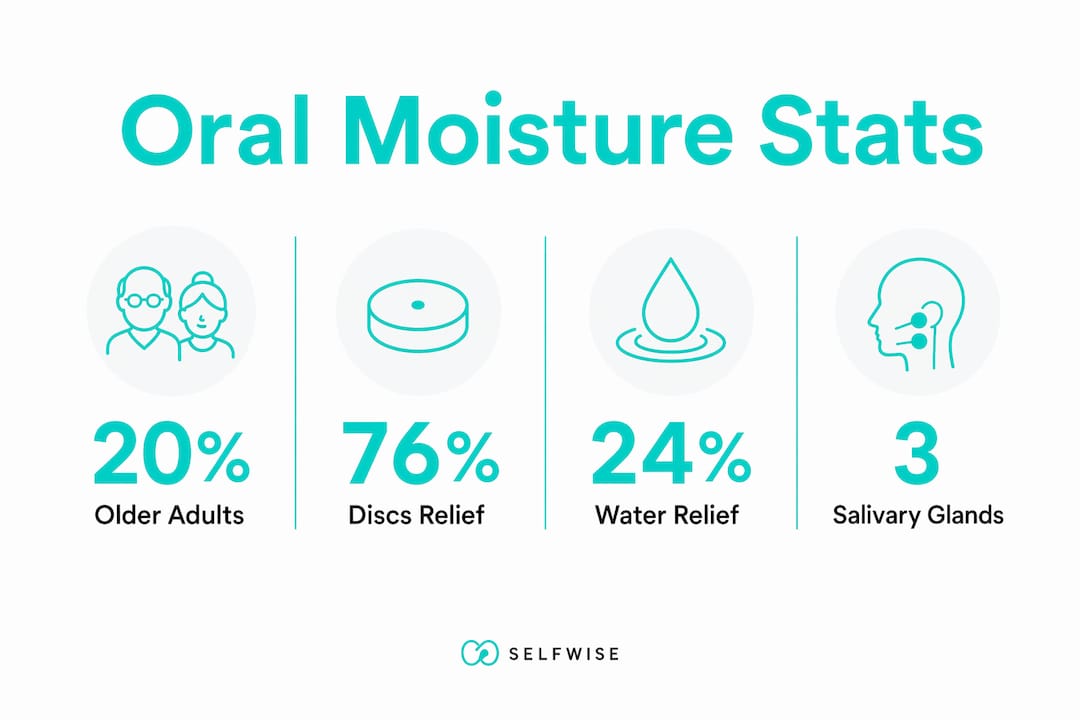
Xerostomia affects roughly 20% of older adults, though medication side effects, autoimmune conditions like Sjögren’s syndrome, and head and neck radiation push that number higher in specific populations. That prevalence figure means dry mouth is not a rare edge case. It is a widespread condition that most dental patients and their providers underestimate.
Management goes well beyond drinking more water. The Merck Manual recommends daily fluoride rinses and gels, including 1.1% sodium fluoride overnight carriers, to compensate for lost salivary protection. For those pursuing fluoride-free approaches, the intensity of the hygiene protocol must increase proportionally.
How is oral moisture maintained naturally through lifestyle?
Maintaining oral moisture balance requires more than staying hydrated. Water intake raises saliva flow temporarily, but saliva flow correlates with hydration in ways complicated by environmental humidity, stress biomarkers, and individual variation. Water also evaporates quickly from oral tissues and provides no lasting lubrication to the mucosa. That is why water alone is a poor long-term solution for dry mouth.
Practical strategies that actually sustain oral moisture include:
- Sugar-free xylitol gum and lozenges. Chewing stimulates mechanical saliva flow, and xylitol actively inhibits S. mutans adhesion. This combination addresses both moisture and microbial balance simultaneously.
- Baking soda and salt rinses. A homemade rinse of half a teaspoon of baking soda and a quarter teaspoon of salt in eight ounces of warm water raises oral pH and provides temporary mucosal relief. Research on dry mouth in Sjögren’s syndrome confirms that pH-neutral homemade rinses are a practical first-line option when no single commercial substitute proves superior.
- Nasal breathing and humidity control. Mouth breathing accelerates oral moisture loss. Using a humidifier at night and addressing nasal congestion reduces the rate at which saliva evaporates from oral tissues during sleep.
- Consistent oral hygiene timing. Brushing and rinsing before bed removes fermentable debris that bacteria would otherwise process overnight, when saliva flow naturally drops to its lowest point.
Pro Tip: For nocturnal dry mouth, mucoadhesive xylitol discs placed on the palate before sleep provide significantly better relief than water. A randomized crossover trial found 76% symptom relief with discs versus 24% with water, because the discs release lubricants slowly and stimulate saliva mechanically rather than simply wetting the surface.
Environmental factors matter more than most people account for. Saliva production drops in low-humidity environments, during air travel, and in heated indoor spaces during winter. Recognizing these triggers lets you time your moisture support strategies more precisely.
What natural oral care products best support oral moisture?
The natural oral care market has moved well beyond basic rinses. Products now incorporate ingredients that work alongside saliva rather than replacing it, addressing enamel support, microbial balance, and mucosal lubrication in a single routine.
The most relevant ingredients and product types for moisture support include:
- Nano hydroxyapatite (nHA). This calcium phosphate compound mirrors the mineral structure of enamel. In a mouthwash format, nHA deposits onto tooth surfaces and fills microscopic lesions, supporting the remineralization process that saliva normally drives. It is particularly useful when saliva flow is reduced and natural remineralization slows.
- Oil pulling mouthwash. Oil pulling with coconut or sesame oil creates a lipid layer on oral tissues that reduces moisture evaporation and disrupts bacterial biofilm. When formulated with nHA, the product addresses both the structural and microbial dimensions of oral moisture loss.
- Xylitol-based rinses. Xylitol stimulates saliva flow and inhibits cariogenic bacteria. In a rinse format, it delivers these benefits to the full oral cavity, including areas that gum or lozenges may not reach consistently.
The table below compares key natural oral care product approaches for moisture support:
| Product type | Primary moisture benefit | Best use case |
|---|---|---|
| Nano hydroxyapatite mouthwash | Remineralizes enamel, supports mineral balance | Daily use when saliva flow is reduced |
| Oil pulling mouthwash | Lipid coating reduces tissue dryness, disrupts biofilm | Morning routine before brushing |
| Xylitol rinse or gum | Stimulates saliva, inhibits S. mutans | After meals and before bed |
| Baking soda rinse | Raises oral pH, provides temporary mucosal relief | As needed for acid exposure or dry mouth episodes |
Pro Tip: Pair a natural mouthwash with xylitol gum after meals for a two-step approach that stimulates saliva mechanically while delivering antimicrobial and remineralizing ingredients to the full oral cavity.
The key principle across all these products is that they complement saliva rather than substitute for it. No product fully replicates the complexity of natural salivary chemistry. The goal is to reduce the burden on a compromised system while supporting the conditions that allow saliva to do its job.
Key takeaways
Saliva is the primary vehicle for oral moisture, and its loss through xerostomia accelerates decay, damages restorations, and shifts the oral microbiome toward pathogenic species that no amount of brushing fully corrects.
| Point | Details |
|---|---|
| Saliva’s buffer capacity matters most | Buffer capacity predicts caries risk more reliably than salivary pH alone. |
| Xerostomia is common and consequential | Roughly 20% of older adults are affected, with documented impacts on restoration longevity. |
| Water alone is insufficient | Oral water evaporates quickly; mucoadhesive products and xylitol provide sustained moisture relief. |
| Natural products complement saliva | Nano hydroxyapatite and oil pulling mouthwash support remineralization and reduce tissue dryness. |
| Prevention requires intensity | Reduced saliva demands stricter hygiene timing, pH management, and targeted ingredient use. |
What I’ve learned from years of watching people ignore their oral moisture
Most people treat dry mouth as a minor inconvenience rather than a clinical warning sign. That misclassification is where the real damage happens.
The research on mucoadhesive discs delivering 76% nocturnal symptom relief versus 24% with water is one of those findings that should change how everyone approaches nighttime oral care. Yet the default advice remains “drink more water.” Water evaporates. It does not lubricate mucosa. It does not stimulate saliva. Telling someone with xerostomia to drink more water is like telling someone with a broken leg to walk it off.
What I have found works is treating oral moisture as a system, not a single variable. Hydration matters, but so does the timing of your rinse, the humidity in your bedroom, whether you are breathing through your nose, and whether the products you use actively support saliva function or just mask dryness temporarily.
The natural oral care space gets this right more often than conventional dentistry does, because it focuses on ingredients that work with oral biology rather than overriding it. Xylitol, nano hydroxyapatite, and oil pulling are not trends. They are tools with real mechanisms behind them. The mistake is using any one of them in isolation and expecting complete results.
Consistency and combination are what actually move the needle. A morning oil pull, a post-meal xylitol rinse, and a mucoadhesive disc at night is a protocol that addresses moisture at every stage of the day. That is the level of specificity that produces results you can feel within two weeks.
— Viktor
Support your oral moisture with Selfwisebrand natural care
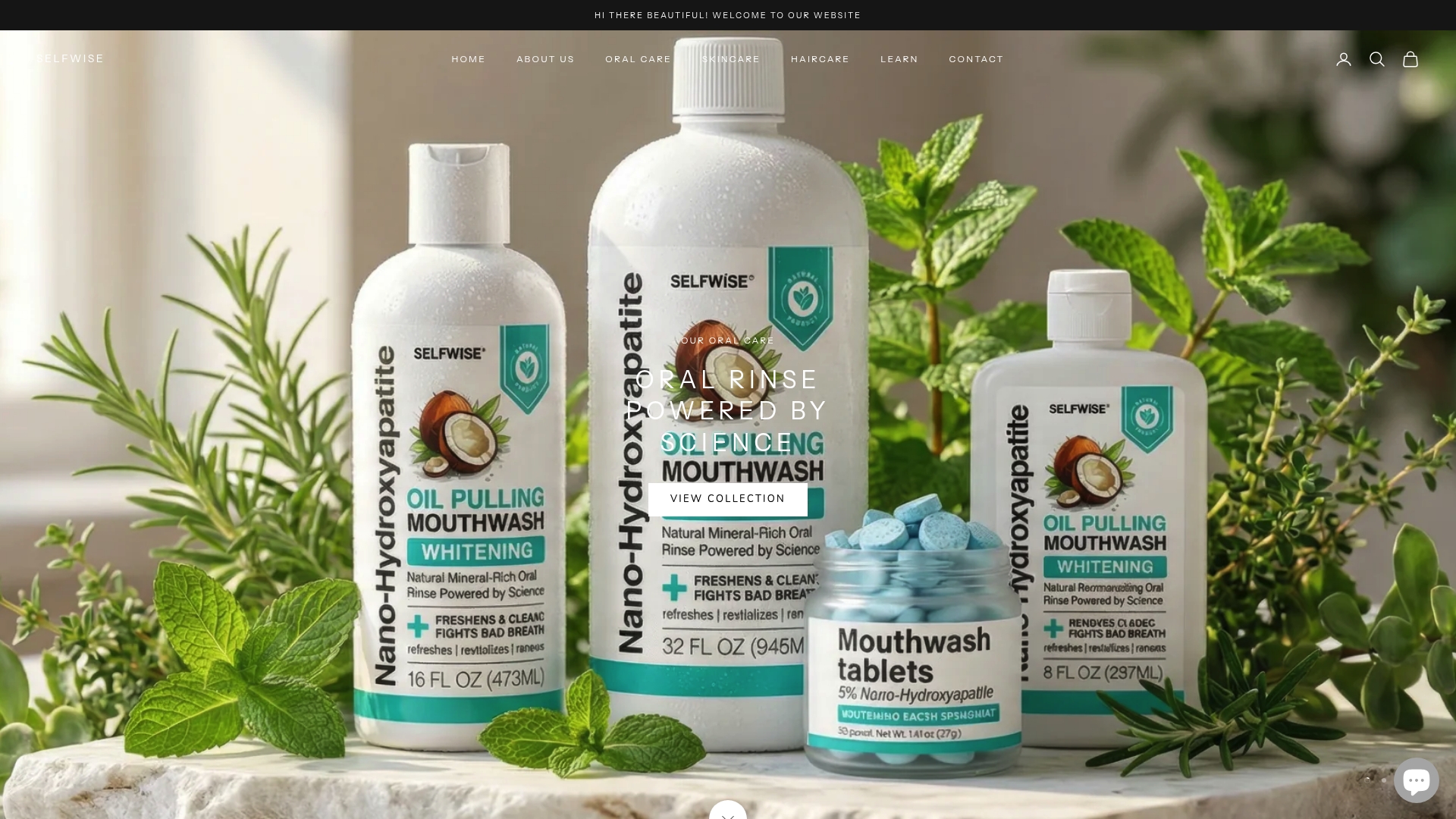
Selfwisebrand formulates products specifically for people who want their oral care routine to work with their body’s natural defenses, not against them. The Nano Hydroxyapatite Mouthwash Tablets deliver fluoride-free enamel remineralization in a format that supports the mineral balance saliva normally maintains. For a deeper moisture and biofilm approach, the Nano Hydroxyapatite Oil Pulling Mouthwash combines lipid-based tissue coating with nHA enamel support in a single morning step. Both products are built on simple, science-backed ingredients that complement saliva rather than replace it. Browse the full oral care collection to build a routine matched to your moisture needs.
FAQ
What is the role of moisture in oral health?
Oral moisture, delivered primarily through saliva, buffers acid, remineralizes enamel, controls bacterial growth, and clears food debris. Without adequate moisture, all four of these protective mechanisms weaken simultaneously.
What causes dry mouth and how common is it?
Xerostomia is caused by medications, autoimmune conditions like Sjögren’s syndrome, radiation therapy, and dehydration. It affects approximately 20% of older adults and is significantly underdiagnosed in younger populations on long-term medications.
Does drinking water improve oral moisture?
Water raises saliva flow temporarily but evaporates quickly from oral tissues and provides no lasting mucosal lubrication. Xylitol gum, mucoadhesive products, and consistent hydration together produce better sustained results than water alone.
How does saliva protect teeth from decay?
Saliva neutralizes acid through bicarbonate buffering, deposits calcium and phosphate back into softened enamel, and suppresses cariogenic bacteria through antimicrobial proteins. Salivary buffer capacity is the most reliable indicator of caries protection.
Can natural oral care products replace saliva function?
No product fully replicates saliva’s complexity, but nano hydroxyapatite mouthwash, oil pulling formulas, and xylitol rinses each address specific components of saliva’s protective role. Used consistently, they reduce the clinical burden of reduced salivary flow.