How to build a natural oral health routine that works
You want a clean, healthy mouth without the synthetic chemicals packed into most mainstream toothpastes and mouthwashes. That tension between conventional dental advice and the growing body of research on natural alternatives is real, and you are not alone in feeling it. Ingredients like nano hydroxyapatite (nHA), xylitol, and oil pulling are no longer fringe ideas. They have clinical studies backing their effectiveness. This guide walks you through a practical, step-by-step natural oral health routine built on actual evidence, not marketing claims, so you can make confident choices for yourself and your family.
Table of Contents
- Why choose a natural oral health routine?
- What you’ll need: The essentials for a natural routine
- Step-by-step: Building your natural oral health routine
- Monitoring results and avoiding common mistakes
- Why strict natural isn’t always better: Our take
- Discover natural oral care essentials
- Frequently asked questions
Key Takeaways
| Point | Details |
|---|---|
| Evidence backs natural options | Nano hydroxyapatite and xylitol have strong data supporting their benefits for enamel and bacterial reduction. |
| Oil pulling is optional | Oil pulling offers some bacteria reduction but is not a substitute for standard brushing and flossing. |
| Consistency drives results | A natural routine works best when followed daily and combined with regular dental checkups. |
| Monitor and adapt | Track your results, adjust when needed, and consult your dentist to keep your routine on track. |
Why choose a natural oral health routine?
The push toward natural oral care is not just about avoiding fluoride or chasing trends. Most people who make the switch share a few core motivations: they want to reduce exposure to synthetic preservatives and artificial flavors, they struggle with sensitivity from chemical-heavy formulas, or they simply want their daily habits to align with a broader clean-living approach. All of these are valid reasons to explore what natural options can actually deliver.
Here is where the science matters. nHA toothpaste remineralizes enamel by bonding minerals directly to teeth, and clinical studies show it performs as well as or better than fluoride for enamel repair, erosion prevention, and slowing caries progression in children. That is a significant finding because it gives health-conscious families a fluoride-free option with actual clinical backing rather than just a hopeful label claim.
Xylitol, the natural sugar alcohol found in birch trees, disrupts the ability of Streptococcus mutans (the bacteria most responsible for cavities) to stick to teeth. Oil pulling, the ancient Ayurvedic practice of swishing oil in your mouth, shows promising results for reducing bacteria counts and improving gum health, though the evidence base is still developing.
The most important thing to understand is that natural products work best as smart additions to a solid foundation, not as replacements. Brushing and flossing remain essential, and natural methods enhance rather than substitute for those basics. Explore our natural oral care guide for a fuller picture of how these pieces fit together.
Who benefits most from a natural routine?
- Individuals with chemical sensitivities or chronic mouth irritation
- Children whose parents prefer fluoride-free options backed by clinical data
- Adults following a holistic or clean-living lifestyle
- Anyone with orthodontic appliances who needs gentle but effective care
- People recovering from gum issues who want to support healing naturally
What you’ll need: The essentials for a natural routine
Building a natural oral health routine does not require a cabinet full of exotic products. Start with the right tools, then add targeted natural formulas.
Core tools:
- Soft-bristled toothbrush (or bamboo equivalent for lower environmental impact)
- Waxed or unwaxed floss, or a water flosser
- Tongue scraper or cleaner
Natural products:
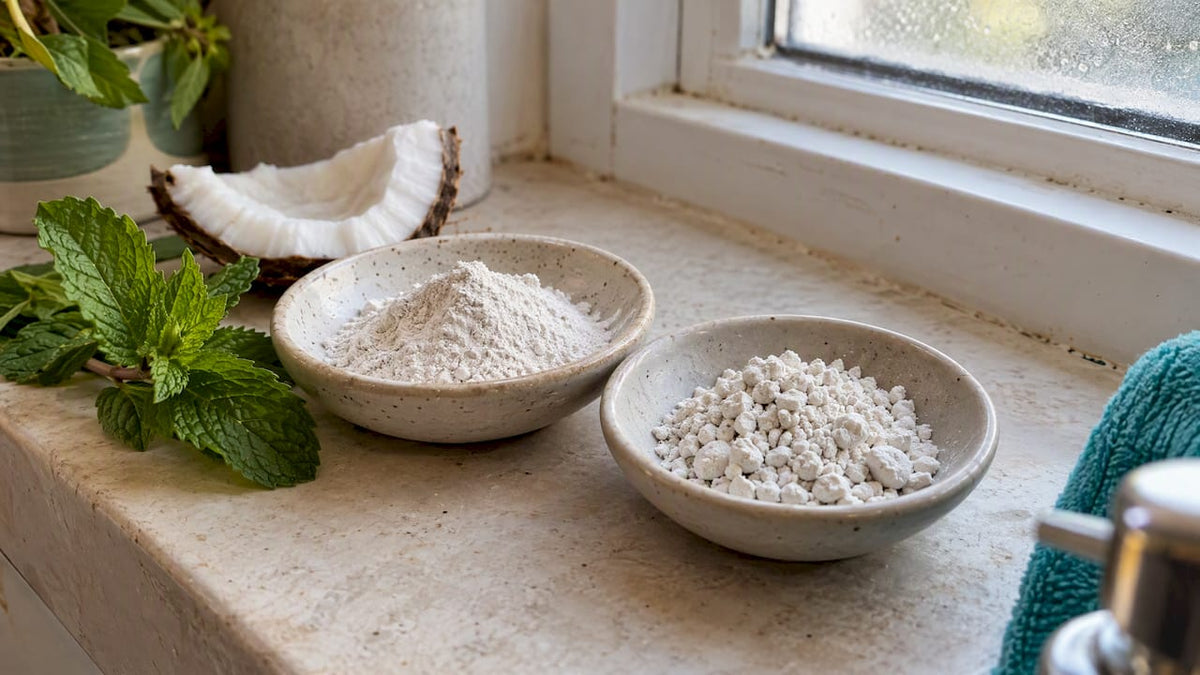
- nHA toothpaste or mouthwash tablets
- Xylitol gum, lozenges, or toothpaste
- A quality oil for pulling, such as coconut or sesame oil
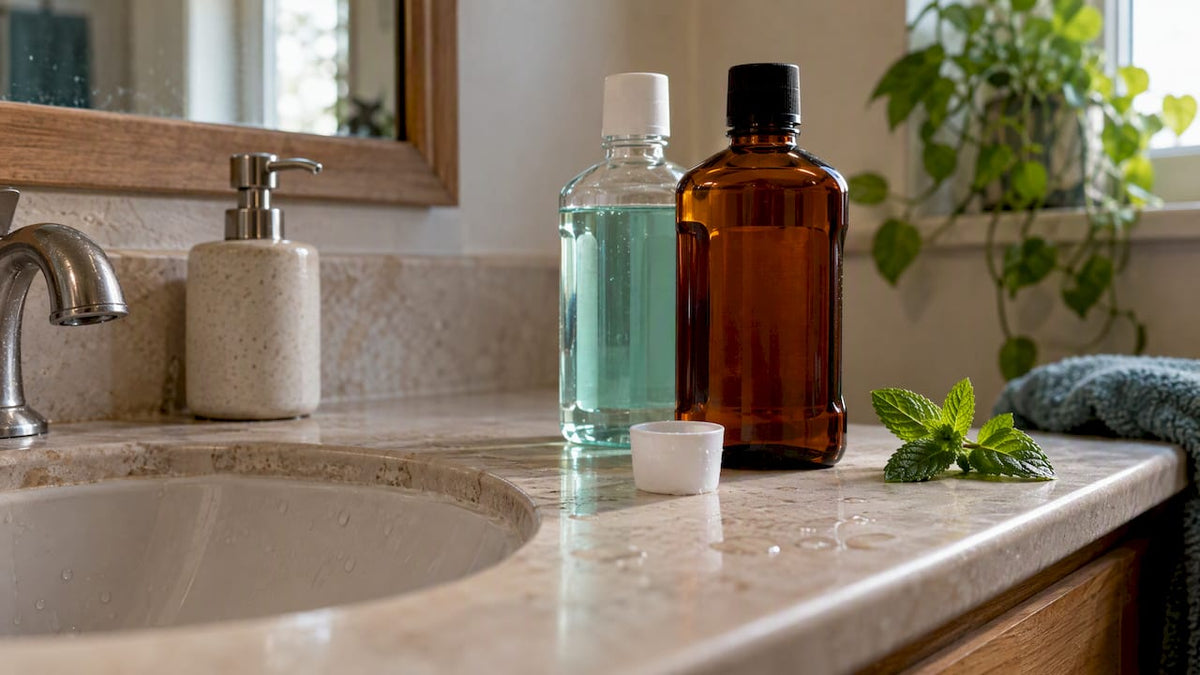
- Optional herbal rinse for added antibacterial support
When shopping, read ingredient labels carefully. Look for products that list nHA as an active ingredient rather than a trace additive. Certifications from independent organizations add confidence. nHA mouthwash tablets are an efficient format because they dissolve in water and deliver remineralizing action with each rinse.

| Product | Key benefit | Best use case |
|---|---|---|
| nHA toothpaste | Enamel remineralization | Daily brushing |
| Xylitol gum/mints | Bacteria reduction | After meals |
| Coconut oil | Bacteria and plaque reduction | Morning oil pulling |
| nHA mouthwash tablets | Remineralizing rinse | Evening routine |
| Tongue scraper | Reduces bad breath bacteria | Morning, before brushing |
For xylitol specifically, the dose matters. 5 to 10 grams daily divided across three to five uses reduces S. mutans by up to 75%, cuts plaque, and lowers caries rates by 13 to 58%. That means consistency across the day beats one large dose. Learn more about remineralizing teeth naturally for a deeper look at how nHA and xylitol work together.
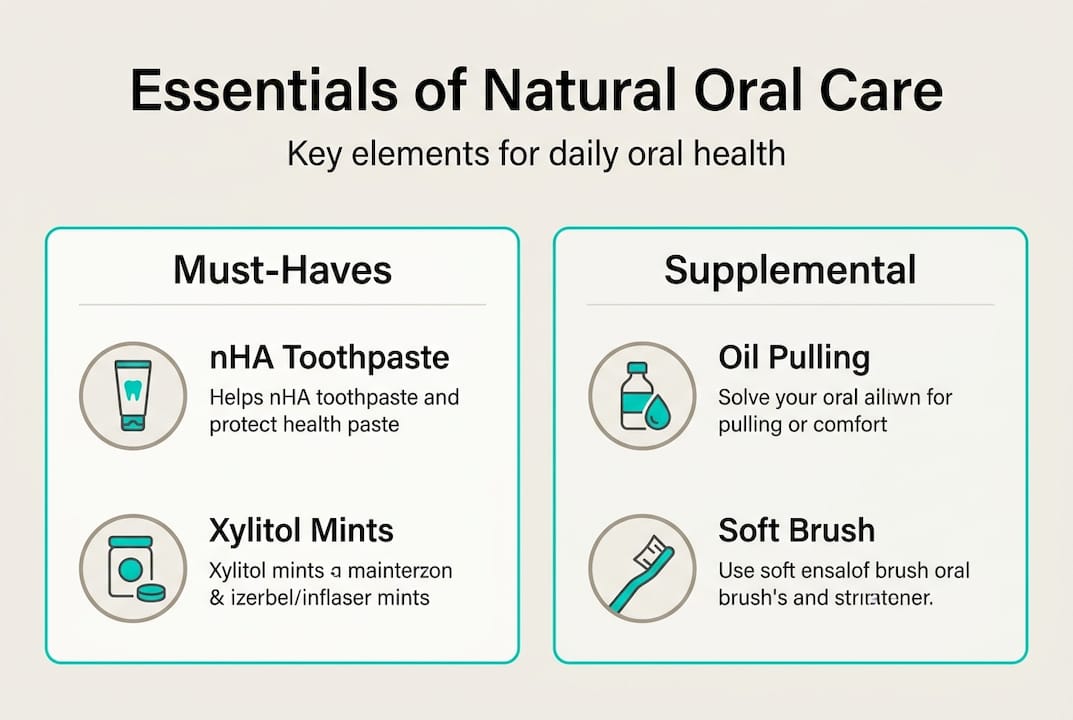
Pro Tip: Look for products that combine nHA and xylitol in a single formula. You get remineralization and antibacterial action in one step, which makes it easier to stay consistent without adding complexity to your routine.
Step-by-step: Building your natural oral health routine
Consistency is what separates results from wishful thinking. Here is how to structure your day so each natural method works at the right moment.
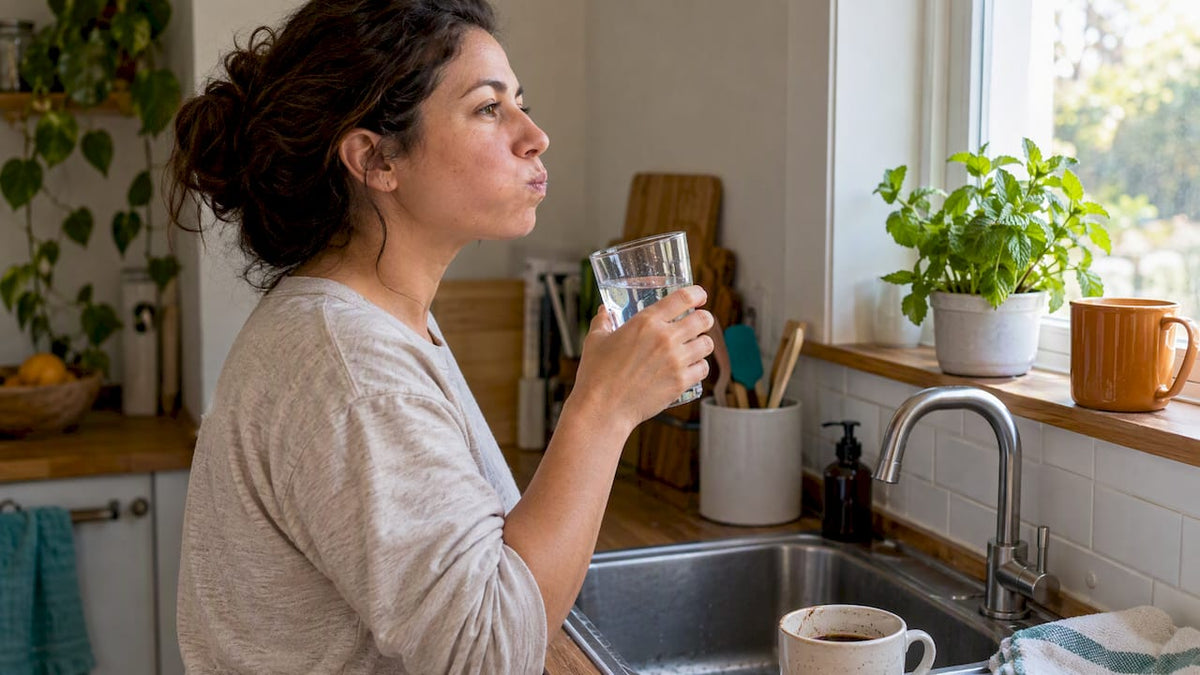
- Morning, before eating: Swish one tablespoon of coconut or sesame oil for 10 to 15 minutes, then spit into the trash (never the sink). Rinse with water, then scrape your tongue.
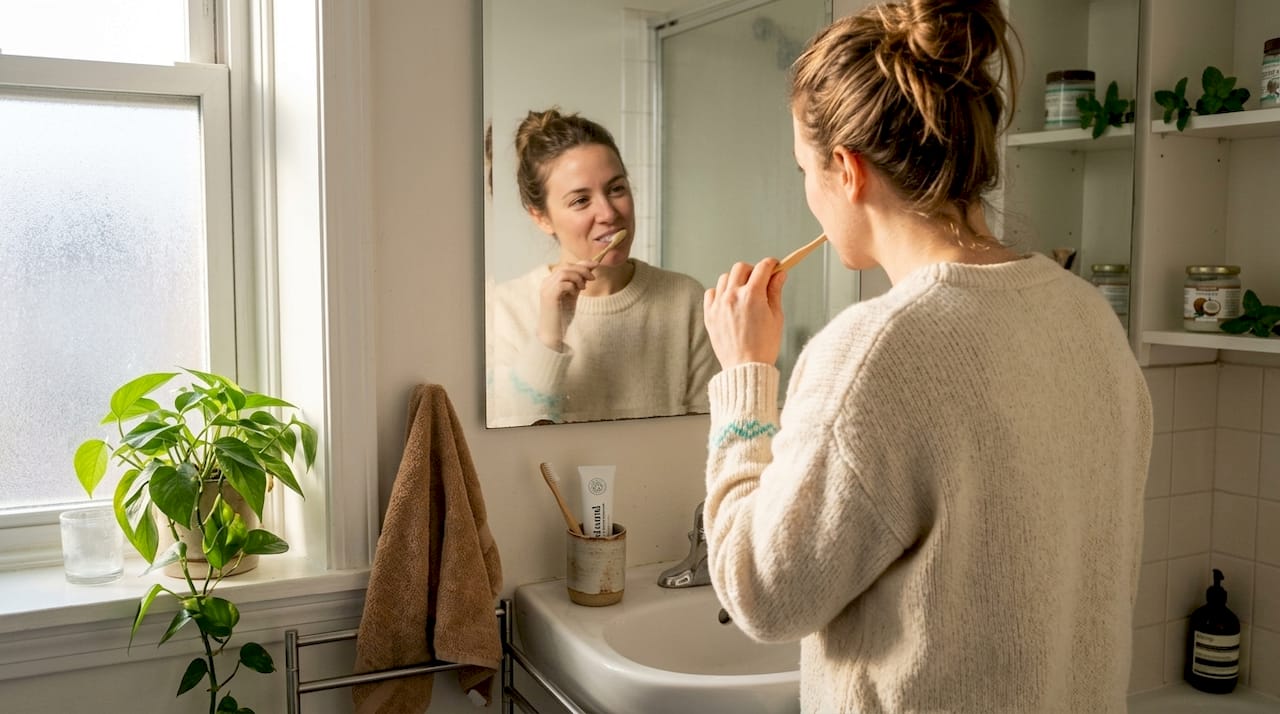
- Morning brushing: Brush for two minutes with nHA toothpaste. Floss thoroughly. This locks in the benefit from oil pulling by removing any loosened plaque and bacteria.
- After meals and snacks: Chew xylitol gum or use a xylitol mint within five minutes of eating. This neutralizes acids and suppresses cavity-causing bacteria right when they are most active.
- Evening brushing: Repeat your brushing and flossing routine with nHA toothpaste. Consider using an nHA mouthwash tablet as a final remineralizing rinse.
- Before bed: Avoid eating or drinking anything besides water after your evening routine so nHA can work without interruption overnight.
| Method | Traditional approach | Natural approach |
|---|---|---|
| Cavity prevention | Fluoride toothpaste | nHA toothpaste |
| Bacteria reduction | Antiseptic mouthwash | Oil pulling + xylitol |
| Enamel repair | Fluoride treatments | nHA remineralization |
| Fresh breath | Alcohol-based rinse | Herbal rinse + tongue scraping |
Oil pulling reduces bacteria by 10 to 50% in some studies, which is a meaningful reduction. However, systematic reviews note that most studies carry a high risk of bias, which is why we position it as a complement to brushing rather than a replacement. For more actionable guidance, browse our oral care tips library.
Research shows xylitol significantly reduces caries when used consistently across the day, with caries reduction rates ranging from 13 to 58% depending on delivery format and dose.
Pro Tip: Add one new element per week instead of overhauling your entire routine at once. Starting with just nHA toothpaste, then adding xylitol gum, then introducing oil pulling gives each habit time to stick.
Monitoring results and avoiding common mistakes
Setting up your routine is step one. Knowing whether it is actually working, and catching problems before they escalate, is equally important.
Signs your natural routine is working:
- Noticeably fresher breath within the first two weeks
- Less visible plaque buildup after brushing
- Reduced tooth sensitivity, especially to cold or sweet foods
- Healthier-looking gums with less redness or bleeding
Red flags that signal a need to adjust:
- Gum bleeding that persists beyond two weeks of consistent flossing
- Increased sensitivity or new tooth pain
- Visible tartar buildup that scraping and brushing do not address
- Persistent bad breath despite consistent routine
The most common mistake people make when going natural is scaling back on brushing and flossing because they feel the oil pulling or herbal rinse is doing enough. It is not.
“Oil pulling has real potential as a supportive practice, but the evidence does not support replacing brushing and flossing with it. The ADA and major dental bodies are clear: systematic reviews show limited evidence for oil pulling as a standalone treatment, and high-quality randomized controlled trials are still needed.”
For kids and orthodontic patients, the stakes are higher. Brackets and wires trap food and bacteria in hard-to-reach places, and primary teeth are more vulnerable to decay. These groups need consistent brushing and flossing as the non-negotiable foundation, with natural products layered on top. If you are uncertain about how to adapt a natural routine for a specific situation, read more about natural oral care insights or explore organic toothpaste options to find the right formula.
Schedule a dentist visit every six months regardless of how good your routine feels. A professional cleaning removes tartar that no home routine, natural or otherwise, can fully address.
Why strict natural isn’t always better: Our take
Here is something most natural oral care content will not tell you: not every product with a clean label deserves a place in your routine. The natural oral care market has grown fast, and a significant portion of what gets marketed as “holistic” or “toxin-free” simply does not have the clinical research to back up its claims. Activated charcoal toothpaste is a perfect example. Widely popular, visually dramatic, but evidence for its safety and effectiveness is thin at best, and some formulas are abrasive enough to damage enamel over time.
Our honest perspective is this: natural works best when it is evidence-first, not trend-first. Ingredients like nHA, xylitol, and quality oils have real data behind them. That is why we build around them. Your personal results matter too. If a product irritates your gums, causes sensitivity, or just does not seem to be making a difference after consistent use, stop using it regardless of how natural its label reads.
The goal is a routine you can sustain, one that your dentist knows about and supports, and one built on ingredients that have earned their place through research, not just reputation.
Discover natural oral care essentials
If you are ready to put this routine into practice, Selfwise has exactly what you need to start strong.
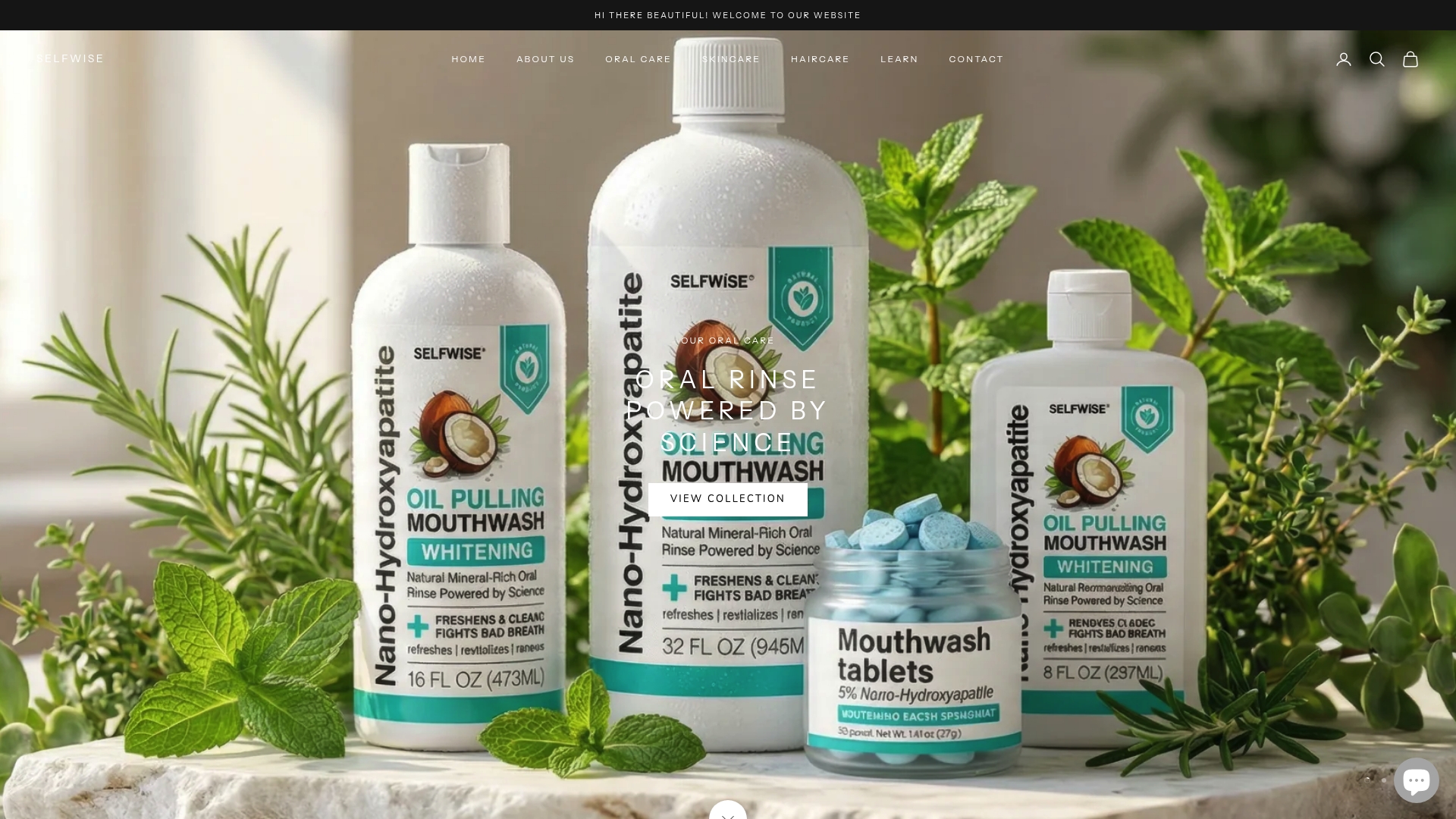
Our nHA oil pulling mouthwash combines the ancient benefits of oil pulling with the proven remineralizing power of nano hydroxyapatite, giving you two evidence-backed actions in a single daily ritual. Browse our fresh breath solutions collection to find product bundles designed around real routines, not overcrowded ingredient lists. And if you want to go deeper on the science and strategy behind every step, the Selfwise oral care guide covers everything from ingredient breakdowns to routine templates. Simple ingredients. Real results.
Frequently asked questions
Is oil pulling a proven replacement for brushing and flossing?
No. Oil pulling can reduce harmful bacteria by 10 to 50%, but it is not considered a substitute for brushing and flossing by the American Dental Association or most major dental health organizations.
How does nano hydroxyapatite compare to fluoride?
Nano hydroxyapatite is as effective as fluoride for enamel repair and caries prevention based on recent clinical trials, making it a credible fluoride-free alternative for those who prefer it.
What’s the ideal xylitol intake for oral health benefits?
Aim for 5 to 10 grams daily divided across three to five separate uses through gum, mints, or toothpaste to get the full antibacterial and caries-reducing effect.
Is a natural routine safe for kids and orthodontic patients?
Yes, provided that brushing and flossing stay at the center of the routine and a dentist monitors high-risk cases like young children or patients with braces.
Recommended
- Natural Oral Care Guide
- Fresh Breath & Oral Health
- How to remineralize teeth naturally: step-by-step guide
- Oral Care
- Build your natural body care routine: radiant skin – ZenChemy Lab
Related Selfwise oral care
Build a Selfwise oral care routine with these pages:
- Natural oral care collection
- Nano Hydroxyapatite Mouthwash Tablets
- Nano Hydroxyapatite Oil Pulling Mouthwash
- How to do oil pulling
Note: Selfwise oral care products are designed for daily personal care routines and are not a replacement for dental diagnosis or treatment.