Oil Pulling Morning Routine Steps for Better Oral Health
Oil pulling is a natural oral health practice that involves swishing edible oil in your mouth each morning for 10 to 20 minutes before eating or brushing. Rooted in Ayurvedic tradition and now backed by modern dental research, the oil pulling morning routine steps are simple enough to fit into any schedule. The most common oils used are coconut, sesame, and sunflower. Done consistently and correctly, this practice complements brushing and flossing to support cleaner teeth, fresher breath, and healthier gums.
What you need before starting your oil pulling morning routine
The right setup makes the difference between a routine that sticks and one you abandon after three days. Before you swish a single drop, gather your materials and understand your options.
Choosing your oil
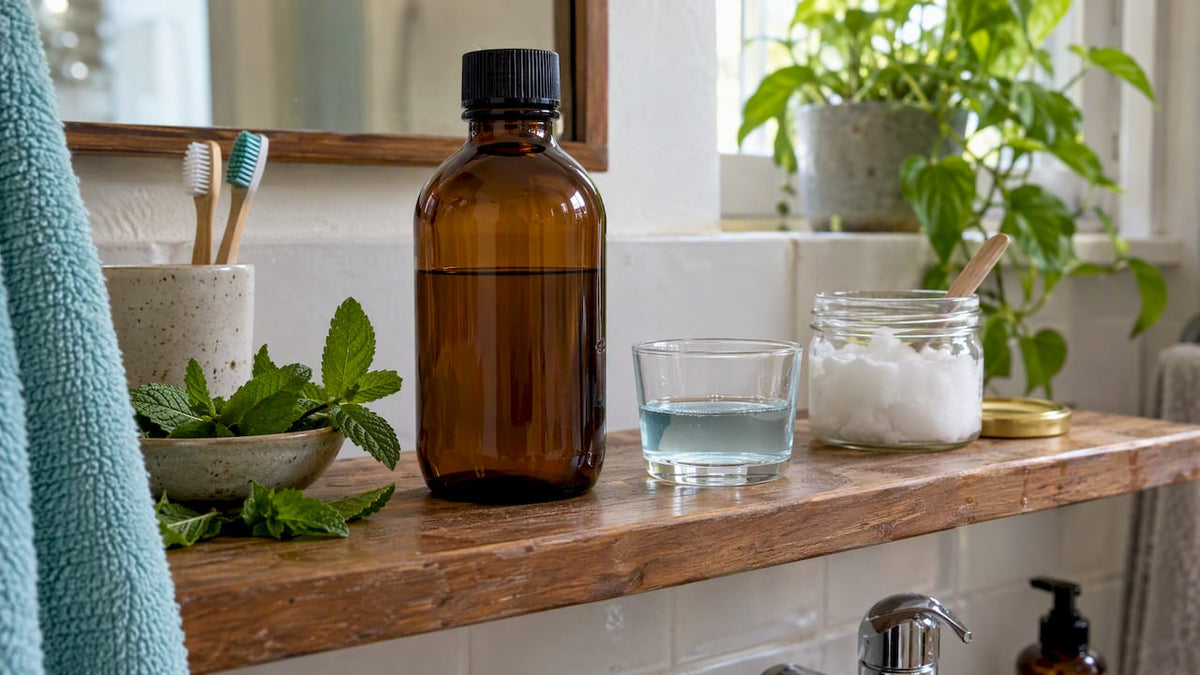
Coconut, sesame, and sunflower oils are the three most widely used options for oil pulling, each with natural antimicrobial properties. Coconut oil is the most popular choice for beginners because its mild flavor makes the 10 to 20 minute session easier to tolerate. Sesame oil is the traditional Ayurvedic selection, preferred by practitioners who customize their choice based on individual constitution. Sunflower oil works well for anyone who finds coconut oil too thick, especially in cooler months when it solidifies. For a deeper breakdown of which oil suits your needs, the best oil for pulling guide from Selfwisebrand covers each option in detail.

Quantities and timing
| Factor | Recommendation |
|---|---|
| Starting amount | 1 teaspoon (build up to 1 tablespoon over time) |
| Ideal timing | Morning, before eating or drinking anything |
| Session duration | Start at 5 minutes, work up to 10 to 20 minutes |
| Spitting location | Trash bin only, never the sink |
Starting with 1 teaspoon and gradually increasing to 1 tablespoon gives your jaw muscles and gag reflex time to adjust. Jumping straight to a full tablespoon is the most common reason beginners quit in the first week.
Pro Tip: Keep a small trash bin or lined container next to your bathroom sink before you start. Having it within arm’s reach means you never have to walk across the room with a mouthful of oil, which reduces mess and the risk of accidentally swallowing.
Set up in a calm space where you are not rushed. Oil pulling works best when you can move around, get dressed, or do light tasks during the session rather than standing frozen over a sink.
Step-by-step oil pulling morning routine
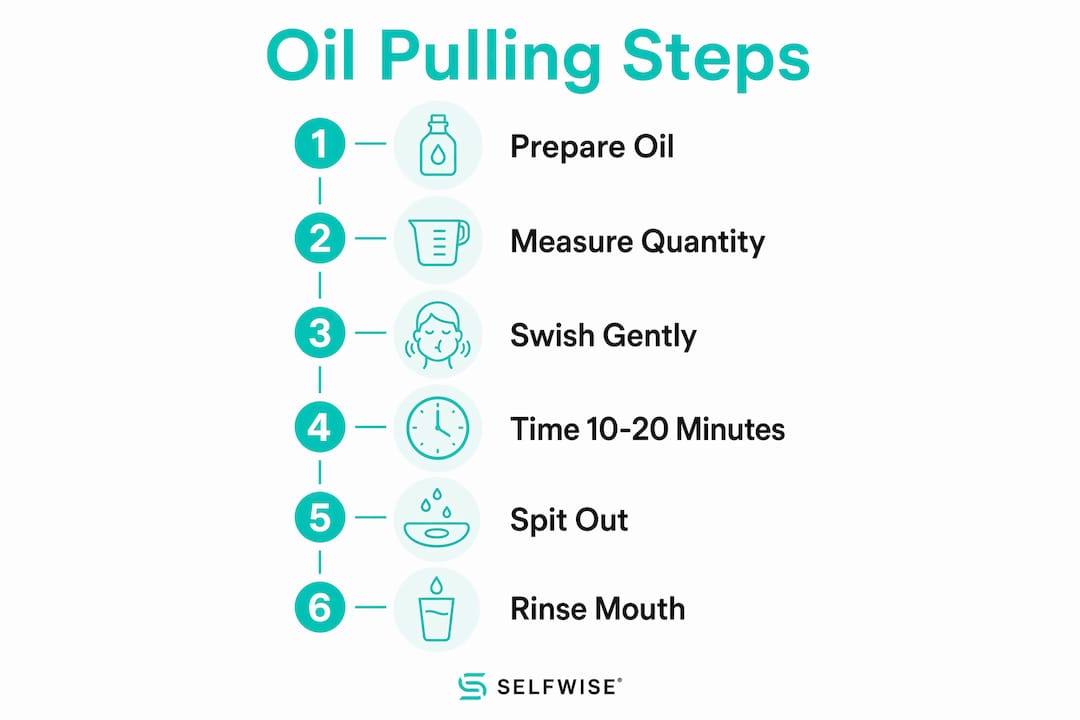
Follow these steps in order every morning for consistent results. The technique matters as much as the timing.
-
Wake up and go straight to your oil. Do not eat, drink, or brush your teeth first. An empty stomach is the standard starting condition recommended by multiple dental guides, and it keeps the oil from mixing with food particles.
-
Measure your oil. Start with 1 teaspoon if you are new to the practice. Once you are comfortable, move to 1 tablespoon. Scoop solid coconut oil directly from the jar. It will melt within seconds of entering your mouth.
-
Place the oil in your mouth and begin swishing. Use a gentle, side-to-side motion, pushing and pulling the oil between your teeth. This is not gargling. Keep the movement slow and controlled so the oil reaches your gum line without straining your jaw.
-
Continue for your target duration. Starting at 5 minutes and gradually increasing to 10 to 20 minutes over several weeks is the approach that builds the habit without burning out your jaw. Set a timer so you are not guessing.
-
Manage the urge to spit early. As the oil mixes with saliva, it will expand in volume and may turn milky or foamy. This is normal. When the oil turns milky, it signals that oral toxins have emulsified into the oil. If the urge to spit becomes strong before your time is up, spit a small amount into the trash and continue with the remaining oil.
-
Spit into the trash bin, not the sink. Coconut oil solidifies at room temperature and will clog your pipes over time. Spitting into the trash also reduces the chance of inhaling oil droplets, which is a real safety concern covered in the next section.
-
Rinse your mouth thoroughly. Use warm water and swish for 30 seconds to remove any residual oil. Some practitioners prefer a warm saltwater rinse for added antibacterial effect.
-
Brush and floss as normal. Oil pulling does not replace mechanical plaque removal. Brushing and flossing after oil pulling completes your morning oral care routine.
“Oil pulling is a complementary practice. It works alongside your toothbrush and floss, not instead of them.”
Pro Tip: If you hate standing still, use your oil pulling session to make your bed, pick out clothes, or do light stretching. Multitasking makes the 10 to 20 minutes feel effortless and builds the habit faster.
Common mistakes and safety precautions in oil pulling
Oil pulling is safe for most healthy adults, but a few specific risks deserve your attention before you start.
The aspiration risk is real. Swallowing or inhaling oil during swishing can cause lipoid pneumonia, a serious lung condition caused by oil entering the airways. This risk is especially relevant for people with neurological conditions, swallowing impairments, or difficulty controlling oral movement. If you fall into that category, skip oil pulling entirely and speak with your dentist about alternatives.
The most common mistakes to avoid:
- Swallowing the oil at the end of the session. The oil collects bacteria and debris during swishing. Swallowing it defeats the purpose entirely.
- Spitting into the sink. Coconut oil clogs drains. Spitting into the trash is the only safe option for your plumbing and reduces aspiration risk.
- Aggressive gargling. Forceful swishing strains your jaw and increases the chance of inhaling oil. Keep the motion gentle.
- Expecting oil pulling to replace dental care. Clinicians are consistent on this point: oil pulling cannot remove calcified plaque or substitute for professional cleanings.
- Quitting too soon due to jaw fatigue. Jaw soreness in the first week is normal. Start with 5 minutes and build up gradually rather than pushing through pain.
“Consistency over duration. Five minutes every day beats twenty minutes once a week.”
Jaw fatigue and a sensitive gag reflex are the two most common reasons people stop. Both improve with time. If gagging is a problem, try tilting your head slightly forward and keeping the oil toward the front of your mouth rather than the back of your throat.
How oil pulling fits into your morning oral care ritual
Oil pulling does not exist in isolation. In Ayurveda, it is one step in a structured morning sequence called dinacharya, and that sequencing matters for effectiveness.
The Ayurvedic morning sequence places oil pulling after tongue scraping and before brushing and flossing. This order makes practical sense. Tongue scraping removes the bacterial film that accumulates overnight, oil pulling then draws out additional bacteria from between teeth and along the gum line, and brushing finishes by mechanically clearing what remains.
A practical morning oral care ritual built around oil pulling looks like this:
- Wake up on an empty stomach
- Scrape your tongue with a copper or stainless steel tongue scraper
- Oil pull for 5 to 20 minutes
- Spit, rinse with warm water
- Brush with a remineralizing or fluoride-free toothpaste
- Floss
- Use a natural mouthwash if desired
This sequence takes under 30 minutes total and covers every major surface in your mouth. For a full breakdown of how to build this kind of ritual, Selfwisebrand’s guide on natural morning oral care walks through each step with product recommendations.
Consistency is the variable that determines results. A daily 10 minute session produces more noticeable oral health benefits than an occasional 20 minute session. Treat oil pulling the same way you treat brushing: non-negotiable, every morning, no exceptions. Pairing it with a morning intention practice can also help anchor the habit, since both practices share the same quiet, pre-breakfast window.
Key takeaways
A consistent, correctly executed oil pulling morning routine is the single most important factor in getting real oral health benefits from this practice.
| Point | Details |
|---|---|
| Start small | Begin with 1 teaspoon and 5 minutes; build to 1 tablespoon and 20 minutes over weeks. |
| Technique over duration | Gentle side-to-side swishing beats aggressive gargling every time. |
| Spit into the trash | Never spit into the sink; coconut oil clogs pipes and spitting into trash reduces aspiration risk. |
| Oil pulling is supplemental | It complements brushing and flossing but cannot replace mechanical plaque removal or dental cleanings. |
| Sequence matters | Pull after tongue scraping and before brushing for the most effective morning oral care order. |
Why I think most people overcomplicate oil pulling
People read about oil pulling and immediately start debating whether cold-pressed virgin coconut oil is superior to black sesame oil, or whether 15 minutes is meaningfully better than 12. I have watched this happen repeatedly, and it always leads to the same outcome: paralysis, inconsistency, and eventually quitting.
The truth is that the oil type matters far less than the habit itself. I started with standard refined coconut oil from a grocery store and noticed cleaner-feeling teeth and fresher breath within two weeks. The upgrade to higher-quality oil came later, once the habit was locked in.
The one thing I would push back on in most oil pulling guides is the emphasis on hitting 20 minutes from the start. That target intimidates beginners and creates jaw fatigue that makes people associate the practice with discomfort. Five minutes done every single morning is a better foundation than 20 minutes done twice a week. Build the anchor first, then extend the duration.
I also think the safety warnings about aspiration get buried too often. They are not meant to scare you off the practice. They are meant to keep you doing it correctly. Gentle swishing, no swallowing, trash bin nearby. Those three rules cover 95% of the risk. Follow them and you will be fine.
Oil pulling is not a cure. It is not going to reverse cavities or replace your dentist. What it does is give your oral microbiome a daily reset that brushing alone cannot replicate. Pair it with quality natural products and a consistent sequence, and it becomes one of the most cost-effective additions to your oral health routine.
— Viktor
Build your natural oral care routine with Selfwisebrand
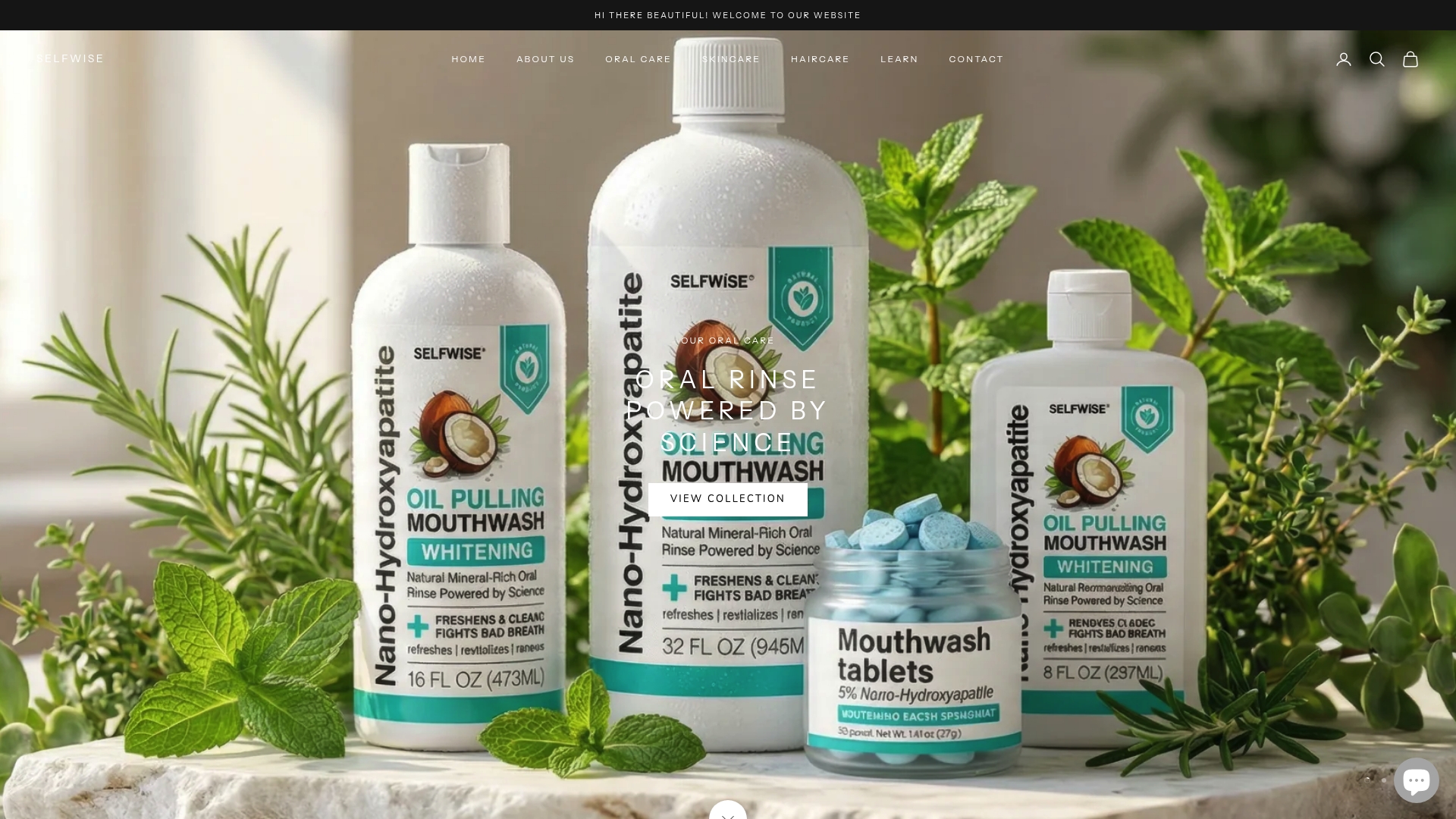
Oil pulling works best when it is part of a complete natural oral care system. Selfwisebrand’s nano hydroxyapatite oil pulling mouthwash is formulated to extend the benefits of your morning pull session, using nano hydroxyapatite and xylitol to support enamel remineralization and fresher breath without harsh chemicals. It is designed specifically to follow your oil pulling step, giving your teeth the mineral support that oil alone cannot provide. If you want to explore natural oils for pulling, the Selfwisebrand body oils collection includes options suited for daily oral use. Simple ingredients, real results.
FAQ
What is the correct oil pulling technique?
Swish 1 tablespoon of edible oil gently between your teeth using a side-to-side motion for 10 to 20 minutes, then spit into a trash bin. Avoid gargling or swallowing the oil at any point during the session.
Can you oil pull with coconut oil every day?
Yes. Daily oil pulling with coconut oil is safe for most healthy adults and is the most common practice. Coconut oil’s mild flavor and natural antimicrobial properties make it the most beginner-friendly option.
Does oil pulling replace brushing your teeth?
No. Oil pulling cannot replace brushing, flossing, or professional dental cleanings. It is a supplemental practice that supports oral hygiene when used alongside standard dental care.
How long before you see results from oil pulling?
Most people report cleaner-feeling teeth and fresher breath within one to two weeks of daily practice. Longer-term benefits to gum health and plaque reduction typically become noticeable after four to six weeks of consistent use.
Is oil pulling safe for everyone?
Oil pulling is not recommended for people with swallowing difficulties or neurological impairments due to the risk of lipoid pneumonia from accidental inhalation. Healthy adults who follow proper technique face minimal risk.