Foods to avoid after teeth whitening for lasting results
You finally got your teeth whitened, and the results look incredible. Then, three days later, you notice the brightness is already fading. What went wrong? The answer is almost always in what you ate and drank right after the procedure. Teeth whitening results can diminish surprisingly fast when post-treatment care is ignored, and your diet is the single biggest variable you can control. This guide walks you through exactly which foods and drinks to cut from your routine after whitening, how long to stay cautious, and what smart alternatives keep your smile bright for the long run.
Table of Contents
- Why your diet matters after teeth whitening
- Common foods and drinks to avoid
- Timing: How long should you avoid these foods?
- Smart alternatives and strategies for eating after whitening
- The uncomfortable truth about teeth whitening maintenance
- Better oral care for lasting whitening
- Frequently asked questions
Key Takeaways
| Point | Details |
|---|---|
| Porous enamel period | Teeth are especially vulnerable to stains in the first 48 hours after whitening. |
| High-risk foods | Avoid dark-colored, acidic, and pigmented foods and drinks immediately following whitening. |
| Safe eating | Choose colorless, bland foods to protect your smile after whitening treatments. |
| Maintenance matters | Gentle oral care routines help preserve whitening results for longer. |
| Gradual reintroduction | Carefully resume normal foods after one week, monitoring for sensitivity and stains. |
Why your diet matters after teeth whitening
Most people think once the whitening is done, the hard part is over. The reality is almost the opposite. The 48 to 72 hours following your treatment are the most critical window for protecting your results.
During whitening, hydrogen peroxide or carbamide peroxide opens up the pores in your enamel (the hard outer layer of your teeth) to lift deep stains. That process temporarily leaves your enamel in a more porous, vulnerable state. Think of it like freshly sanded wood before the sealant goes on. Anything dark or acidic you introduce to your mouth right now will absorb much more quickly and deeply than it normally would.
Enamel porosity after whitening also means your teeth are more sensitive to temperature and acidity. Acidic foods don’t just stain; they actively break down enamel, which shortens the lifespan of your whitening results and can create sensitivity that lingers for days.
| Factor | Before whitening | After whitening (first 48 to 72 hours) |
|---|---|---|
| Enamel porosity | Normal | Significantly increased |
| Stain absorption rate | Standard | Much faster |
| Acid vulnerability | Moderate | Heightened |
| Sensitivity | Baseline | Often elevated |
| Whitening result risk | Low | High |
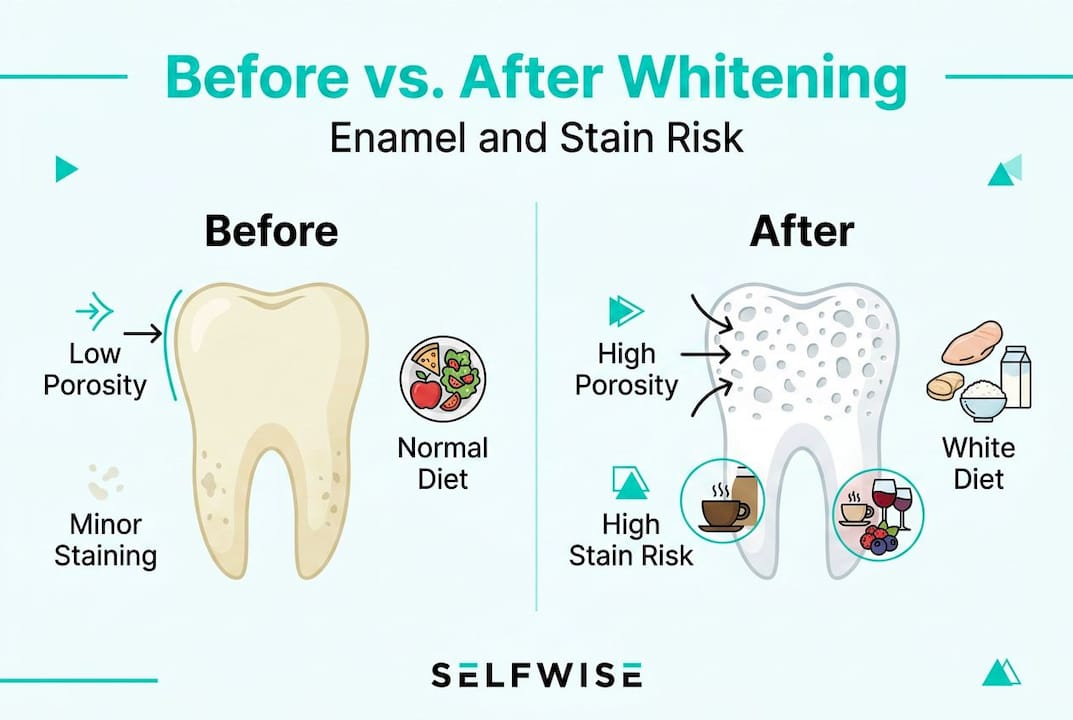
Getting familiar with natural oral care guidance can help you understand how to support your enamel during this sensitive recovery phase, not just react to problems after they happen.
Pro Tip: Drink plenty of plain water in the first 48 hours after whitening. It rinses away potential staining agents, helps neutralize mild acidity, and supports saliva production, which is your mouth’s first natural defense.
Common foods and drinks to avoid
Understanding the science, it’s critical to recognize exactly what foods and drinks can undo your whitening efforts. The categories below cover the most common offenders, and the reasons they’re problematic go deeper than just color.
Dark-colored beverages
Coffee, black tea, and red wine are the top three beverages that damage whitening results. All three contain tannins (naturally occurring compounds that bind to enamel and create yellowish or brownish discoloration). Dark beverages are particularly harmful because people consume them daily and often in large quantities.

Green tea, while marketed as healthy, still contains enough tannins to cause staining on freshly whitened teeth. Sports drinks and dark sodas add both staining pigments and high acid content, making them doubly damaging in the post-whitening period.
Acidic foods and drinks
Citrus fruits like oranges, lemons, limes, and grapefruits have high acid levels that temporarily soften enamel. On normal teeth this is manageable. On post-whitening teeth, it’s a fast track to dull, patchy results.
Tomato-based sauces, vinegar, pickles, and carbonated drinks fall into this category too. Even kombucha, despite its health benefits, is acidic enough to cause problems in the first week after whitening. Acid erosion and staining often happen together, making acidic and pigmented foods the worst possible combination right after treatment.
Highly pigmented foods
“If it can stain a white shirt, it can stain your teeth.”
This old dental office saying holds up well as a practical test. Berries including blueberries, blackberries, and raspberries are loaded with anthocyanins, which are deep-blue and purple pigments that latch onto enamel pores with unusual intensity. Soy sauce, balsamic vinegar, curry, and beets follow the same logic. The brighter and deeper the color of the food, the greater the staining risk.
Dark chocolate, while a beloved snack, contains both tannins and dark pigments. Even ketchup deserves a spot on this list because of its acidity paired with tomato pigment.
| Category | Key offenders | Primary reason for staining |
|---|---|---|
| Dark beverages | Coffee, red wine, black tea | Tannins and dark pigments |
| Acidic foods | Citrus, soda, vinegar, pickles | Enamel erosion and softening |
| Pigmented foods | Berries, curry, soy sauce, beets | Deep color molecules, fast absorption |
| Combined threats | Balsamic vinegar, kombucha | Both acid and pigment |
Pairing a gentle whitening toothpaste with careful eating habits can meaningfully extend how long your results stay visible. The goal is to minimize stain accumulation while your enamel is still in recovery mode.
Other foods worth avoiding:
- Colored candy and popsicles (artificial dyes absorb quickly into porous enamel)
- Dark mustard (high turmeric content)
- Red and orange spices used in cooking like paprika and chili powder
- Cranberry and grape juices (high acid plus dark pigment)
Timing: How long should you avoid these foods?
Knowing which foods are risky, the next step is understanding how long you need to be cautious. Dentists commonly recommend the “white diet” for the first 48 hours. The white diet means sticking to foods that are both light in color and low in acidity. However, the actual window of vulnerability extends further than most people realize.
Here is a realistic timeline to follow:
- Hours 0 to 24: This is the most critical period. Enamel pores are at their most open. Stick strictly to white and very light-colored foods. Avoid all beverages except water and plain milk.
- Hours 24 to 48: Still very restricted. You can begin including mild foods like plain pasta, white rice, and plain yogurt. Continue avoiding everything in the avoid lists above.
- Days 3 to 5: Your enamel is starting to close and stabilize. You can gradually reintroduce mildly acidic or lightly pigmented foods, but keep portions small and rinse with water immediately after eating.
- Days 5 to 7: Most dentists consider this a reasonable point to begin reintroducing moderately staining foods with care. Keep in mind that your enamel is still more sensitive than pre-whitening for several more weeks.
- Week 2 and beyond: You can largely return to normal eating, though building long-term habits around rinsing, brushing after staining foods, and building a solid oral health routine will determine how long your whitening actually lasts.
Pro Tip: Before reintroducing a staining food, check in with how your teeth feel. If you’re still experiencing sensitivity or notice any patchiness in your color, give it another day or two before testing that food again.
One practical rule of thumb: if you aren’t sure whether a food is safe during the early restriction period, ask yourself whether it would leave a visible stain on a white napkin. If yes, skip it for now.
Smart alternatives and strategies for eating after whitening
Instead of focusing only on what to avoid, let’s look at smart alternatives and game-changing habits. The truth is, eating well during the post-whitening period is easier than it sounds once you know your options.
Best foods to eat right after whitening:
- Plain or grilled chicken and turkey (low pigment, low acid, gentle on enamel)
- White fish like cod, halibut, or tilapia
- Plain white rice and pasta with light, cream-based sauces (not tomato)
- Cauliflower, peeled potatoes, and white mushrooms
- Eggs cooked any way without dark seasonings or sauces
- Plain yogurt and mild white cheeses like mozzarella or ricotta
- Bananas, peeled pears, and white-fleshed apples
- Plain oatmeal with water or plain milk
- Still water and plain milk as primary beverages
These options cover a wide enough range of meals that you won’t feel deprived. Most people find the first two days manageable once they plan meals in advance rather than deciding on the fly.
Minimizing risk when you do indulge:
If you find yourself in a situation where you need to drink coffee or have a glass of wine, a few strategies can reduce the damage significantly. Drinking through a straw keeps the liquid away from your front teeth where whitening is most visible. Rinsing your mouth with plain water immediately afterward dilutes the staining compounds before they can set.
Brushing about 30 minutes after consuming staining foods (never immediately, as acid-softened enamel is more vulnerable right after eating) removes surface particles before they can sink deeper. Choosing natural dental care products with ingredients like nano hydroxyapatite (nHA) can also help remineralize your enamel and reduce how easily stains bind over time.
Chewing sugar-free gum with xylitol after meals is another underrated strategy. It stimulates saliva, which naturally buffers acid and helps clear staining particles from tooth surfaces. Small habits add up to significant protection over weeks and months.
The uncomfortable truth about teeth whitening maintenance
With the practical tips covered, it’s worth deepening our understanding with a candid perspective most guides leave out.
Here’s something almost no whitening guide will tell you directly: most people who are unhappy with how long their whitening lasts aren’t doing anything dramatically wrong. They’re just not doing enough consistently right. The difference between results that last three months and results that last a year usually isn’t one catastrophic mistake; it’s the slow accumulation of daily habits that either protect or erode your investment.
We see this pattern repeatedly. Someone follows the 48-hour white diet carefully, feels proud of themselves, then gradually drifts back into drinking coffee three times a day without rinsing, skipping brushing at night twice a week, and never thinking about enamel support. Within two months, the bright smile is gone and they’re convinced whitening “just doesn’t work” for them.
The uncomfortable truth is that whitening is not a one-time fix. It’s more like a reset that requires a different relationship with your oral care routine to maintain. People who keep their results longest tend to share a few things in common: they rinse after staining foods, they use gentle remineralizing oral care products rather than abrasive formulas, and they think about enamel health as an ongoing priority, not a post-procedure afterthought.
There’s also the issue of sensitivity. Many people stop following post-whitening protocols early because the restrictive diet feels inconvenient. But pushing through that first week with care genuinely pays off in months of extended brightness. The enamel you protect now is the enamel that holds your color later.
Building around natural oral care advice and understanding that your teeth are living structures that respond to what you consistently expose them to is the mindset shift that separates people who maintain great whitening results from those who keep getting re-whitened every few months.
Better oral care for lasting whitening
After sharing real-world advice, here’s how Selfwise can help you achieve lasting results. Protecting your whitening investment starts with what you put in your mouth daily, and the products you use matter just as much as the foods you avoid.
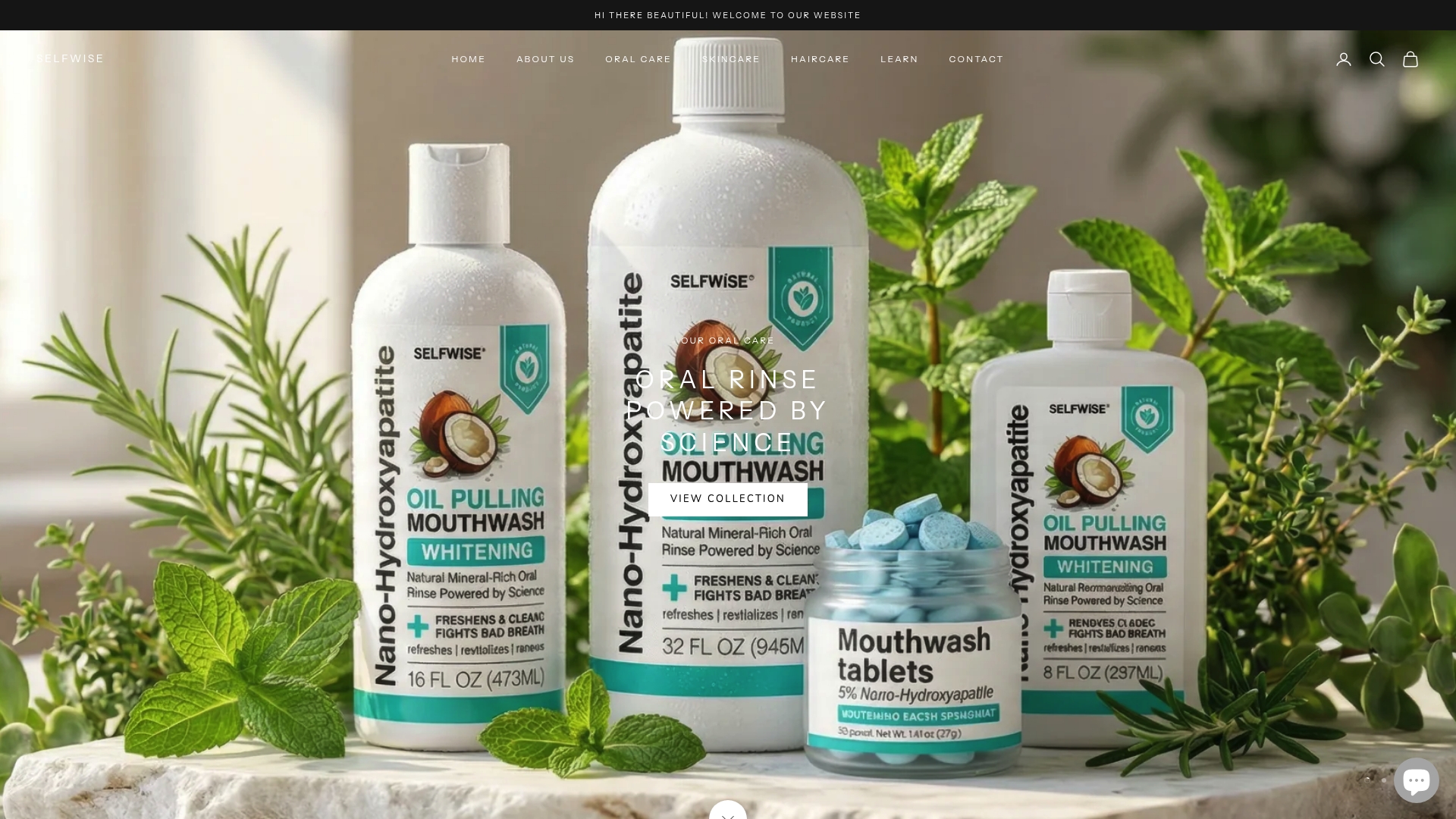
At Selfwise, we formulate around ingredients that genuinely support enamel health without harsh chemicals or unnecessary abrasives. Our fluoride-free mouthwash options are gentle enough for sensitive post-whitening teeth while still doing the work of rinsing away staining particles and supporting a healthy oral environment. For targeted enamel support, our mouthwash tablets with nano hydroxyapatite help remineralize tooth surfaces so your enamel becomes more resilient over time, making it harder for stains to take hold. Explore the full oral care collection and build the kind of routine that makes your whitening results last.
Frequently asked questions
What happens if I eat stain-causing foods right after whitening?
Consuming stain-causing foods immediately after whitening can result in uneven discoloration and significantly reduced brightness, because your enamel is far more absorbent than usual in the hours following treatment.
How soon can I drink coffee after teeth whitening?
Waiting at least 48 hours is the minimum recommendation, but holding off for a full week gives your enamel enough time to close and significantly extends how long your results last.
Are there safe foods to eat after whitening?
Yes, foods like plain chicken, white rice, eggs, cauliflower, plain yogurt, and water are all excellent choices because they are both low in pigment and gentle on freshly treated enamel.
Can natural oral care products help prolong whitening?
Gentle products formulated with ingredients like nano hydroxyapatite and xylitol support enamel remineralization and help reduce stain adhesion, which measurably extends the life of your whitening results.
Is it okay to use mouthwash right after teeth whitening?
Using a gentle, non-abrasive, and colorless mouthwash is safe and can actually help rinse away particles, but avoid any mouthwash with strong dyes, high alcohol content, or harsh chemical additives.