Clean Teeth Without Harsh Additives: Your 2026 Guide
Clean teeth without harsh additives means using natural ingredients like baking soda, nano hydroxyapatite, and coconut oil to remove plaque, remineralize enamel, and freshen breath without synthetic chemicals or aggressive abrasives. The standard dental term for this approach is “natural oral care,” and it covers everything from DIY toothpaste to oil pulling routines. Baking soda toothpastes are nearly twice as effective at plaque removal compared to conventional formulas, and they cost a fraction of the price. Selfwisebrand builds its entire product line around this principle: simple, science-backed ingredients that actually clean without the chemical load.
What ingredients are safe for clean teeth without harsh additives?
The most effective natural cleaning agents are baking soda, coconut oil, and nano hydroxyapatite. Each one does a specific job, and knowing the difference helps you build a routine that works.
Baking soda is alkaline, which means it neutralizes mouth acids that erode enamel and gently lifts surface stains without the harsh abrasion of chemical bleaches. It is mildly abrasive, so dentists recommend using it intermittently rather than as your only daily cleaner. Paired with gentle mineral abrasives like hydrated silica, baking soda can clinically whiten teeth without triggering sensitivity.
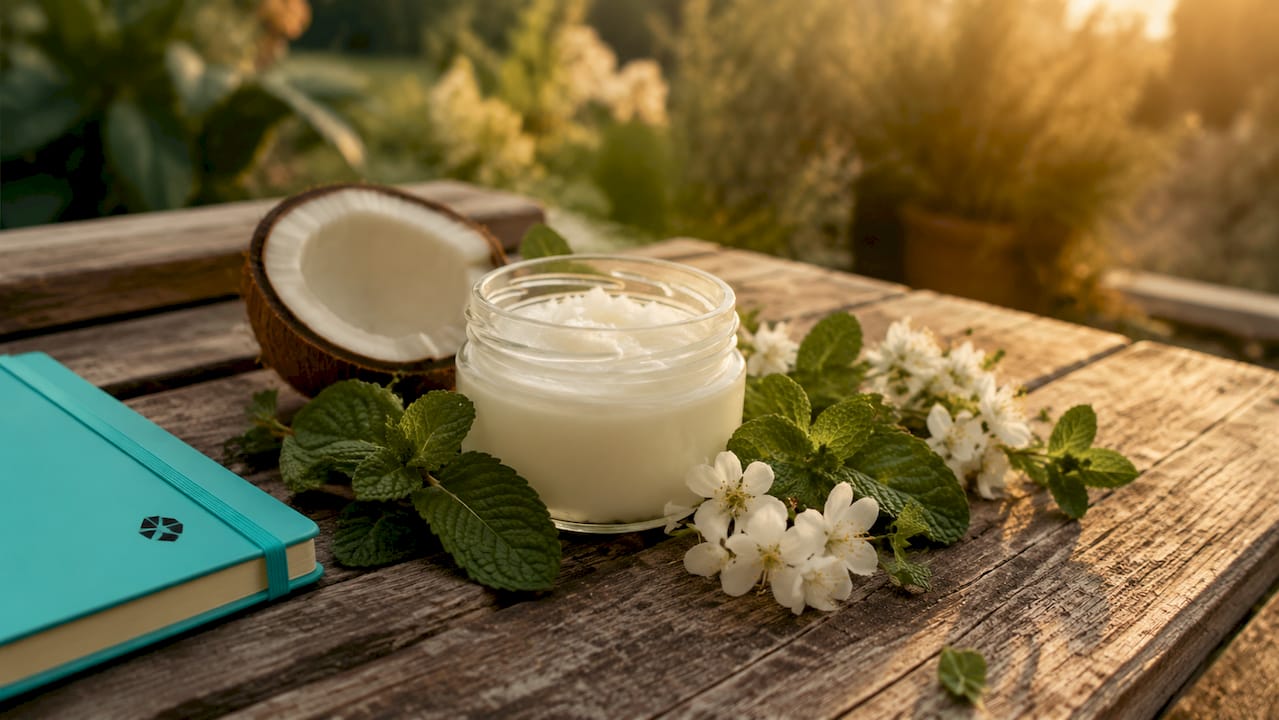
Coconut oil contains lauric acid, a fatty acid with well-documented antimicrobial properties. It disrupts the cell membranes of bacteria responsible for plaque and bad breath. Oil pulling, the practice of swishing coconut oil for 10–15 minutes, extends this contact time and reaches areas a toothbrush misses.
Nano hydroxyapatite is the ingredient that separates modern natural oral care from old-school baking soda pastes. Hydroxyapatite and theobromine fill microscopic enamel cracks, making it harder for bacteria to settle. This is structural repair, not just surface cleaning. People with sensitive teeth get the most noticeable benefit because the ingredient physically fills the exposed dentinal tubules that cause pain. You can read more about how this works in Selfwisebrand’s guide on enamel strengthening.
Ingredients to avoid
Not all “natural” labels mean gentle. Watch out for these:
- Sodium lauryl sulfate (SLS): A foaming agent linked to mouth ulcers and tissue irritation in sensitive people.
- Triclosan: An antibacterial agent with endocrine-disruption concerns, now banned in many personal care products.
- Artificial sweeteners and synthetic dyes: No oral health benefit, and some people react to them with gum inflammation.
- High-RDA abrasives: Relative Dentin Abrasivity above 70 can wear enamel over time. Baking soda sits well below this threshold.
Pro Tip: If you want to check whether a toothpaste without chemicals is genuinely gentle, look for the RDA value on the packaging or manufacturer’s website. Anything under 70 is considered safe for daily use.
How do you make natural toothpaste at home?
A basic DIY toothpaste takes about five minutes to prepare and lasts two weeks at room temperature. The three-ingredient base is reliable, and you can customize it once you know how each component behaves.
The basic recipe
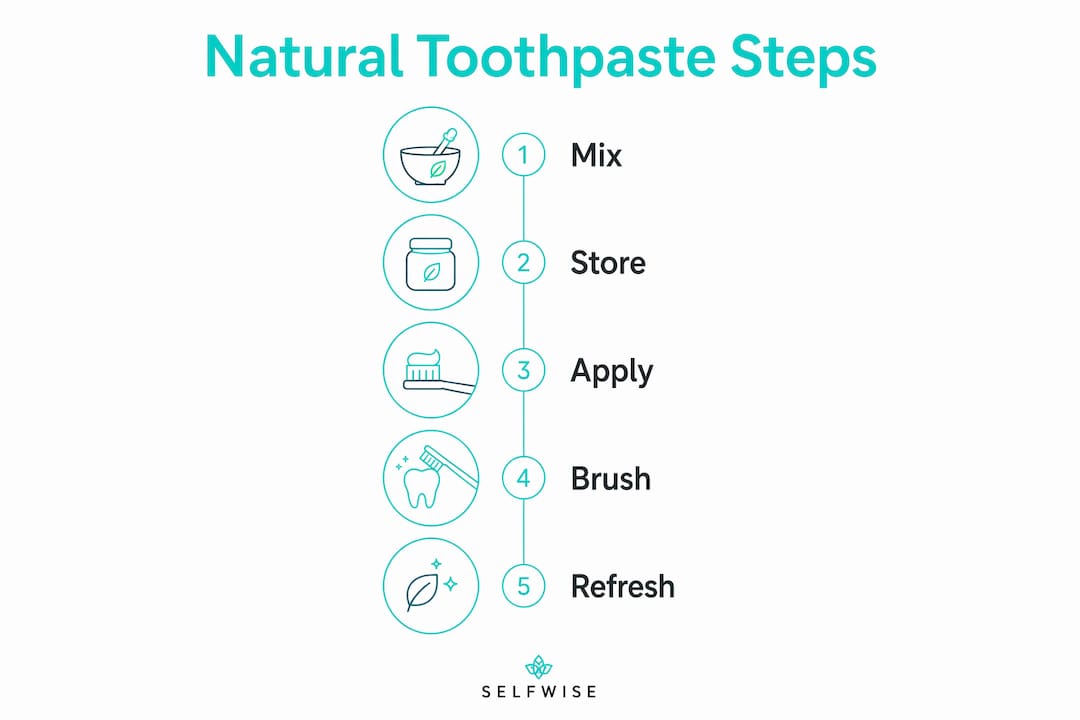
- Measure 2 tablespoons of baking soda into a small glass bowl.
- Add 2 tablespoons of softened coconut oil. Do not microwave the oil. Instead, warm it gently in a warm water bath or leave it at room temperature until it softens. Microwaving degrades lauric acid and reduces the oil’s antimicrobial effect.
- Mix the dry baking soda thoroughly before adding the coconut oil. This prevents a gritty texture in the finished paste.
- Add 5–10 drops of peppermint or spearmint essential oil for flavor and additional antibacterial action.
- Stir until smooth, then transfer to a glass jar with a lid.
Storage and handling
| Factor | Recommendation |
|---|---|
| Container material | Glass jar with a tight lid |
| Utensils | Non-metal spoon only |
| Storage location | Cool, dry place away from direct sunlight |
| Shelf life | Up to 2 weeks at room temperature |
| Signs of spoilage | Separation, off smell, or color change |
Avoid metal utensils when mixing or scooping. Metal reacts with baking soda and can affect both consistency and safety. A bamboo or silicone spoon works well.
Pro Tip: Make small batches every two weeks rather than a large batch monthly. Fresh paste performs better and reduces the risk of coconut oil going rancid in warm climates.
If you want to skip the DIY process entirely, Selfwisebrand’s natural oral care guide covers ready-made alternatives that use the same ingredient principles without the preparation work.
What are the best brushing practices with natural products?
Brushing technique matters as much as the paste you use. Slow, deliberate brushing twice daily produces better results with natural products than fast, aggressive scrubbing with conventional toothpaste.
Follow these practices to get the most from your routine:
- Brush for two full minutes, twice daily. Use a timer. Most people stop at 45 seconds.
- Use a soft-bristle toothbrush. Medium and hard bristles wear enamel, especially when you are brushing with a mildly abrasive paste like baking soda.
- Do not rinse vigorously immediately after brushing. Avoiding aggressive rinsing keeps natural ingredients like nano hydroxyapatite in contact with enamel longer, which improves remineralization.
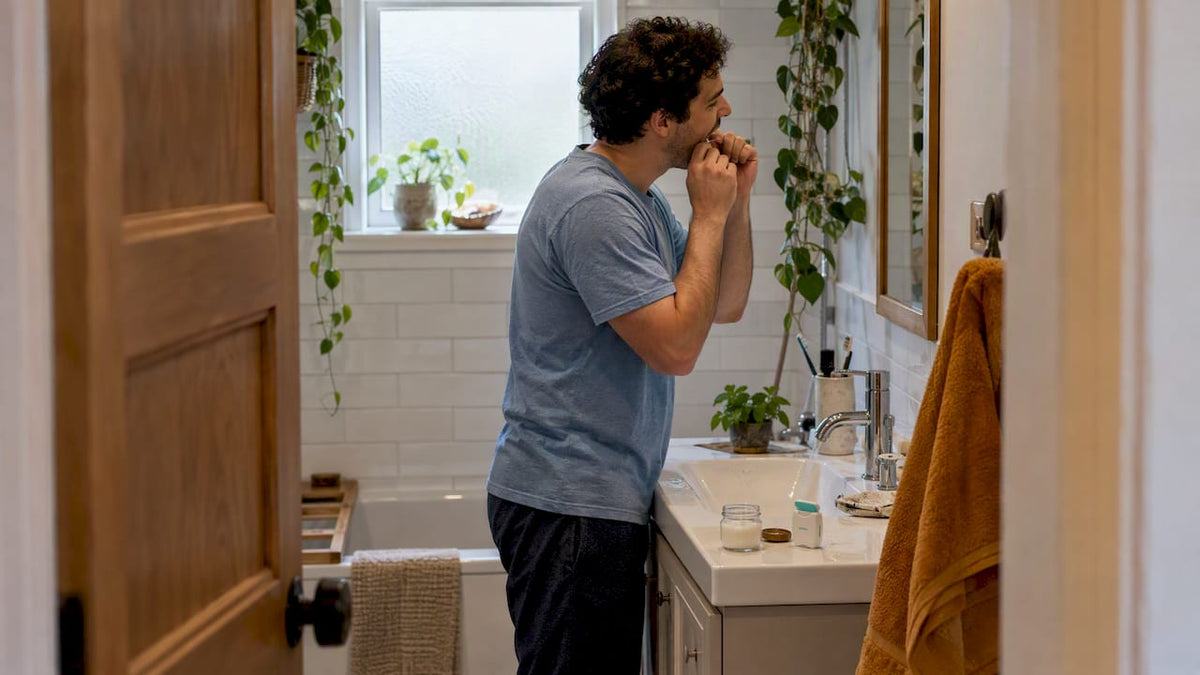
- Floss once daily. Natural toothpaste does not reach between teeth. Flossing removes the biofilm that causes gum disease and cavities in the spaces a brush cannot reach.
- Clean your tongue. A tongue scraper removes the bacterial film that causes bad breath. This is especially useful when you are using oil pulling as part of your routine.
- Angle the brush at 45 degrees to the gumline. This targets the sulcus, the small gap between tooth and gum where plaque accumulates most aggressively.
For a detailed breakdown of technique, Selfwisebrand’s guide on brushing effectively covers each step with natural products in mind. Avoiding harsh chemicals in your skincare routine follows the same logic: gentle, consistent application beats aggressive treatment every time.
How do you handle common challenges when switching to natural oral care?
Switching to toothpaste without chemicals is not always smooth. Most people hit at least one of these issues in the first two to four weeks.
Sensitivity spikes are common when you stop using fluoride toothpaste. The good news is that hydroxyapatite actively repairs enamel structurally, rather than just cleaning chemically. Switching to a nano hydroxyapatite formula is the most direct fix. Selfwisebrand’s hydroxyapatite calcium guide explains the remineralization process in plain terms.
Texture complaints usually come from poorly mixed baking soda paste. Mixing dry powders before adding oil eliminates most grittiness. If the texture still bothers you, reduce the baking soda ratio or switch to a finer-grade powder.
Doubts about effectiveness peak around week two, when people miss the heavy foam of SLS-based toothpaste. Foam does not clean. It is a sensory cue with no cleaning function. Plaque removal depends on mechanical brushing and ingredient contact time, not lather.
“Natural does not mean ineffective. Ingredients like hydroxyapatite actively repair enamel structurally rather than just cleaning chemically. The absence of foam is not the absence of results.”
When to see a dentist: If sensitivity persists beyond four weeks, or if you notice bleeding gums that do not improve, book an appointment. Natural oral care supports dental health but does not replace professional care. Consistency matters more than any single ingredient. Give your routine at least 30 days before judging results.
Key Takeaways
Natural oral care with baking soda, coconut oil, and nano hydroxyapatite delivers clean, healthy teeth without the chemical additives found in conventional toothpaste.
| Point | Details |
|---|---|
| Baking soda efficacy | Baking soda toothpastes remove plaque nearly twice as effectively as conventional formulas. |
| Nano hydroxyapatite repairs | Nano hydroxyapatite fills enamel cracks structurally, reducing sensitivity and hardening teeth. |
| DIY toothpaste basics | A three-ingredient baking soda, coconut oil, and essential oil paste lasts two weeks at room temperature. |
| Brushing technique counts | Slow, two-minute brushing twice daily maximizes the benefit of every natural ingredient. |
| Transition takes time | Allow at least 30 days before evaluating results after switching away from conventional toothpaste. |
Why I stopped second-guessing natural oral care
I spent years recommending natural oral care while quietly wondering if the results were real or just wishful thinking. The turning point was watching people with genuine enamel sensitivity report less pain after four weeks on nano hydroxyapatite, not because they believed it would work, but because the structural repair is measurable. That is not a placebo effect. That is chemistry.
The mistake most people make when switching is treating natural products like a weaker version of what they already use. They brush faster, rinse more aggressively, and then blame the paste when their teeth feel less clean. The technique is the variable they are not accounting for. Slow, deliberate brushing with a soft bristle brush and a nano hydroxyapatite or baking soda paste outperforms rushed brushing with any conventional formula.
The 2026 research updates on hydroxyapatite have only strengthened my confidence. The evidence for structural enamel repair is now strong enough that I no longer treat it as an alternative. It is the standard I recommend first. If you are still on the fence, start with the DIY recipe in this article and give it 30 days. The results will answer the question better than any argument I can make.
— Viktor
Selfwisebrand’s natural oral care lineup
Selfwisebrand formulates every product around the same principle this article covers: simple ingredients, real results, no chemical shortcuts.
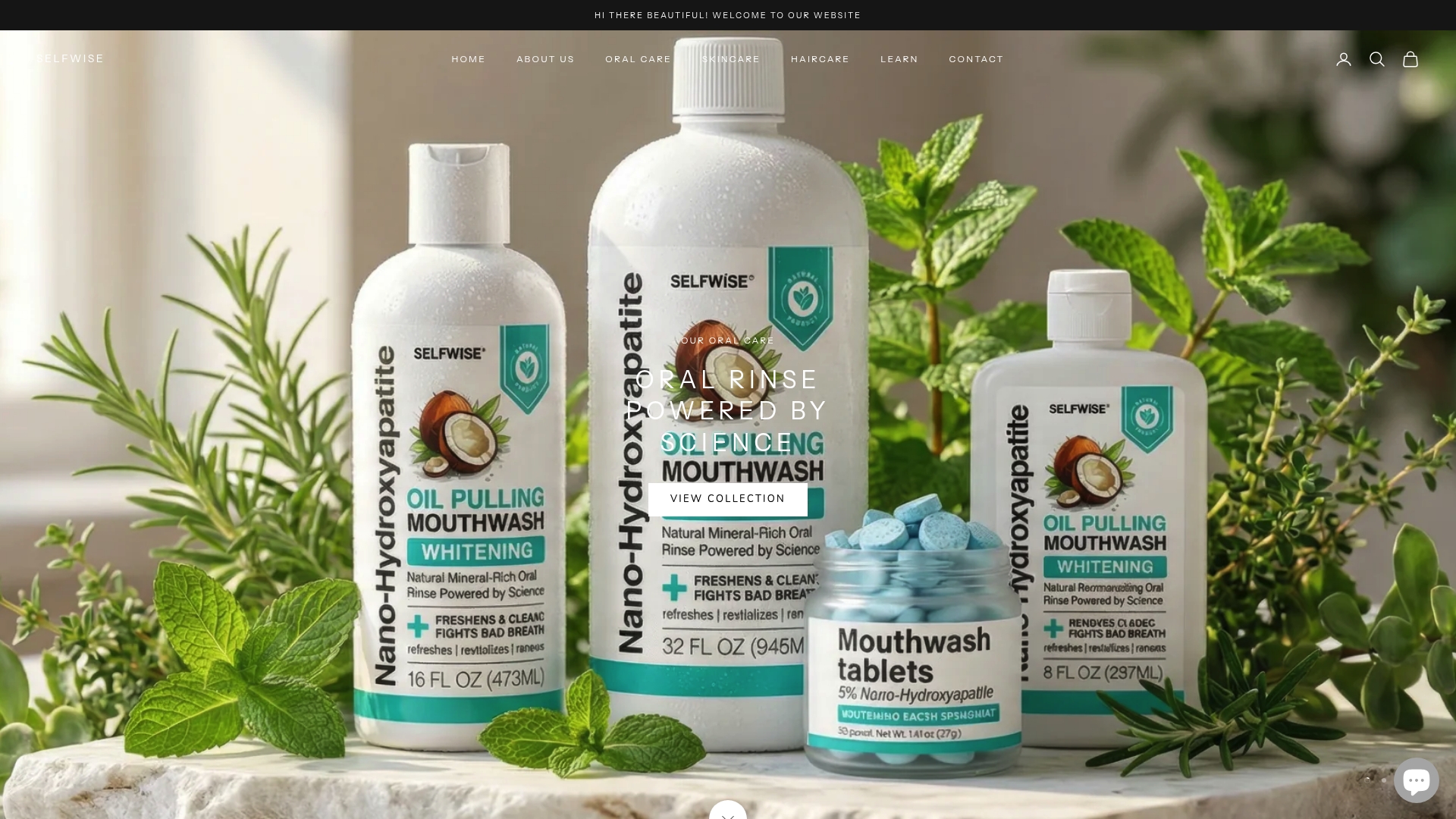
The fluoride-free collection includes toothpaste alternatives built with nano hydroxyapatite and xylitol for people who want enamel support without fluoride. For those who want to extend their routine, the nano hydroxyapatite oil pulling mouthwash combines traditional oil pulling with modern remineralization in one product. Every formula skips SLS, artificial dyes, and synthetic preservatives. If you are ready to build a gentle oral care routine that holds up to daily use, Selfwisebrand’s products are formulated to do exactly that.
FAQ
What is the safest natural ingredient for cleaning teeth?
Nano hydroxyapatite is the safest and most effective natural cleaning and repair ingredient available. It remineralizes enamel structurally and reduces sensitivity without fluoride or harsh abrasives.
How long does homemade natural toothpaste last?
A DIY coconut oil and baking soda toothpaste lasts up to two weeks at room temperature when stored in a glass jar with a tight lid.
Can baking soda damage tooth enamel?
Baking soda is mildly abrasive with a low RDA value, making it safe for intermittent use. Daily use over long periods without other remineralizing ingredients is not recommended.
Does natural toothpaste actually remove plaque?
Yes. Baking soda toothpastes remove plaque nearly twice as effectively as conventional formulas, and mechanical brushing technique accounts for most of the cleaning regardless of which paste you use.
When should I see a dentist after switching to natural oral care?
See a dentist if sensitivity persists beyond four weeks or if gum bleeding does not improve after a month of consistent natural care.