Article: Xylitol Mouthwash Side Effects: Why 20 g Matters When Swallowed
Xylitol Mouthwash Side Effects: Why 20 g Matters When Swallowed
Routine swish-and-spit use of xylitol mouthwash is generally considered safe, because topical exposure produces negligible systemic absorption, according to Cleveland Clinic reporting. Digestive side effects come from swallowing more than about 20 g, not from rinsing. Keep every xylitol product away from dogs, and stop using any mouthwash that causes strong burning or sores.
TL;DR:
- Digestive effects such as bloating, gas, and loose stools are linked to swallowing more than about 20 g of xylitol, not routine rinsing.
- Mouth burning or peeling often points to additives such as alcohol, SLS, or essential oils; stop use and seek care for painful or persistent lesions.
- Xylitol can poison dogs at very low doses, and symptoms may start within 20 minutes; keep products away and call a veterinarian after exposure.
- Evidence for cavity prevention is strongest for gum or lozenges at 5 to 10 g daily; mouthwash supplements brushing and flossing.
- Cardiovascular concerns come from high blood xylitol after sweetened drinks; platelet findings do not reflect the much smaller exposure from rinsing and spitting.
Table of Contents
- Which local side effects can mouthwash cause?
- Why swallowing xylitol is different from rinsing with it
- Who should take extra care around xylitol products?
- Is it really xylitol, or something else in the bottle?
- What does the evidence say about dental benefits?
- Why we formulate gentle xylitol mouthwashes
- Gentle xylitol mouthwash from Selfwise
- FAQ
- Sources
Which local side effects can mouthwash cause?
Mouthwash can cause local reactions such as burning or stinging during a swish. Some people also notice a thin layer of surface tissue that looks white and peels away, which dentists call mucosal sloughing, along with temporary white patches or a brief change in taste.
These reactions may not trace back to xylitol itself. Most point to the other ingredients in the bottle, which we cover below. If something shows up, work through this list:
- Stop using the product right away and let the tissue calm down.
- Read the full ingredient list for alcohol, essential oils or detergents.
- Check the full ingredient list for ingredients that may be irritating to you.
- Switch to an alcohol-free, SLS-free formula, or rinse with plain saline for a few days.
- Contact a dentist or doctor about lesions, especially if they are painful or persist.
If the burn shows up after whitening products rather than mouthwash, ClearRetain’s guide to whitening gel on gums explains how to manage that type of irritation.
Pro Tip: Change only one oral-care product at a time. If you swap your toothpaste, mouthwash and whitening strips together, you will never know which one caused the problem.
Our guide on why mouthwash burns sensitive mouths goes deeper on this.
Why swallowing xylitol is different from rinsing with it
Systemic side effects belong to ingestion. Clinical reviews tie bloating, gas and loose stools to intakes above roughly 20 g of xylitol, and symptoms fade once intake stops. Sugar alcohols draw water into the gut, so a large dose can cause osmotic diarrhea in some people, while regular users often adapt over time.
The cardiovascular headlines deserve context too. A study found that high circulating xylitol was associated with major adverse cardiac events, and volunteers who drank a xylitol-sweetened beverage showed more reactive platelets afterward.
Plasma xylitol can rise 1,000-fold within 30 minutes after a xylitol-sweetened drink, a spike that standard oral-care use does not approach. Cleveland Clinic reporting links the cardiovascular signal to large-scale ingestion, rather than routine rinsing.
The practical takeaways:
- A swish-and-spit rinse leaves only trace systemic exposure.
- The platelet findings come from drinking sweetened beverages, a very different dose and route.
- Concentrated xylitol products should be spat out, never swallowed.
- If you have heart disease, mention your sweetener intake to your doctor.
Who should take extra care around xylitol products?
Dogs are the biggest concern. The FDA warns that xylitol is highly toxic to dogs at very low doses and that human oral-care products are a common source of accidental poisoning. Symptoms can start within 20 minutes, and serious effects may appear 12 to 24 hours later, because xylitol triggers a rapid insulin release and dangerous low blood sugar in dogs.
A few habits keep households safe:
- Store mouthwash, toothpaste, gum and lozenges out of reach of pets.
- Never use human toothpaste or mouthwash on your dog.
- Supervise young children, who may swallow rinse, and lock away concentrated xylitol forms.
- Call your vet immediately if a dog gets into any xylitol product.
People with unexplained mouth sores or a known contact allergy can ask a dentist or doctor about whether to resume use.
Is it really xylitol, or something else in the bottle?
Usually it is something else. Dental researchers note that irritation and sloughing are often caused by additives such as high alcohol concentrations, essential oils or surfactants like SLS, rather than xylitol.
- Alcohol and SLS are among the ingredients that may irritate oral tissues.
- Cinnamic aldehyde, a flavoring ingredient, is among the contactants described in histopathology literature.
Histopathology literature describes reversible sloughing, swelling and white plaques from a strong alcohol and essential-oil rinse, and those cases typically resolve once the offending agent is removed. Our comparison of alcohol-free and regular mouthwash shows what to look for on labels.
Stop using the suspected product and check its ingredients. An alcohol-free, SLS-free formula may be a better option, but symptoms clearing does not establish which ingredient caused them.
Pro Tip: Photograph any white patches on day one. A visible record helps a clinician judge whether they are healing.
What does the evidence say about dental benefits?
The strongest caries evidence comes from chewing gum or lozenges delivering roughly 5 to 10 g daily, usually after meals. Mouthwash-specific evidence is more limited, so a rinse works best as an adjunct to brushing and flossing, not a replacement. Our guide to xylitol dosing for teeth covers the numbers in more detail.

Use it like this: swish for the time the label directs, spit it out, and repeat once or twice daily. Pairing it with remineralizing approaches such as nano hydroxyapatite makes conceptual sense, as we explain in our guide to xylitol mouthwash paired with nano hydroxyapatite. If xylitol is a major part of your prevention plan, talk with your dentist.
When choosing a gentle rinse:
- Confirm it is alcohol-free.
- Check that it contains no SLS.
- Avoid strong cinnamon or other harsh flavorings.
- Read the directions for how long to swish.
- Keep it away from pets and children.
| Question | Short answer |
|---|---|
| Strongest evidence | Gum or lozenges, 5 to 10 g daily |
| Mouthwash role | Adjunct to brushing and flossing |
| Method | Swish, then spit |
| Formula to consider | Alcohol-free and SLS-free |
Why we formulate gentle xylitol mouthwashes
Our priorities are simple ingredients and no alcohol. We offer products with xylitol and nano hydroxyapatite. For xylitol, routine mouthwash use produces negligible systemic absorption, according to Cleveland Clinic reporting. If you have a question about an ingredient or which product suits you, reach out to our customer support team. We would rather you ask than guess.
— Viktor
Gentle xylitol mouthwash from Selfwise
Our alcohol-free, simple-ingredient xylitol mouthwashes are available in our collection. When you shop any rinse, look for these on the label:
- Alcohol-free
- SLS-free
- Gentle flavoring without cinnamon-heavy oils
- A short, readable ingredient list
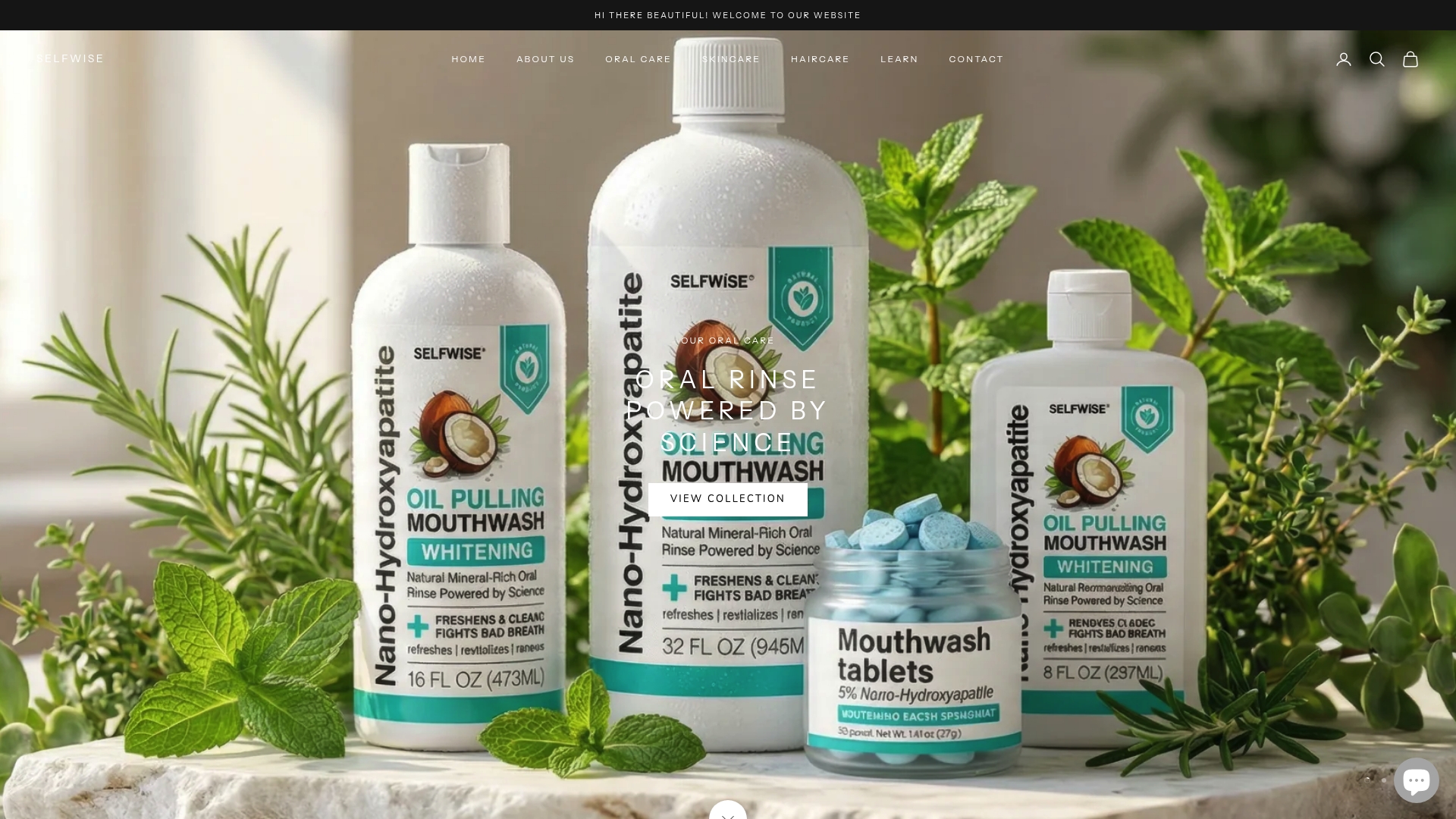
Browse our mouthwash collection or the full oral care range to find a formula that fits your routine.
This article is general information, not a substitute for advice from a qualified doctor. Consult a qualified healthcare professional about your own circumstances before acting on anything here.
FAQ
Is xylitol okay in mouthwash?
Yes, for swish-and-spit use it is generally considered safe, since topical exposure is trace. Systemic side effects are linked to swallowing large amounts.
Who should avoid xylitol?
Pet owners should keep all xylitol products away from dogs, because the FDA warns of severe toxicity. People with contact allergies or unexplained mouth lesions should ask a dental professional first.
What do dentists think of xylitol?
The strongest support is for gum and lozenges, where the American Dental Association notes the best caries-prevention evidence at 5 to 10 g daily. Mouthwash evidence is more limited, so dentists treat it as an add-on.
What is the downside of xylitol gum?
Chewing a lot of it can mean swallowing enough xylitol to cause bloating, gas or loose stools. Those symptoms are tied to intakes above about 20 g and ease once you cut back.
Sources
- Pmc
- Xylitol Linked to Heightened Cardiovascular Risk
- Paws Off Xylitol; It’s Dangerous for Dogs | FDA
- Xylitol is prothrombotic and associated with cardiovascular risk
- Scholarscompass