Article: Xylitol Side Effects: 5–10 Grams for Teeth and Nano Hydroxyapatite
Xylitol Side Effects: 5–10 Grams for Teeth and Nano Hydroxyapatite
Xylitol is widely regarded as safe for human oral care, with the FDA and American Dental Association both supporting its use in dental products. The main thing to watch for is gastrointestinal upset at higher doses, with newer cardiovascular research still preliminary. One warning is not preliminary at all: xylitol is severely toxic to dogs, and that risk deserves separate, serious attention.
TL;DR:
- Dental research commonly cites 5 to 10 grams daily, divided across three to five after meal exposures; the ADA recommends gum or lozenges for 10 to 20 minutes.
- Bloating, gas, and loose stools are dose dependent; sweetened drinks can trigger symptoms at lower doses than gum or lozenges, so increase intake gradually.
- Cardiovascular concerns come from observational blood measurements that may reflect internal metabolism, not dietary intake; professional dental guidance has not changed.
- Store xylitol well out of dogs’ reach because ingestion can cause rapid hypoglycemia, and avoid gum for very young children who may choke.
Table of Contents
- Regulatory and review-level evidence about xylitol
- Gastrointestinal effects: mechanism, symptoms, and mitigation
- Recommended dental dosing and how to build tolerance
- What recent cardiovascular studies found and how to interpret them
- Xylitol and blood sugar: what people with metabolic concerns should know
- Children, pregnancy, allergies, and pet safety
- How to use xylitol in a practical oral-care routine
- A balanced view on xylitol in oral care
- A gentler way to build xylitol into your routine
- FAQ
- Sources
Regulatory and review-level evidence about xylitol
Xylitol sits in a well-studied category. The FDA classifies it as a sugar alcohol generally recognized as safe, noting it does not promote tooth decay and has a negligible effect on blood glucose. The ADA backs this up with practical guidance for caries prevention.
- The FDA lists xylitol as GRAS for use in foods and dental products.
- The ADA recommends sucrose-free polyol gum or lozenges for 10 to 20 minutes after meals for people at higher caries risk.
- Long-running feeding trials, including the Turku Sugar Studies, established the dose ranges still cited in dental literature today.
Habitual dental dosing of about 5 to 10 grams per day, divided across several exposures, is the range most often cited in peer-reviewed caries research as effective for reducing cavity-causing bacteria.
Gastrointestinal effects: mechanism, symptoms, and mitigation
Xylitol is absorbed slowly in the small intestine. What the body does not absorb travels into the lower gut, where it draws in water and ferments, producing the bloating, gas, and loose stools some people notice after eating too much of it.
These effects are dose-dependent. Reviews of sugar alcohol trials show that beverages trigger symptoms at lower amounts than solid foods do, likely because liquids move through the gut faster and deliver a bigger dose in one sitting.
- Common symptoms include bloating, flatulence, and osmotic diarrhea.
- Sweetened drinks tend to cause problems at lower doses than gum, mints, or lozenges.
- Feeding trials show tolerance often improves with repeated exposure over time.
Pro Tip: Pair xylitol with a meal that includes some fiber or bulk rather than taking it on an empty stomach; this tends to blunt the osmotic effect.
Gradual exposure matters more than total amount. The same research on sugar alcohols found that people who introduced xylitol slowly experienced fewer symptoms than those who started with a large single dose.
Recommended dental dosing and how to build tolerance
Most dental benefit comes from consistent, moderate exposure rather than one large dose.
- Start with a single piece of xylitol gum or one lozenge after a meal to see how your gut responds.
- Work up gradually toward the commonly cited preventive range of 5 to 10 grams per day, split across three to five exposures after meals.
- Hold at a comfortable level once you notice no GI symptoms, since more frequent low-dose contact with teeth matters more than a single large dose.
Most adults tolerate amounts well above typical dental doses without issue, and GI symptoms generally only show up at much higher single-sitting amounts. Children need smaller amounts and closer supervision, which the special considerations section below covers in more detail.
What recent cardiovascular studies found and how to interpret them
A recent paper drew attention for linking elevated xylitol levels in blood samples with cardiovascular events. Before changing anything about routine oral-care use, it helps to understand what that study actually measured.
- The association was observational, meaning it shows a correlation, not a proven cause.
- Blood xylitol levels can reflect the body’s own pentose phosphate pathway, an internal metabolic process, rather than how much dietary xylitol someone consumed.
- The sample population skewed toward people already at elevated cardiovascular risk, which raises the possibility of reverse causation or confounding.
A peer-reviewed commentary examining this research raises exactly these concerns about the original model.
Elevated xylitol measured in clinical samples may reflect underlying metabolic dysregulation rather than a direct effect of dietary xylitol intake.
No dental or professional body has changed its guidance on low-dose oral-care xylitol based on this single study, and researchers have called for further work before drawing firm conclusions.
Xylitol and blood sugar: what people with metabolic concerns should know
Xylitol produces a minimal glycemic and insulin response compared with sucrose, which is part of why it shows up in products marketed to people managing blood sugar. The FDA notes its negligible effect on blood glucose, a result of how slowly it absorbs compared with regular sugar.
That slower absorption is also what causes the GI effects covered above, so the same property that makes xylitol gentler on blood sugar is the one worth pacing yourself around. Anyone managing diabetes or another metabolic condition should still run new sweeteners by their healthcare provider before making them a regular habit.

Children, pregnancy, allergies, and pet safety
Xylitol’s safety profile shifts depending on who is using it.
- Give children smaller, slower-dissolving forms like lozenges rather than gum, and skip gum entirely for very young kids who might swallow it whole or choke.
- Pregnant individuals have limited direct research on xylitol specifically, so general prenatal dietary guidance and a conversation with a provider are the safer path.
- Stop use and watch for unusual symptoms if you notice hives, swelling, or other signs of sensitivity, since individual reactions can vary.
- Dogs face a severe, time-sensitive danger: the FDA warns that xylitol causes rapid, life-threatening hypoglycemia in dogs, so store any xylitol product well out of reach of pets.
How to use xylitol in a practical oral-care routine
Sustained contact with teeth is what drives the dental benefit, which is why format matters. Chewing gum, slow-dissolve lozenges, and mouthwash tablets all keep xylitol active in the mouth longer than a quick rinse does, something the ADA’s after-meal gum and lozenge guidance reflects directly.
- After meals, use a xylitol lozenge or a few minutes of gum to extend contact time with plaque.
- Follow with a separate remineralizing step, such as a nano hydroxyapatite rinse, to support enamel.
- Start at one exposure per day and build toward 5 to 7 grams in split doses, watching for any GI discomfort along the way.
Pro Tip: Keep the xylitol step and the remineralizing step separate rather than mixing products, so each ingredient gets its own uncompromised contact time with your teeth.
For more on pairing formats, see our comparison of xylitol mouth rinses and our breakdown of chewing gum versus mouthwash for sustained oral contact.
A balanced view on xylitol in oral care
The loudest headlines about xylitol tend to skip the dose and the method entirely. Used the way dental research actually supports, a few grams spread across the day, it is one of the more defensible tools in a prevention-focused routine, not a risk to manage around. The real judgment call is not whether to use xylitol but how to introduce it: slowly, with attention to your own gut, and alongside good basics like brushing and a dentist you actually see. Treat new research on blood markers as a reason to stay curious, not a reason to panic.
— Viktor
A gentler way to build xylitol into your routine
We build our oral care line around the same principle this research points to: xylitol works best alongside ingredients that support the rest of your mouth.
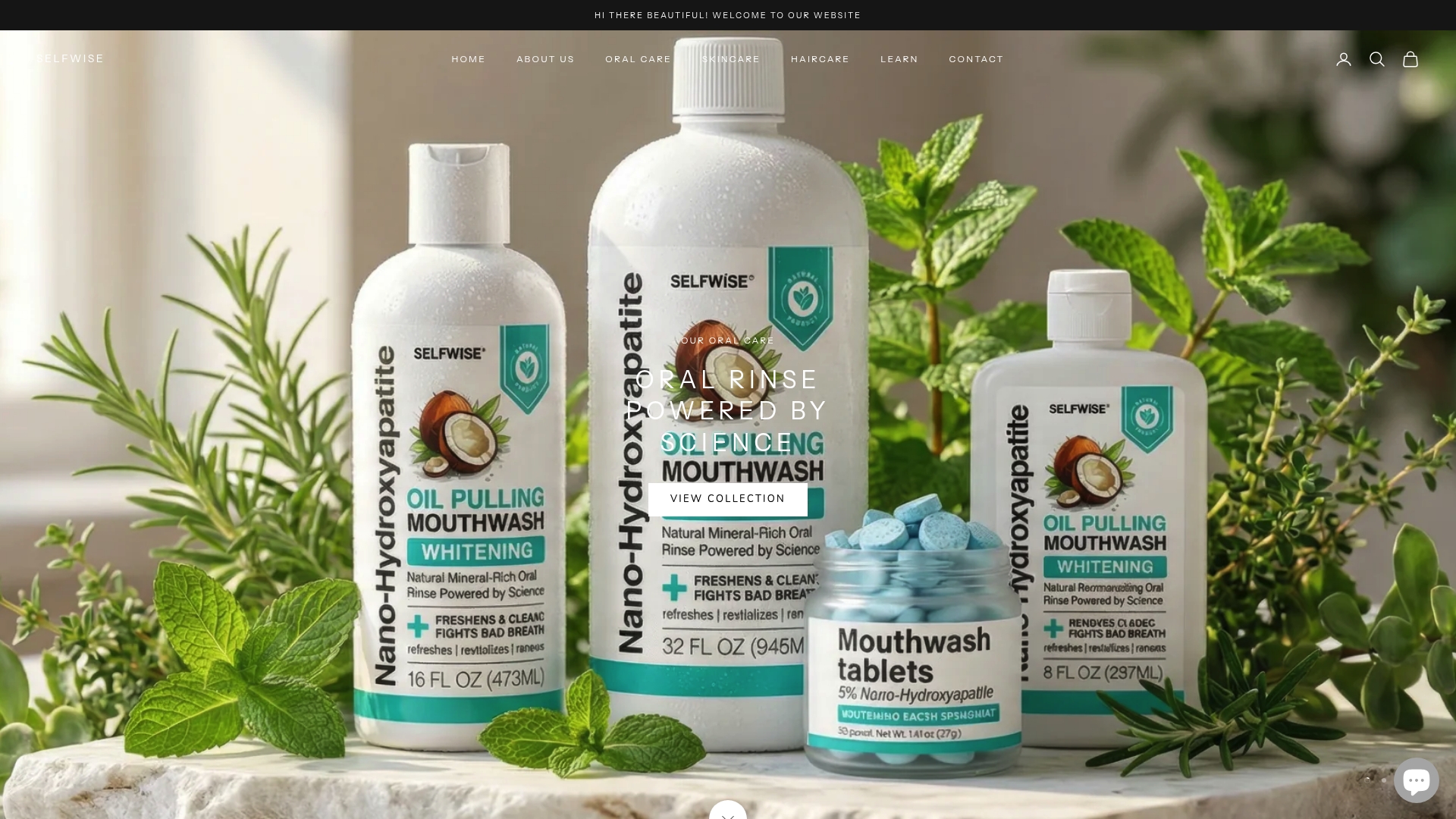
- Our xylitol mouthwash with nano hydroxyapatite combines both ingredients without fluorine, alcohol, or harsh additives.
- Browse our full oral care collection to see ingredient lists and usage instructions before you choose a starting point.
If you are curious how a professional reinforces at-home prevention, our partners at Bay Area Dental, Airway & Sleep cover noninvasive treatment options worth knowing about alongside your daily routine.
This article is general information, not a substitute for advice from a qualified doctor. Consult a qualified healthcare professional about your own circumstances before acting on anything here.
FAQ
Is chewing gum with xylitol safe?
Yes, xylitol gum is considered safe for most people and is specifically recommended by the ADA for 10 to 20 minutes after meals to help reduce cavity risk. The main caution is portion size, since large amounts in one sitting can cause temporary GI discomfort.
Is sucralose better than sugar?
Sucralose and xylitol both avoid the blood sugar spikes that come with regular sugar, but they work differently: sucralose passes through largely unmetabolized, while xylitol has mild dental benefits sucralose does not share. Neither carries the GI caveats of xylitol at typical sucralose intake levels, since sucralose is not fermented the same way in the gut.
What are some common uses for xylitol?
Xylitol shows up in sugar-free gum, mints, lozenges, mouthwash, and some baked goods and tabletop sweeteners. In oral care specifically, it is used for its ability to interfere with the bacteria that cause cavities when used consistently after meals.
How does xylitol affect blood sugar levels?
Xylitol has a negligible effect on blood glucose compared with regular sugar, since it absorbs and metabolizes much more slowly. People managing diabetes should still check with a healthcare provider before relying on it regularly.
Can xylitol cause diarrhea?
Yes, at high enough single doses xylitol can cause osmotic diarrhea and bloating because unabsorbed portions draw water into the lower gut. Starting with small amounts and increasing gradually significantly reduces this risk for most people.