Article: Nano Hydroxyapatite and Xylitol: How to Use Mouthwash Tablets Safely
Nano Hydroxyapatite and Xylitol: How to Use Mouthwash Tablets Safely
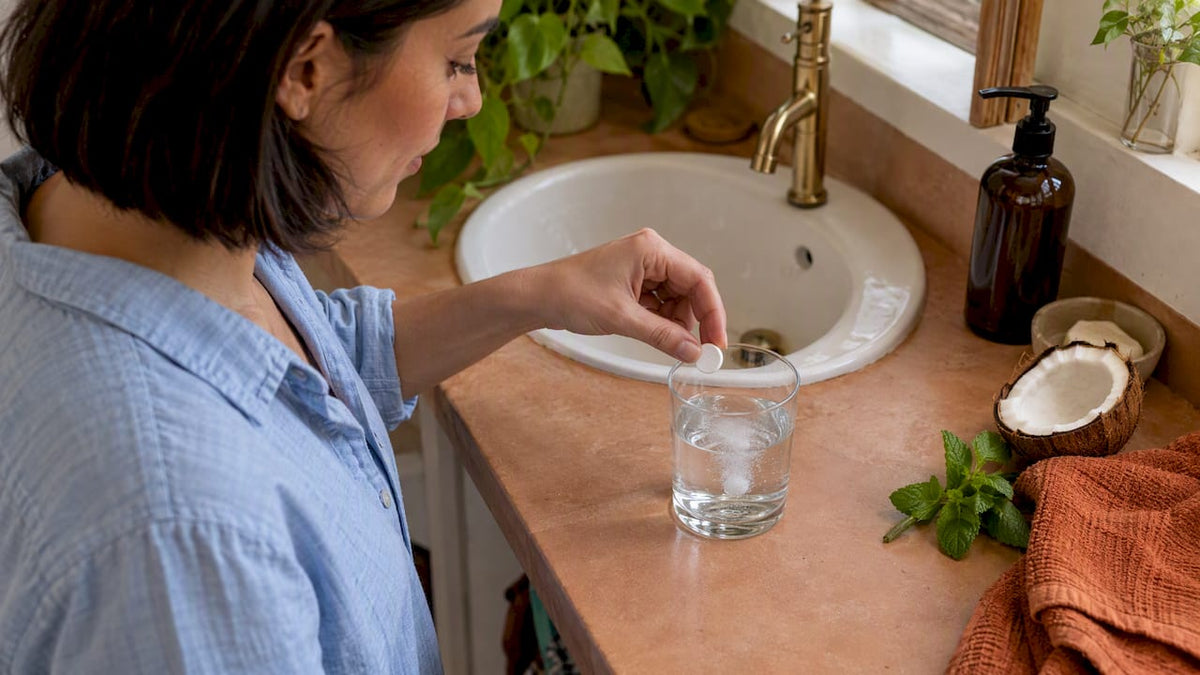
Drop one mouthwash tablet into a small cup of water, wait for it to fully dissolve, swish or gargle the mixture for 30 to 60 seconds, then spit it out completely. Do not swallow the rinse. Check the product label for the exact tablet-to-water ratio and recommended frequency, and avoid rinsing right after brushing with fluoride toothpaste so the fluoride can keep working.
TL;DR:
- Using mouthwash tablets at the recommended ratio ensures effective active ingredient concentration and prevents dilution or overly strong rinses.
- Swish the dissolved tablet for 30 to 60 seconds, reaching all areas but avoid swallowing, especially when supervised with children under 12.
- Waiting 20 to 30 minutes after brushing with fluoride toothpaste preserves fluoride’s effectiveness, making timing crucial for optimal results.
- Natural formulas with nano hydroxyapatite and xylitol lack fluoride but may suit sensitive mouths and require specific label checks for active ingredients.
- Storage in a cool, dry place and using travel-friendly containers prolongs tablet efficacy, with no need for refrigeration or exposing them to humidity.
Table of Contents
- Step-by-step: prepare, dissolve, swish, spit
- Tablet-to-water ratios and dissolution tips
- When to use tablets relative to brushing
- Safety essentials: swallowing, children, and sensitive mouths
- How to store mouthwash tablets and travel with them
- Why people choose mouthwash tablets and what they can’t replace
- Selfwise guidance for natural tablet formulas
- What the research actually supports
- Where to find Selfwise mouthwash tablets
- Sources
- FAQ
Step-by-step: prepare, dissolve, swish, spit
Mouthwash tablets work the same way as liquid mouthwash, just in a different starting form. The process takes under two minutes once you know the sequence.
- Fill a small cup or shot glass with the amount of water listed on your product label, usually a half-ounce to one ounce.
- Drop the tablet in and let it dissolve fully. Some formulas allow chewing first, but only if the label says so.
- Swish or gargle the dissolved liquid for 30 to 60 seconds, reaching your gums, tongue, and the back of your mouth.
- Spit the rinse out completely into the sink. Do not swallow any of it.
Most labels recommend using a tablet once or twice a day, though this varies by formula. Midday use after lunch, before a meeting, or ahead of a social event works well since tablets do not require carrying a bottle.
If a tablet crumbles before it dissolves, just stir the water a bit longer or break it up with a spoon so the pieces dissolve evenly. If you accidentally chew a tablet meant to dissolve whole, it is generally fine as long as you still spit out the resulting liquid rather than swallowing it. Gritty residue usually means the tablet did not fully break down, so give it another 15 to 20 seconds before swishing.

Pro Tip: Keep a dedicated small cup near your sink just for tablets, so you are never guessing at the water amount.
Tablet-to-water ratios and dissolution tips
Getting the ratio right matters more than it might seem. Too much water dilutes the active ingredients; too little can make the rinse feel overly strong.
- Always start with the ratio printed on your product label, since formulas differ in concentration.
- When no ratio is given, a small cup of about the typical recommended volume (roughly a half-ounce to one ounce) is a reasonable default for concentrating the rinse.
- Watch for full dissolution, no visible chunks or grit, before swishing, since partial dissolution means uneven dosing and a less consistent rinse.
- Warm water speeds up dissolving slightly, but cold or room-temperature water works fine if you prefer a cooler rinse.
- A quick stir with a spoon or a swirl of the cup helps tablets break down faster and more evenly than letting them sit still.
A fully dissolved tablet should leave clear or lightly tinted liquid with no floating particles. That consistency is what tells you the active ingredients are evenly distributed and ready to use.
When to use tablets relative to brushing
The American Dental Association frames mouthrinse as an addition to brushing and flossing, not a substitute for either. Mouthwash tablets fall into this same category once dissolved, so they work best as a supplement to your existing routine rather than a replacement for it.
Timing matters more than most people realize. ADA guidance on rinsing after brushing advises against rinsing with water or mouthwash immediately after brushing with fluoride toothpaste, since this can wash away the fluoride before it has a chance to work on your enamel.
- Wait about 20 to 30 minutes after brushing before using a mouthwash tablet, or use it at a different time of day entirely.
- Midday or after-meal use is a practical option that does not interfere with your morning or evening brushing routine.
- If you use a fluoride-free tablet, timing relative to brushing matters less for this specific concern, though spacing it out still avoids simply diluting your routine.
- For prescription rinses like chlorhexidine, follow your dentist’s exact instructions rather than general tablet guidance, since these products have their own timing and usage rules.
For more detail on why spacing matters, this breakdown of why rinsing after brushing matters covers the fluoride timing question in depth.
Safety essentials: swallowing, children, and sensitive mouths
A few safety basics apply to every mouthwash tablet, regardless of brand or formula.
- Never swallow the rinse. Spit it out completely after swishing or gargling, every time.
- Supervise children under 12 during use, and most products are not recommended for children under 6 because of the swallowing risk.
- Choose alcohol-free formulas if you have a dry or sensitive mouth, since alcohol-based rinses can sting or worsen irritation.
- Stop use and talk to a dentist if you notice persistent irritation, burning, or signs of an allergic reaction.
- Medicated rinses like chlorhexidine carry their own prescribing instructions and potential side effects and should only be used exactly as a dentist directs.
The CDC’s oral health guidance places mouthrinse within a broader routine built on brushing twice daily, flossing daily, and regular dental visits, not as a stand-in for any of them. A tablet is a helpful add-on, not the foundation of your oral care.
How to store mouthwash tablets and travel with them
Mouthwash tablets hold up well in storage, but a few habits keep them effective longer.
- Store tablets in a cool, dry place in their original sealed container, away from humidity and direct sunlight.
- Avoid leaving them in a steamy bathroom cabinet, since moisture can cause premature breakdown.
- For travel, a small resealable bag, tin, or single-dose container works well and avoids the spill risk that liquid mouthwash carries through airport security.
- Check for changes in odor, color, or texture, including crumbling, as signs a tablet may have degraded and should be replaced.
Pro Tip: Pack a few tablets in a pill case alongside your toothbrush for trips, so you never have to pack a bottle or worry about liquid limits.
Why people choose mouthwash tablets and what they can’t replace
Tablets appeal to people who want a simpler, lighter oral care routine. They travel well, skip the bulky plastic bottle, and cut down on packaging waste, which is part of why tablet-format oral care products have grown more popular alongside other sustainable personal care formats.
That said, a tablet is a delivery format, not a guarantee of any specific effect.
- Convenience and portability are the biggest draws, especially for travel or midday use without a sink full of bottles.
- Reduced packaging waste compared to plastic mouthwash bottles is a genuine advantage of the solid format.
- The actual benefit, antiseptic action, fluoride, or breath control, depends entirely on the formula inside the tablet, not the tablet form itself.
- If you want a clinically proven effect, look for products carrying the ADA Seal of Acceptance or a clearly listed active ingredient.
A tablet with no active ingredients beyond flavoring will freshen breath but will not do much for plaque or gum health. Read the label, not just the format, before assuming what it does.
Selfwise guidance for natural tablet formulas
Selfwise builds its oral care products, including fluoride-free solid mouthwash tablets, around ingredients like nano hydroxyapatite and xylitol instead of harsh chemicals or alcohol. That approach means checking a few specific details on the label before you start.
- Confirm the active ingredient, since nano hydroxyapatite and xylitol work differently than fluoride or chlorhexidine and serve different goals.
- Check alcohol content. Alcohol-free formulas are generally better tolerated by people with dry mouth or sensitive gums.
- Note the recommended age range and any supervision requirements for children.
- Follow the tablet-to-water ratio printed on the package rather than guessing, since concentration affects how the rinse feels and works.
- Look for preservative and filler information if you are avoiding specific additives.
For medicated or prescription rinse needs, a dentist’s direction still takes priority over any general-purpose tablet, natural or otherwise.
What the research actually supports
The honest answer is that mouthwash tablets are a delivery format, not a formula. Most of the marketing around them leans on convenience and sustainability, which are real advantages, but they say nothing about whether a given tablet does anything for your gums or breath beyond the rinse itself.

The bigger gap in conventional advice is the assumption that any mouthwash, tablet or liquid, is interchangeable with brushing and flossing. It is not. The CDC and ADA are both clear that rinsing supplements brushing, it does not replace it. If you are reaching for a tablet instead of brushing because it feels faster, that is the habit to fix first.
What I would prioritize: read the label before you buy, not after. Know whether you are choosing a tablet for breath freshness, gentle natural ingredients, or a therapeutic effect, because those are three different purchases wearing the same solid shape.
— Viktor
Where to find Selfwise mouthwash tablets
If the natural ingredient approach described above fits what you are looking for, Selfwise makes fluoride-free mouthwash tablets formulated with nano hydroxyapatite and xylitol instead of alcohol or harsh chemicals. They dissolve the same way described earlier: drop, dissolve, swish for 30 to 60 seconds, spit.
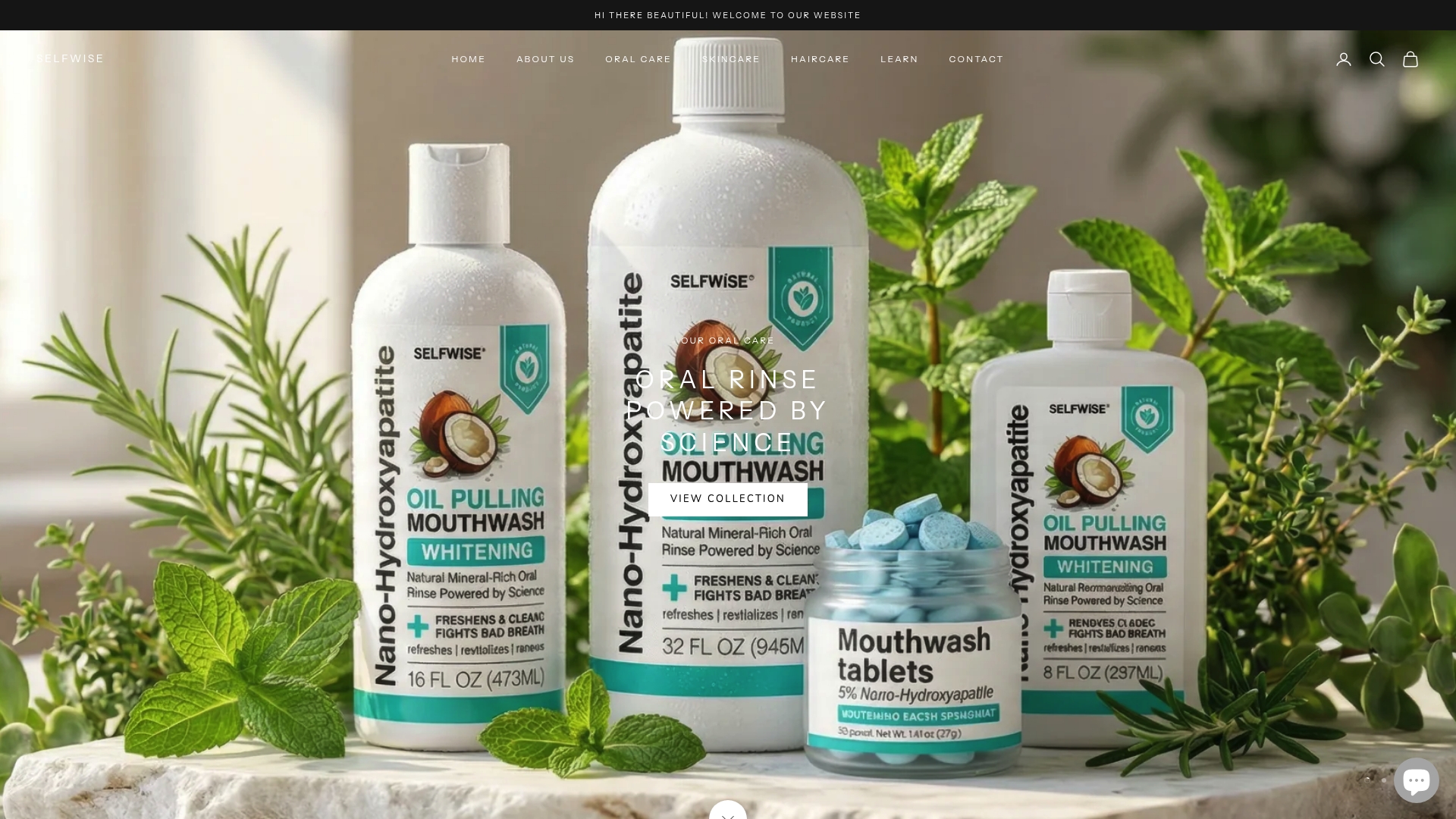
You can see the full ingredient list and usage directions on the nano hydroxyapatite mouthwash tablets product page, or browse the wider oral care collection to compare options.
Sources
- Mouthrinse (Mouthwash) | American Dental Association
- Should you rinse after brushing? | American Dental Association (ADA News)
- Oral health basics | Centers for Disease Control and Prevention (CDC)
- Chlorhexidine gluconate oral rinse prescribing information | DailyMed
FAQ
Do mouthwash tablets work?
Mouthwash tablets work the same way liquid mouthwash does once dissolved, so their effectiveness depends on the active ingredients inside, not the tablet format itself. Formulas with recognized antiseptic or fluoride ingredients can support oral hygiene, while tablets with only flavoring mainly freshen breath.
What not to do after mouthwash?
Avoid eating, drinking, or rinsing with water right after using a mouthwash tablet, since this can wash away the active ingredients before they finish working. If you used the tablet shortly after brushing with fluoride toothpaste, give both products time to work rather than rinsing again right away.
What are the best mouthwash tablets?
The best choice depends on what you need: alcohol-free formulas suit sensitive mouths, while products with the ADA Seal of Acceptance suit those seeking a clinically recognized benefit. Some brands offer fluoride-free tablets built around nano hydroxyapatite and xylitol as a natural alternative.
Do you take mouthwash before or after brushing your teeth?
Mouthwash can be used before or after brushing, but if you brushed with fluoride toothpaste, wait about 20 to 30 minutes or use your tablet at a separate time of day. This spacing, described in ADA guidance on rinsing after brushing, helps the fluoride stay on your teeth longer.