Fluoride, Oils, or Xylitol? Alcohol Free vs Regular Mouthwash
Both alcohol-containing and alcohol-free mouthwashes can work well; the right pick depends on your goal, not a universal winner. Choose fluoride rinses for cavity protection, essential-oil formulas for plaque control, and alcohol-free options if you have dry mouth or sensitivity. Evidence shows only small effectiveness differences between the two types, and most safety concerns involve very frequent, heavy use rather than typical daily rinsing.
TL;DR:
- For cavity prevention, choose a fluoride rinse and follow its label’s contact time and timing instructions; alcohol content does not change fluoride’s role.
- Essential oil rinses may reduce plaque slightly more when they contain alcohol, but studies found no consistent advantage for gingival bleeding or inflammation.
- For persistent dry mouth, choose rinses with enzymes or cellulose that support saliva; the ADA recommends products without alcohol for daily use.
- A 2023 review found higher oral cancer odds in some studies of people rinsing at least three times daily, but the overall evidence was inconclusive.
- Treat any rinse as an adjunct to twice daily brushing and cleaning between teeth, never as a replacement for either part of oral care.
Table of Contents
- Alcohol-Based Mouthwash: Composition and the Role of Alcohol
- Alcohol-Free Mouthwash: Categories and Active Ingredients
- What the Evidence Says About Plaque, Gingivitis, and Cavity Prevention
- Irritation, Burning, and Dry Mouth: What’s Normal and What Isn’t
- How to Choose and Use Mouthwash Based on Your Goal
- How Our Alcohol-Free Formulations Fit These Goals
- Environmental Impact: How the Two Types Compare
- Long-Term Effects on Oral Microbiome Balance
- Balancing Evidence and Comfort
- Try an Alcohol-Free Mouthwash Built on Simple, Natural Ingredients
- FAQ
- Sources
Alcohol-Based Mouthwash: Composition and the Role of Alcohol
Alcohol-containing mouthwash uses ethanol as a carrier for other active ingredients, not usually as the active ingredient itself. Alcohol dissolves essential oils like thymol, eucalyptol, and menthol so they stay evenly mixed in the liquid, and it acts as a preservative that extends shelf life without added chemicals. It also contributes to the sharp, tingling sensation many people associate with a “clean” feel, though that sensation is astringency rather than a sign of stronger cleaning.
Older antiseptic formulations relied on relatively high alcohol concentrations to keep essential oils stable and effective. These essential-oil rinses remain common, and a 2024 systematic review found that alcohol-containing versions showed a modest edge in plaque reduction in some studies.
What users typically notice with these formulas:
- A noticeable burning or astringent feeling, especially on first use.
- Strong, long-lasting flavor intensity that some people prefer and others find harsh.
- Reliable product stability over time, since alcohol resists microbial contamination in the bottle.
Alcohol-Free Mouthwash: Categories and Active Ingredients
Alcohol-free mouthwash is not one product type but a category covering several different active ingredients, each suited to a different goal. Fluoride anticavity rinses strengthen enamel regardless of whether alcohol is present, since the fluoride ion does the work, not the vehicle carrying it. Alcohol-free essential-oil formulas swap ethanol for glycerin or other solvents while keeping the same antimicrobial oils. Cetylpyridinium chloride rinses offer a different antibacterial mechanism entirely, and saliva-mimetic rinses add enzymes or cellulose to cushion a dry mouth.
Natural-ingredient rinses round out the category. Xylitol interferes with the way cavity-causing bacteria feed and stick to teeth, while nano-hydroxyapatite supplies calcium phosphate minerals that help rebuild weakened enamel surfaces. Manufacturers replace alcohol’s preservative and solvent roles with glycerin, mild surfactants, or natural emulsifiers, which generally softens the taste and removes the burning sensation, though it can slightly shorten shelf stability compared with alcohol-based versions.
Alcohol-free rinses also matter for reasons beyond sensitivity:
- Suitability for people avoiding alcohol for religious, cultural, or personal recovery reasons.
- A gentler option for children, older adults, or anyone with a sensitive or healing mouth.
- A milder taste profile that some people find easier to use consistently, which matters more for real-world effectiveness than lab results alone.
What the Evidence Says About Plaque, Gingivitis, and Cavity Prevention
The 2024 systematic review and meta-analysis of essential-oil mouthwashes found that alcohol-containing EO formulas showed a small advantage in plaque reduction in some of the included studies, while gingival bleeding and inflammation scores often showed no significant difference between alcohol-containing and alcohol-free versions. The certainty of this evidence is moderate at best, since study designs and follow-up periods varied.
A randomized clinical trial published in JADA found that twice-daily use of essential-oil mouthrinses, with or without alcohol, was well tolerated and did not cause short-term reductions in salivary flow or pH within 30 minutes of use, indicating similar short-term oral environment effects. This 2025 trial challenges the common assumption that alcohol-containing rinses meaningfully dry out the mouth in the short term, even though many users report a drying sensation.
For cavity prevention specifically, the active ingredient that matters is fluoride, not the presence or absence of alcohol. A fluoride rinse works the same way whether it is alcohol-based or alcohol-free, so following the product’s label directions for contact time and frequency matters more than choosing a type based on alcohol content alone. The same review also noted that taste and tolerability often drive whether people actually use a rinse daily, and alcohol-free EO formulas were rated better on taste in several studies, which can translate into more consistent use and better real-world outcomes than a formula that performs slightly better in a lab but gets skipped at home.

Irritation, Burning, and Dry Mouth: What’s Normal and What Isn’t
A brief burning or tingling feeling after rinsing is typically just astringency from alcohol or strong essential oils, and it fades within a minute or two. True xerostomia is different: a persistent dryness, stickiness, or difficulty swallowing that doesn’t resolve and can be worsened by alcohol-containing products. The American Dental Association recommends alcohol-free rinses for patients managing xerostomia, since alcohol can add to drying sensations in an already compromised mouth.
Alcohol-free rinses are generally the better fit if you fall into one of these groups:
- You have oral mucositis or are undergoing head or neck radiation therapy.
- You already experience chronic dry mouth from medication, aging, or a medical condition.
- You have a sensitivity to alcohol or a history of alcohol use disorder.
- You are immunocompromised and need a gentler daily oral care routine.
Pro Tip: If a new mouthwash stings more than expected, dilute it with a little water for the first few uses or switch to a milder flavor before giving up on the product entirely.
How to Choose and Use Mouthwash Based on Your Goal
Match the formula to what you actually want it to do. If cavity prevention is the priority, pick a fluoride rinse and follow the timing instructions on the label, since some recommend waiting after brushing so the fluoride isn’t diluted or neutralized. If you need extra plaque or gingivitis control, an essential-oil rinse works as a daily adjunct, while chlorhexidine is a short-term option used only under a dentist’s supervision due to staining and taste changes with long-term use. For dry mouth, look for a saliva-mimetic alcohol-free rinse with enzymes or cellulose, and for general comfort or sensitivity, an alcohol-free natural formula is usually the easiest to tolerate daily.
A few usage basics apply across the board:
- Never swallow mouthwash, and keep it away from children under six without dental guidance.
- Follow the measured dose and swish time printed on the label rather than guessing.
- Treat mouthwash as a supplement to brushing and interdental cleaning, not a replacement for either.
If burning, persistent dryness, or bleeding gums continue after switching products, that’s a signal to check in with a dental professional rather than cycling through more rinses on your own.
How Our Alcohol-Free Formulations Fit These Goals
We build our rinses around simple, science-backed ingredients instead of alcohol or harsh preservatives. Nano-hydroxyapatite supplies the same calcium-phosphate minerals your enamel is made of, helping support remineralization of weakened spots, while xylitol helps crowd out the bacteria that feed on sugar and contribute to bad breath. We formulate without alcohol so the rinse stays gentle enough for daily use, including for people managing sensitivity or dry mouth, while still giving you a function-driven alternative to older antiseptic formulas.
Environmental Impact: How the Two Types Compare
Alcohol-free formulas generally rely on simpler, more biodegradable ingredient bases, such as glycerin, plant-derived surfactants, and natural minerals, which tend to break down more readily in wastewater systems than concentrated ethanol and synthetic dye blends. Alcohol-containing mouthwashes often include added colorants, stronger preservative systems, and higher concentrations of manufactured solvents that take longer to degrade and can carry a heavier production footprint given the energy involved in producing and transporting ethanol at scale.
Packaging plays a role on both sides. Many rinses, alcohol-based or not, still ship in single-use plastic bottles, so the formula itself is only part of the environmental picture. Choosing a product with a recyclable container and a shorter, plant-based ingredient list reduces impact more reliably than focusing on alcohol content alone. If you are also rethinking the rest of your routine, pairing a gentler mouthwash with eco-friendly toothbrush options is a reasonable next step for cutting down on bathroom plastic waste more broadly.
Ingredient sourcing matters too. Natural actives like xylitol, often derived from corn or birch, and mineral-based nano-hydroxyapatite tend to involve fewer synthetic byproducts in manufacturing than some older antiseptic formulations built around petroleum-derived solvents and dyes.

Long-Term Effects on Oral Microbiome Balance
Your mouth hosts a dense, varied community of bacteria, most of it harmless or even helpful, and overly aggressive antiseptic use can disrupt that balance over time. Alcohol-containing rinses with strong antimicrobial action can reduce both harmful and beneficial bacteria indiscriminately when used heavily, which is one reason dentists generally advise against using any antiseptic mouthwash as a permanent, multiple-times-daily habit without a specific reason.
Alcohol-free formulas built around targeted actives, rather than broad-spectrum antiseptic alcohol, tend to be gentler on the wider microbial community. Xylitol specifically works by limiting the ability of cavity-causing bacteria like Streptococcus mutans to adhere and multiply, rather than wiping out bacteria broadly, which may support a more balanced oral environment with regular use. Nano-hydroxyapatite doesn’t act as an antimicrobial at all. It works mechanically by depositing minerals onto enamel, so it doesn’t interact with the microbiome in the same way antiseptic rinses do.
The long-term safety picture for alcohol-containing mouthwash and oral cancer remains a point of public concern, so it’s worth being precise about what the evidence actually shows. A 2023 systematic review and meta-analysis found no clear overall association between mouthwash use and oral cancer, though some observational studies showed increased odds among people using mouthwash three or more times daily or over very long periods. The review’s authors describe the overall evidence as inconclusive rather than confirming a direct cause, which means occasional or typical daily use isn’t shown to carry meaningful added risk, but it also means that reaching for alcohol-free options makes sense if you rinse frequently or want to minimize exposure as a precaution.
Balancing Evidence and Comfort
My honest read: brushing twice daily and cleaning between your teeth do the heavy lifting. Mouthwash is a helpful extra, so pick the type you’ll actually tolerate and use every day, and see a dentist if irritation or dryness doesn’t resolve.
— Viktor
Try an Alcohol-Free Mouthwash Built on Simple, Natural Ingredients
If you want a daily rinse without the sting or drying feeling, our alcohol-free mouthwash formulas use nano-hydroxyapatite and xylitol to support remineralization and fresher breath without harsh chemicals.
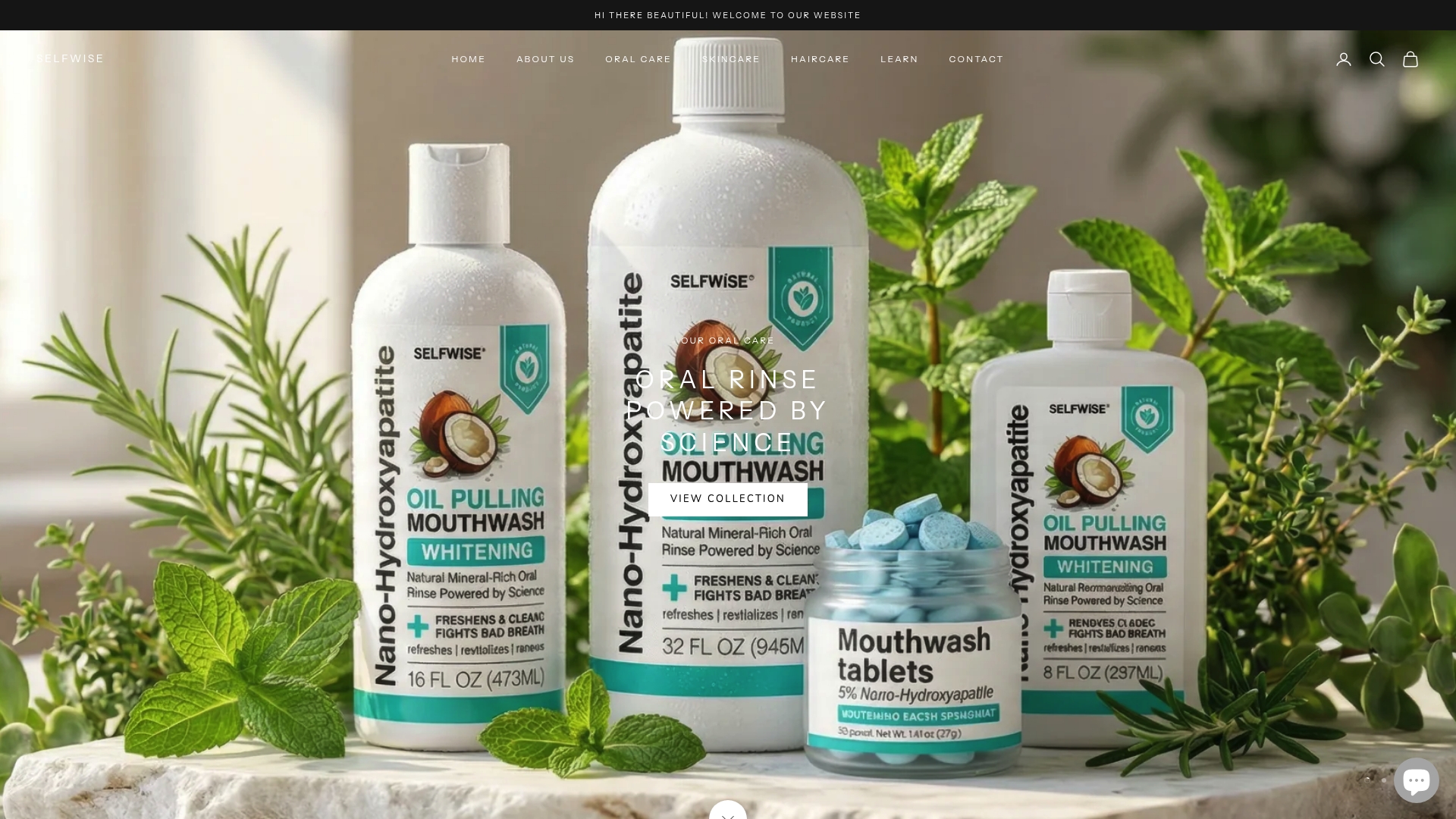
These formulas suit a few specific goals well:
- You want remineralization support alongside your regular brushing routine.
- You have a sensitive mouth, dry mouth, or a preference for gentler daily products.
- You want fresh breath without the alcohol burn or artificial aftertaste.
Browse our oral care collection to find the rinse that matches your routine, or read our natural oral care guide for more on how these ingredients work together.
FAQ
What’s the difference between alcohol-based and fluoride-based mouthwash?
Alcohol-based mouthwash is defined by its solvent and preservative, which can be paired with fluoride, essential oils, or other actives. Fluoride-based mouthwash is defined by its active ingredient and can be made with or without alcohol, so the two categories aren’t opposites. Choosing a rinse means picking the active ingredient for your goal and the vehicle for your comfort separately.
Why do some health professionals warn about frequent mouthwash use?
Concerns mostly center on very frequent, heavy use rather than typical daily rinsing. A 2023 systematic review found some observational studies linked higher oral cancer odds to using mouthwash three or more times a day or over very long periods, though the overall evidence remains inconclusive. Following label directions for frequency addresses most of this concern.
What are some lesser-known facts about mouthwash?
Mouthwash is meant to be an adjunct to brushing and interdental cleaning, not a substitute for either, according to American Dental Association guidance. Alcohol in a rinse is primarily a solvent and preservative rather than the active ingredient doing the antibacterial work, and some alcohol-free anticavity and dry-mouth products, including specific fluoride and Biotene formulas, carry ADA product acceptance.
What happens if I use alcohol-free mouthwash every day?
Daily use of an alcohol-free rinse is generally well tolerated and is specifically recommended by the ADA for people managing dry mouth. It won’t cause the burning or astringent sensation associated with alcohol-based formulas, and depending on the active ingredient, it can support fluoride protection, remineralization, or gentler daily antibacterial action.
Sources
- Mouthrinse (Mouthwash) | American Dental Association
- Essential oils mouthwash with or without alcohol in relation to effect on parameters of plaque and gingivitis: A systematic review and meta‐analysis
- Randomized trial comparing EO mouthrinses with and without alcohol (JADA trial)