How to Store Natural Mouthwash: Keep It Fresh
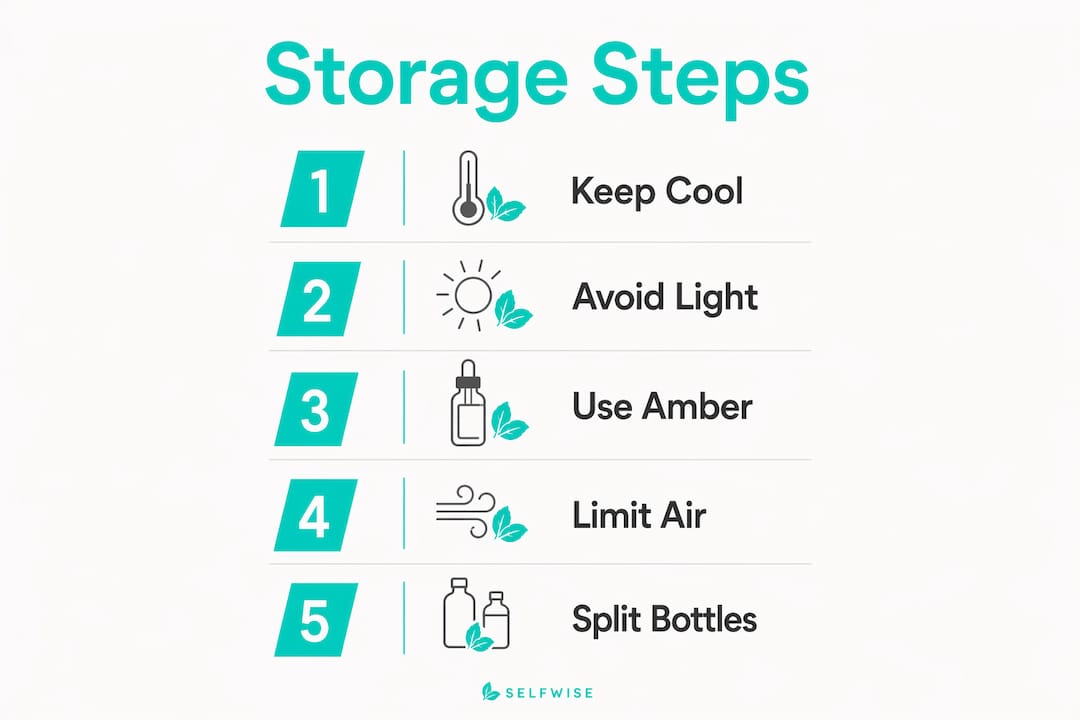
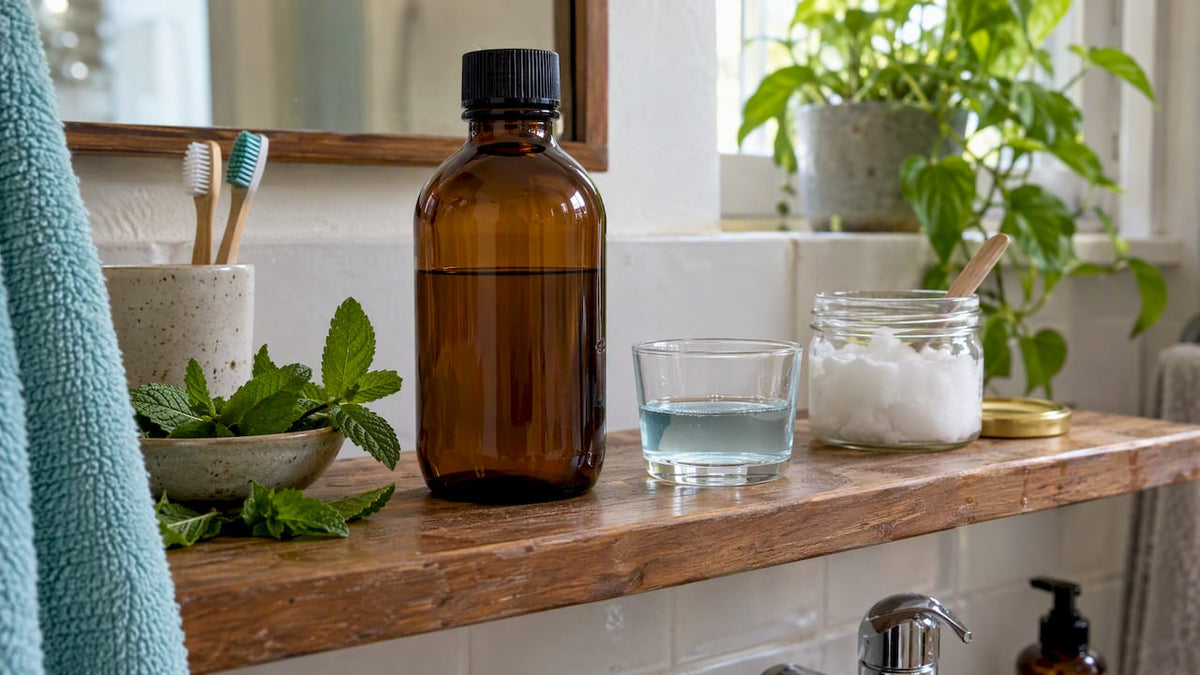
Store natural mouthwash properly by keeping it at a stable room temperature within a typical comfortable range (about 15–25°C), sealed tightly in an opaque or amber container, and used within the window your manufacturer recommends after opening. That single rule covers most spoilage risk. For preservative-free formulas, the stakes are higher: without synthetic stabilizers, active ingredients like xylitol and nano hydroxyapatite can degrade faster, and microbial growth can start sooner than you’d expect. DailyMed lists controlled room temperature storage for oral antiseptic formulations at 68–77°F (20–25°C), which aligns with the broader 60–77°F guidance widely cited for oral care products.
Three things to do right now:
- Move your bottle out of the bathroom if steam is common there; a bedroom cabinet or kitchen shelf away from the stove works better.
- Tighten the cap fully after every use.
- Do a quick sensory check: look for cloudiness, sniff for off-odors, and check for floating particulates before you use it.
Buying smaller quantities is the simplest hedge for preservative-free formulas. A large bottle you use once a week will sit open far longer than it should.
Table of Contents
- What should you do right now to protect your mouthwash?
- How temperature, light, and air affect your natural mouthwash
- How can you tell if your natural mouthwash has gone bad?
- How to shop and use mouthwash to minimize spoilage
- Storing mouthwash when you travel or use shared spaces
- How to dispose of contaminated mouthwash safely
- Why Selfwisebrand formulations need careful storage
- Key Takeaways
- Why storage is the part of natural oral care nobody talks about enough
- Selfwisebrand natural mouthwash that’s easy to store right
- Useful sources
- FAQ
What should you do right now to protect your mouthwash?
Do:
- Store upright in a cool, dry cabinet away from windows and heat sources.
- Pour each dose into a separate cup rather than drinking from the bottle. Salivary bacteria introduced into the main supply can multiply fast in preservative-free products.
- Tighten the cap after every single use to slow evaporation and oxidation.
- Prefer amber or cobalt glass when you have the choice; if your product comes in clear plastic, keep it in its original box or a dark cabinet.
Don’t:
- Leave mouthwash on a sunny counter, next to a stove, or in a steamy bathroom.
- Refrigerate unless the manufacturer specifically says to for that formula.
- Assume the printed expiry date is the only signal that matters. A sensory check before each use is non-negotiable.
Pro Tip: For preservative-free formulas, tablet formats like Selfwisebrand’s nano hydroxyapatite mouthwash tablets sidestep most liquid-storage problems entirely. No open bottle, no oxidation risk.
How temperature, light, and air affect your natural mouthwash
Temperature is the biggest variable. Heat speeds up the breakdown of active ingredients and can cause separation in oil-based formulas. The Cleveland Clinic notes that heat and moisture shorten the useful life of oral care products and reduce the efficacy of active ingredients. For natural mouthwash, that means a bathroom shelf near a hot shower is one of the worst places to store it.
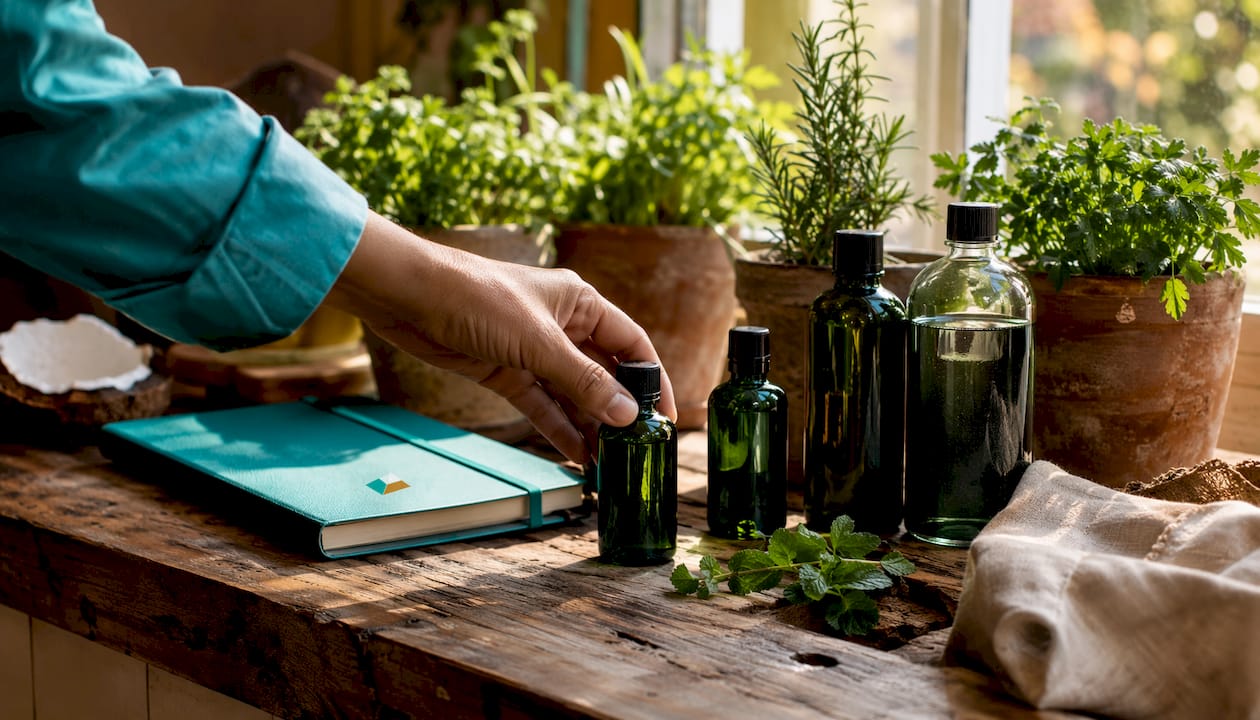
Light and UV exposure matter more than most people realize. Essential oils found in many natural rinses are photosensitive. UV light degrades essential-oil molecules, and amber or cobalt glass slows that breakdown compared with clear plastic. If your product ships in clear packaging, the box it came in is doing real protective work.
Air and oxygen accelerate oxidation and raise microbial risk every time you open the bottle. This is especially true for preservative-free blends, where there’s nothing to slow bacterial growth once the seal is broken. Keeping the cap tight and minimizing how long the bottle sits open is a practical way to extend stability.
Container choice follows from all of this. Amber glass is the gold standard. PET plastic is acceptable if kept dark and cool. Aluminum bottles can work but may react with certain acidic formulas. Single-dose or tablet formats eliminate the open-bottle problem altogether.
Pro Tip: If you buy in bulk, split your supply into two or three small bottles rather than opening one large bottle. Keep the extras sealed until you need them. Less exposure per bottle, longer effective life overall.
How can you tell if your natural mouthwash has gone bad?
A sensory check takes ten seconds and can protect you from using a degraded product. Dental sources consistently advise that sensory evidence should override the printed date when the two conflict.
Red flags to check before every use:
- Cloudiness in a formula that was previously clear
- Off-odors: anything sour, rancid, or just “wrong” compared to when you first opened it
- Visible particulates or floating debris that weren’t there before
- Consistency changes: thickening, thinning, or separation that doesn’t resolve when you shake the bottle
If you spot any of these, here’s what to do:
- Stop using the product immediately.
- Pour the remaining liquid down the sink with running water to dilute it.
- Seal the empty bottle in a lined trash bag before discarding.
- Disinfect any cups or surfaces that came into contact with the product.
- Check other bottles from the same purchase batch and perform a sensory check on each.
An off-smell specifically suggests potential bacterial activity. When in doubt, disposal is the professional standard.
How to shop and use mouthwash to minimize spoilage
Format matters more than most buyers consider. Commercially formulated natural mouthwashes offer more consistent manufacturing controls than homemade versions, but some natural options still have shorter shelf lives and need careful handling after opening.
The most shelf-stable formats, in order:
- Tablet or solid formats: No water, no open-bottle oxidation risk. Dissolve one when you need it.
- Amber glass liquids in small bottles: Minimal light exposure, easy to finish before degradation sets in.
- Clear plastic bottles: Fine if kept dark and cool, but less forgiving than glass.
Usage habits that reduce contamination risk:
- Always pour into a dedicated measuring cup. Never drink from the bottle.
- Use the measuring cap that comes with the product if one is included.
- Avoid double-dipping or re-pouring unused product back into the bottle.
Pro Tip: Match your bottle size to your household’s actual use frequency. A single person using mouthwash three times a week should buy small bottles or tablets rather than a large supply. Dental professionals recommend smaller quantities for preservative-free products and rapid turnover after opening.
Selfwisebrand’s three core formats fit neatly into this guidance. The nano hydroxyapatite mouthwash tablets are the best pick for infrequent users or travelers. The xylitol mouthwash and oil pulling mouthwash are ready-to-use liquids that reward consistent daily use and proper sealing.
Storing mouthwash when you travel or use shared spaces
For travel, tablets are the obvious answer. No liquid, no TSA liquid rules for carry-on, no risk of a cracked bottle soaking your bag. If you prefer liquid, pack sealed bottles in checked luggage and keep them in a zip-lock bag.
In shared bathrooms or gym bags, humidity and temperature swings are the main threats. Keep your mouthwash in a locked travel pouch or a bedroom drawer rather than a bathroom shelf. A cool, dark place away from shower steam is always the better option.
For short trips, take only what you’ll use. A partially used bottle that travels with you and then sits in a bag for two weeks is a spoilage risk.
Pro Tip: If you transfer liquid to a travel bottle, use only a sterilized, labeled amber bottle and keep it in original packaging if possible. An unlabeled, unsterilized container introduces contamination risk before you even leave home.
How to dispose of contaminated mouthwash safely
- Pour the liquid down the sink with cold running water to dilute it.
- Seal the empty bottle in a lined trash bag before putting it in the bin.
- If the bottle is empty and rinsed, check local recycling guidelines for the material type.
- Disinfect any cups, surfaces, or dispensers that contacted the product.
- Inspect other bottles from the same batch with a full sensory check.
If contamination involved contact with an open wound or illness, discard the bottle and disinfect thoroughly. For large volumes of concentrated active rinses, check local waste disposal guidance before pouring down a drain. Most household-size mouthwash quantities are safe to dispose of via the sink, but therapeutic-concentration products may fall under different local rules.
Pro Tip: Write the date you opened a bottle on the label with a permanent marker. It takes five seconds and removes all guesswork about how long it’s been open.
Why Selfwisebrand formulations need careful storage
Nano hydroxyapatite and xylitol are both sensitive to conditions that most people don’t think about. Nano hydroxyapatite particles can aggregate or lose their remineralizing function if exposed to repeated heat cycles. Xylitol, while stable in dry form, can support microbial activity in a water-based formula once the bottle is open and contamination is introduced. These aren’t hypothetical risks. They’re why Selfwisebrand designs its products with storage in mind from the formulation stage.
Selfwisebrand’s storage guidance for its natural formulations: Store liquid rinses upright in a cool, dry location away from humidity and direct light. Keep bottles in original packaging when possible. For infrequent use, choose the tablet format to eliminate open-bottle degradation entirely. Always perform a sensory check before use, and follow the printed expiry date as a maximum, not a guarantee.
Specific formula instructions on the product label take precedence over general guidance. If you have questions about a specific Selfwisebrand product, the label is the first place to check. For anything the label doesn’t cover, the brand’s customer support team can help. Choosing natural dental products formulated with clean ingredients is only half the equation. How you store and handle them determines whether those ingredients are still working when you use them.
Key Takeaways
Storing natural mouthwash properly requires maintaining it at stable room temperatures within a comfortable and controlled range, a tight seal after every use, and a sensory check before each application regardless of the printed date.
| Point | Details |
|---|---|
| Temperature range | Keep mouthwash at 60–77°F (15–25°C); heat and humidity accelerate ingredient breakdown. |
| Seal and pour practice | Tighten the cap after every use and always pour into a cup; never drink from the bottle. |
| Buy small or choose tablets | Smaller bottles and tablet formats reduce open-bottle exposure for preservative-free formulas. |
| Store away from light and steam | Amber or dark containers and a dry cabinet protect photosensitive essential oils. |
| Selfwisebrand formats | Tablets, xylitol rinse, and oil-pulling mouthwash are formulated for clean-ingredient stability with proper storage. |
Why storage is the part of natural oral care nobody talks about enough
Most conversations about natural mouthwash focus on what’s in the bottle. That’s fair. Ingredients matter. But the gap between a well-formulated product and one that’s actually working when it hits your teeth is almost entirely about what happens after you buy it.
The conventional wisdom says “keep it in the bathroom cabinet.” That’s fine for a conventional mouthwash loaded with preservatives. For a preservative-free formula with nano hydroxyapatite or essential oils, a steamy bathroom cabinet is genuinely one of the worst places it can be. The irony is that people who care enough to choose a cleaner product often undermine it with the same storage habits they’d use for a conventional one.
Tablets change this calculus entirely. There’s no open bottle, no oxidation, no contamination risk from repeated use. For anyone who doesn’t use mouthwash every single day, a tablet format isn’t just convenient. It’s the more responsible choice for preserving what you paid for. The best preservative-free oral care products are the ones that still work on day 60, not just day one.
Selfwisebrand natural mouthwash that’s easy to store right
If the storage guidance above sounds like a lot to manage with a standard liquid bottle, Selfwisebrand’s formats are built to make it simpler. The nano hydroxyapatite mouthwash tablets dissolve on demand, so there’s no open bottle to worry about. The oil-pulling mouthwash and xylitol rinse come in sizes designed for regular use, not indefinite shelf-sitting.
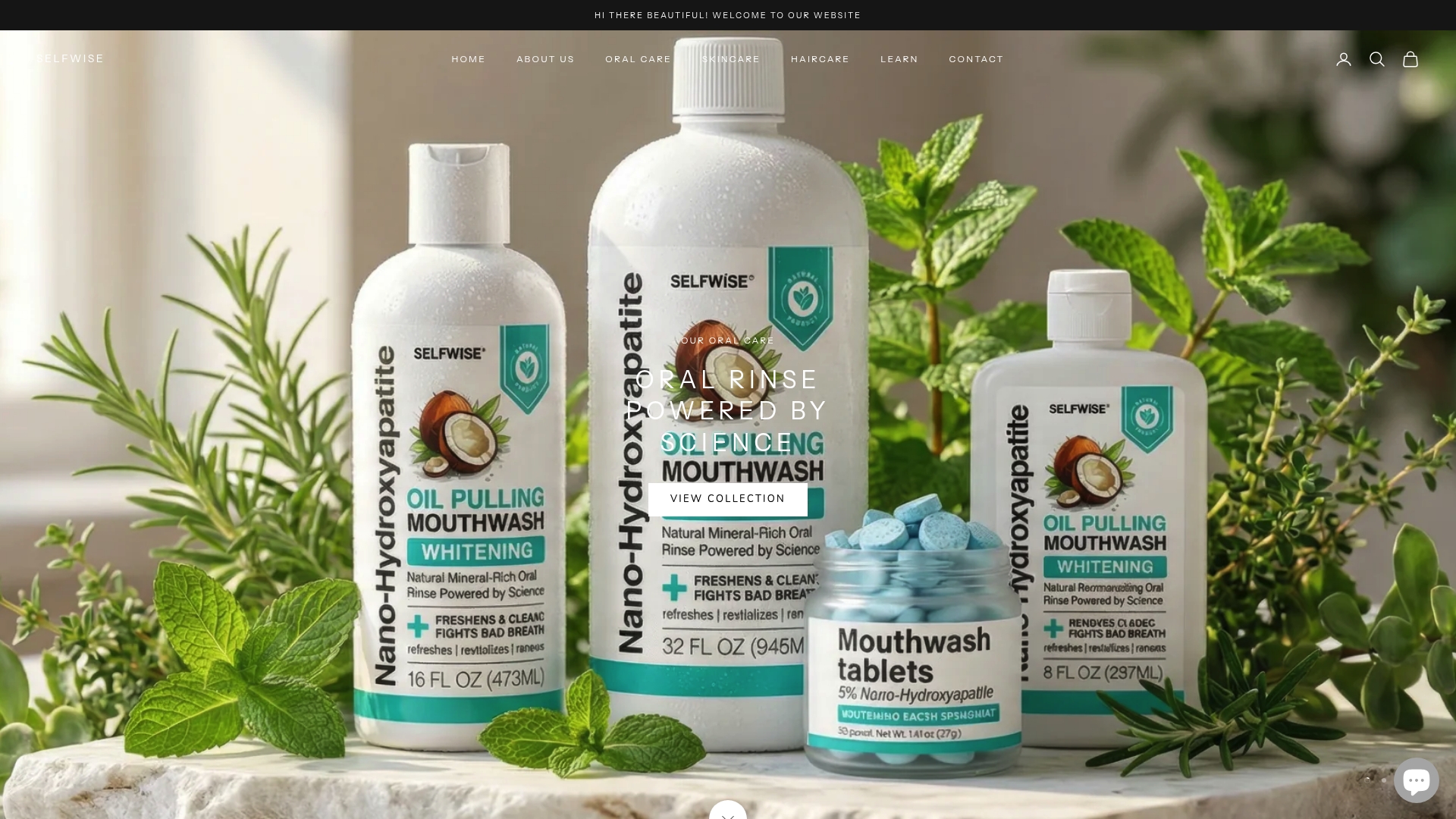
For travelers, infrequent users, or anyone who wants to stop thinking about whether their mouthwash is still good, the tablet format is the practical answer. For daily users who want a ready-to-use liquid, the xylitol and oil-pulling options pair clean ingredients with straightforward storage needs. Browse the full Selfwisebrand mouthwash collection to find the format that fits your routine, and check individual product pages for formula-specific storage instructions.
Useful sources
The recommendations in this article draw from the following sources. Manufacturer instructions on your product label always take precedence, but sensory checks are critical regardless of what the label says.
- DailyMed: Temperature guidance for oral antiseptic formulations (68–77°F / 20–25°C controlled room temperature).
- Joyce the Dentist: Dental professional guidance on expiry, sensory checks, and smaller quantities for preservative-free products.
- HCMC Dental: Sensory spoilage indicators, UV degradation of essential oils, and contamination from bottle contact.
- Healthline: Shelf-life differences between commercial and natural formulas; heat and sunlight effects.
- Pape Dental: Practical cabinet storage tips and cap-sealing guidance.
- Cleveland Clinic: Heat and moisture effects on oral care product efficacy.
For guidance on whitening product safety and how storage intersects with product integrity, SmileFam’s safety guide is a useful companion read.
FAQ
How long does natural mouthwash last after opening?
Most commercially formulated natural mouthwashes last several months after opening when stored correctly at 60–77°F (15–25°C) with the cap tightly sealed. Always perform a sensory check before use, and follow the manufacturer’s printed guidance.
Does natural mouthwash expire if it’s never been opened?
Yes. Even unopened, natural mouthwash degrades over time, especially formulas without synthetic preservatives. Follow the printed expiry date and mark the purchase date on the bottle if no date is listed.
Can you store mouthwash in the refrigerator?
Only refrigerate mouthwash if the manufacturer specifically recommends it for that formula. Refrigeration can cause some ingredients to separate or change consistency, and it’s unnecessary for most professionally formulated products stored at proper room temperature.
What’s the safest format for travel or infrequent use?
Tablet formats like Selfwisebrand’s nano hydroxyapatite mouthwash tablets are the most practical option. No open bottle means no oxidation or contamination risk, and they comply with TSA carry-on liquid rules without any measuring.
What should you do if your mouthwash smells or looks off?
Discard it immediately. An off-odor or cloudiness indicates likely microbial activity or ingredient breakdown. Pour it down the sink with running water, seal the bottle in a trash bag, and check other bottles from the same purchase batch.


,%20sealed%20tightly%20in%20an%20opaque%20or%20amber%20container,%20and%20use...)