Natural Breath Freshening Ingredients That Actually Work
Natural breath freshening ingredients are specific botanicals and compounds that combat bad breath by targeting odor-causing bacteria and supporting a balanced oral microbiome. Unlike alcohol-based rinses that temporarily mask odor, these ingredients address the root cause: volatile sulfur compounds (VSCs) produced by anaerobic bacteria in the mouth. Clinically studied examples include xylitol, green tea extract, and Coptis chinensis, each working through distinct mechanisms to deliver lasting freshness. Understanding which ingredients work and why gives you a real advantage when building a natural oral care routine.
1. What are the top natural breath freshening ingredients?
The most effective natural breath freshening ingredients combine antimicrobial, anti-inflammatory, and saliva-stimulating properties. Here are the ten worth knowing.
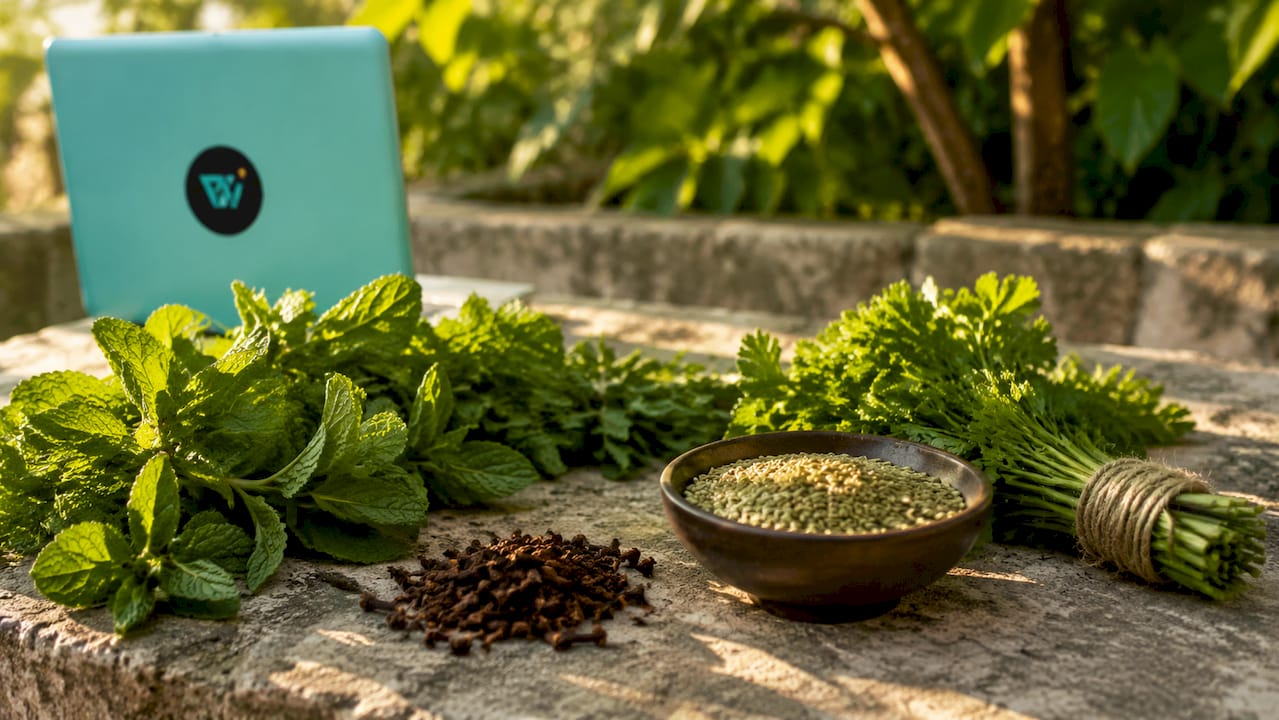
Coptis chinensis extract
Coptis chinensis is a traditional botanical with a potent active compound called berberine. A clinical evaluation using 0.01%–0.02% Coptis chinensis extract in mouthwash showed measurable reductions in hydrogen sulfide (H2S) and methyl mercaptan (CH3SH) levels within four weeks. Those two gases are the primary drivers of halitosis. This makes Coptis chinensis one of the most targeted natural options for VSC reduction.
Xylitol
Xylitol is a sugar alcohol that starves odor-causing bacteria rather than killing them outright. Daily intake of 6.88g–10.32g reduces Streptococcus mutans in plaque and saliva over five weeks to six months. That reduction directly lowers the bacterial load responsible for both cavities and bad breath. Xylitol also stimulates saliva production, which further clears odor compounds.
Pro Tip: One xylitol mint typically contains only 0.5g of xylitol. You need multiple servings throughout the day to reach the clinically effective 6–10g daily dose.
Green tea extract
Green tea extract acts more like a prebiotic than a disinfectant. Its key compound, epigallocatechin gallate (EGCG), supports beneficial bacteria like S. salivarius while suppressing pathogens. A 5% green tea rinse performs comparably to 0.2% chlorhexidine mouthwash for plaque and breath control, without the staining or taste disruption. That is a significant finding for anyone looking to replace chemical rinses.
Clove essential oil
Clove oil contains eugenol, a compound with well-documented antimicrobial and anti-inflammatory properties. It suppresses the bacteria that produce VSCs and reduces gum inflammation that contributes to chronic bad breath. Clove is a staple in herbal breath freshener formulas for exactly this reason.
Fennel seeds
Fennel seeds stimulate saliva flow and contain anethole, a compound with mild antimicrobial activity. Chewing a small amount after meals neutralizes odor compounds before they accumulate. Fennel has been used as a post-meal breath freshener across South Asian and Mediterranean cultures for centuries, and the mechanism holds up to modern scrutiny.
Parsley
Parsley contains chlorophyll, which binds to odor molecules and neutralizes them directly. It also stimulates saliva, which mechanically clears food debris and bacteria. Fresh parsley works better than dried because the active chlorophyll content degrades with heat and processing.
Crunchy fruits and vegetables
Apples, carrots, and celery act as natural mechanical cleaners. Their fibrous texture scrubs biofilm from tooth surfaces and stimulates saliva production. Saliva is the mouth’s primary self-cleaning mechanism, and foods that trigger it actively reduce bacterial load between brushing sessions.
Lemon water
Lemon water stimulates saliva through its acidic taste and provides a mild deodorizing effect. The key is dilution: straight lemon juice is erosive to enamel, but a small amount in water creates a saliva-stimulating rinse without the acid risk. Drink it through a straw and rinse with plain water afterward.
Salt water rinse
A salt water rinse creates a temporarily inhospitable environment for bacteria by raising osmotic pressure in the mouth. It also reduces gum inflammation, which is a major contributor to chronic bad breath. Mix a quarter teaspoon of salt in eight ounces of warm water and rinse for 30 seconds.
Probiotics (S. salivarius)
Streptococcus salivarius K12 is the most studied oral probiotic for breath. It competes with odor-producing bacteria for space and resources in the oral microbiome. Current evidence shows promising results for halitosis reduction, but large-scale trials are still limited. Probiotics work best as an adjunct to mechanical hygiene, not a replacement.
2. How do these ingredients work to freshen breath?
The breath freshening mechanism behind natural ingredients falls into four categories: VSC reduction, microbiome modulation, saliva stimulation, and anti-inflammatory action.
VSC reduction is the most direct route. Bacteria in the mouth break down sulfur-containing amino acids and produce gases like H2S and CH3SH. Ingredients like Coptis chinensis and clove oil suppress these bacteria, cutting VSC production at the source.
Microbiome modulation is subtler and more durable. Green tea catechins like EGCG do not sterilize the mouth. They selectively favor beneficial bacteria while creating conditions that are hostile to pathogens. This is why green tea is better understood as a prebiotic than a disinfectant.
“Alcohol-based mouthwashes often cause a rebound effect by drying mucosa and reducing salivary flow, which worsens long-term breath quality. Supporting the oral microbiome rather than sterilizing it produces more lasting breath freshness.”
Saliva stimulation is underrated. Saliva washes away food particles, neutralizes acids, and delivers antimicrobial proteins to oral surfaces. Xylitol, fennel, and crunchy foods all trigger saliva flow. Dry mouth is one of the most common causes of bad breath, so anything that increases salivary output directly improves breath quality.
Anti-inflammatory action addresses the gum disease connection. Bleeding, inflamed gums harbor anaerobic bacteria that produce VSCs. Ingredients like berberine from Coptis chinensis and eugenol from clove reduce gum inflammation, cutting off a major source of chronic halitosis. Checking for oral care ingredients to avoid is just as important as knowing which ones to use.
3. How to use natural breath fresheners safely every day
Knowing the ingredients is only half the equation. How you use them determines whether you get clinical results or just a pleasant taste.
- Xylitol dosage: Reach 6–10g daily by spreading intake across multiple servings. Check product labels carefully. Many commercial mints list xylitol as an ingredient but contain far less than 0.5g per piece, which is below the threshold for bacterial reduction.
- Green tea rinse: Steep green tea for three to five minutes to maximize catechin concentration. Use it as a mouth rinse for 30–60 seconds rather than just drinking it. Drinking alone provides limited contact time with oral biofilm.
- Natural chewing gum: Gum formulated with xylitol, EDTA, and MSM is as effective as chlorhexidine for plaque and gingival inflammation control, with no side effects. Chew for at least five minutes after meals for best results.
- Salt water rinse: Use once daily, particularly after meals or when gum sensitivity flares. Do not use it as a replacement for brushing.
- Essential oils: Clove and tea tree oil are potent. A few drops in a carrier oil or water-based rinse is sufficient. Undiluted essential oils can irritate oral mucosa.
- Probiotics: Take oral probiotic lozenges at night after brushing, when saliva flow is lowest and bacterial colonization is highest.
Pro Tip: Combining xylitol with green tea in a homemade rinse creates a synergistic effect. Xylitol starves bacteria while EGCG selectively suppresses pathogens. Use a cooled green tea base with a measured xylitol dose for a DIY natural mouthwash that outperforms most commercial options.
Avoid alcohol-based rinses as a daily habit. They dry out the oral mucosa and reduce saliva production, creating the exact conditions that worsen bad breath over time. If you are concerned about gum health before whitening, address inflammation first with anti-inflammatory botanicals before adding any whitening step.
4. How do these ingredients compare?
| Ingredient | Primary mechanism | Anti-inflammatory | Saliva stimulation | Evidence level |
|---|---|---|---|---|
| Coptis chinensis | VSC reduction, antimicrobial | Strong | Low | Clinical trial |
| Xylitol | Bacterial starvation | Moderate | High | Multiple RCTs |
| Green tea (EGCG) | Prebiotic, microbiome support | Moderate | Low | Clinical comparison |
| Clove oil | Antimicrobial, eugenol action | Strong | Low | Lab and clinical |
| Fennel seeds | Saliva stimulation, mild antimicrobial | Low | High | Traditional, limited RCT |
| Parsley | Chlorophyll binding, saliva | Low | Moderate | Traditional |
| Crunchy produce | Mechanical cleaning, saliva | None | High | Mechanistic |
| Salt water | Osmotic bacterial suppression | Moderate | Low | Clinical |
| S. salivarius (probiotic) | Microbiome competition | Low | Low | Experimental |
Xylitol and green tea extract offer the strongest combination of evidence and daily usability. Coptis chinensis is the most targeted for acute halitosis but is less common in consumer products. Probiotics remain promising but should not replace brushing, flossing, or proven antimicrobial ingredients. People with sensitivities to essential oils should approach clove and tea tree with caution and start with low concentrations.
Key takeaways
The most effective approach to natural breath freshening combines VSC-targeting antimicrobials like Coptis chinensis, microbiome-supporting prebiotics like green tea EGCG, and saliva stimulants like xylitol for results that last beyond the next meal.
| Point | Details |
|---|---|
| Target VSCs directly | Coptis chinensis and clove oil reduce the sulfur gases that cause bad breath at the source. |
| Dose xylitol correctly | Reach 6–10g daily across multiple servings to achieve clinically proven bacterial reduction. |
| Use green tea as a rinse | Swish for 30–60 seconds to maximize catechin contact with oral biofilm, not just drink it. |
| Avoid alcohol-based rinses | Alcohol dries the mouth and worsens breath long term by reducing saliva and disrupting microbiome balance. |
| Treat probiotics as adjuncts | S. salivarius shows promise but requires more evidence; use alongside, not instead of, mechanical hygiene. |
What I’ve learned from years of watching people switch to natural oral care
Most people who switch to natural breath fresheners make the same mistake: they treat it like a product swap rather than a system change. They replace their alcohol mouthwash with a natural one and expect the same instant-hit sensation. When they do not get that sharp burn, they assume it is not working.
The burn from alcohol is not a sign of effectiveness. It is a sign of irritation. Green tea and xylitol work quietly, over days and weeks, by reshaping the bacterial environment in your mouth. That is a fundamentally different mechanism, and it requires a different mindset.
I have also seen people spend money on probiotic lozenges while still using alcohol rinses twice a day. That combination is counterproductive. You cannot seed beneficial bacteria into an environment you are sterilizing every morning and night. Sequence matters: build the microbiome first, then support it.
The ingredient quality question is real and often ignored. A product that lists xylitol on the label but contains 0.2g per serving is not delivering clinical benefits. Read the amounts, not just the ingredient list. The same applies to green tea extracts: catechin concentration varies widely between products, and a weak extract will not perform like a 5% rinse in a clinical setting.
My honest recommendation is to start with two ingredients: xylitol and green tea. They are the most evidence-backed, the most user-friendly, and the easiest to source in effective concentrations. Add Coptis chinensis if you have persistent halitosis. Leave probiotics for later, once the foundational habits are solid.
— Viktor
Natural mouthwash options from Selfwisebrand
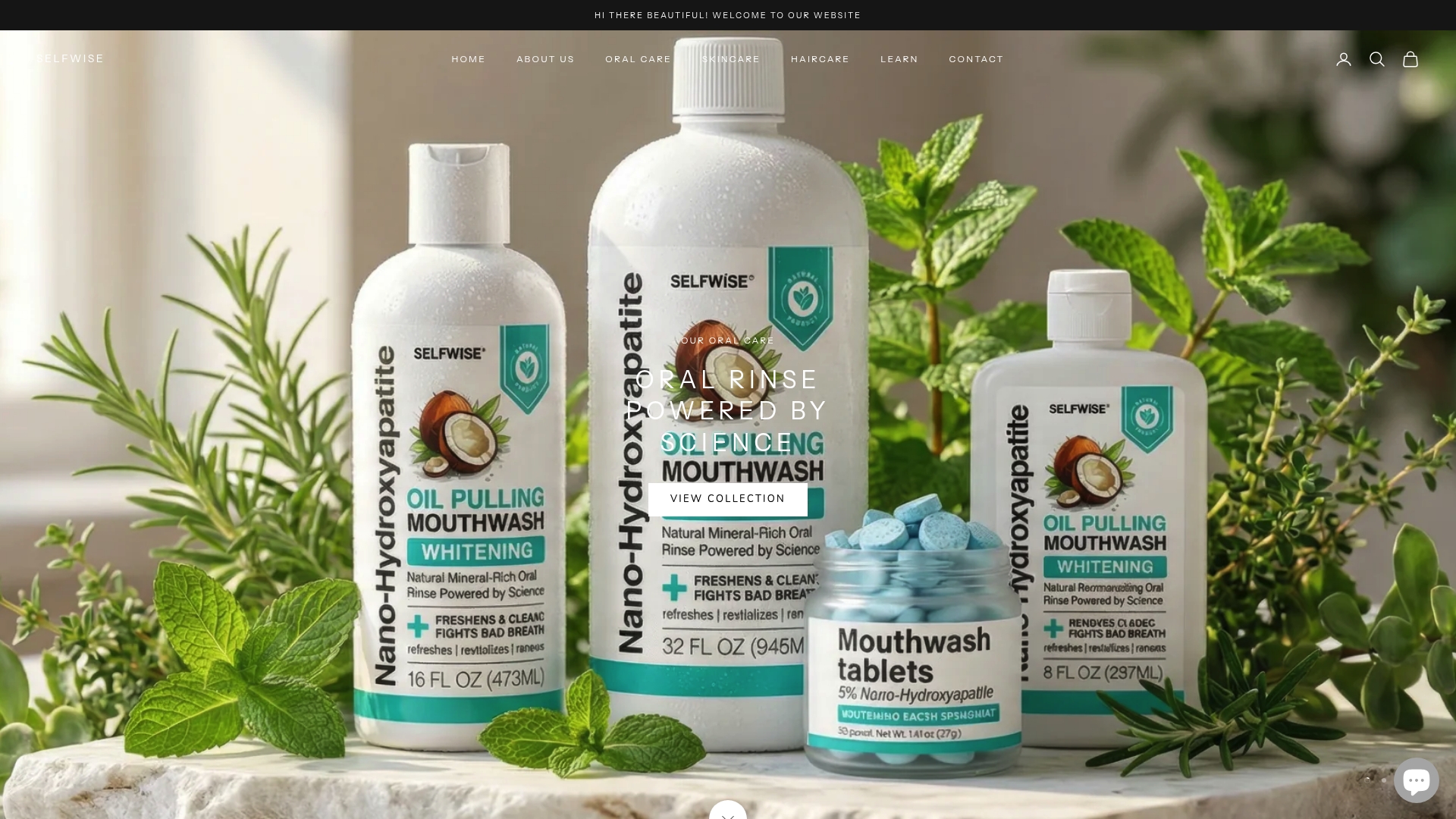
Selfwisebrand formulates its natural mouthwash collection around the same principles covered in this article: no alcohol, no harsh chemicals, and ingredients chosen for their clinical track record. The nano hydroxyapatite mouthwash tablets combine enamel-supporting nano hydroxyapatite with plant-based compounds in a fluoride-free format that works with your oral microbiome rather than against it. For those building a fully fluoride-free oral care routine, the collection covers everything from daily rinsing to oil pulling. Simple ingredients, real results, and no guesswork about what you are putting in your mouth.
FAQ
What are the most effective natural breath freshening ingredients?
Xylitol, green tea extract (EGCG), and Coptis chinensis are the most clinically supported. They reduce odor-causing bacteria, support the oral microbiome, and lower volatile sulfur compound levels.
How much xylitol do I need daily for fresh breath?
Clinical studies show 6.88g–10.32g of xylitol daily reduces odor-causing bacteria in plaque and saliva. Most mints contain only 0.5g per piece, so multiple servings throughout the day are needed.
Can I use green tea as a natural mouthwash?
Yes. Steep green tea for three to five minutes and swish for 30–60 seconds. A 5% green tea rinse performs comparably to 0.2% chlorhexidine for plaque and breath control without side effects.
Are probiotics effective for bad breath?
S. salivarius K12 shows promise for reducing halitosis, but current evidence recommends using it as an adjunct to brushing and flossing, not as a standalone solution.
Why do alcohol mouthwashes worsen breath over time?
Alcohol dries the oral mucosa and reduces saliva flow, creating conditions where odor-causing bacteria thrive. Natural ingredients that support microbiome balance produce more durable results than alcohol-based sterilization.