Sesame Oil's Role in Oral Tradition and Modern Oral Care
Sesame oil pulling is a traditional, evidence-supported adjunct to mechanical oral hygiene that can reduce plaque, halitosis, and some markers of gingival inflammation when used correctly. It is not a replacement for brushing, flossing, or professional dental visits, but the research is strong enough to take seriously.
- Plaque and halitosis: Clinical trials show sesame oil pulling reduces plaque index scores and organoleptic halitosis measures, with one three-week randomized trial finding results comparable to chlorhexidine for oral malodor.
- Evidence limits: Most trials are small, short-term, and conducted in controlled settings. Microbiological changes are inconsistent across studies, and long-term periodontal benefits remain unproven.
- Realistic timeline: Most users notice fresher breath within one to two weeks. Measurable plaque reduction typically shows up after four to eight weeks of consistent daily practice.
Oil pulling is best understood as a morning ritual that supports your existing oral hygiene routine, not a shortcut around it. Use it alongside brushing and flossing, and keep your regular dental checkups.
Key Takeaways
Sesame oil oil-pulling is a 3,000-year-old Ayurvedic practice with clinical trial support for plaque reduction and halitosis improvement, best used as a daily adjunct to brushing, flossing, and professional dental care.
| Point | Details |
|---|---|
| Traditional roots | Oil pulling (kavala/gandoosha) originates in Ayurvedic texts and has used sesame oil for over 3,000 years. |
| Plaque evidence | An eight-week RCT found sesame oil reduced full-mouth plaque index by a median of 18.98% versus 10.49% for distilled water. |
| Halitosis benefit | A three-week RCT found sesame oil pulling reduced oral malodor scores comparably to chlorhexidine. |
| Choose cold-pressed | Cold-pressed sesame oil preserves lignans (sesamin, sesamolin, sesaminol); avoid refined or toasted oils for pulling. |
| Selfwisebrand option | Selfwisebrand’s nano hydroxyapatite oil-pulling mouthwash combines oil-pulling mechanics with enamel remineralization in one pre-measured product. |
Table of Contents
- What is the role of sesame oil in oral tradition?
- What does the clinical research say about sesame oil and oral health?
- How does sesame oil actually work in your mouth?
- How to oil-pull with sesame oil: a step-by-step protocol
- Safety, contraindications, and when oil pulling is not enough
- How to choose the right sesame oil for oil pulling
- How oil pulling fits into a modern natural oral-care routine
- Selfwisebrand’s oil-pulling mouthwash: science-backed and routine-ready
- The gap between what oil pulling promises and what it actually delivers
- Sources
- FAQ
What is the role of sesame oil in oral tradition?
The practice known today as oil pulling comes directly from Ayurvedic medicine, where it appears under two distinct names: gandoosha and kavala. Both are described in classical Sanskrit texts, including the Charak Samhita and Sushruta Samhita, as foundational oral hygiene techniques dating back more than 3,000 years. The difference between them is practical: gandoosha involves filling the mouth completely with oil and holding it still, while kavala uses a smaller amount that is actively swished and pulled between the teeth.
Sesame oil was the oil of choice in these traditions, and the reasons were partly practical and partly medicinal. Sesame (Sesamum indicum) was one of the most widely cultivated crops in the Indian subcontinent, making the oil readily available. Beyond availability, Ayurvedic practitioners described sesame oil as a “golden healer” for the teeth, gums, and jaw, attributing properties to it that modern researchers now link to its lignan content and antioxidant profile.
Traditional texts recommended oil pulling first thing in the morning on an empty stomach, using roughly a mouthful of oil for 10–20 minutes. The practice was framed as both a local oral treatment and part of a broader system of systemic detoxification. That dual framing, local and systemic, is part of why sesame oil’s cultural significance in oral care has persisted across centuries and across cultures that adopted Ayurvedic practices.
What does the clinical research say about sesame oil and oral health?
The evidence base for oil pulling has grown meaningfully over the past decade, though it still has real limitations worth understanding before you commit to the practice.
Key trial findings
A 2024 randomized controlled clinical study found sesame oil pulling reduced full-mouth plaque index (RMNPI) by a median of 18.98% after eight weeks, compared to 10.49% for distilled water. The difference was most pronounced on anterior and approximal surfaces, which are exactly the areas where immature biofilm tends to accumulate between brushing strokes.
A separate 30-day trial in gingivitis patients found statistically significant reductions in both plaque and gingival indices with sesame oil pulling (p < 0.05), with results similar to those seen with coconut oil. A three-week halitosis trial found sesame oil pulling reduced organoleptic scores to a degree comparable to chlorhexidine, indicating similar efficacy for short-term oral malodor control.
A 2017 literature review summarized multiple small trials and noted approximately 20% average reductions in microbial counts after 40-day regimens in some studies, alongside improved plaque and gingival scores versus controls.
Where the evidence gets complicated
| Outcome | Evidence Strength | Notes |
|---|---|---|
| Plaque reduction | Moderate | Consistent across multiple RCTs; effect size varies |
| Halitosis improvement | Moderate | Comparable to chlorhexidine in one RCT |
| Gingival inflammation | Modest | Significant in some trials; not all |
| Microbiological changes | Weak | Inconsistent; some studies show no change |
| Long-term periodontal benefit | Insufficient | No high-quality long-term data |
An eight-week controlled study comparing sesame-based tooth oil to distilled water found significant plaque reduction in both groups, leading the authors to suggest that mechanical swishing, not the oil’s chemistry alone, may account for a meaningful share of the effect. No consistent microbiological changes were detected in that study.
The honest summary: oil pulling is a useful adjunct with real but modest benefits, strongest for plaque and halitosis in the short to medium term, and the evidence base still needs larger, longer, more rigorously controlled trials.
How does sesame oil actually work in your mouth?
Two categories of action are at play: mechanical and chemical. Neither alone fully explains the observed effects, and the interaction between them is what makes sesame oil particularly well-suited to this practice.
Mechanical effects
Sesame oil is viscous. When you swish it vigorously for 15–20 minutes, the shear forces generated between the oil and tooth surfaces physically dislodge immature plaque biofilm before it mineralizes into calculus. The turbulence reaches approximal surfaces and the gingival margin, areas a toothbrush misses on a typical 90-second brush. The eight-week sesame oil trial specifically noted that the mechanical swishing effect likely contributes significantly to plaque reduction, independent of the oil’s bioactive content.
Chemical and biological effects
Here is where sesame oil separates itself from plain water or neutral oils. As you swish, the oil emulsifies with saliva and oral fluids, increasing its surface area dramatically. This process, called saponification when it involves fatty acid breakdown, allows the oil to interact with the lipid membranes of oral bacteria, disrupting their structure and reducing their ability to adhere to tooth surfaces. You can see this happening: the oil turns thin and milky during pulling, a visible sign that emulsification is underway. Learn more about emulsification in oil pulling and what the science says about this process.
Sesame oil also contains three key lignans: sesamin, sesamolin, and sesaminol. These compounds have documented antioxidant and anti-inflammatory properties and may reduce lipid peroxidation in oral tissues. The 2017 review specifically highlighted these lignans as part of the reason sesame oil has been preferred over other oils in traditional oral care.
The visible change from clear to milky during oil pulling is not just cosmetic. It signals that the oil has emulsified with saliva and oral fluids, trapping volatile sulfur compounds and disrupting bacterial biofilm in the process.
Pro Tip: If your oil is still clear and oily after 15 minutes, you may not be swishing vigorously enough. The milky, thin consistency is the target, and it usually appears within 10 minutes of active pulling.
How to oil-pull with sesame oil: a step-by-step protocol
The protocol matters. Doing it casually for three minutes while scrolling your phone is not the same practice studied in clinical trials.
- Do it first thing in the morning before eating, drinking, or brushing. An empty stomach reduces the risk of nausea and keeps the oil from mixing with food particles.
- Measure about 1 tablespoon (roughly 10 ml) of cold-pressed sesame oil. Some people start with 1 teaspoon and work up, which is fine for the first week.
- Swish actively for 10–20 minutes. Pull the oil between your teeth, push it around your gums, and keep it moving. Passive holding (gandoosha style) is less effective for plaque removal than active swishing (kavala style).
- Stop if you feel the urge to swallow or gag. Spit immediately into a trash can, not the sink. Oil can solidify and clog pipes over time.
- Spit out the oil completely. The used oil contains bacteria, volatile compounds, and cellular debris. Swallowing it defeats the purpose.
- Rinse with warm water to clear residual oil from your mouth.
- Brush your teeth as normal. Oil pulling does not replace brushing. Follow with your regular natural oral care routine, including flossing.
For beginners, starting at five minutes and building to 15–20 minutes over two weeks is a reasonable approach. The gag reflex often settles once the practice becomes familiar. If the taste of plain sesame oil is off-putting, a formulated oil-pulling product with mild flavoring can help with consistency.
Safety, contraindications, and when oil pulling is not enough
Oil pulling is safe for most healthy adults, but there are specific situations where caution or avoidance is warranted.
Sesame allergy. Sesame is a top-9 allergen in the United States as of 2023. If you have a known sesame allergy or have reacted to sesame-containing foods, do not use sesame oil for oil pulling. Coconut oil is a common alternative for those who want to practice oil pulling without sesame exposure.
Aspiration risk. Swallowing or inhaling oil during pulling can cause lipoid pneumonia, a serious condition. Anyone with swallowing difficulties, a strong uncontrolled gag reflex, or neurological conditions affecting swallowing should avoid oil pulling entirely.
Young children. The practice is not appropriate for children under approximately five years old, who cannot reliably control swallowing during a 10–20 minute swishing session.
Oil pulling does not treat gum disease, tooth decay, or dental infections. If you notice bleeding gums that persist beyond two weeks of improved hygiene, tooth mobility, persistent pain, or swelling, see a dentist. These are signs that require professional diagnosis and treatment, not a home remedy.
Oil pulling is an adjunct, and the research consistently frames it that way. It works best as a layer on top of brushing, flossing, and regular professional cleanings, not as a substitute for any of them.
How to choose the right sesame oil for oil pulling
Not all sesame oil is the same, and the difference matters for both safety and effectiveness.
- Cold-pressed or virgin sesame oil is the right choice. Cold-pressing preserves the lignans (sesamin, sesamolin, sesaminol) and polyunsaturated fatty acids that give sesame oil its antioxidant and anti-inflammatory properties. Refined or solvent-extracted oils lose much of this bioactive content during processing.
- Avoid toasted sesame oil entirely. Toasted sesame oil is processed at high heat, which degrades the lignans and produces a strong flavor that is unpleasant to hold in your mouth for 15 minutes. It is also more heavily processed and may have a higher allergen load.
- Look for organic certification where possible. Organic cold-pressed sesame oil minimizes pesticide residue, which matters when you are holding the oil against your gum tissue for an extended period.
- Check the label for additives. Pure sesame oil should have one ingredient: sesame oil. Avoid products with added flavors, preservatives, or carrier oils unless the product is specifically formulated for oral use with disclosed ingredients.
- Storage: Keep cold-pressed sesame oil in a cool, dark place and use it within six months of opening. Rancid oil is less effective and may irritate oral tissues.
For a deeper comparison of oil options, the evidence-based guide to oils for oil pulling covers how sesame stacks up against other commonly used oils.
How oil pulling fits into a modern natural oral-care routine
Oil pulling works best as the first step in a morning routine, not a standalone practice. Here is how it fits with other natural oral-care approaches.
A practical morning sequence: Oil pull for 15 minutes while you shower or make coffee, spit, rinse with warm water, then brush with a remineralizing toothpaste or use a nano hydroxyapatite rinse. Floss before or after brushing, whichever you prefer. This sequence takes about 20 minutes total and covers mechanical cleaning, biofilm disruption, and remineralization in one session.
Nano hydroxyapatite (nHAp) and oil pulling address different problems. Oil pulling disrupts and removes biofilm mechanically and chemically. Nano hydroxyapatite works by depositing calcium and phosphate ions into demineralized enamel, rebuilding the tooth surface at a microscopic level. The two approaches do not interfere with each other; they complement. Selfwisebrand’s nano hydroxyapatite mouthwash tablets are designed to fit exactly this kind of layered routine.
Xylitol-based products add another layer. Xylitol inhibits Streptococcus mutans, the primary caries-causing bacterium, by disrupting its metabolism without killing it outright. Using a xylitol rinse or mouthwash after oil pulling and brushing gives you antimicrobial support that is distinct from what the oil provides.
For readers who prioritize fluoride-free and chemical-free options, this combination, oil pulling plus nHAp plus xylitol, covers remineralization, biofilm disruption, and anti-caries protection without conventional antiseptics or fluoride. It aligns with the broader shift toward clean, ingredient-conscious oral care that many health-conscious consumers are building into their daily routines.
Selfwisebrand’s oil-pulling mouthwash: science-backed and routine-ready
If you want the benefits of sesame oil pulling without measuring out tablespoons of bulk oil every morning, Selfwisebrand’s nano hydroxyapatite oil-pulling mouthwash is built for exactly that.
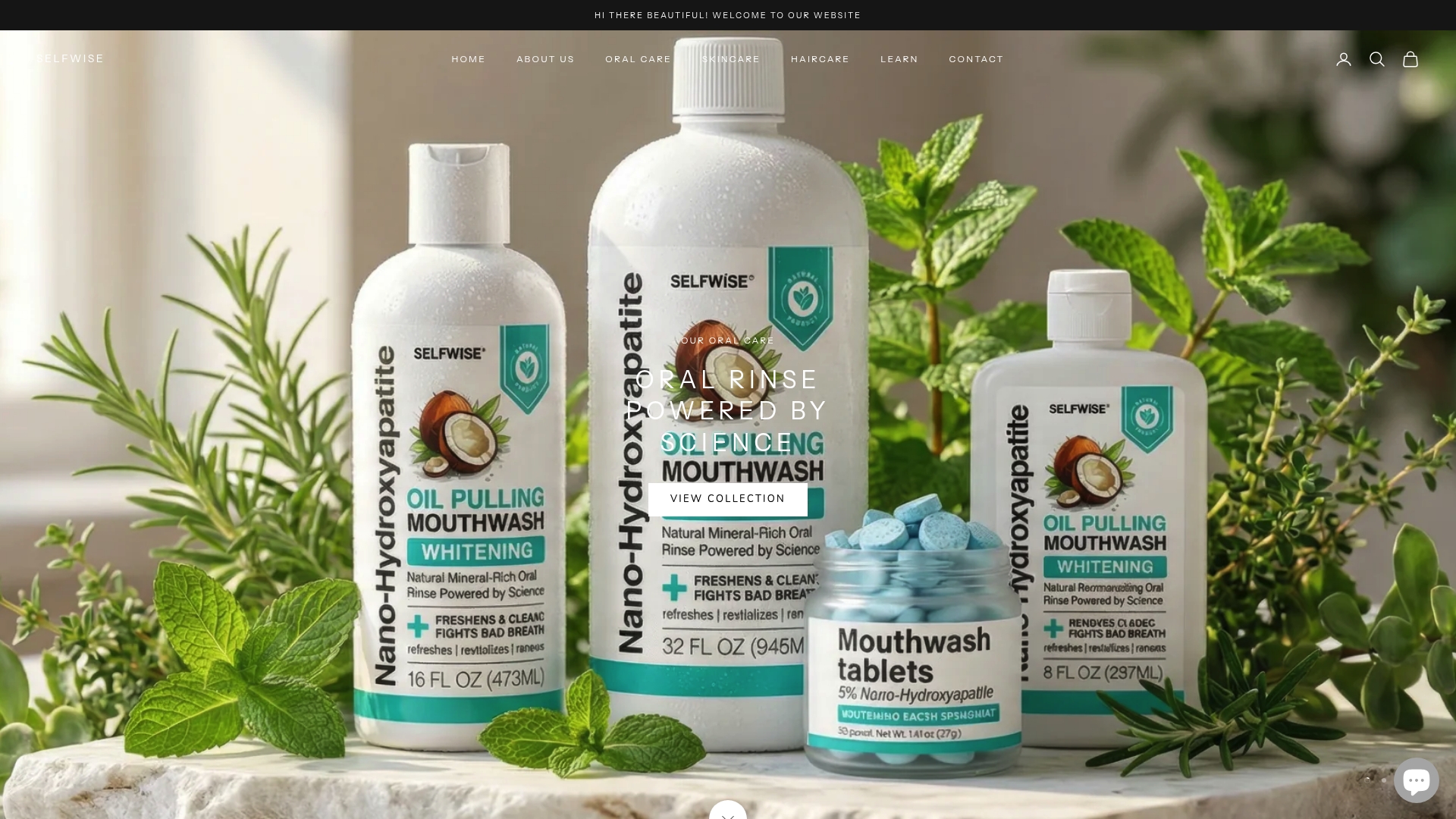
The formula combines the mechanical and emulsification benefits of oil pulling with nano hydroxyapatite for enamel support, giving you two mechanisms in one product. The dose is pre-measured, the flavor is mild enough to hold for a full session, and there are no harsh antiseptics, alcohol, or fluoride. It fits directly into the morning protocol described above: pull, spit, rinse, brush.
Browse the full natural mouthwash collection to find the right fit for your routine, whether you want a straight oil-pulling product, a remineralizing rinse, or a xylitol-based option for anti-caries support. Every product is formulated without the chemicals most natural-care consumers are trying to move away from. Try it alongside your regular dental care and give it four to eight weeks, which is the window the clinical trials used to measure meaningful plaque changes.
The gap between what oil pulling promises and what it actually delivers
The wellness world tends to overclaim on oil pulling. You will find assertions that it whitens teeth, reverses gum disease, detoxifies the body, and cures everything from headaches to hormonal imbalance. None of that is supported by the research. What the trials actually show is more modest and more honest: consistent oil pulling with sesame oil can reduce plaque accumulation, improve breath, and support gingival health as part of a complete oral hygiene routine.
That is still worth doing. A practice that reduces plaque by roughly 19% over eight weeks, improves halitosis to a degree comparable to chlorhexidine, and has a 3,000-year safety record is not nothing. The Ayurvedic tradition got something right here, even if the mechanism they described was different from what modern biochemistry reveals.
What I find most defensible about recommending sesame oil pulling is the convergence: ancient practice, plausible mechanism (emulsification, saponification, lignan bioactives), and multiple independent RCTs pointing in the same direction. That convergence does not prove strong efficacy, but it does justify adding the practice to a natural oral-care routine with realistic expectations. Expect fresher breath and modestly cleaner teeth. Do not expect it to replace your dentist.
Sources
The studies below are the primary sources used in this article. Each is publicly accessible and peer-reviewed.
- Comparative Efficacy of Oil Pulling and Chlorhexidine on Oral Malodor: A Randomized Controlled Trial - PMC
- Oil pulling for maintaining oral hygiene – A review - PMC
- The plaque reducing efficacy of oil pulling with sesame oil: a randomized-controlled clinical study | Clinical Oral Investigations | Springer Nature Link
- Comparing a sesame-based tooth oil to distilled water in an eight-week intervention (MDPI Healthcare)
This article is general information, not a substitute for advice from a qualified doctor. Consult a qualified healthcare professional about your own circumstances before acting on anything here.
FAQ
What does sesame oil do for your teeth?
Sesame oil pulling mechanically disrupts plaque biofilm and may reduce bacterial adhesion through emulsification and saponification. Clinical trials show modest but consistent reductions in plaque index scores and halitosis after regular use.
What is the history of oil pulling for teeth?
Oil pulling originates in Ayurvedic medicine, described in classical texts including the Charak Samhita and Sushruta Samhita under the names kavala and gandoosha. Sesame oil was the traditionally preferred oil, used as a morning oral hygiene practice for over 3,000 years.
What does gargling with sesame oil do?
Active swishing (not gargling) with sesame oil for 10–20 minutes emulsifies the oil with saliva, trapping volatile sulfur compounds responsible for bad breath and disrupting immature plaque. One three-week RCT found the halitosis reduction was comparable to chlorhexidine mouthwash.
Is sesame oil safe for everyone to use for oil pulling?
No. Sesame is a top-9 allergen in the United States, so anyone with a sesame allergy should avoid it. The practice is also unsuitable for young children under approximately five years old and for anyone with swallowing difficulties due to aspiration risk.
How long before you notice results from sesame oil pulling?
Most people notice fresher breath within one to two weeks. Measurable plaque reduction, as seen in clinical trials, typically requires four to eight weeks of consistent daily practice.