
Best Oils for Oil Pulling: Evidence-Based Guide 2026
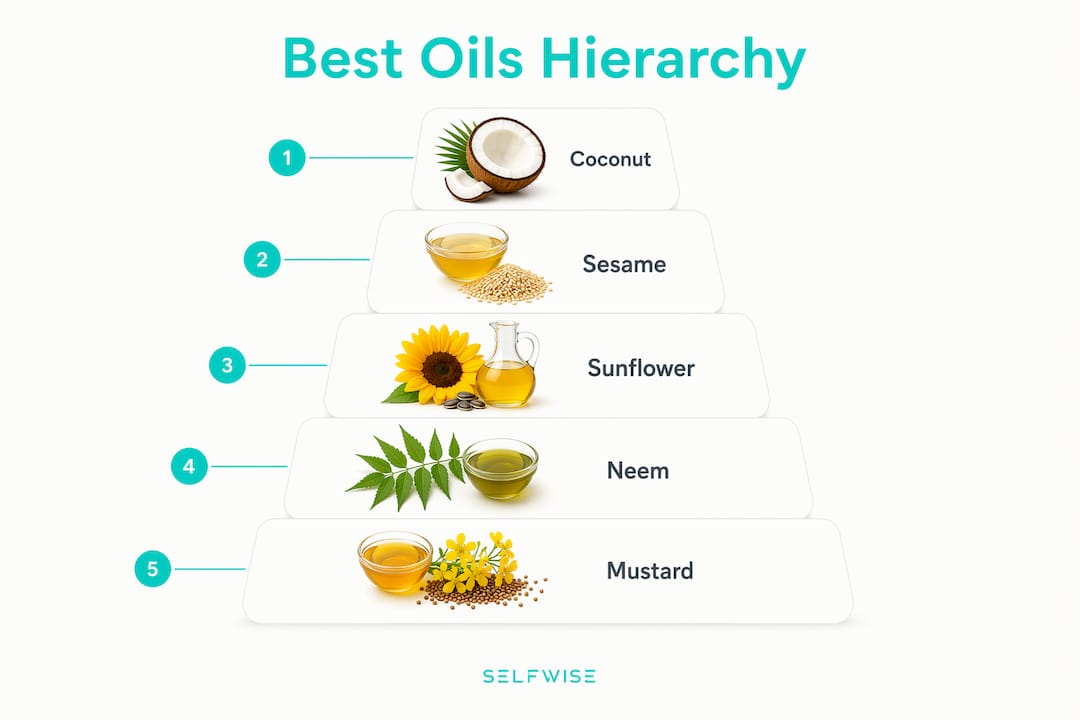
Coconut oil and sesame oil are the best oils for oil pulling, backed by clinical trials and centuries of Ayurvedic practice. Both deliver meaningful antimicrobial action against oral bacteria, with coconut oil’s lauric acid content giving it a slight edge in plaque reduction. Sunflower oil works well for those who find coconut or sesame too strong. Neem and mustard oils round out the field with traditional credentials, though they’re harder to find in the US and carry a more intense flavor.
Quick reference for the top oil pulling options:
- Coconut oil: Roughly 50% lauric acid; strong antimicrobial and anti-inflammatory profile; mild, pleasant taste
- Sesame oil: Traditional Ayurvedic standard; antioxidative lignans; about 19% plaque reduction in clinical trials
- Sunflower oil: Mild taste and light texture; effective for gum health; good entry point for beginners
- Neem oil: Potent antibacterial compounds; very strong flavor; best used in small amounts or blended
- Mustard oil: Traditional use in South Asian oral care; pungent taste; limited US availability
Pro Tip: Start with just 5 minutes of swishing per session. Build toward 15–20 minutes over a few weeks to avoid jaw fatigue and make the habit stick.
What is oil pulling and how does it support oral hygiene?
Oil pulling is an ancient Ayurvedic practice that involves swishing a tablespoon of edible oil around the mouth for an extended period, then spitting it out. The practice originated in India and has been documented in traditional medicine texts for over 3,000 years. Today, it’s gaining traction in natural oral care communities across the United States as a complement to regular brushing and flossing.
The mechanism is more physical than most people expect. As you swish, the oil emulsifies and picks up bacteria, debris, and biofilm from tooth surfaces and the gum line. The mechanical disruption of swishing, combined with the antimicrobial fatty acids in the oil, reduces bacterial load in saliva. Clinical research confirms oil pulling can reduce salivary bacterial counts, though effects on plaque index scores vary across studies.
Key benefits supported by research:
- Reduces salivary bacterial colony counts
- Supports gum health and may reduce gingival inflammation
- Complements mechanical oral hygiene without harsh chemicals
- Provides a chemical-free alternative to alcohol-based mouthwashes
One thing to be clear about: oil pulling is an adjunct, not a replacement. The American Dental Association states that evidence for oil pulling reducing cavities or whitening teeth remains limited, and standard brushing and flossing stay the gold standard. Think of oil pulling as a useful addition to your routine, not a substitute for it. For a deeper look at the practice, Selfwisebrand’s guide on what is oil pulling covers the research and practical context in full.
How to choose the right oil for pulling
Not every oil belongs in your mouth for 15 minutes. The right choice depends on antimicrobial potency, fatty acid composition, taste tolerance, and whether you can source a quality product in the US.
| Criterion | Why it matters | Best oils |
|---|---|---|
| Antimicrobial properties | Fatty acids disrupt bacterial cell membranes | Coconut, neem, sesame |
| Anti-inflammatory benefits | Reduces gum irritation and bleeding | Coconut, sesame, mustard |
| Taste and texture | Affects compliance and daily habit formation | Coconut (mild), sunflower (neutral) |
| Traditional use | Centuries of documented Ayurvedic practice | Sesame, mustard |
| US availability | Organic, cold-pressed options at major retailers | Coconut, sesame, sunflower |
| Organic/cold-pressed status | Preserves bioactive compounds like lauric acid | All oils; prioritize this label |
Organic and cold-pressed status matters more than most people realize. Refined oils lose a significant portion of their bioactive compounds during processing. Lauric acid in coconut oil and the antioxidative lignans in sesame oil, the compounds that actually do the antimicrobial work, are best preserved in cold-pressed, organic versions. If you’re choosing between a cheap refined oil and a pricier cold-pressed one, the cold-pressed version is the better investment.
Taste is a real compliance factor. If you gag on neem oil’s bitterness every morning, you won’t stick with it long enough to see results. Coconut oil’s mild sweetness and sunflower oil’s near-neutral flavor make both far easier to use daily. Oil pulling consistency matters more than which specific oil you pick, so choose one you can actually tolerate.
1. Coconut oil: the most popular choice for a reason
Coconut oil is about 92% saturated fatty acids, with lauric acid making up roughly half of that total. Lauric acid reacts with salivary sodium hydroxide to form sodium laurate, a natural surfactant that disrupts bacterial membranes and inhibits plaque reattachment. In vitro studies confirm coconut oil’s activity against Streptococcus mutans and Candida albicans, two of the most common culprits in tooth decay and oral infections.
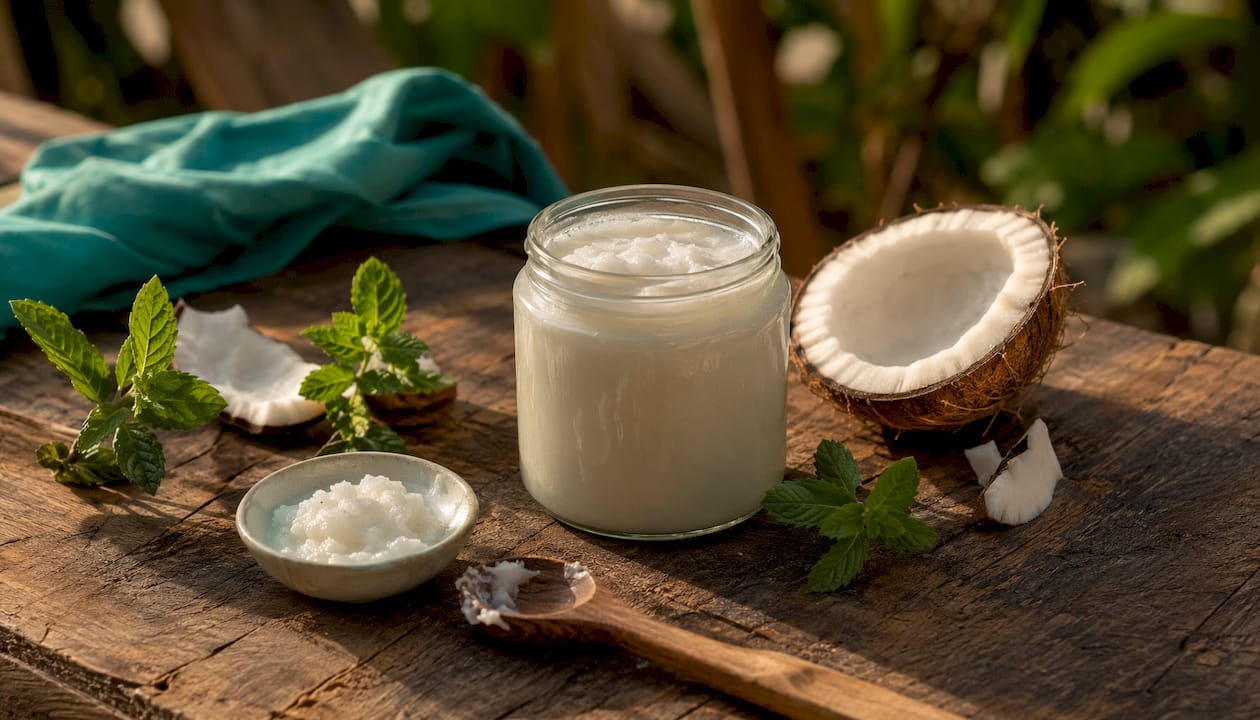
A triple-blind randomized clinical trial comparing sesame, coconut, and sunflower oils found all three effective for improving gingival health, with coconut oil showing the strongest results for controlling gingivitis. That tracks with the biochemistry: no other common pulling oil matches coconut’s lauric acid concentration.
Practical notes:
- Solid at room temperature below 76°F; melts quickly in the mouth
- Mild, slightly sweet flavor that most people find easy to tolerate
- Widely available in organic, cold-pressed form at US grocery stores and online
- Store in a cool, dark place; shelf life of 1–2 years unopened
The benefits of coconut oil pulling extend beyond bacteria counts. Its anti-inflammatory properties make it particularly useful for people dealing with gum sensitivity or early-stage gingivitis.
2. Sesame oil: the original Ayurvedic standard
Sesame oil is the oil that Ayurvedic texts specifically recommend for oil pulling, a practice called gandusha or kavala. It contains sesamin and sesamolin, two lignans with antioxidative and anti-inflammatory properties that set it apart from most other edible oils. These compounds contribute to sesame oil’s ability to reduce oxidative stress in gum tissue, not just kill bacteria.

A 2025 RCT found sesame oil pulling achieved about 19% plaque reduction versus 10% with distilled water over eight weeks. That’s a meaningful gap, and it supports sesame oil’s reputation as one of the most clinically studied options. For a detailed breakdown of technique and evidence, Selfwisebrand’s guide on sesame oil pulling is worth reading before you start.
Practical notes:
- Light, slightly nutty flavor; more neutral than neem or mustard
- Liquid at room temperature; easy to measure and use
- Available in organic, cold-pressed form at most US health food stores
- Shelf life roughly 1 year; store away from heat and light
One caveat: sesame allergy is more common than people assume. If you have a known sesame sensitivity, skip this one entirely and go with coconut or sunflower oil instead.
3. Sunflower oil: the mild, beginner-friendly option
Sunflower oil doesn’t get the same attention as coconut or sesame, but clinical research puts it in the same category for gingival health outcomes. The triple-blind trial cited above found sunflower oil effective for improving gingival health across a 21-day period, with statistically significant reductions in gingival index scores. The difference between sunflower and the other two oils was not statistically significant, which means it holds its own despite the lower lauric acid content.
Its main advantage is flavor. Sunflower oil is nearly tasteless and has a light, non-greasy texture that makes the 15–20 minute swishing window much more manageable. For anyone who finds coconut oil too sweet or sesame oil too nutty, sunflower is the practical middle ground.
Practical notes:
- Neutral taste; very easy to use daily
- Liquid at room temperature; no melting required
- Choose cold-pressed, organic versions to preserve polyunsaturated fatty acids
- Shelf life roughly 1 year; more prone to oxidation than coconut oil, so refrigerate after opening
Sunflower oil’s linoleic acid content gives it mild anti-inflammatory properties, though not as pronounced as coconut or sesame. Still, for consistent daily use, it’s a solid option.
4. Neem oil: powerful antibacterial, not for the faint of heart
Neem oil comes from the seeds of the Azadirachta indica tree and has been used in traditional Indian medicine for oral care for centuries. Its active compounds, including nimbidin and nimbin, have documented antibacterial and antifungal properties. Some traditional Ayurvedic practitioners consider neem the most potent option for targeting oral pathogens.
The catch is the flavor. Neem oil is intensely bitter and has a strong, pungent smell that many people find difficult to tolerate for a full pulling session. Most practitioners who use it recommend blending a small amount of neem oil with coconut or sesame oil rather than using it straight.
Practical notes:
- Very strong, bitter flavor; best used in small amounts or blended
- Less commonly available in the US; look for food-grade, cold-pressed versions specifically
- Not suitable for pregnant women or people with certain health conditions; consult a healthcare provider
- Shelf life roughly 1–2 years; store in a dark, cool location
Neem oil is worth considering if you’re dealing with persistent gum issues and want a traditional antibacterial boost, but it’s not the right starting point for most people.
5. Mustard oil: traditional use with limited US reach
Mustard oil has a long history in South Asian oral care traditions, used both for oil pulling and as a gum massage oil. It contains allyl isothiocyanate and erucic acid, compounds with antimicrobial and anti-inflammatory properties. Traditional practitioners in India have used it for generations to address gum disease and bad breath.
In the US, mustard oil faces a regulatory quirk: the FDA restricts its sale as a cooking oil due to its high erucic acid content, though it’s available labeled “for external use only” in many Indian grocery stores. This creates a practical barrier for anyone wanting to use it for oil pulling. If you’re committed to trying it, consult a healthcare provider first and source it carefully.
Practical notes:
- Pungent, sharp flavor; an acquired taste
- Limited availability in the US; primarily found in South Asian specialty stores
- Regulatory restrictions on food-grade use; proceed with caution
- Traditional use suggests anti-inflammatory and antibacterial benefits, though modern clinical trials are sparse
Mustard oil is best viewed as a traditional option with cultural significance rather than a first-line recommendation for most American readers.
Full oil comparison at a glance
| Oil | Antimicrobial strength | Anti-inflammatory | Taste | Traditional use | US availability | Organic/cold-pressed |
|---|---|---|---|---|---|---|
| Coconut | High (lauric acid) | Strong | Mild, slightly sweet | Ayurvedic | Widely available | Easy to find |
| Sesame | High (lignans) | Strong | Nutty, mild | Primary Ayurvedic standard | Widely available | Easy to find |
| Sunflower | Moderate | Moderate | Neutral | Secondary Ayurvedic | Widely available | Easy to find |
| Neem | Very high | Moderate | Very bitter | Traditional Indian medicine | Limited | Harder to find |
| Mustard | Moderate to high | Moderate | Pungent, sharp | Traditional South Asian | Very limited | Rare |
How to do oil pulling effectively and safely
The technique matters as much as the oil you choose. The mechanical action of swishing is part of what makes oil pulling work, so a half-hearted rinse won’t deliver the same results as a proper session.
Follow these steps for an effective routine:
- Do it first thing in the morning, before eating, drinking, or brushing. This is when bacterial load in the mouth is highest.
- Measure one tablespoon of oil. Clinical guidelines recommend this amount for adequate coverage without making swishing uncomfortable.
- Swish gently but actively for 15–20 minutes, pushing and pulling the oil through your teeth and around your gums. The oil will increase in volume as it mixes with saliva.
- Spit into the trash, not the sink. Coconut oil solidifies at room temperature and can clog drains over time.
- Rinse with warm water or warm saline. A saline rinse removes residual oil more effectively than plain water alone.
- Brush and floss as normal. Oil pulling does not replace mechanical cleaning. Brush with a fluoride-free or nano hydroxyapatite toothpaste after rinsing.
For beginners, the step-by-step technique guide from Selfwisebrand walks through timing, positioning, and common mistakes in detail.
Pro Tip: If your jaw aches after a session, you’re working too hard. Gentle, rhythmic movement is all you need. Start with 5–10 minutes and build up gradually over two to three weeks.
Frequency: once daily is the standard recommendation. Some practitioners suggest starting with three to four times per week to build the habit before committing to every morning. Consistency over weeks and months is what produces results, not intensity in a single session.
Complete your natural oral care routine with Selfwisebrand
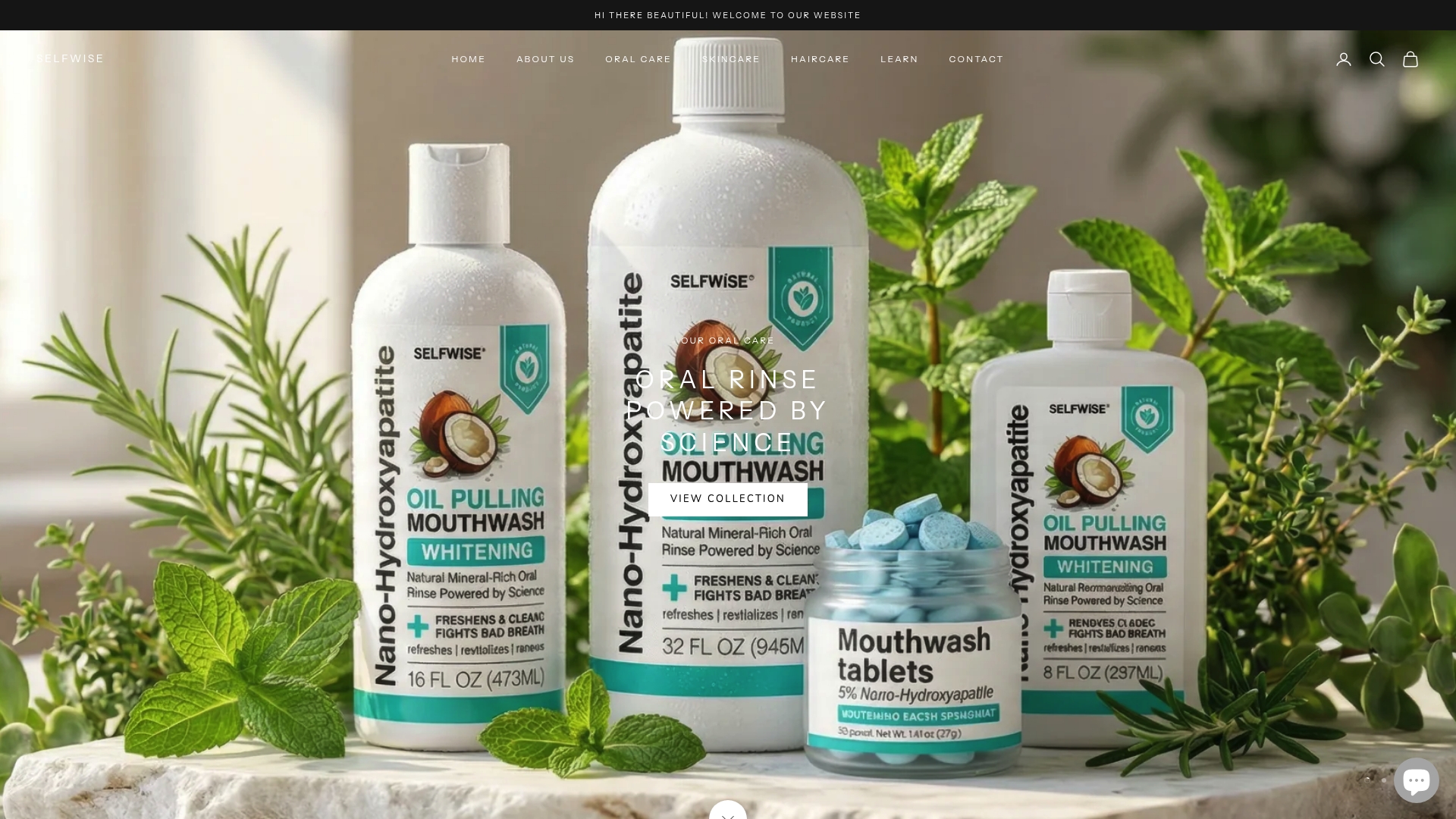
Oil pulling works best as part of a complete natural oral care routine. After you spit and rinse, your mouth is primed for the next step. Selfwisebrand’s nano hydroxyapatite oil pulling mouthwash is formulated specifically to follow oil pulling sessions, supporting enamel remineralization with fluoride-free ingredients. For a broader look at natural mouthwash options that pair well with oil pulling, the full mouthwash collection covers everything from xylitol-based rinses to solid mouthwash tablets. Simple ingredients, built around what the science actually supports.
Key Takeaways
Coconut and sesame oil are the best-supported choices for oil pulling, with clinical evidence showing reduced bacterial counts and improved gum health when used consistently with proper technique.
| Point | Details |
|---|---|
| Top two oils | Coconut and sesame oil have the strongest clinical and traditional evidence for oil pulling. |
| Plaque reduction | Sesame oil achieved about 19% plaque reduction versus 10% with distilled water in clinical trials. |
| Oil quality matters | Choose organic, cold-pressed oils to preserve lauric acid and antioxidative lignans. |
| Technique is key | Swish one tablespoon for 15–20 minutes, spit into trash, then rinse with warm saline. |
| Adjunct only | Oil pulling complements brushing and flossing; it does not replace them per ADA guidance. |
FAQ
What kind of oil is best for pulling?
Coconut oil and sesame oil are the best-supported options, with clinical trials showing both reduce salivary bacterial counts and improve gum health. Coconut oil’s lauric acid content gives it strong antimicrobial properties, while sesame oil is the traditional Ayurvedic standard with antioxidative lignans.
Should you brush before or after oil pulling?
Oil pulling should be done before brushing, ideally first thing in the morning on an empty mouth. After spitting and rinsing, brush and floss as normal to complete your oral hygiene routine.
Why are some dentists skeptical of oil pulling?
The American Dental Association notes that evidence for oil pulling reducing cavities or whitening teeth is limited, and that it should not replace brushing and flossing. Dentists generally support it as a complementary practice, not a standalone treatment.
Can oil pulling reduce yellow teeth?
Oil pulling may reduce surface staining over time through its cleansing action, but clinical evidence for significant whitening is limited. The ADA does not recognize it as a proven whitening treatment; for visible results, consult a dental professional about appropriate whitening options.
Is neem oil safe to use for oil pulling?
Food-grade, cold-pressed neem oil can be used for oil pulling in small amounts, often blended with coconut or sesame oil to offset its intense bitterness. Pregnant women and people with certain health conditions should consult a healthcare provider before using neem oil.