Oil Pulling with Sesame Oil: Benefits and Technique
Oil pulling with sesame oil is a natural oral hygiene practice that reduces harmful bacteria, supports gum health, and freshens breath by swishing sesame oil in the mouth for 15–20 minutes daily. Known in Ayurveda as kavala or gandusha, this practice has been used for thousands of years and is now backed by modern clinical research. Sesame oil stands apart from other oils because it contains unique lignans, including sesamin and sesamolin, that deliver antioxidant and anti-inflammatory effects directly to oral tissue. Used correctly, it works as a powerful adjunct to brushing and flossing, not a replacement.
What you need to start oil pulling with sesame oil
The right setup makes the difference between a practice you stick with and one you abandon after three days.
Choose the right oil. Cold-pressed, unrefined sesame oil is the best choice. Refined sesame oil loses many of its beneficial lignans during processing. Look for oil that is golden in color with a mild, nutty scent. Toasted sesame oil is not suitable for oil pulling because its flavor is too strong and its chemical profile differs significantly.
Gather your tools before you start:
- 1 tablespoon of cold-pressed sesame oil (beginners can start with 1 teaspoon)
- A timer set for 15–20 minutes
- A lined trash bin or paper towels for disposal
- A glass of water for rinsing afterward
Pro Tip: Set your timer before putting the oil in your mouth. Trying to set it mid-swish is awkward and interrupts your rhythm.
Sesame vs. coconut vs. sunflower oil for pulling
All three oils work for oil pulling, but they differ in composition and user experience.
| Oil | Key compounds | Taste | Best for |
|---|---|---|---|
| Sesame | Sesamin, sesamolin, oleic acid | Mild, nutty | Gum health, anti-inflammatory support |
| Coconut | Lauric acid, caprylic acid | Sweet, pleasant | Antimicrobial action, beginners |
| Sunflower | Linoleic acid, vitamin E | Neutral, mild | Sensitive mouths, neutral preference |
Sesame oil is considered the gold standard in Ayurveda for oil pulling due to its fatty acid profile and lignans. That distinction matters because its antioxidant compounds actively protect oral mucosa, not just coat it. For a deeper look at how these two top oils compare head to head, the sesame vs. coconut comparison at Selfwisebrand breaks down the research clearly.
How to oil pull with sesame oil: step-by-step technique
The technique is simple, but the details matter. Doing it wrong means less bacteria removal and more frustration.
-
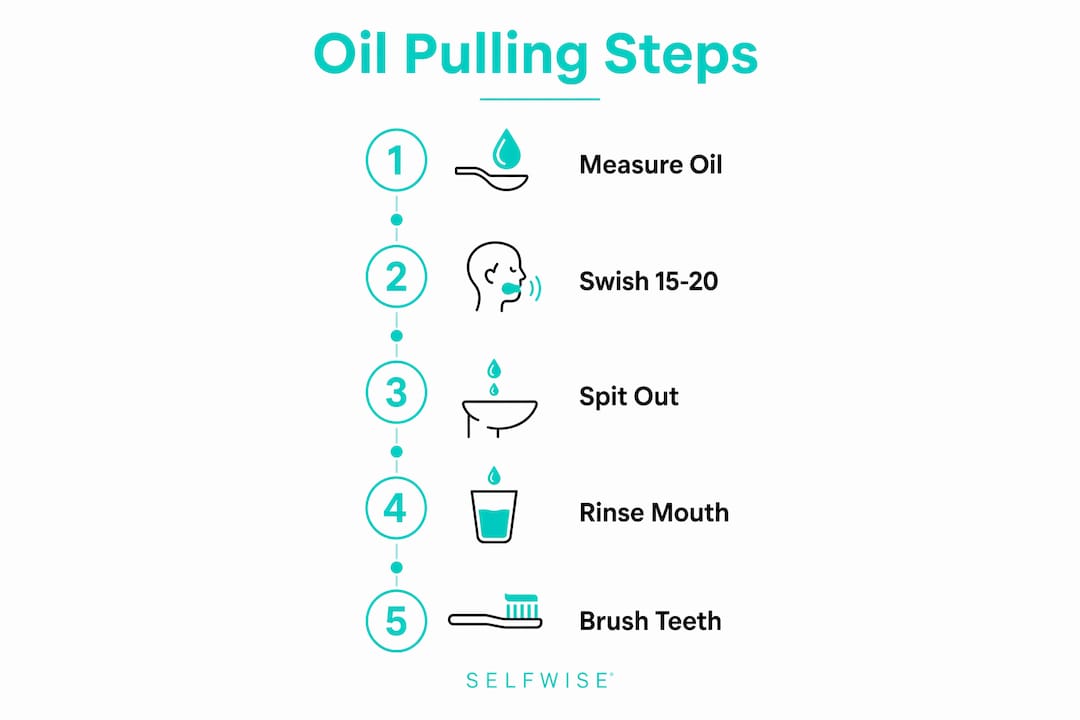
Measure your oil. Start with 1 teaspoon if you are new. Beginners should start with 1 teaspoon for 5 minutes, increasing by 2 minutes each week until you reach a full 15–20 minute session. This approach reduces gag reflex and jaw fatigue significantly.
-
Place the oil in your mouth. Do this first thing in the morning, before eating or drinking anything. Your mouth has the highest bacterial load overnight, so morning pulling gives you the most benefit.
-
Swish gently and evenly. Push and pull the oil between your teeth. Use your cheeks, tongue, and jaw to move it around every surface. Do not gargle. Do not swallow. Keep the motion steady but relaxed to avoid jaw fatigue.
-
Watch for the color change. After 10–15 minutes, the oil transforms from thick and clear to thin and milky white. This is saponification in action, where the oil emulsifies with saliva and binds oral pathogens for removal. If the oil stays clear, you are not swishing effectively enough.
-
Spit into a trash bin. Never spit into a sink or toilet. Oils solidify in household plumbing and cause blockages that are expensive to fix. Use a lined trash bin or spit onto a paper towel.
-
Rinse and brush. Rinse your mouth with warm water first, then brush with your regular toothpaste or a fluoride-free alternative. This removes any residual oil and bacteria from tooth surfaces.
“The transformation of the oil during pulling serves as a built-in timer. When it turns milky white, you know the process is working.” — HCMC Dental
Common mistakes to avoid: swallowing the oil, using toasted sesame oil, stopping before the color change, and spitting into the sink. Each of these either reduces effectiveness or creates a new problem.
Pro Tip: If the gag reflex is an issue, tilt your chin slightly downward while swishing. This keeps the oil away from the back of your throat.

For a full morning routine that integrates oil pulling from start to finish, Selfwisebrand’s oil pulling morning routine guide walks through every step.
What are the proven benefits of sesame oil pulling?
The benefits of sesame oil pulling are real, but they are specific. Understanding what the research actually shows helps you set the right expectations.
Plaque reduction. A 2025 randomized trial published in Clinical Oral Investigations found that sesame oil pulling reduces plaque significantly compared to distilled water after 8 weeks, with measurable improvements across anterior, buccal, and lingual areas. That covers the front, cheek-side, and tongue-side surfaces of your teeth.
Bacterial load reduction. Sesame oil pulling provides a modest reduction in salivary bacteria and short-term improvement in bad breath. The key word is modest. It works, but it works best alongside brushing and flossing, not instead of them.
Gum tissue protection. Sesame oil contains lignans with anti-inflammatory effects that protect gum tissue and oral mucosa. Sesamin and sesamolin are the specific compounds responsible. Their antioxidant action reduces oxidative stress in gum tissue, which is a contributing factor in early gum disease.
How it actually works. The mechanism behind oil pulling is saponification, not detoxification. The oil emulsifies with saliva to bind oral pathogens for mechanical removal without harming the enamel pellicle. This is why claims about oil pulling “drawing out toxins” are misleading. The real process is physical, not mystical.
What it does not do. Dental professionals confirm that oil pulling does not cure periodontal disease or whiten teeth dramatically. It does not replace professional cleanings. Treating it as a cure-all leads to neglecting care that actually matters.
Ayurvedic context. Ayurvedic texts classify sesame oil as Ushna, meaning warming, making it particularly suited for oral health during dry or cold seasons. This traditional framing aligns with its modern use as a soothing, anti-inflammatory rinse for sensitive gum tissue.
The oil pulling and oral health evidence reviewed in 2024 and 2026 systematic reviews consistently positions this practice as a low-risk adjunct therapy with real but limited benefits.
Safety considerations and troubleshooting
Oil pulling with sesame oil is safe for most people when done correctly. A few specific issues come up repeatedly.
Do not swallow the oil. The used oil contains bacteria, debris, and emulsified saliva. Swallowing it defeats the purpose and can cause digestive discomfort. If you feel the urge to swallow, reduce the amount of oil you use.
Manage jaw fatigue. Swishing for 15–20 minutes is a workout for your jaw muscles. Start with 5 minutes and build up gradually. Swishing too hard too soon causes soreness that makes people quit.
Avoid oil pulling if you have active oral conditions. People with open sores, recent dental surgery, or advanced periodontal disease should consult a dentist before starting. Oil pulling is a preventive and supportive practice, not a treatment for active disease.
Signs the practice is working:
- Oil turns milky white by the 10–15 minute mark
- Fresher breath in the morning after consistent use
- Reduced gum sensitivity over several weeks
Signs it is not working:
- Oil stays clear after 15 minutes (swishing is too gentle)
- You are spitting too early, before emulsification occurs
- You are using toasted or refined sesame oil instead of cold-pressed
“Oil pulling is effective as a low-risk complement to oral hygiene but does not cure periodontal disease or whiten teeth dramatically.” — Dental professionals cited by Oral Health HQ
Proper disposal is non-negotiable. Chronic oil disposal into household plumbing causes hardened oil buildup that leads to costly blockages. Always use a trash bin.
Key takeaways
Sesame oil pulling reduces plaque, supports gum health, and freshens breath as a daily adjunct to brushing and flossing, not a replacement for either.
| Point | Details |
|---|---|
| Choose cold-pressed sesame oil | Refined or toasted sesame oil lacks the lignans that make this practice effective. |
| Start small and build up | Begin with 1 teaspoon for 5 minutes, adding 2 minutes weekly to reach 15–20 minutes. |
| Watch for the milky white change | Oil turning milky white confirms active emulsification and effective bacteria removal. |
| Always spit into a trash bin | Oil solidifies in plumbing and causes blockages. Never spit into a sink or toilet. |
| Use it as an adjunct | Sesame oil pulling supports but does not replace brushing, flossing, or dental visits. |
My honest take on sesame oil pulling after years of watching people use it
Most people who try oil pulling quit within two weeks. Not because it does not work, but because they start with too much oil, too long a session, and unrealistic expectations. They expect whiter teeth and cured gum disease. What they get is a slightly fresher mouth and mild jaw soreness. That gap between expectation and reality is where the practice dies.
Here is what I have observed consistently: the people who stick with sesame oil pulling long enough to see real results treat it like a warm-up, not a cure. They do it while they shower or read. They start with a teaspoon. They do not watch the clock obsessively. After four to six weeks, they notice their gums bleed less when they floss, their breath stays fresher longer, and their mouth feels cleaner in the morning. Those are real, measurable changes.
The Ayurvedic framing of sesame oil as the gold standard for this practice is not just tradition for tradition’s sake. The lignans in cold-pressed sesame oil genuinely differentiate it from coconut or sunflower oil in terms of anti-inflammatory support for gum tissue. That said, pairing it with a remineralizing mouthwash or nano hydroxyapatite product gives you a complete natural oral care routine that addresses both the microbial and structural sides of oral health.
My recommendation: commit to 30 days with cold-pressed sesame oil before judging the results. Keep your dental appointments. Do not drop your fluoride-free toothpaste or mouthwash. Oil pulling works best as one piece of a thoughtful routine, not as the whole routine.
— Viktor
Build a complete natural oral care routine with Selfwisebrand
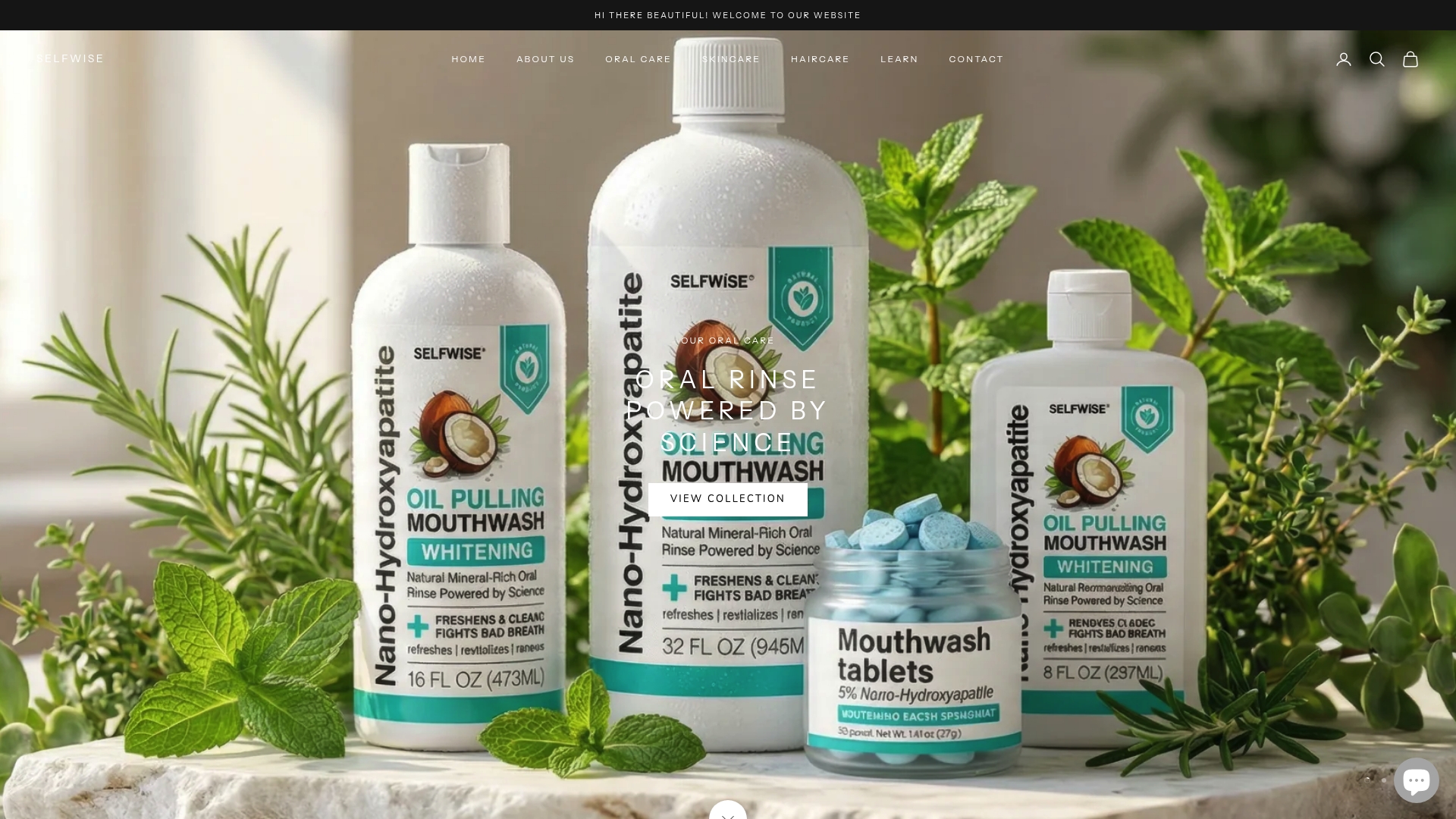
Sesame oil pulling works best when it is part of a full natural oral care routine. Selfwisebrand formulates products specifically for people who want to ditch harsh chemicals without sacrificing results. The nano hydroxyapatite oil pulling mouthwash is designed to complement your daily pulling practice with enamel-supporting ingredients that work alongside natural oils. For a broader look at fluoride-free options that pair well with sesame oil pulling, the fluoride-free collection covers remineralizing toothpaste alternatives, mouthwash tablets, and more. Simple ingredients. Real results.
FAQ
What does oil pulling with sesame oil actually do?
Sesame oil pulling reduces oral bacteria and plaque through a process called saponification, where the oil emulsifies with saliva and binds pathogens for removal. It supports gum health and freshens breath as an adjunct to regular brushing and flossing.
How long should I swish sesame oil for best results?
Swish for 15–20 minutes per session. Beginners should start with 5 minutes and increase by 2 minutes each week to build tolerance and reduce jaw fatigue.
Can oil pulling replace brushing and flossing?
No. Systematic reviews confirm that oil pulling is an adjunct therapy, not a substitute for brushing or flossing. It complements your routine but does not replace mechanical plaque removal.
Why does the oil turn white during pulling?
The color change from clear to milky white indicates active saponification. The oil is emulsifying with saliva and binding oral bacteria. If the oil stays clear after 15 minutes, your swishing technique needs more force and coverage.
Is sesame oil better than coconut oil for pulling?
Sesame oil is the traditional gold standard in Ayurveda and contains unique lignans like sesamin and sesamolin that provide anti-inflammatory and antioxidant benefits to gum tissue. Coconut oil offers strong antimicrobial action from lauric acid. Both work. Sesame oil has the longer track record and the more specific gum-protective compounds.