
Oral Tissue Irritation: What It Is and How to Soothe It
Oral tissue irritation is inflammation of the mouth’s soft lining (the mucosa), and the single most important first step is a gentle, alcohol-free rinse or warm saltwater. Most minor cases resolve on their own within a couple of weeks when you stop aggravating the tissue and let it heal.
The short version: Irritation can come from mechanical trauma, hot foods, harsh oral care products, infections, or systemic factors. The rule is simple: soothe and coat, don’t scrub or disinfect aggressively.
Red flags that need same-day or urgent care: a sore that bleeds without stopping, spreads rapidly, comes with fever or difficulty swallowing, or any lesion that has not healed after several days.
- Stop using alcohol-based mouthwash and abrasive toothpaste immediately
- Rinse gently with warm saltwater two to three times a day
- Eat soft, lukewarm foods and avoid citrus, spicy, or very hot items
- See a dentist or doctor if symptoms persist beyond 14 days
Table of Contents
- What is oral tissue irritation, exactly?
- What causes oral tissue irritation?
- What does oral tissue irritation look and feel like?
- How to treat oral irritation safely in the first 48–72 hours
- Which natural ingredients actually help irritated tissue?
- How long does healing take, and when should you see a dentist?
- A simple daily routine to prevent recurrence
- Key Takeaways
- The case for doing less, not more
- Gentle mouthwash options for irritated mouths
- FAQ
- Useful sources
What is oral tissue irritation, exactly?
Stomatitis is the clinical term for inflammation of the oral mucosa, the moist soft tissue lining your cheeks, gums, tongue, palate, and lips. Oral tissue irritation describes that same process: the mucosa becomes red (erythema), swollen, eroded, or ulcerated in response to a trigger. It is not tooth pain, which originates in the pulp or root, and it is not periodontal disease, which is a chronic bacterial infection of the structures supporting the teeth.
The distinction matters for self-care. Tooth pain usually responds to temperature or pressure on a specific tooth. Periodontal disease shows up as persistent bleeding gums, recession, and bone loss over months or years. Mucosal irritation, by contrast, tends to appear quickly after a trigger, sits on the soft tissue surface, and often resolves once the cause is removed.
“Stomatitis may involve swelling and redness of the oral mucosa or discrete, painful ulcers. Symptoms hinder eating, sometimes leading to dehydration.” — Merck Manual Professional Edition
Common named presentations include aphthous (canker) ulcers, contact stomatitis from an allergen or irritant, and mucositis from chemotherapy or radiation. Each is a form of mucosal inflammation, just with a different cause.
What causes oral tissue irritation?
The causes of oral tissue irritation fall into five broad categories.
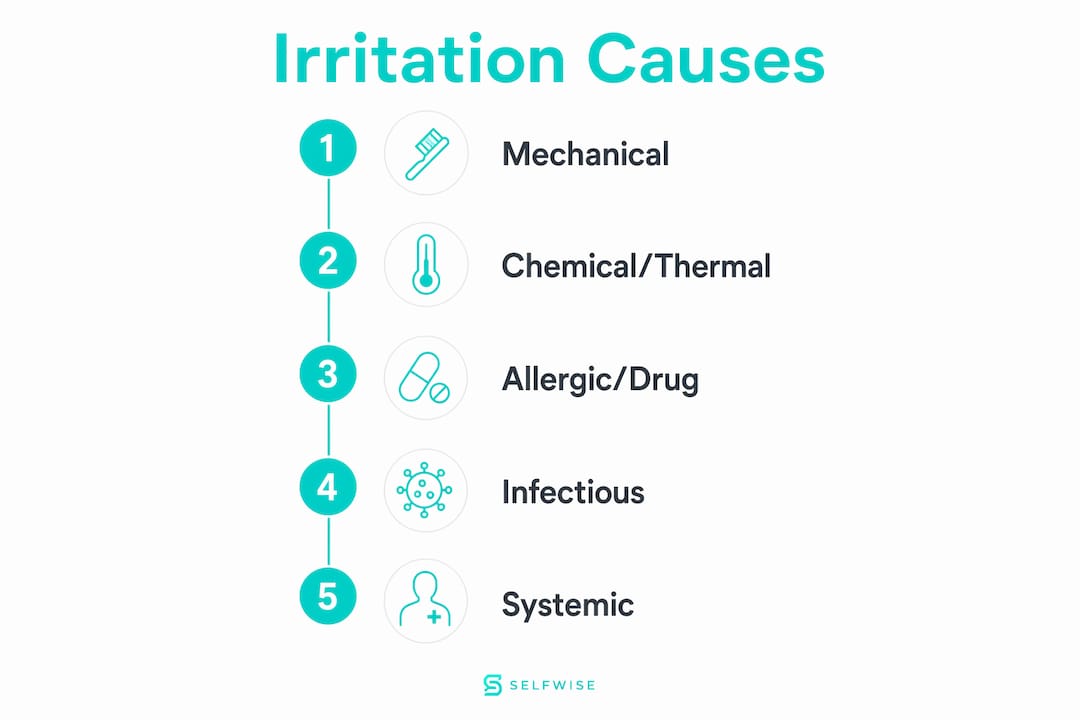
Mechanical triggers
Mechanical irritation is the most common and most overlooked cause: accidentally biting your cheek, a sharp or broken tooth edge, braces wires, or ill-fitting dentures. Aggressive brushing on the tongue or gum line is another frequent culprit, especially with a medium or hard-bristled brush.
Chemical and thermal triggers
Thermal burns from hot pizza or microwaved soup are classic examples. Placing an aspirin tablet directly on the mucosa causes a localized chemical burn. Acidic foods (citrus, tomatoes, vinegar-based dressings) and alcohol-containing mouthwashes can strip the mucosal surface and worsen existing irritation.
Allergic and drug-related triggers
Sodium lauryl sulfate (SLS) in toothpaste, cinnamon flavoring, nickel in dental appliances, and certain medications including NSAIDs and beta-blockers can all trigger mucosal reactions. Chemotherapy drugs are a well-documented cause of severe mucositis.
Infectious causes
Herpes simplex virus (HSV) produces clusters of small blisters, typically on keratinized surfaces. Oral candidiasis (thrush) creates white, removable plaques. Both require specific treatment beyond home care.
Systemic contributors
Deficiencies in iron, vitamin B12, or folate increase recurrence risk. Autoimmune conditions like Crohn’s disease or celiac disease can cause chronic oral ulcers. Hormonal fluctuations during menstruation or pregnancy also raise susceptibility.
Pro Tip: Chronic low-grade trauma from a slightly sharp tooth or appliance can cause tissue thickening that masks the real cause until an acute ulcer appears. If you keep getting sores in the same spot, check for a rough edge nearby.
| Cause Category | Common Examples |
|---|---|
| Mechanical | Cheek biting, sharp tooth, braces, dentures, hard brushing |
| Chemical/Thermal | Hot foods, aspirin on mucosa, acidic foods, alcohol rinses |
| Allergic/Drug | SLS, cinnamon, NSAIDs, chemotherapy agents |
| Infectious | HSV, oral candidiasis |
| Systemic | Iron/B12 deficiency, Crohn’s disease, hormonal changes |
What does oral tissue irritation look and feel like?
Symptoms of oral irritation vary by cause, but the most common pattern is a burning or stinging sensation that starts before any visible sore appears. The tissue may look red and slightly swollen, then develop a shallow ulcer with a white or yellowish center and a red border.
“Ulcerated lesions require careful history and examination; many are traumatic, infectious, immune-related, or neoplastic in origin.” — PMC/NCBI clinical review
Aphthous ulcers (canker sores) are round, painful, and appear on non-keratinized surfaces like the inner cheek or floor of the mouth. Contact stomatitis produces diffuse redness or blistering at the point of contact with an allergen or irritant. Mucositis from cancer treatment causes widespread raw, bleeding sores throughout the mouth. Thermal or chemical burns look like white sloughing or blistering in a localized area, often on the palate or cheek. A traumatic fibroma is a firm, painless lump that forms after repeated mechanical trauma.
The key difference from gum disease: mucosal irritation sits on the soft tissue surface, appears relatively quickly, and usually hurts from the start. Gum disease is slow, often painless until advanced, and centered on the gum-tooth junction.
How to treat oral irritation safely in the first 48–72 hours
Clinicians recommend a “do no harm” approach: gentle cleaning and letting the body’s own repair process work, rather than scrubbing or applying aggressive antiseptics.
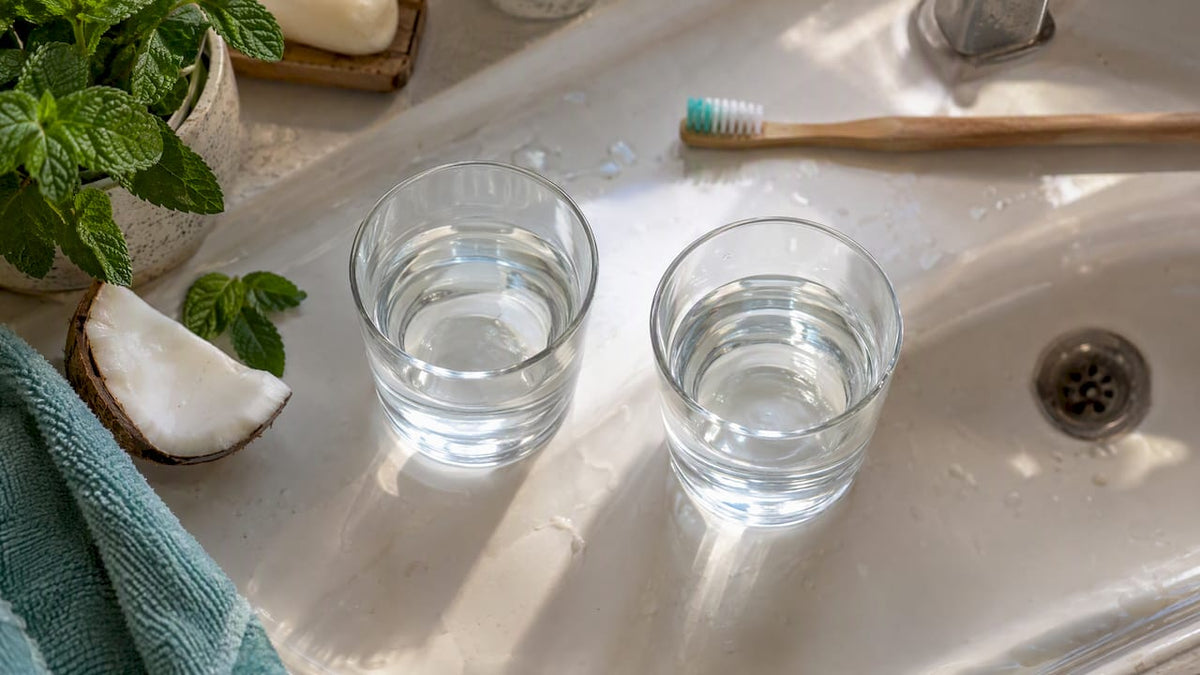
- Make a saltwater rinse. Dissolve ½ teaspoon of non-iodized salt in 8 oz of warm (not hot) water. Swish gently for 30–60 seconds, then spit. Repeat two to three times daily.
- Switch to an alcohol-free rinse. Alcohol dehydrates the mucosal lining and worsens irritation. Use a gentle, non-alcoholic rinse instead.
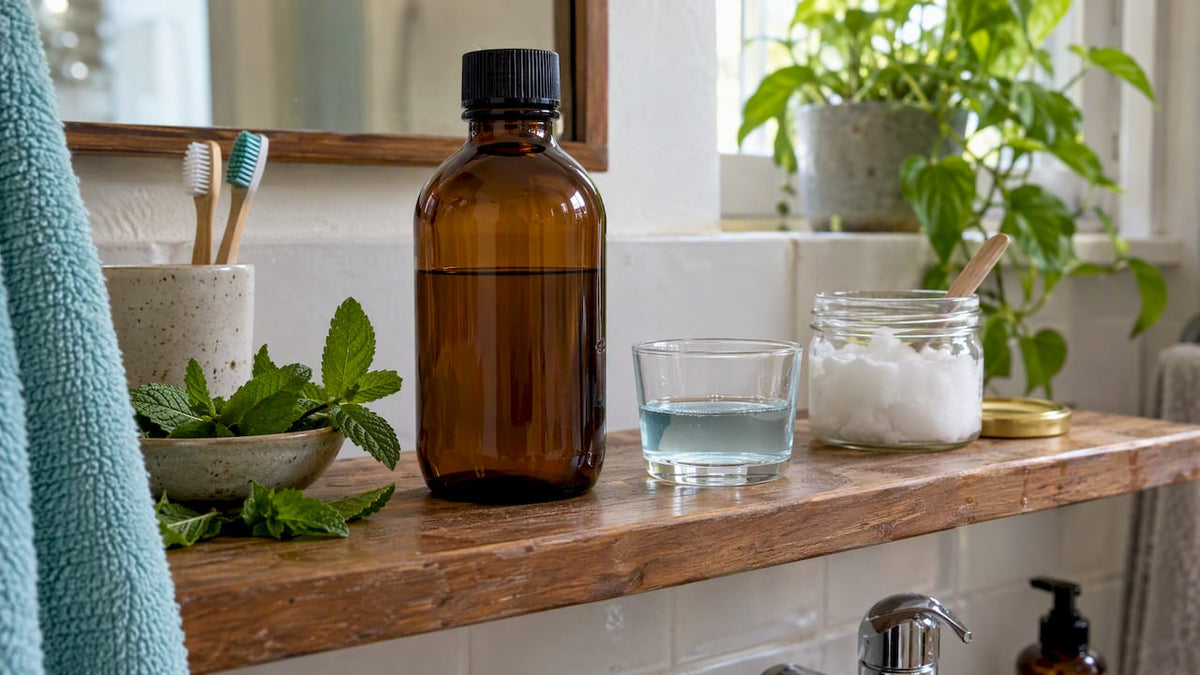
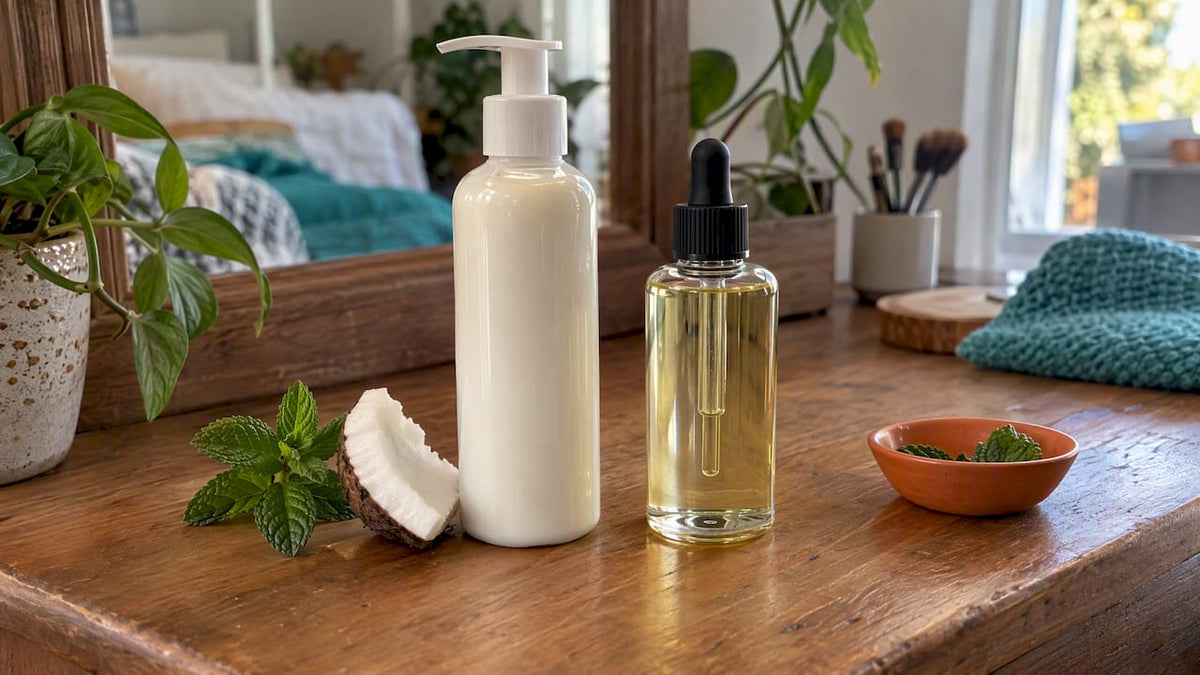
- Try oil pulling. Swish one tablespoon of coconut or sesame oil gently for 5–10 minutes, then spit into the trash (not the sink). Oil creates a temporary coating over irritated tissue. Do this once daily, ideally in the morning before eating.
- Switch to a soft-bristled brush. Use light pressure and short strokes. Avoid the sore directly.
- Apply a topical OTC gel if needed. Products containing benzocaine or carboxymethylcellulose can provide short-term relief. Follow label directions and do not apply to large areas.
“Periodontists recommend coating and soothing rather than aggressive disinfection for immediate comfort.” — Dr. Nemeth, periodontist
Do not: scrub the sore, use whitening toothpaste, apply undiluted essential oils, or rinse with hydrogen peroxide at full concentration.
Pro Tip: For the first 48–72 hours, skip strong-flavored toothpastes and anything very hot or very cold. Your mucosa needs calm, not stimulation.
Which natural ingredients actually help irritated tissue?
Periodontists favor soothing and coating strategies over aggressive chemical disinfection. Several natural ingredients deliver exactly that.
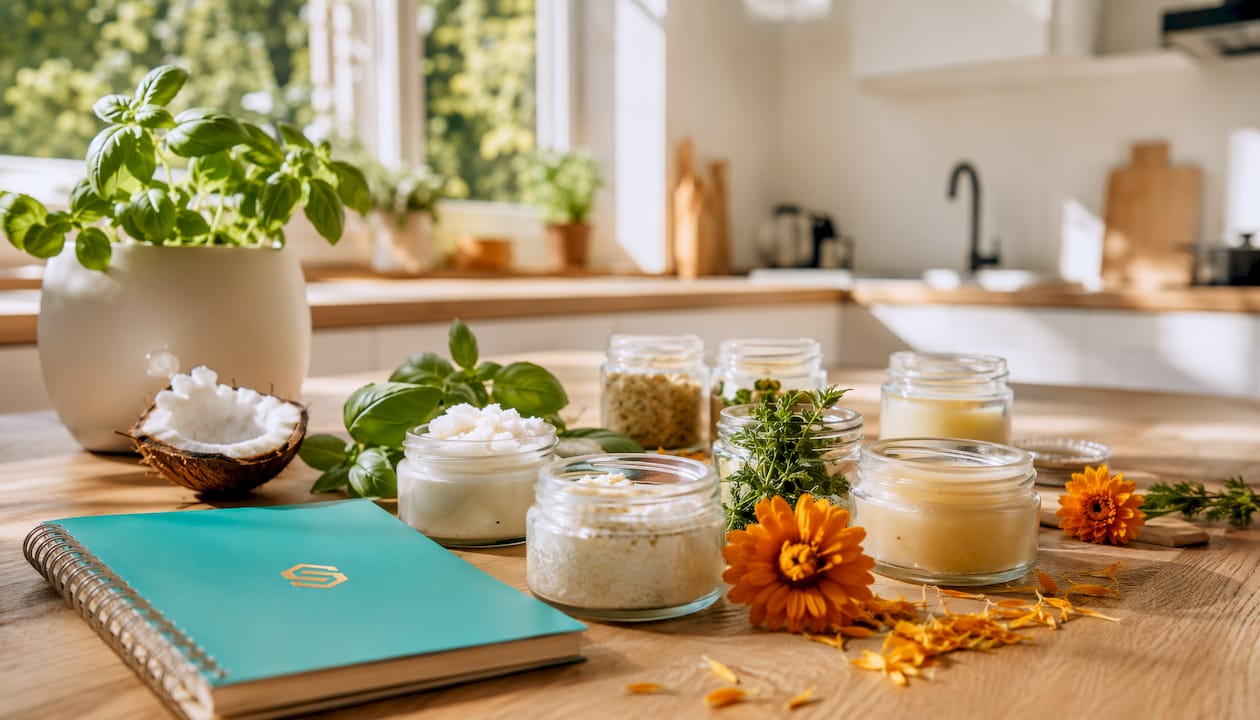
Nano hydroxyapatite is a biocompatible calcium phosphate mineral that supports remineralization without irritating inflamed tissue. It is well-suited for use when the mucosa is compromised because it does not contain alcohol, SLS, or harsh peroxides. Xylitol reduces the adhesion of harmful bacteria to oral surfaces and supports a balanced oral environment, making it a smart addition to any gentle rinse. Aloe vera and glycerin-based gels coat and hydrate the mucosal surface, reducing friction and dryness. Oil-based rinses (coconut, sesame) create a temporary barrier that can ease discomfort during meals.
For gentle rinse ingredient guidance, look for products that combine these actives without the irritants below.
Ingredients to avoid when tissue is inflamed:
| Ingredient | Why It Worsens Irritation |
|---|---|
| Alcohol (ethanol) | Dehydrates mucosa, reduces saliva’s protective function |
| Sodium lauryl sulfate (SLS) | Disrupts mucosal barrier, linked to canker sore recurrence |
| High-concentration peroxide | Can chemically burn already-compromised tissue |
| Strong essential oils (clove, cinnamon) | Potent irritants on raw or eroded surfaces |
When reading labels, look for “alcohol-free,” “SLS-free,” and a low relative dentin abrasivity (RDA) score on toothpastes. If a product lists ethanol or SLS in the first five ingredients, set it aside until the tissue heals.
How long does healing take, and when should you see a dentist?
Most minor traumatic or chemical irritation resolves within 14 days when the trigger is removed and gentle care is maintained. Aphthous ulcers typically clear in 7–14 days without treatment.
“Persistent lesions lasting more than two weeks require clinical evaluation because they can hide more serious pathology.” — StatPearls/NCBI
See a dentist or doctor if you notice any of the following:
- A sore that has not healed after two weeks
- A lesion that is growing or spreading
- Unexplained bleeding from the sore
- Fever, swollen lymph nodes, or difficulty swallowing
- Multiple new lesions appearing without an obvious trigger
- Weight loss alongside recurring oral sores
When a sore persists beyond two weeks, a clinician may recommend a biopsy to rule out dysplasia or malignancy. This is not alarmist; it is standard practice and the reason the two-week rule exists. Ulcerated lesions can result from many different causes, so a careful exam is the only reliable way to classify them.
A simple daily routine to prevent recurrence
Prevention comes down to removing triggers and choosing products that support the mucosa rather than stress it.
| Daily Habit | What to Do |
|---|---|
| Morning brushing | Soft-bristled brush, gentle pressure, SLS-free toothpaste |
| Rinsing | Alcohol-free, xylitol or nano hydroxyapatite rinse |
| Eating | Avoid extremes of temperature and acidity; stay hydrated |
| Appliance check | Run your tongue along teeth and appliances weekly for sharp edges |
| New product trial | Introduce one new product at a time; wait 5–7 days before adding another |
For a full natural oral care routine built around minimalist, gentle ingredients, the principle is the same: fewer actives, lower abrasivity, no alcohol. Check for oral care ingredients to avoid before buying any new rinse or toothpaste.
Key Takeaways
Oral tissue irritation heals fastest when you remove the trigger, soothe the mucosa with gentle rinses, and avoid alcohol, SLS, and abrasive products entirely.
| Point | Details |
|---|---|
| Definition | Oral tissue irritation is mucosal inflammation; it differs from tooth pain and gum disease in location and cause. |
| First action | Rinse with warm saltwater (½ tsp salt in 8 oz water) two to three times daily and stop using alcohol-based products. |
| Healing timeline | Most minor irritation resolves within 14 days; any sore lasting longer needs clinical evaluation. |
| Ingredients that help | Nano hydroxyapatite, xylitol, aloe vera, and oil-based rinses soothe without stressing inflamed tissue. |
| Selfwisebrand option | Selfwisebrand’s alcohol-free, nano hydroxyapatite and xylitol mouthwashes are formulated for exactly this kind of gentle, non-irritating daily care. |
The case for doing less, not more
Most people reach for the strongest product on the shelf when their mouth hurts. That instinct is understandable, but it is usually the wrong move. Alcohol-heavy rinses, whitening toothpastes, and concentrated essential oil blends all promise clean and fresh, but on already-irritated tissue they tend to extend the problem, not solve it.
The evidence here is consistent: coating and soothing outperforms aggressive disinfection for mucosal comfort. Saltwater works because it is isotonic and gentle, not because it is powerful. Oil pulling works because it creates a physical barrier, not because it kills everything in sight. Nano hydroxyapatite and xylitol work because they support the oral environment without stripping it.
The minimalist approach is not a compromise. It is what the tissue actually needs. A short, gentle routine with well-chosen ingredients will serve you better than a cabinet full of actives competing with each other.
Gentle mouthwash options for irritated mouths
If your mouth is telling you it needs a break from harsh products, Selfwisebrand’s mouthwash collection is worth a look. Every formula is alcohol-free and built around ingredients like nano hydroxyapatite and xylitol, which support healing without adding chemical stress to already-sensitive tissue.
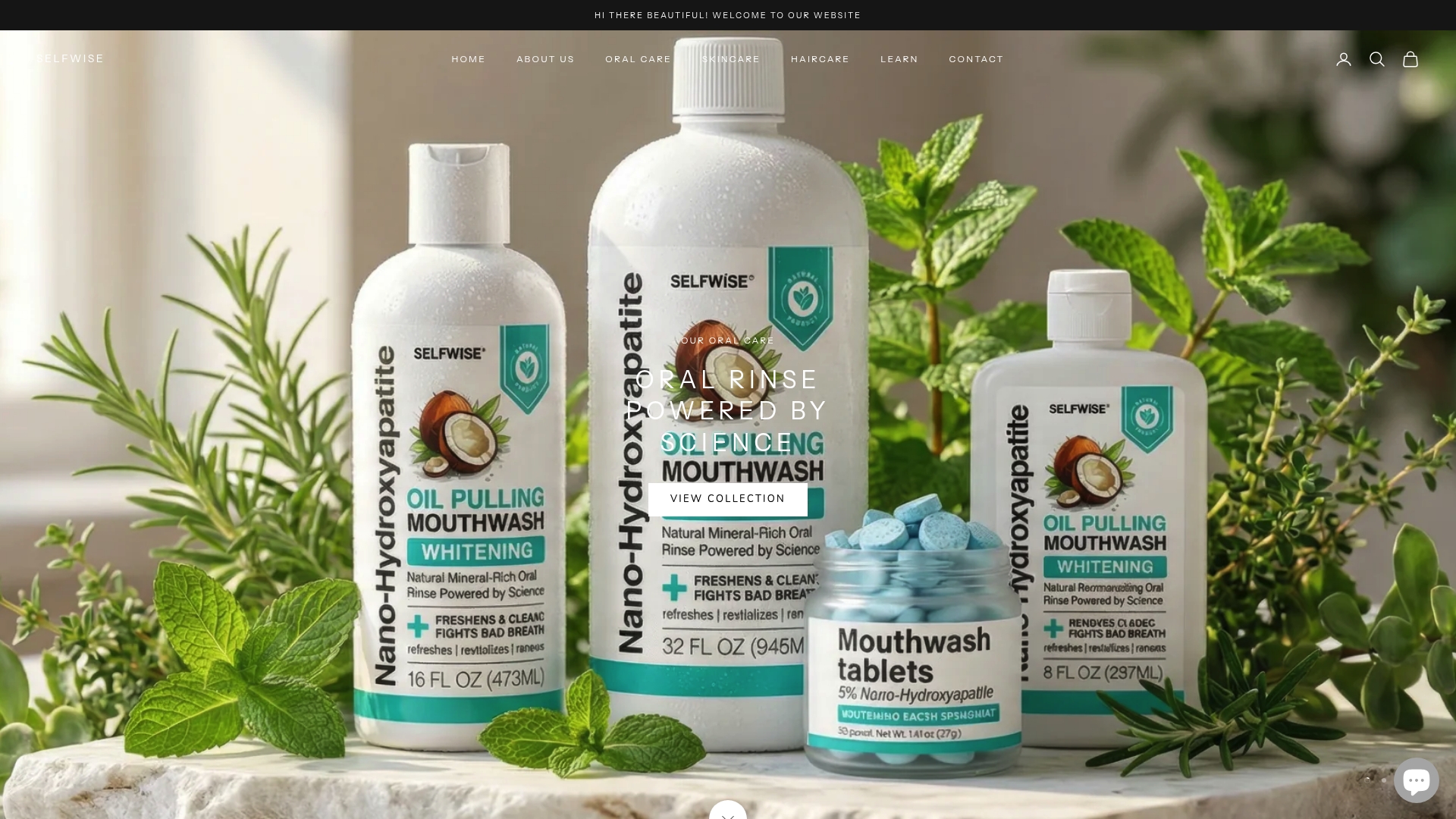
The oil-pulling mouthwash combines the coating action of oil pulling with remineralizing nano hydroxyapatite, making it a practical daily option when your mucosa needs calm, not stimulation. The xylitol mouthwash with nano hydroxyapatite covers fresh breath and bacterial balance without a drop of alcohol. Browse the full mouthwash collection to find the right fit for your routine.
This article is general information, not medical or dental advice. Confirm current guidance with a qualified clinician for your specific situation.
FAQ
What is oral tissue irritation in simple terms?
It is inflammation of the soft lining inside your mouth (the mucosa), causing redness, soreness, or ulcers. Most minor cases resolve within 14 days when the trigger is removed and gentle care is used.
What are the most common causes of oral tissue irritation?
Mechanical trauma (cheek biting, sharp teeth, dentures), hot or acidic foods, alcohol-containing mouthwashes, SLS in toothpaste, and infections like HSV or candidiasis are the most frequent triggers.
How do you treat oral irritation at home safely?
Rinse with warm saltwater (½ tsp salt in 8 oz water) two to three times daily, switch to an alcohol-free mouthwash, use a soft-bristled brush, and avoid abrasive or flavored products for the first 48–72 hours.
When should a mouth sore prompt a dentist visit?
See a dentist if a sore has not healed after two weeks, is growing, bleeds without stopping, or comes with fever or swollen lymph nodes. Persistent lesions may require a biopsy to rule out serious pathology.
Are alcohol-free mouthwashes better for irritated tissue?
Yes. Alcohol dehydrates the mucosal lining and can worsen irritation. Alcohol-free formulas with nano hydroxyapatite or xylitol, like those in Selfwisebrand’s mouthwash range, support healing without adding chemical stress.
Useful sources
- Stomatitis (Oral Mucositis): Types, Symptoms & Treatment — Cleveland Clinic
- Mouth Ulcers — Cleveland Clinic
- Physical and Chemical Lesions of the Oral Mucosa — StatPearls/NCBI
- Ulcerated Lesions of the Oral Mucosa: Clinical and Histologic Review — PMC/NCBI
- Mouth Sores — MedlinePlus Medical Encyclopedia
- Stomatitis — Merck Manual Professional Edition
- Burning Mouth Syndrome — Mayo Clinic
- Sore Mouth: 9 Home Remedies That Actually Work, According to a Periodontist
When symptoms meet any red-flag criteria listed in this article, clinical referral is the right call. Home care is appropriate for minor, short-duration irritation with a clear mechanical or chemical cause. Anything that does not fit that description deserves a professional evaluation.


,%20and%20the%20single%20most%20important%20first%20step%20is%20a%20gentle,%20alcohol-free%20rinse%20or%20warm%20saltwater....)