Why Sleep Affects Oral Health: the Complete 2026 Guide
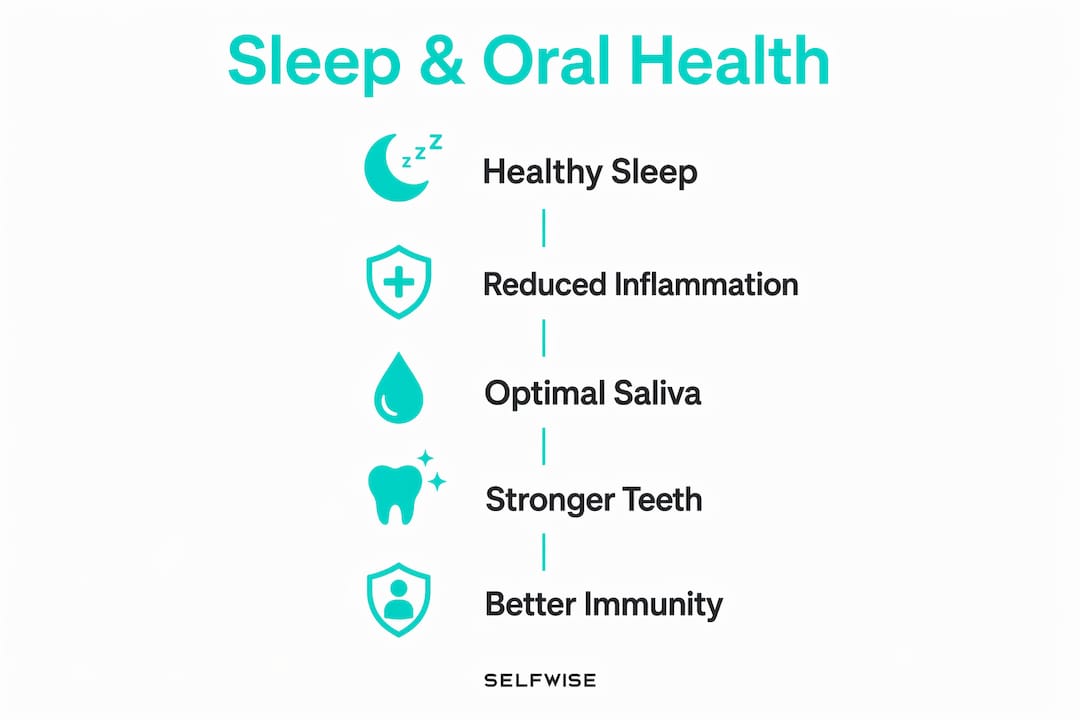
Sleep is a direct regulator of oral health, controlling inflammation, immune response, and saliva production that protect your teeth and gums every night. When sleep quality drops, inflammatory markers like CRP, IL-6, and TNF-α rise, gum tissue breaks down faster, and your mouth loses its natural defenses. Research links poor sleep to higher periodontal disease risk, with severe periodontitis affecting roughly 19% of the global population. Understanding why sleep affects oral health gives you a concrete reason to treat rest as part of your dental care routine, not separate from it.
Why sleep affects oral health: the core biology
Poor sleep raises systemic inflammation, and your gums are one of the first places that damage shows up. Sleep deprivation elevates cortisol, the body’s primary stress hormone, which suppresses immune function and reduces blood flow to gum tissue. Less blood flow means slower healing, weaker defenses, and a faster path to chronic gum disease.
The hormonal picture goes deeper. Sleep regulates melatonin, a powerful anti-inflammatory hormone, and cortisol in a precise daily rhythm. Poor sleep lowers melatonin and raises cortisol simultaneously, creating conditions where oral tissues become vulnerable to microbial attack and inflammation. That double disruption is why people who sleep poorly often notice their gums bleed more or feel tender, even when they brush regularly.
Sleep fragmentation makes this worse. When sleep is broken into short cycles rather than sustained deep rest, inflammatory cytokines stay elevated around the clock instead of dropping during recovery hours. Your body never gets the reset it needs, and your periodontal tissue pays the price.
- People sleeping fewer than six hours show more gum inflammation and greater bacterial plaque accumulation than those who sleep seven or more hours.
- Elevated cortisol from chronic poor sleep reduces gum blood flow, slowing tissue repair after everyday micro-injuries.
- Disrupted circadian rhythms keep IL-6 and TNF-α levels high throughout the day, preventing normal periodontal tissue recovery.
Pro Tip: Pair a consistent 7 to 9 hour sleep schedule with a natural oral care routine that includes xylitol or nano hydroxyapatite. Both ingredients support enamel and gum health during the hours when your immune defenses are already stretched thin.
How does sleep affect saliva and cavity risk?
Saliva is your mouth’s built-in defense system. It buffers acids, kills bacteria, and delivers minerals that remineralize enamel after every meal. Saliva flow naturally drops during sleep, which is why dentists consistently recommend brushing before bed. But when sleep disorders enter the picture, that drop becomes a serious problem.

Obstructive sleep apnea (OSA) and chronic mouth breathing dramatically worsen dry mouth. Hyposalivation in OSA patients is not simply a hydration issue. Intermittent hypoxia from OSA impairs salivary gland metabolism directly, reducing both the quantity and quality of saliva produced. Less saliva means less antimicrobial protection, less acid buffering, and a faster buildup of the bacteria that cause cavities and oral candidiasis.
The connection between sleep and cavities is more direct than most people realize. Without adequate saliva, acid from food and bacteria sits on enamel longer, accelerating decay. A natural oral care routine that includes remineralizing ingredients can help compensate for reduced overnight saliva protection.
| Saliva condition | Primary cause | Oral health consequence |
|---|---|---|
| Mild reduction | Normal sleep cycle | Temporary enamel vulnerability, manageable with brushing |
| Moderate reduction | Mouth breathing, mild OSA | Increased plaque, early cavity risk, bad breath |
| Severe reduction (hyposalivation) | Severe OSA, sleep fragmentation | High cavity rate, oral candidiasis, periodontal disease |
What is the link between sleep apnea and gum disease?
OSA is defined as repeated episodes of partial or complete airway obstruction during sleep, causing oxygen levels to drop and inflammatory stress to spike. About 19% of the global population has severe periodontitis, and total tooth loss raises OSA risk by 61%. That statistic reveals a bidirectional relationship: oral disease worsens sleep, and poor sleep worsens oral disease.
The mechanism runs through intermittent hypoxia. Each time oxygen drops during an apnea episode, the body releases a surge of pro-inflammatory markers including CRP, TNF-α, and IL-6. These markers degrade periodontal tissue over time, making gums more susceptible to infection and bone loss. OSA patients also show higher levels of Porphyromonas gingivalis, a key periodontal pathogen, in their oral microbiota. Mouth breathing and hypoxia together create an environment where harmful bacteria thrive.
The feedback loop is clinically significant. Periodontal inflammation can narrow and stiffen airway tissues, making obstruction more likely during sleep. Dentists trained in sleep medicine can spot anatomical risk factors, such as enlarged tonsils, a recessed jaw, or a high-arched palate, that predict OSA before a formal sleep study is ordered.
Key oral health risks associated with OSA include:
- Chronic dry mouth from mouth breathing, raising cavity and infection risk
- Elevated periodontal pathogens like Porphyromonas gingivalis in the oral microbiome
- Accelerated enamel erosion from acid reflux, which frequently accompanies OSA
- Increased bruxism (teeth grinding), which wears enamel and stresses jaw joints
- Slower healing of gum tissue due to sustained systemic inflammation
How does sleep deprivation change your oral habits?
Sleep deprivation does not just change your biology. It changes your behavior, and your mouth suffers for both. Fatigue reduces motivation for oral hygiene. People who sleep poorly are more likely to skip brushing, skip flossing, and reach for sugary foods that feed cavity-causing bacteria. These behavioral shifts compound the biological damage already underway.
Bruxism is one of the clearest behavioral consequences. Teeth grinding increases with poor sleep and stress, wearing down enamel and creating micro-fractures that bacteria exploit. Sleep apnea specifically aggravates bruxism, and jaw muscle thickness may actually be a better OSA indicator than grinding severity alone. That complexity shows how deeply sleep and oral anatomy are connected.
Immune suppression from poor sleep also slows healing. A cut on your gum or a minor irritation that would resolve in a day or two with healthy sleep can linger for a week when you are sleep-deprived. Elevated cortisol impedes oral immune responses and delays tissue repair, explaining why chronic gingival inflammation is so common in people under sustained stress and sleep pressure.
- Fatigue reduces brushing and flossing compliance, increasing plaque and cavity risk.
- Poor sleep raises cortisol, which suppresses the immune cells that fight gum infections.
- Bruxism from sleep deprivation erodes enamel and stresses the temporomandibular joint.
- Slower tissue healing means minor gum injuries become chronic irritation points.
Pro Tip: Set a non-negotiable bedtime oral care ritual. Brush, use a remineralizing mouthwash, and go to bed at the same time each night. Consistency in both sleep and oral hygiene breaks the cycle where one bad habit feeds the other.
The whole body oral health connection is real and measurable. Sleep is not a passive state. It is when your body repairs tissue, rebalances hormones, and resets immune function. Treating sleep as a pillar of dental wellness, not an afterthought, changes how you approach both.
Key Takeaways
Sleep deprivation directly damages oral health by elevating inflammatory markers, reducing saliva, suppressing immune function, and increasing the risk of gum disease, cavities, and bruxism.
| Point | Details |
|---|---|
| Sleep controls inflammation | Poor sleep raises CRP, IL-6, and TNF-α, which break down gum tissue over time. |
| Saliva drops during sleep disorders | OSA and mouth breathing reduce saliva quality, raising cavity and infection risk. |
| OSA and gum disease reinforce each other | Periodontal disease increases OSA risk, and OSA worsens gum inflammation in return. |
| Behavior matters as much as biology | Fatigue reduces brushing compliance and increases bruxism, compounding biological damage. |
| Natural care supports overnight protection | Remineralizing ingredients like nano hydroxyapatite help compensate for reduced nighttime saliva defense. |
Sleep, dentistry, and what I actually tell people
The relationship between sleep and oral health is one of the most underappreciated areas in everyday dental wellness. Most people focus entirely on what they eat or how they brush, and completely overlook the eight hours in between. That gap is where a lot of preventable damage happens.
What I find most striking is the bidirectional nature of this relationship. Your mouth affects how you sleep, and how you sleep affects your mouth. Dentists are increasingly the first clinicians to spot signs of OSA, from worn enamel to a specific jaw profile, before a patient ever sees a sleep specialist. That puts oral care at the center of a much bigger health conversation.
The beauty sleep science literature makes the same point from a different angle. Restorative processes during sleep are not limited to skin. They extend to every tissue in the body, including gum tissue, enamel, and the salivary glands. When you shortchange sleep, you shortchange all of it.
My practical advice is simple. Treat your bedtime oral care routine as seriously as your morning one. Use ingredients that actively support enamel and gum health overnight, not just ones that freshen breath. And if you snore, wake up with a dry mouth, or grind your teeth, talk to a dentist who understands sleep medicine. The connection is real, and addressing it early makes a measurable difference.
— Viktor
Protect your teeth while you sleep with Selfwisebrand
Saliva flow drops during sleep, leaving your enamel exposed to acid and bacteria for hours every night. That vulnerability is greatest when sleep quality is already poor.
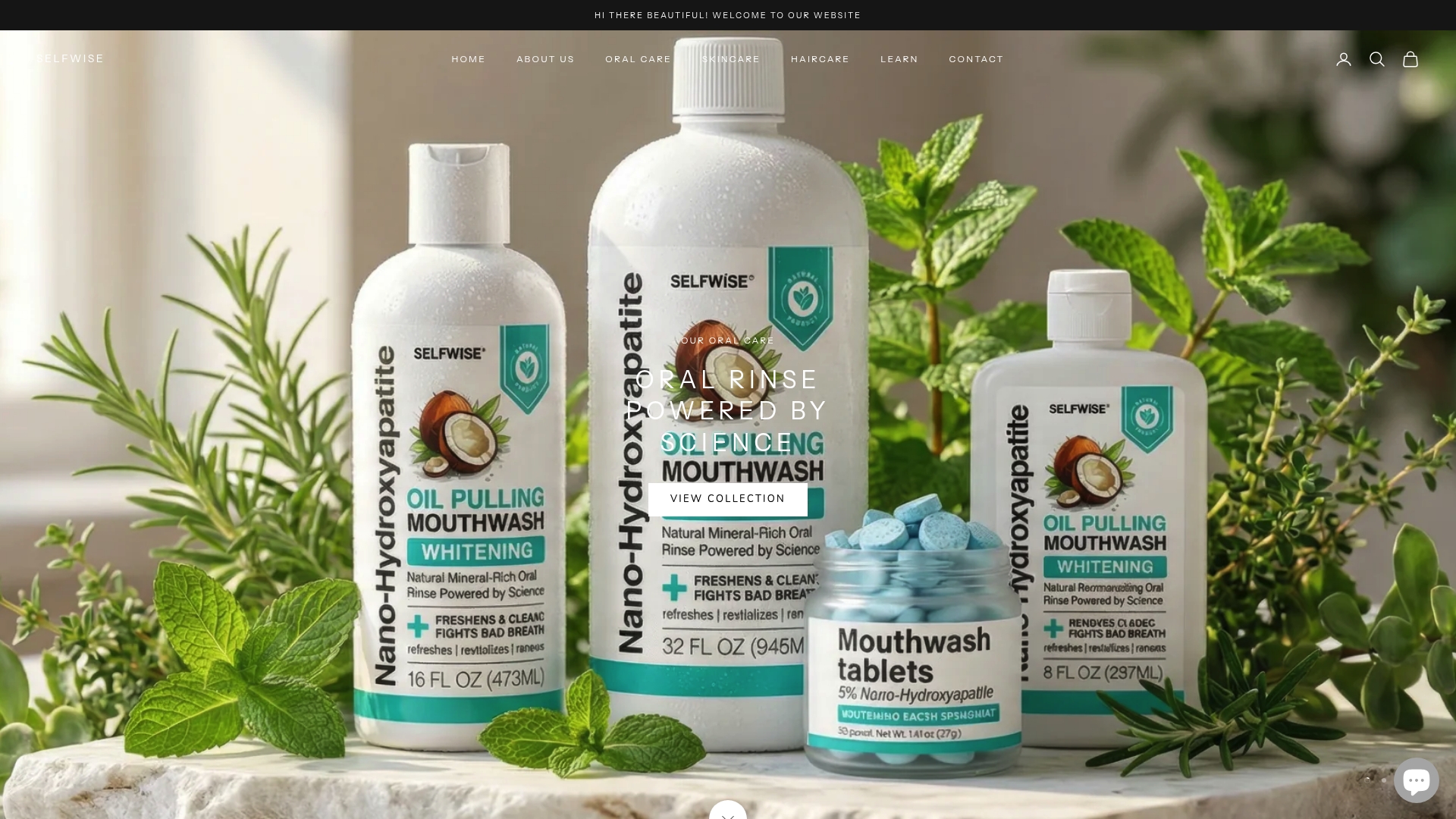
Selfwisebrand’s nano hydroxyapatite mouthwash tablets are formulated to strengthen enamel and reduce bacterial buildup without fluoride or harsh chemicals. Nano hydroxyapatite bonds directly to enamel, filling micro-damage and improving mineral density overnight. Used as part of a consistent bedtime routine, they give your teeth a layer of natural protection during the hours when your body’s own defenses are at their lowest. Browse the full fluoride-free mouthwash collection to find the right fit for your routine.
FAQ
How does poor sleep cause gum disease?
Poor sleep raises inflammatory cytokines like IL-6 and TNF-α while lowering melatonin, creating conditions where gum tissue breaks down faster than it can repair. People sleeping fewer than six hours show measurably more gum inflammation and plaque accumulation than those who sleep seven or more hours.
Can sleep apnea cause tooth decay?
Yes. OSA causes mouth breathing and impairs salivary gland function, reducing saliva flow and quality. Without adequate saliva to buffer acids and control bacteria, enamel erosion and cavity risk increase significantly.
Does sleep deprivation make teeth grinding worse?
Sleep deprivation and stress both increase bruxism frequency. Teeth grinding wears enamel, stresses jaw joints, and is further aggravated by sleep apnea, making sleep quality a direct factor in enamel preservation.
What is the connection between sleep and oral health quality?
Sleep regulates the hormones and immune cells that protect oral tissue. Disrupted sleep raises cortisol, suppresses immune function, and keeps inflammatory markers elevated, all of which accelerate gum disease and slow healing of oral injuries.
How can I protect my oral health if I sleep poorly?
Prioritize a consistent bedtime oral care routine using remineralizing ingredients like nano hydroxyapatite or xylitol, which support enamel during the overnight period when saliva protection is naturally reduced. Addressing the root cause of poor sleep, whether stress, OSA, or irregular schedules, produces the most lasting dental benefit.