Article: Use Mouthwash After Coffee: Swish Water for 30 Seconds First
Use Mouthwash After Coffee: Swish Water for 30 Seconds First
Yes, mouthwash is generally fine after coffee, but the move that matters most happens before you reach for it: a quick water rinse. Finish your cup, swish water for about 30 seconds, and then either use an alcohol-free mouthwash or wait before brushing. The American Dental Association backs this sequence.
TL;DR:
- Swish plain water gently for about 30 seconds after coffee and spit; it dilutes acid and clears loose staining compounds before they settle.
- Wait roughly 30 to 60 minutes before brushing because coffee temporarily softens enamel; saliva buffers acid and helps restore minerals during that interval.
- Choose zinc or essential oil rinses for immediate breath, while fluoride supports enamel and cavity protection; alcohol-free formulas reduce the risk of dry mouth.
- If you have composite restorations or use prescribed chlorhexidine, ask your dentist about coffee exposure because antiseptic rinses can increase surface staining.
- Shorten coffee sipping rather than rinsing after every cup; a sustainable routine is water after each cup and mouthwash once before lunch.
Table of Contents
- Your practical post-coffee routine, step by step
- How to choose the right mouthwash after coffee
- Why waiting to brush actually protects your teeth
- What to know about restorations and antiseptic rinses
- Natural mouthwash options for everyday coffee drinkers
- How often should you actually rinse after coffee?
- A simple perspective on building the habit
- Try a gentler post-coffee routine with Selfwise
- FAQ
- Sources
Your practical post-coffee routine, step by step
Coffee leaves two problems behind: acid sitting on your enamel and pigmented compounds called chromogens that cling to the tooth surface. The longer both linger, the more staining and acid exposure you get, which is why what you do in the next few minutes matters more than any single product.
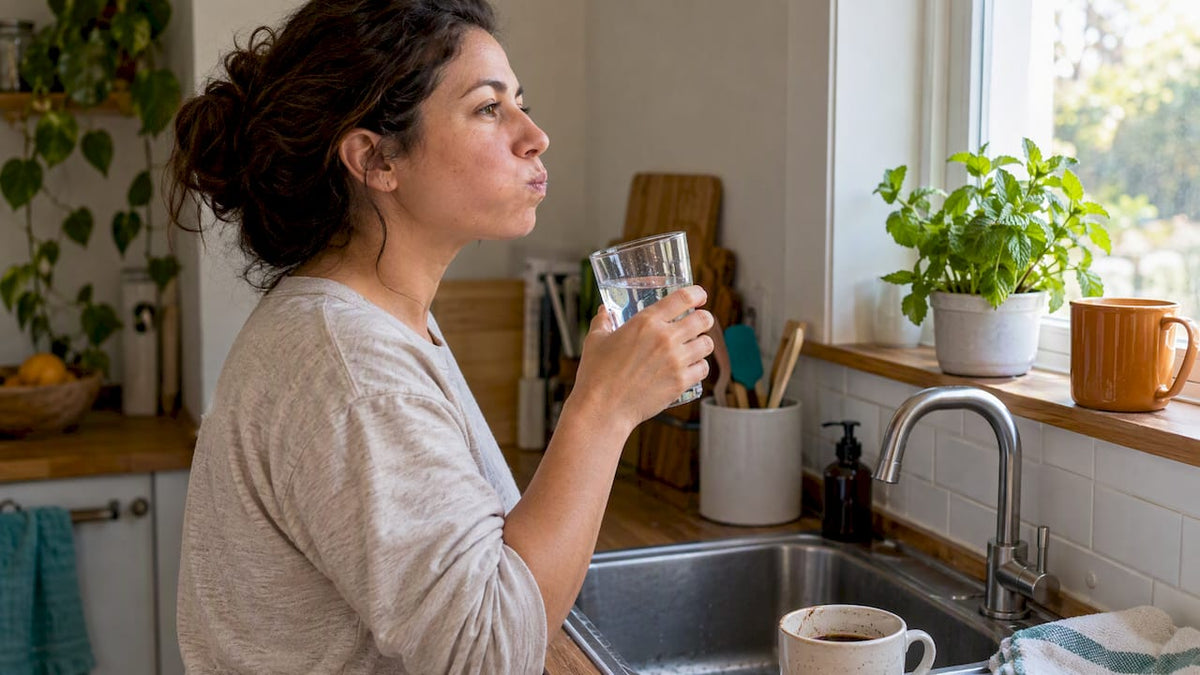
Start with water. Swishing plain water for about 30 seconds dilutes the acid and clears loose chromogens before they settle into the enamel’s surface layer. Swish gently rather than vigorously, and spit rather than swallow the excess so you are not just recirculating the acid.
An immediate mouthwash makes sense when your coffee was mild or milk-based (milk changes how coffee stains behave, making them easier to lift later) or when fresh breath is the priority right now, say before a meeting. If you just had a strong black coffee and plan to brush soon anyway, water alone is the safer immediate step, since brushing on top of fresh acid exposure can be harder on softened enamel.
A simple sequence to memorize:
- Finish your coffee rather than sipping it over hours.
- Swish water for 30 seconds and spit.
- Use an alcohol-free mouthwash if breath freshness is the immediate goal.
- Wait before brushing, especially after a strong or acidic cup.
- Brush and floss at your normal twice-daily times.
Pro Tip: Keep a small bottle of water at your desk specifically for a post-coffee swish, it takes the guesswork out of step two.
How to choose the right mouthwash after coffee
Not all mouthwashes do the same job, and knowing the difference helps you pick one that actually matches what you need. The ADA distinguishes cosmetic rinses from therapeutic ones: cosmetic formulas mask odor and leave a fresh taste but do not change your oral health, while therapeutic rinses contain active ingredients meant to reduce plaque, gingivitis, or cavity risk, and carry the ADA Seal when that evidence has been submitted.
For a reader choosing a bottle with coffee breath in mind, ingredients fall into three rough categories:
- Breath-focused: zinc compounds and essential oils neutralize odor-causing sulfur compounds rather than just covering them up.
- Cavity and dry-mouth focused: fluoride strengthens enamel, and xylitol reduces the cariogenic bacteria that feed on sugar, though xylitol itself does not remove coffee stains.
- Dentist-directed: chlorhexidine (CHX) controls plaque and gum inflammation effectively but is typically prescribed rather than used daily on your own.
A study found coffee produced a high level of discoloration on resin composite compared with other beverages tested, regardless of which mouthwash was used beforehand, which is a useful reminder that mouthwash type and staining interact in ways worth knowing before you assume any rinse will prevent discoloration.
For frequent post-coffee use, an alcohol-free formula is the more comfortable daily choice since it will not dry out your mouth the way alcohol-based rinses can, and dry mouth actually makes staining and bad breath worse over time. If your immediate goal is breath, reach for a zinc or essential-oil rinse; if you are thinking longer term about enamel and cavity risk, a fluoride or xylitol formula fits better.
Why waiting to brush actually protects your teeth
It feels productive to brush right after coffee, but that instinct works against you. Coffee is acidic enough to soften the outer layer of enamel temporarily, and brushing during that window can wear away more of that softened surface than brushing would on its own. The ADA recommends waiting roughly 30 to 60 minutes after acidic foods or drinks before brushing, giving your saliva time to do its job.
Saliva naturally buffers acid and helps redeposit minerals back into enamel. You can support that process:
- Rinse with water right away to dilute the acid.
- Eat a small piece of cheese or chew sugar-free gum carrying the ADA Seal to stimulate saliva flow.
- Hold off on brushing until the wait window has passed.
This is also where the purpose of your rinse matters: a quick cosmetic rinse for breath is fine anytime, but if you want the fluoride benefit from a rinse used right before brushing, that is a different timing choice than a mid-morning breath freshener.
What to know about restorations and antiseptic rinses
If you have fillings, crowns, or other composite work, coffee and certain mouthwashes can interact in ways worth understanding. Laboratory research on resin composite found that exposure to some mouthwashes changed how susceptible the material was to later staining, and separate lab work on chlorhexidine specifically found that combining CHX with chromogenic beverages like coffee increased surface staining compared with brushing alone.
Chlorhexidine and similar antiseptic agents can contribute to brown staining and are typically used under a dentist’s direction rather than as an everyday rinse.
That distinction matters in practice. A gentle, cosmetic rinse used after coffee is a different category of product than a short-term antiseptic protocol prescribed for gum treatment. If you have restorations or have been prescribed CHX, check with your dentist about how it fits alongside your coffee habit, and lean on gentler daily rinses the rest of the time.
Natural mouthwash options for everyday coffee drinkers
We formulate our Selfwise rinses around the idea that a daily post-coffee routine should be gentle enough to use often, not just once in a while. Our alcohol-free base avoids the drying effect that makes breath and staining worse over time, which we cover in more detail in our guide to alcohol-free rinses.
- For fresh breath after a cup, we include natural ingredients like essential oils that target odor at the source, not just mask it, as outlined in our breath-freshening ingredient guide.
- For remineralization support, our formulas use nano-hydroxyapatite as a tooth-friendly adjunct alongside brushing.
- For dry mouth from frequent coffee or alcohol-free routines, xylitol helps support saliva’s natural balance.
How often should you actually rinse after coffee?
Realistically, rinsing after every single cup is not necessary for most people, and chasing perfection here usually backfires. A water rinse after each cup and a mouthwash once between your morning coffee and lunch is a sustainable middle ground for most routines.
What moves the needle more than rinse frequency is shortening how long you sip your coffee over, since prolonged sipping extends acid and stain exposure far more than one extra rinse would offset. Pair that with consistent flossing, twice-daily brushing, and regular dental visits, and the occasional skipped rinse stops mattering much.
A simple perspective on building the habit
The mistake most coffee drinkers make is not skipping mouthwash, it is treating any single rinse as a fix for a habit built around long, slow sipping. Shrinking your coffee window and rinsing with water consistently will do more for your teeth than switching mouthwash brands ever will. Build the habit around consistency, not intensity.
— Viktor
Try a gentler post-coffee routine with Selfwise
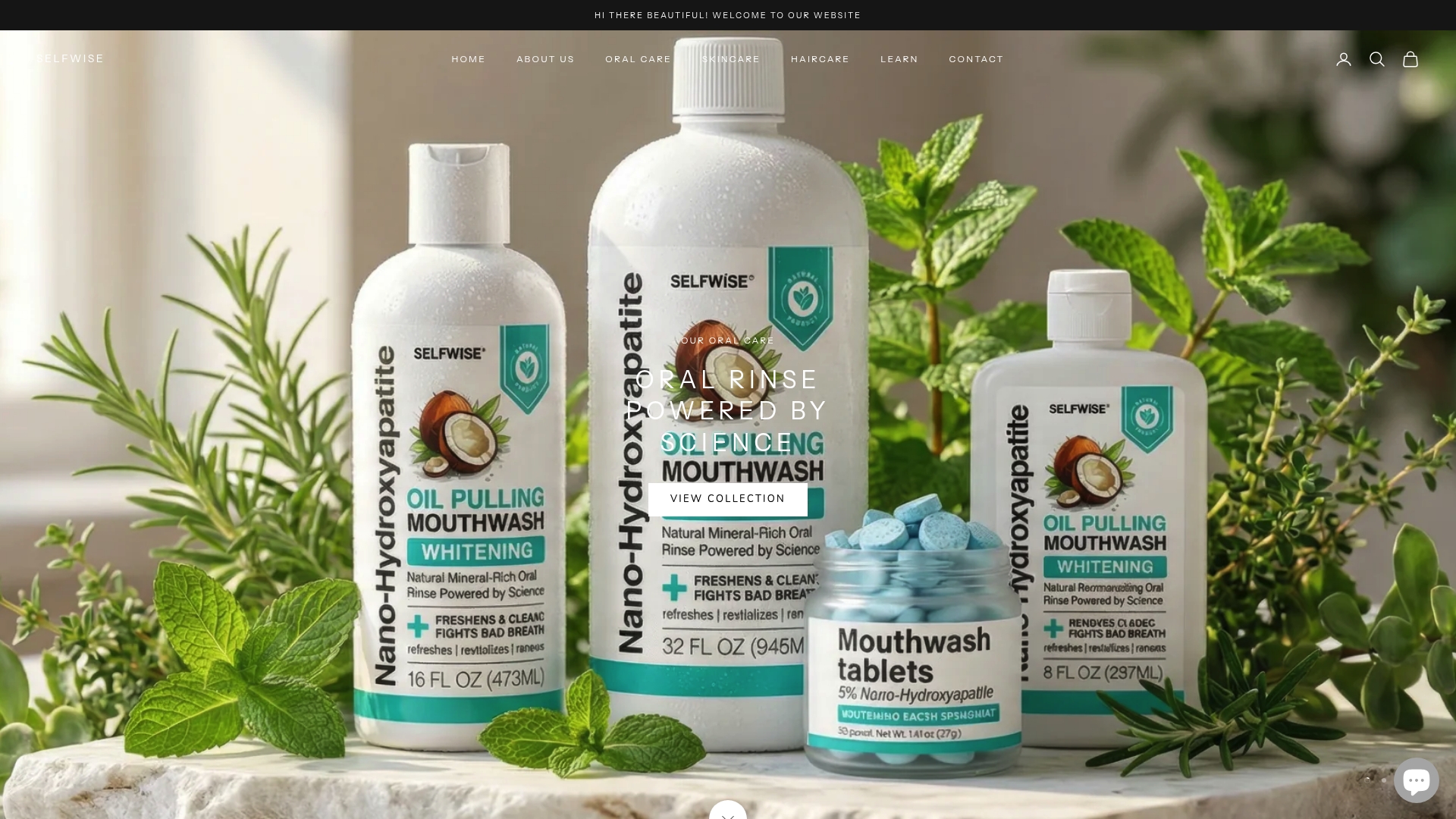
Switching to an alcohol-free rinse means you can use mouthwash after every coffee without the dryness that alcohol-based formulas cause. Our oral care collection includes nano-hydroxyapatite rinses for remineralization support and xylitol-based formulas for dry mouth and breath.
If breath freshness right after coffee is your main concern, start with a product from our fresh breath collection and work it into the water-rinse routine above. For travel days when a full rinse is not practical, portable options like travel-friendly dry mouth fixes can fill the gap between cups. Browse our natural oral care guide to find the formula that matches your routine, then shop the collection to get started.
This article is general information, not a substitute for advice from a qualified doctor. Consult a qualified healthcare professional about your own circumstances before acting on anything here.

FAQ
Is mouthwash OK after coffee?
Yes, mouthwash is fine after coffee, especially an alcohol-free formula, though rinsing with water first helps dilute acid and loose staining compounds before you brush or use mouthwash. Choose a cosmetic rinse for breath or a therapeutic one with fluoride or xylitol for longer-term benefits, based on the ADA’s distinction between the two types.
Which organ is most affected by coffee?
This question falls outside oral health and is not something we cover here, but from a dental standpoint, coffee’s main effects are on tooth enamel and surface staining rather than any internal organ. For broader health questions about caffeine’s effects on the body, a doctor is the right resource.
What is the 3-3-3 rule for teeth?
This is not a rule defined by the ADA or peer-reviewed dental sources, and definitions vary across informal sources online. Stick to established guidance instead: brush twice daily for two minutes, floss once daily, and wait about 30 to 60 minutes after acidic drinks before brushing.
What is the 2 hour coffee rule?
There is no official “2 hour rule” in ADA guidance; the established recommendation is to wait roughly 30 to 60 minutes after an acidic drink like coffee before brushing, giving saliva time to buffer the acid. Rinsing with water immediately after your coffee is the simplest step you can take in the meantime.
Does mouthwash remove coffee stains from teeth?
Mouthwash is not designed to remove existing stains since extrinsic discoloration from coffee is mainly addressed through brushing, professional cleaning, or whitening treatments. A rinse can support fresh breath and plaque control, but staining research shows brushing with toothpaste removes surface coffee stains far more effectively than rinsing alone.
Sources
- Mouthrinse (Mouthwash) | MouthHealthy (ADA)
- Oral hygiene habits to protect teeth and overall health | ADA News