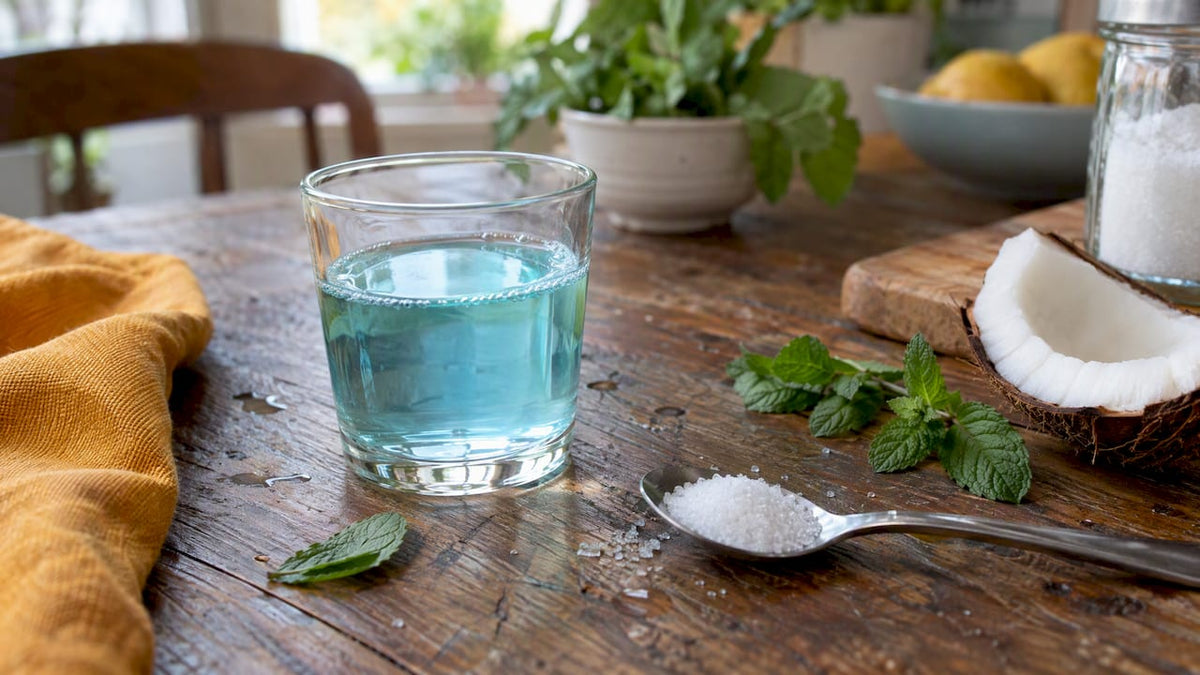
Benefits of Alcohol-Free Natural Rinse for Oral Health
Alcohol-free natural rinse is defined as an oral care product that delivers antimicrobial protection using natural active ingredients, with no ethanol as a solvent or preservative. The benefits of alcohol-free natural rinse include reduced gum irritation, preserved oral moisture, and plaque control that matches alcohol-based formulas. Dental professionals recommend these rinses for sensitive populations, including dry mouth sufferers, children, and pregnant women. Active agents like essential oils (thymol, eucalyptol, menthol), cetylpyridinium chloride (CPC), and baking soda do the real antimicrobial work. Alcohol was never the therapeutic ingredient. It was always just the carrier.
1. What are the best alcohol-free rinse ingredients and how do they work?
Alcohol is primarily a solvent and preservative in mouthwash, not the active antimicrobial agent. CPC and essential oils provide the antimicrobial benefits without requiring ethanol at all. That distinction matters because it means you lose nothing clinically by going alcohol-free.
The most effective natural antimicrobial ingredients in alcohol-free rinses include:
- Thymol and eucalyptol: Derived from thyme and eucalyptus, these essential oils disrupt bacterial cell membranes and reduce biofilm formation on tooth surfaces.
- Menthol: Provides fresh breath and mild antiseptic action while stimulating saliva flow, which supports natural oral defense.
- Cetylpyridinium chloride (CPC): A synthetic but non-alcohol antimicrobial that kills bacteria on contact and reduces plaque accumulation.
- Baking soda (sodium bicarbonate): Balances oral pH, neutralizes acids from bacterial metabolism, and gently polishes enamel without abrasion.
- Xylitol: A natural sugar alcohol that starves cavity-causing bacteria of their energy source, reducing Streptococcus mutans colonies over time.
Modern essential oil rinses use microemulsion technology to deliver these actives without alcohol as a solubilizer. That technology produces rinses with better tolerability and no burning sensation. You get the same antimicrobial reach, with none of the chemical aggression.
Pro Tip: Look for rinses that list thymol, eucalyptol, or CPC as active ingredients on the label. These are the compounds doing the clinical work, not the flavor or the tingle.
Check the natural antimicrobial ingredients guide from Selfwisebrand for a deeper breakdown of how each agent targets oral pathogens.
2. How alcohol-free natural rinses benefit gum health and reduce inflammation
Alcohol-free rinses reduce gingivitis and gum bleeding as effectively as alcohol-based formulas. Clinical studies show no statistically significant differences in plaque index or gingivitis reduction between matched alcohol-free and alcohol-containing rinses. That result removes the last clinical justification for choosing alcohol-based products for gum health.
Alcohol actively worsens gum tissue. It dehydrates mucosal cells, disrupts the lipid barrier lining the gum margin, and creates micro-irritation that compounds over daily use. People with existing gum sensitivity feel this as a burning, stinging sensation after rinsing. That sensation is not a sign the product is working. The burn is irritation, not therapy.
Patients undergoing chemotherapy or radiation often develop oral mucositis, a painful inflammation of mouth tissues. Alcohol-free rinses are the standard recommendation for this group because they control bacteria without adding chemical stress to already-compromised tissue. The same logic applies to anyone with sensitive gums or a history of gum disease.
Essential oil rinses reduce gingivitis by 10–20% in clinical trials, with plaque reductions of 15–25%. Those numbers come from the active ingredients, not from any alcohol content.
Pro Tip: If your gums bleed when you brush, switch to an alcohol-free rinse before assuming you need a prescription product. Eliminating the irritant often resolves mild bleeding within two to three weeks.
3. Why alcohol-free rinses are better for oral moisture and fresh breath
Alcohol-based rinses contain 21–26% ethanol, which actively dries oral tissues and alters saliva flow. Saliva is your mouth’s primary defense system. It neutralizes acids, washes away food debris, and carries antimicrobial proteins that protect enamel and soft tissue. Reducing saliva flow with alcohol-based rinses undermines every other oral hygiene step you take.
Xerostomia, the clinical term for chronic dry mouth, affects a significant portion of adults, particularly those on medications that list dry mouth as a side effect. Alcohol-based rinses worsen this condition with every use. Alcohol-free rinses preserve moisture balance and support consistent saliva production.
Fresh breath from alcohol-free rinses lasts longer because the cause of bad breath is addressed rather than masked. Halitosis originates from volatile sulfur compounds produced by anaerobic bacteria in the mouth. Ingredients like CPC and essential oils reduce those bacterial populations directly. Alcohol temporarily masks odor but then dries the mouth, creating conditions where anaerobic bacteria thrive even more.
Key benefits for people managing dry mouth and breath concerns:
- Alcohol-free rinses maintain natural saliva flow rather than suppressing it.
- pH-balancing agents like baking soda reduce the acidic environment that feeds odor-causing bacteria.
- Xylitol stimulates saliva production, providing additional moisture support throughout the day.
- No rebound dryness means fresh breath that holds for hours, not minutes.
4. Safety and comfort advantages for daily use
The burning sensation from alcohol in mouthwash is tissue irritation, not a sign of effectiveness. According to Dr. Jeong, antimicrobial effectiveness comes from active ingredients like essential oils or CPC, not from alcohol. That misconception has kept people using uncomfortable products for decades.
Alcohol-free rinses are safer for several specific groups. Children under 12 face ingestion risks with alcohol-containing products. Pregnant women avoid ethanol exposure for fetal safety reasons. People in recovery from alcohol use disorder benefit from removing all ethanol-containing products from their routines. Alcohol-free rinses increase consistency among sensitive users because eliminating painful irritation removes the main reason people skip rinsing.
Long-term safety is another factor worth considering. Heavy use of alcohol-containing rinses carries a modest but documented increase in oral cancer risk due to acetaldehyde exposure. Alcohol-free products eliminate that exposure entirely. For a product used twice daily over years, that difference compounds.
Synthetic dyes and harsh surfactants like sodium lauryl sulfate (SLS) also appear in many mass-market rinses. These additives disrupt oral mucosal lipid barriers, increasing tissue permeability and irritation over time. Natural alcohol-free rinses typically skip these additives, making them gentler on the tissue lining your entire mouth.
For people with sensitive gums, the gentle oral care guide from Selfwisebrand explains how ingredient choices affect tissue health at a practical level.
5. How alcohol-free rinses support the oral microbiome
Switching to alcohol-free rinses preserves oral microbial balance while still controlling pathogenic bacteria. Alcohol-free rinses rely on pH-balancing agents like baking soda to manage harmful bacteria while protecting the beneficial flora that support immune function and tissue health. Alcohol-based rinses do not make that distinction. They kill indiscriminately.
Your oral microbiome contains hundreds of bacterial species, many of which protect you. Streptococcus salivarius, for example, produces compounds that inhibit the growth of pathogenic bacteria. Nitrate-reducing bacteria in the mouth convert dietary nitrates into nitric oxide, which supports cardiovascular health. Wiping out these populations twice daily with an alcohol-based rinse creates a microbial vacuum that pathogenic species fill faster than beneficial ones.
Natural surfactants in alcohol-free rinses play a supporting role here. The role of natural surfactants in oral care explains how plant-derived cleansing agents lift biofilm without stripping the mucosal layer that beneficial bacteria colonize. That distinction separates a rinse that cleans from one that simply sterilizes.
The parallel to skin care is worth noting. Just as the skin microbiome research shifted the beauty industry away from harsh antibacterial soaps, oral microbiome science is reshaping what good mouthwash looks like. Plant-based approaches to scalp and skin health reflect the same principle: targeted action beats broad chemical disruption.
6. How to choose the best alcohol-free natural rinse for your routine
The right alcohol-free rinse depends on your specific oral health goals. Not every product labeled “natural” or “alcohol-free” delivers the same clinical results. Reading the ingredient list carefully separates effective products from marketing.
Key factors to evaluate when selecting a rinse:
- Active ingredient transparency: Look for named actives like CPC, thymol, eucalyptol, or chlorhexidine (for short-term clinical use). Vague terms like “natural extracts” without specifics are a red flag.
- Absence of SLS and synthetic dyes: FD&C color dyes and sodium lauryl sulfate increase irritation over time. Skip any rinse that lists them.
- Xylitol content: Xylitol actively reduces cavity-causing bacteria. Its presence signals a formulation built for real prevention, not just fresh breath.
- pH-balancing agents: Baking soda or calcium carbonate indicate the formula addresses the acidic environment where bacteria thrive.
- Flavor and tolerability: A rinse you use consistently beats a clinically superior one you avoid. Choose a flavor you find pleasant.
Situational guidance matters too. For dry mouth, prioritize rinses with xylitol and no alcohol. For gum sensitivity, look for CPC or essential oils without SLS. For daily maintenance, a baking soda and essential oil formula covers most needs without overcomplicating your routine.
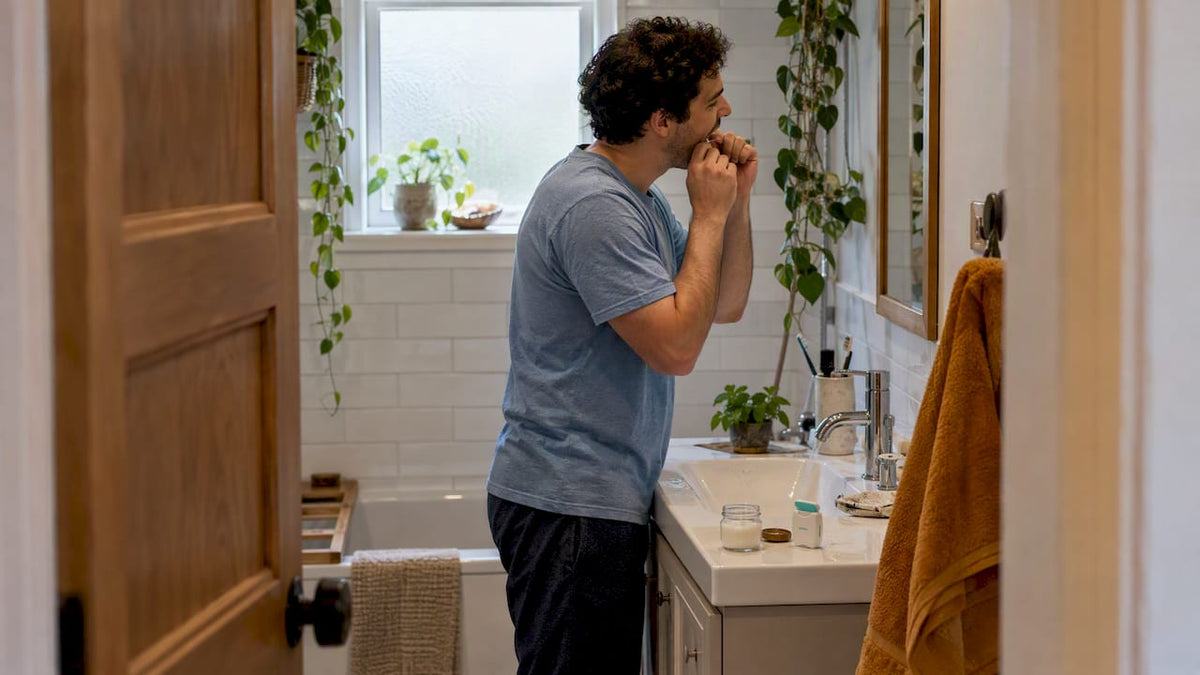
Pro Tip: Rinse after brushing and flossing, not before. Flossing removes the debris and disrupts biofilm; brushing cleans surfaces; rinsing then reaches the areas both missed. That sequence maximizes what each step delivers.
Selfwisebrand’s alcohol-free collection offers formulations built around these principles, with ingredient lists that reflect the science rather than the marketing. Consulting your dentist for personalized recommendations remains the best starting point, especially if you manage a specific condition like gum disease or dry mouth.
Key takeaways
Alcohol-free natural rinses deliver equivalent antimicrobial protection to alcohol-based formulas while eliminating the irritation, dryness, and microbiome disruption that ethanol causes.
| Point | Details |
|---|---|
| Active ingredients do the work | CPC, essential oils, and baking soda provide antimicrobial action without needing alcohol as a carrier. |
| Gum health improves without alcohol | Clinical trials show equivalent gingivitis and plaque reduction with alcohol-free formulas, minus the tissue irritation. |
| Saliva and microbiome stay intact | Alcohol-free rinses preserve moisture balance and beneficial oral bacteria that alcohol-based products disrupt. |
| Safer for sensitive populations | Children, pregnant women, dry mouth sufferers, and people in recovery all benefit from eliminating ethanol exposure. |
| Label reading determines results | Look for named actives, xylitol, and the absence of SLS and synthetic dyes to identify genuinely effective products. |
What I’ve learned from years of watching people switch to alcohol-free rinses
Most people switch to alcohol-free rinses because a dentist told them to, not because they sought it out. That is the wrong starting point. By the time a dentist recommends it, the person has usually been tolerating unnecessary discomfort for years, assuming the burn meant the product was working.
The most consistent pattern I observe is this: once people remove the burning sensation from their rinsing routine, they actually rinse. Compliance with twice-daily rinsing jumps when the product stops feeling like a punishment. That behavioral shift alone produces better oral health outcomes than any marginal difference between formulas.
What surprises most people is how quickly the oral environment responds. Gum sensitivity often decreases within two to three weeks of switching. Dry mouth symptoms improve noticeably within days. The mouth is a fast-healing environment when you stop assaulting it with a solvent twice a day.
The oral microbiome angle is the part most people have not considered yet. Protecting beneficial bacteria is not a fringe concept. It is the same logic that moved the food industry toward probiotics and the skin care industry away from antibacterial soaps. Oral care is catching up, and alcohol-free natural rinses are the clearest expression of that shift in a product you can use today.
My recommendation is simple: read the ingredient list, not the marketing copy. If the active ingredients are named and the formula skips SLS, synthetic dyes, and alcohol, you have a product worth using. Everything else is packaging.
— Viktor
Selfwisebrand’s alcohol-free rinses for your daily routine
Selfwisebrand builds its oral care products around the same principles covered in this article: named active ingredients, no harsh chemicals, and formulations that work with your mouth rather than against it.
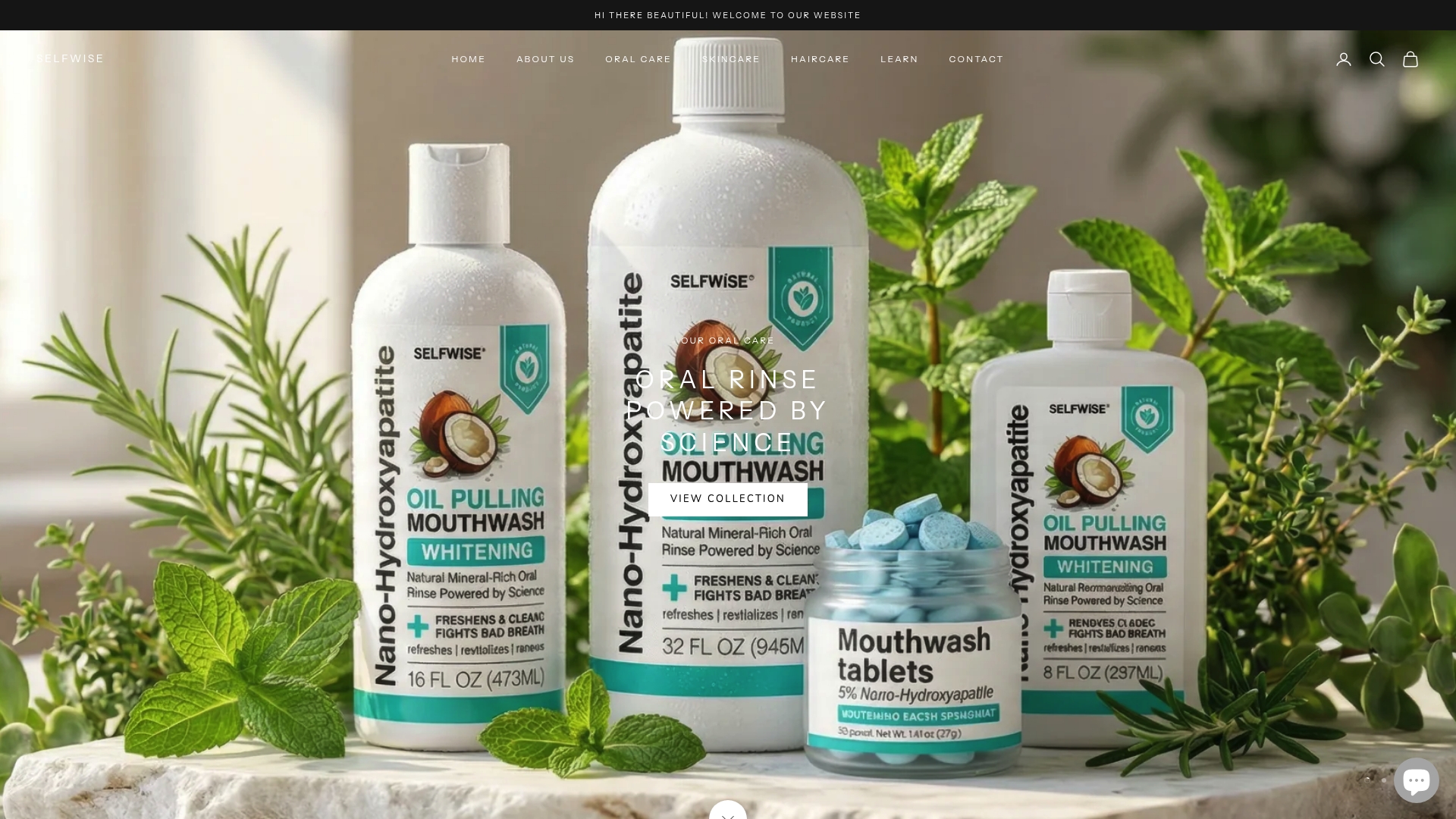
The nano hydroxyapatite oil pulling mouthwash combines oil pulling tradition with nano hydroxyapatite for enamel support, all without alcohol or fluoride. The mouthwash tablet formula offers the same alcohol-free, fluoride-free approach in a solid format that eliminates preservatives entirely. Both options suit sensitive mouths and daily use without compromise. The full mouthwash collection covers a range of needs, from gum health to remineralization, with ingredient lists you can actually read and trust.
FAQ
What makes an oral rinse “alcohol-free”?
An alcohol-free oral rinse contains no ethanol as a solvent or preservative. Active antimicrobial ingredients like CPC, essential oils, or chlorhexidine replace alcohol’s role without its drying or irritating effects.
Are alcohol-free rinses as effective as alcohol-based ones?
Yes. Clinical studies show no statistically significant difference in plaque or gingivitis reduction between matched alcohol-free and alcohol-containing rinses. The active ingredients, not the alcohol, produce the antimicrobial results.
Who benefits most from switching to an alcohol-free rinse?
Children under 12, pregnant women, dry mouth sufferers, people in recovery from alcohol use disorder, and anyone with sensitive gums or oral mucositis benefit most from eliminating ethanol from their rinsing routine.
Does the burning sensation in mouthwash mean it is working?
No. The burn is tissue irritation caused by ethanol, not a sign of antimicrobial effectiveness. Alcohol-free rinses with CPC or essential oils deliver equivalent bacterial control without any burning sensation.
How often should you use an alcohol-free natural rinse?
Twice daily, after brushing and flossing, is the standard recommendation. Rinsing after mechanical cleaning maximizes the rinse’s reach into areas the brush and floss already disrupted.