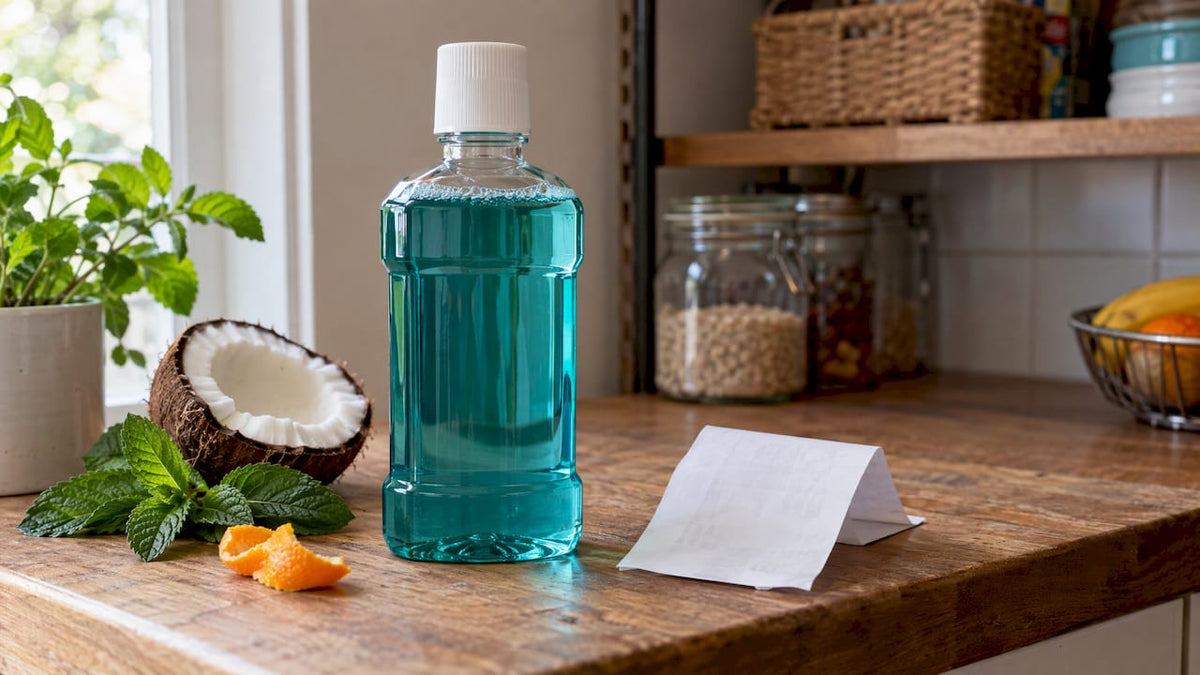
Magnesium Lotion During Pregnancy: What to Know Before You Use It
Magnesium lotion is a topical product, and the research gives no sign that a lotion on your skin pushes you toward the magnesium limits that apply to pills. Still, no trial has tested it in pregnancy, so the sensible approach is to treat it as a moisturizer and massage ritual. Patch-test it, choose a simple fragrance-free formula, and run the label past your ob-gyn or midwife. Below we cover what the evidence says, how to use a lotion carefully, which ingredients to check, and how a gentle oral care routine fits into the same pregnancy-conscious mindset.
TL;DR
- No clinical trial has tested magnesium lotion in pregnant women, so no one can promise it relieves leg cramps or sleep problems. Any comfort may come from massage and moisturizing ingredients.
- NIH’s upper limit for supplemental magnesium in pregnancy is 350 mg a day. That limit applies to supplements and medications, so tell your provider about every magnesium product you use.
- Patch-test any new lotion on a small area for 24 hours, and choose fragrance-free over merely unscented.
- Ask your ob-gyn or midwife about the full ingredient list, especially for anything beyond magnesium and a plain base.
- Pregnancy-conscious care includes the mouth. A gentle, alcohol-free routine is an easy place to start.
Table of Contents
- Why pregnant women reach for magnesium lotion
- What the research actually says
- Using magnesium lotion carefully while pregnant
- A quick label check for any pregnancy lotion
- Magnesium lotion for kids
- Where oral care fits in a pregnancy routine
- Explore the Selfwise range
- FAQ
- Sources
Why pregnant women reach for magnesium lotion
Pregnancy brings a familiar list of complaints: calf cramps that wake you at 2 a.m., restless legs, tight shoulders, dry and stretching skin, and sleep that never feels deep enough. Magnesium is a mineral involved in normal muscle and nerve function, so it is easy to see why a magnesium lotion rubbed into the calves before bed sounds like a gentle fix. It feels harmless, it smells pleasant, and it doesn’t require swallowing anything.
That appeal is real, and so is the ritual. Slowing down for five minutes in the evening, warming a lotion between your palms and massaging tired legs is a calming habit in itself. The question is what the lotion does beyond that, and whether any part of it needs caution when you are pregnant. Magnesium’s wider roles in the body, including in bones, are covered in this overview of magnesium and bone health evidence, which helps explain why people take the mineral seriously.
What the research actually says
Absorption through the skin is unproven
The main question is whether magnesium in a lotion gets through intact skin in amounts that matter. A 2017 peer-reviewed review concluded that claims of clinically meaningful transdermal magnesium absorption were scientifically unsupported. It also described a 34-person randomized study in which repeated lotion application over three days produced no significant difference in blood magnesium compared with placebo. Its authors’ view is that topical magnesium should not be treated as an established way to correct a deficiency until larger, better human studies show real absorption and benefit.
The American Dental Association’s report on the trend reached a similar place: evidence for systemic benefits of magnesium lotion is lacking, and a lotion should never replace established medical treatment. In plain terms, a lotion is a nice extra and not a stand-in for prenatal care or a prescribed treatment.
We publish our own reading of the small studies in our comparison of magnesium lotion and oil, if you want to see how the numbers look when you read one trial closely.
Leg cramps and sleep in pregnancy
For leg cramps, the best pregnancy-specific evidence is about oral magnesium. A Cochrane review of interventions found that results for oral magnesium were inconsistent and of low or very low certainty. The studies also did not establish safety for pregnancy complications or the baby, and no trials tested a topical magnesium lotion. So there is no pregnancy trial that either supports or refutes lotion for cramps.
On sleep, NPR spoke with experts in 2025. A dermatologist said there is little evidence that magnesium crosses intact skin in a meaningful way, and that any perceived benefit may come from the massage or the moisturizing ingredients. A Harvard sleep specialist said risks from the lotion on skin are probably small, though he did not plan to recommend it.
Taken together, the fair summary is this. The risk of a topical lotion looks low, the proof of benefit is thin, and the comfort many women describe may well be from touch, warmth and a bedtime routine. That is a perfectly good reason to enjoy a lotion, as long as you use it with sensible care. Our own guide on why magnesium body lotion is associated with sleep routines but not blood magnesium goes deeper on that distinction.
Oral magnesium is a different matter
Research on magnesium in pregnancy mostly concerns supplements, not lotions. A Cochrane review of 10 trials with 9,090 women found insufficient high-quality evidence that magnesium supplementation during pregnancy is beneficial. Whatever you read online about magnesium and pregnancy outcomes, it usually refers to pills or clinical administration under medical supervision, not a body cream.
Using magnesium lotion carefully while pregnant
You don’t need to be anxious about a lotion, but a few habits keep you on the careful side.
Start with a patch test
Pregnancy can change how your skin reacts. Health.com reports that magnesium lotion may irritate or dry the skin and recommends testing a small area for 24 hours before wider use. Apply a pea-sized amount to the inner forearm, leave it, and watch for redness, itching or burning. If anything flares, wash it off and skip the product.

Some people notice a tingling sensation with magnesium products. It is worth understanding what is normal and what is a sign to stop, which we explain in our guide to magnesium lotion side effects and what tingling means.
Mind your total magnesium
NIH sets a tolerable upper intake level of 350 mg a day for supplemental magnesium in pregnant adults. It applies to supplements and medications, not to the magnesium in food. NIH also notes that too much supplemental magnesium can cause diarrhea, nausea and abdominal cramping, and that very high exposure can be dangerous. The NIH pregnancy fact sheet lists daily recommended amounts of 350 mg for ages 19 to 30 and 360 mg for ages 31 to 50.
A lotion is not a supplement, and the evidence above suggests little of it reaches the bloodstream. Even so, if you also take a prenatal vitamin with magnesium, a separate magnesium capsule, or an antacid or laxative containing magnesium, mention your whole routine at your next prenatal visit. That one conversation is far more useful than guessing.
On the belly and stretch-prone skin
Many women ask whether it is fine to smooth a magnesium cream over the belly. The skin there is stretched and often itchy, which makes irritation more likely, not less. Patch-test first, keep the layer thin, avoid broken or inflamed skin, and stop if a rash or persistent itching appears. If you develop severe itching in pregnancy, call your provider promptly instead of trying another lotion.
Choose fragrance-free, not just unscented
ACOG advises picking fragrance-free rather than merely unscented products, since unscented items can still contain masking fragrance. The same ACOG opinion says that avoiding phthalates, parabens, oxybenzone and triclosan may reduce exposure to endocrine-disrupting chemicals, while noting that causality and dose remain uncertain. Reading a label for those words takes thirty seconds.
A quick label check for any pregnancy lotion
Use this list when you pick up a magnesium lotion, a belly butter or any body product.
- Short ingredient list. The fewer unfamiliar components, the easier it is to review with your provider.
- Fragrance-free. Look for the word itself, not “unscented.”
- No parabens or phthalates. These are the ingredients ACOG names in its exposure guidance.
- No retinoids. ACOG says vitamin-A-derived topical retinoids should generally be avoided in pregnancy. This matters more for anti-aging and acne creams than for plain body lotions, but check anyway.
- Anything you don’t recognize. ACOG recommends asking your ob-gyn about ingredients that are not on its lists. Photograph the label and bring it along.
If you prefer a simple moisturizer made around a handful of ingredients, our Beef Tallow Body Lotion with Magnesium is formulated for dry skin. As with any product in pregnancy, we suggest reading the full ingredient list with your provider before you start.
Magnesium lotion for kids
Parents ask this often, usually after using a lotion themselves. NIH’s upper limits for supplemental magnesium are 65 mg a day at ages 1 to 3, 110 mg at ages 4 to 8, and 350 mg at ages 9 to 18, with no limit established for infants under one year. Those figures are for supplements, not lotions, but they show that children’s margins are much smaller than adults’. For babies and young children, ask the pediatrician before using any magnesium product, patch-test on a tiny area, and keep lotion away from hands that go straight into mouths.

Where oral care fits in a pregnancy routine
When you are pregnant, it is natural to look at everything that touches your body, and that includes your mouth. Many expectant mothers swap harsh, alcohol-heavy rinses for gentler options, and that is where ingredient questions pop up again.
Hydroxyapatite
Hydroxyapatite is a form of the mineral that makes up tooth enamel, and it is used in fluoride-free toothpastes and rinses. The research is encouraging but modest. A 2021 systematic review and meta-analysis pooled three randomized trials and estimated 17% caries protection, with some studies finding performance non-inferior to fluoride products. A 2021 double-blind trial in children aged 3 to 7 found that a toothpaste with 10% microcrystalline hydroxyapatite was non-inferior to a fluoride toothpaste over 336 days for progression of primary-tooth enamel caries. A 2023 update counted 62 clinical trials of biomimetic hydroxyapatite.
There is one thing to be straight about: none of this work was designed specifically around pregnancy. The American Dental Association’s evidence-based guidance said that evidence was insufficient to recommend calcium-phosphate products, including for pregnant mothers, in 2011 when it was written. Since then, the trial evidence has grown, which is why we suggest talking it over with your dentist and keeping regular checkups during pregnancy, rather than treating any product as a guarantee.
Oil pulling
Oil pulling is a traditional swishing practice, and some pregnant women like it because it is simple and alcohol-free. We wrote a dedicated guide to a pregnancy-conscious oil pulling method covering amounts and timing. The short version: keep sessions brief, never swallow the oil, spit into a trash can and not the sink, and treat it as a complement to brushing, flossing and dental visits, never a replacement.
Building a gentle routine
If you are looking for an alcohol-free rinse, you can browse our mouthwash collection. A simple pregnancy-friendly pattern looks like this:
- Brush twice a day with a soft brush and the toothpaste your dentist approves.
- Floss or use interdental brushes once a day.
- Use an alcohol-free rinse after meals or before bed.
- Tell your dentist you are pregnant and keep your scheduled cleanings.
- Mention any bleeding or tender gums to your dentist or ob-gyn instead of waiting it out.
The same logic applies to lotion and to mouthwash: a short ingredient list, nothing you can’t pronounce without a reason, and a provider who has seen the label.
Our perspective
We built Selfwise around a simple idea: when you read a label, it should make sense. That is why we talk about simple ingredients, and why we steer clear of fluoride, alcohol and harsh chemicals in our oral care.
Magnesium lotion is a good example of a trend where the marketing runs ahead of the science. We would rather tell you plainly what has been studied and let you enjoy the ritual with open eyes. A warm lotion, a few minutes of massage and a calmer evening are worth having, and a quality moisturizer does real work for dry, stretching skin.
The same honesty applies to the mouth. Hydroxyapatite and oil pulling are approaches we believe in and design our products around, and we also tell our customers to keep seeing their dentist. Pregnancy is exactly when a short, understandable ingredient list and a conversation with your provider matter most.
Viktor
Explore the Selfwise range
If you want an alcohol-free, fluoride-free approach to your daily oral care during this season of life, start with our oral care collection, where you will find oil pulling mouthwash, nano hydroxyapatite rinse, xylitol mouthwash and mouthwash tablets, all formulated without harsh chemicals, fluoride or alcohol. For skin comfort, our body lotions are made around simple ingredients.
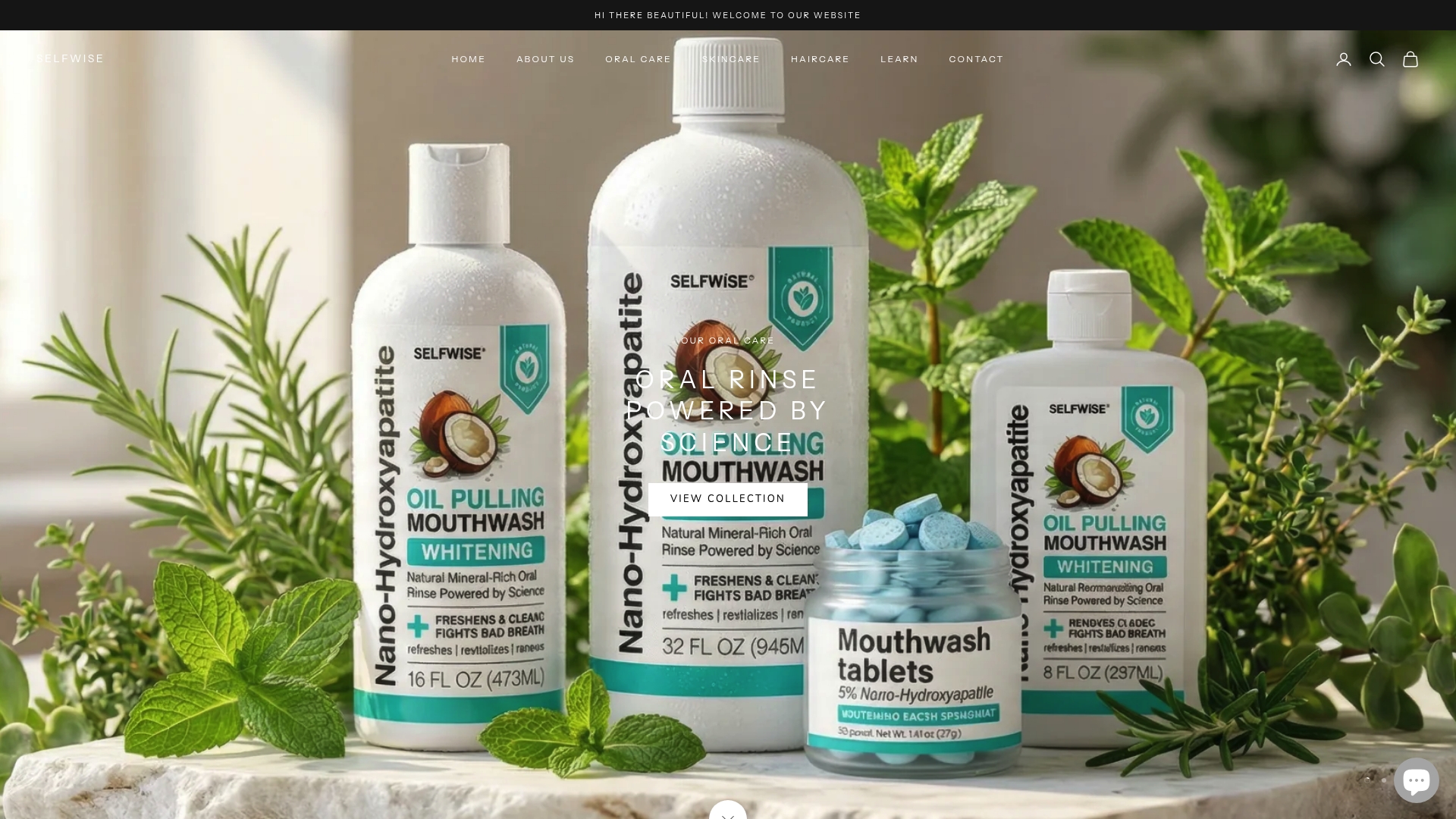
Not sure where to begin? Our natural oral care guide walks through each product and how it fits into a daily routine.
FAQ
Is magnesium lotion safe during pregnancy?
No trial has tested magnesium lotion in pregnant women, so nobody can give a guarantee. A Harvard sleep expert quoted by NPR said risks from the lotion on skin are probably small. Patch-test first, pick a fragrance-free formula and show the label to your ob-gyn or midwife.
Is it safe to put magnesium cream on my pregnant belly?
There is no study on this specific question. Because belly skin is stretched and can be itchy, irritation is the main concern. Patch-test for 24 hours, apply a thin layer to intact skin only, and stop if you notice a rash, burning or lasting itch.
What lotions should I avoid while pregnant?
ACOG says to generally avoid topical retinoids, and to ask your ob-gyn about any ingredient not on its lists. It also advises fragrance-free products and notes that avoiding phthalates, parabens, oxybenzone and triclosan may reduce exposure to endocrine-disrupting chemicals, though the evidence on cause and dose is uncertain.
Can magnesium lotion replace a magnesium supplement?
There is no evidence that it can. A 2017 review found claims of meaningful skin absorption to be scientifically unsupported. If you think you need more magnesium, talk to your provider before starting anything, since NIH sets a 350 mg daily upper limit for supplemental magnesium in pregnancy.
Is hydroxyapatite oral care okay during pregnancy?
Hydroxyapatite has a growing body of clinical trials behind it, but they were not designed around pregnancy. Ask your dentist whether a hydroxyapatite toothpaste or rinse suits you, and keep your regular dental visits.
Sources
- Magnesium and Bone Health: What the Evidence Actually Shows
- Myth or Reality—Transdermal Magnesium? (PMC, 2017)
- Magnesium lotion: Effective or just trendy (American Dental Association)
- Interventions for leg cramps during pregnancy (Cochrane)
- Magnesium lotion is popular for sleep. Does it work? (NPR)
- Magnesium supplementation in pregnancy (Cochrane review, PMC)
- Magnesium Lotion: Uses, Benefits, and Side Effects (Health.com)
- Magnesium: Health Professional Fact Sheet (NIH)
- Dietary Supplements and Life Stages: Pregnancy (NIH)
- Reducing Prenatal Exposure to Toxic Environmental Agents (ACOG)
- Skin Conditions During Pregnancy (ACOG)
- Biomimetic hydroxyapatite and caries prevention (2021)
- Toothpaste with microcrystalline hydroxyapatite in children (2021)
- Improving Oral Health with Fluoride-Free Toothpaste (2023)
- Nonfluoride Caries Preventive Agents: Evidence-Based Recommendations (ADA)