Science Backed Microbiome Friendly Mouthwash for the Health Conscious
Yes, microbiome-friendly mouthwash is a real, meaningful choice, not a marketing label. Favor alcohol-free rinses built on prebiotics, xylitol, or nano-hydroxyapatite for daily use, and save chlorhexidine or other broad-spectrum antiseptics for short, dentist-directed courses. Daily use of harsh antiseptics can strip out beneficial bacteria along with the harmful kind, so the ingredient list matters as much as the marketing claim.
TL;DR:
- Daily use of broad-spectrum antiseptics like chlorhexidine can cause rapid and significant reductions in oral microbial diversity within just one week.
- Microbiome-friendly rinses containing xylitol, nano-hydroxyapatite, or prebiotics lead to milder, more targeted bacterial shifts, preserving beneficial bacteria like nitrate-reducing microbes.
- Long-term data on daily antiseptic mouthwash effects in healthy adults remain limited, and aggressive bacterial elimination strategies may disrupt ecological balance more than they help.
- Reading labels for active ingredients such as chlorhexidine or alcohol is essential to avoid unnecessary disruption, especially for daily maintenance.
- Using microbiome-supportive mouthwashes with ingredients like nano-hydroxyapatite and xylitol and reserving antiseptics for short courses improves oral health without compromising microbial diversity.
Table of Contents
- What the Science Says About Mouthwash and Your Oral Microbiome
- How Common Mouthwash Ingredients Affect Oral Bacteria
- Choosing a Microbiome-Friendly Mouthwash: What to Check on the Label
- Building a Daily Routine Around a Microbiome-Friendly Rinse
- Why the Industry Still Talks About Killing Bacteria Instead of Balancing Them
- A Simple Next Step for a Microbiome-Friendly Routine
- Sources
- FAQ
What the Science Says About Mouthwash and Your Oral Microbiome
Chlorhexidine (CHX) is the most studied mouthwash ingredient, and the pattern in the research is consistent: it works fast, and it works broadly. Clinical trials and reviews report reduced alpha diversity and genus-level shifts after just seven days of chlorhexidine use, with more widespread community disruption showing up when people use it for weeks instead of days. That is not a slow drift. It is a measurable population change inside a single week.
Statistic Callout: Reviewers analyzing clinical trial data found that CHX use produces detectable, genus-level shifts in oral bacterial communities within a short period, one of the fastest documented ecological changes tied to a single hygiene product.
Cetylpyridinium chloride (CPC) and essential-oil rinses tell a more nuanced story. A narrative review examining mouthwash effects on the oral microbiome found that CPC tends to suppress specific gingivitis-associated genera rather than flattening diversity across the board, and essential-oil formulas generally produce smaller shifts than CHX. Short-term comparative trials back this up: head-to-head studies of CHX versus essential-oil rinses show CHX hitting nitrate-reducing bacterial genera harder than most essential-oil alternatives do.
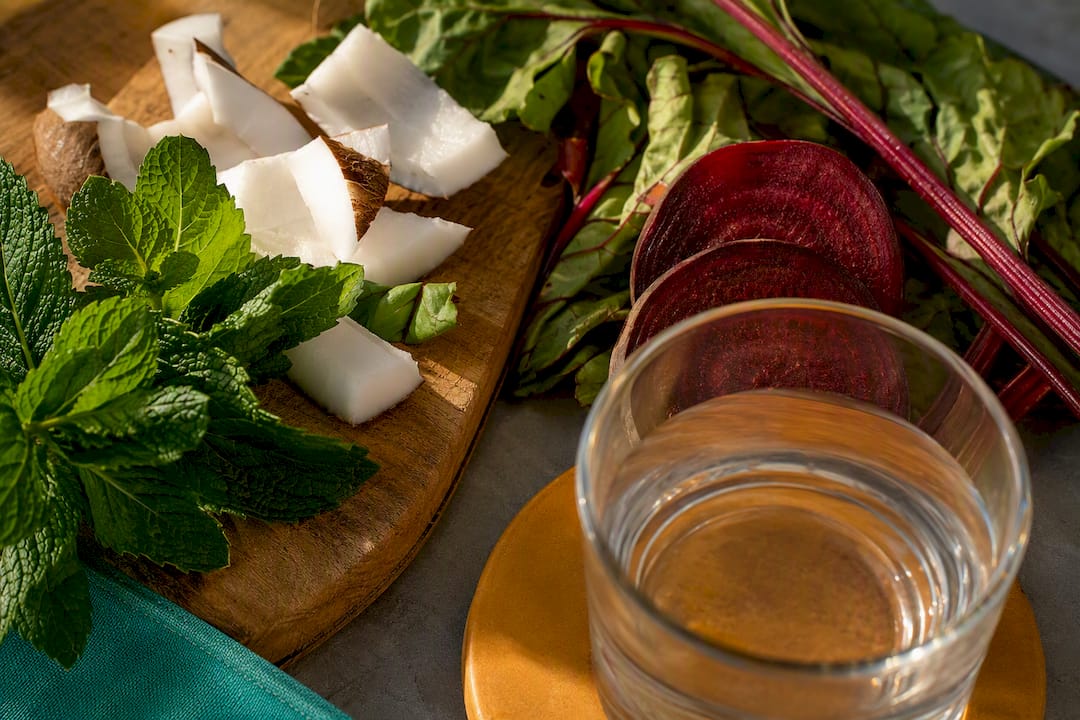
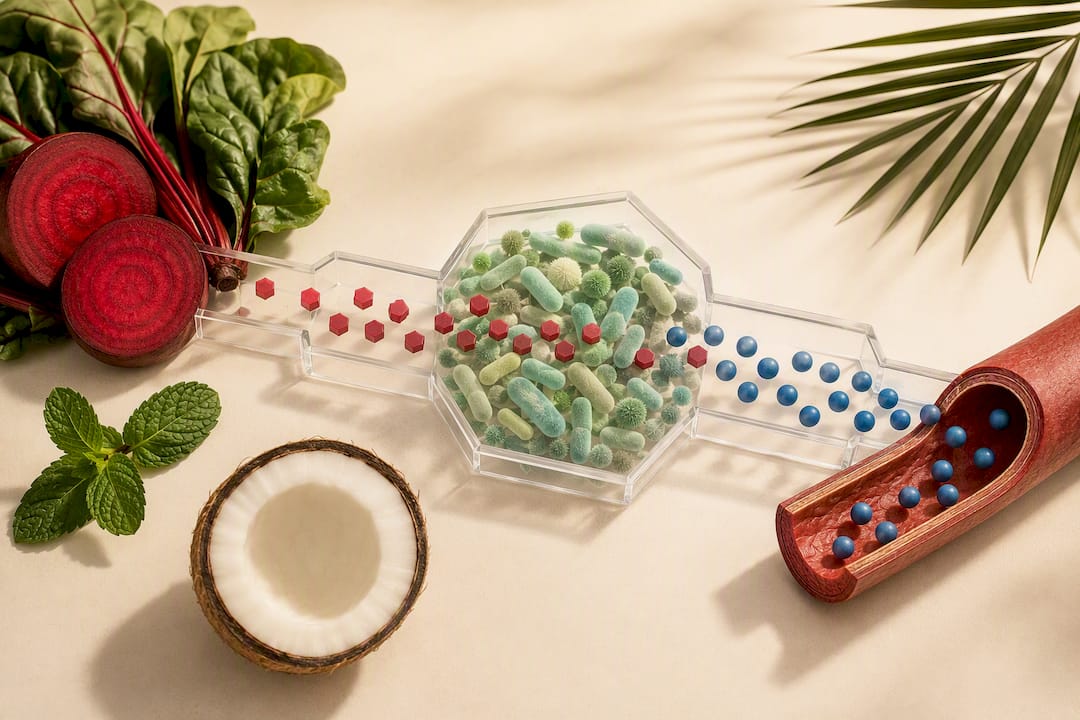
That detail on nitrate-reducing bacteria matters more than it sounds. These microbes convert dietary nitrates from vegetables like beets and leafy greens into nitric oxide, a molecule involved in blood pressure regulation and vascular function. Wipe out that bacterial population and you are not just changing your mouth. You may be interrupting a pathway your cardiovascular system quietly depends on.
Study design explains why headlines about mouthwash research sometimes contradict each other. Some trials run for only seven days and use 16S rRNA sequencing, a technique that identifies bacteria at the genus level but misses finer species-level detail. Others use full metagenomic sequencing on hospitalized patients using CHX for weeks as part of infection control protocols, a very different population than someone rinsing after breakfast. A seven-day healthy-volunteer study and a six-month hospitalized-patient trial are not measuring the same thing, even when they use the same ingredient.
A systematic analysis of mouthwash’s role in controlling supragingival biofilm captures the core tension researchers keep circling back to: mouthwash clearly reduces plaque and gingivitis, but strategies built on wholesale bacterial elimination may cause the exact ecological shifts that create long-term problems. The field’s emerging consensus favors modulation over elimination, which is precisely the microbiome-friendly, balance-focused framing this article follows.
Here’s what the current evidence actually supports:
- CHX reliably lowers oral microbial diversity, often within a week of daily use.
- CPC and essential-oil rinses generally produce milder, more targeted shifts than CHX.
- Nitrate-reducing bacteria are particularly vulnerable to aggressive antiseptics, with possible downstream effects on nitric oxide production.
- Long-term, population-level data is still thin. Most strong findings come from short trials or hospitalized patients, not from years of daily use in healthy adults.
- Data on how mouthwash affects oral fungi and viruses remains sparse, so bacterial findings don’t tell the whole microbial story.
Researchers like Purnima Kumar have pushed the field toward a different question entirely: not “how do we kill more bacteria,” but “how do we manage a balanced, functionally diverse microbiome” and reserve antiseptics for when they’re clinically justified.
How Common Mouthwash Ingredients Affect Oral Bacteria
Every active ingredient in a mouthwash bottle interacts with your oral microbiome differently. Knowing the mechanism behind each one turns label-reading from guesswork into an actual decision.
Chlorhexidine binds to bacterial cell membranes and disrupts them on contact, which is why it kills such a wide range of species so quickly. That broad kill radius makes it genuinely useful after oral surgery or during acute gingivitis flare-ups, but it’s a blunt instrument for daily maintenance. It doesn’t distinguish between the bacteria causing your problem and the ones keeping your mouth balanced.
Essential oils (thymol, eucalyptol, menthol, methyl salicylate, the classic combination) act more selectively, and the evidence suggests a smaller overall diversity hit than CHX at comparable use frequencies.
Alcohol is where things get interesting, and where a lot of consumer confusion lives. A direct comparison of ethanol-free and ethanol-containing mouthwashes found the two performed similarly on multiple microbiome diversity metrics, meaning alcohol itself isn’t the primary driver of microbial disruption; the active antiseptic ingredient usually is. That said, ethanol-free formulas remain the better pick for anyone with dry mouth, sensitive gum tissue, a history of oral irritation, or a preference for avoiding alcohol on sensory or personal grounds.
Prebiotics, probiotics, xylitol, and nano-hydroxyapatite represent the “supportive” end of the spectrum instead of the “destructive” one. Xylitol interferes with the metabolism of cavity-causing bacteria like Streptococcus mutans without carrying the broad antimicrobial punch of CHX. Nano-hydroxyapatite works mechanically, helping remineralize enamel surfaces rather than targeting bacteria directly, which is part of why it pairs well with a microbiome-preserving approach. Prebiotic and probiotic ingredients are the newest entrants here, and early evidence is promising but still preliminary; researchers want larger, longer studies before calling any of these approaches definitive.
Quick summary of where each ingredient lands:
- Chlorhexidine: strong, fast, broad diversity reduction. Best for short, directed use.
- CPC: moderate, more targeted reduction. Reasonable for limited daily use.
- Essential oils: milder shifts, decent plaque control, better fit for ongoing use.
- Alcohol: not the main disruptor, but ethanol-free versions suit sensitive mouths.
- Xylitol, nano-hydroxyapatite, prebiotics: microbiome-supportive, better fit for daily maintenance.
Pro Tip: Check the active ingredient list before the marketing claims. A bottle that says “natural” but lists chlorhexidine gluconate as the active ingredient is still a short-course antiseptic, not a daily maintenance rinse.
Choosing a Microbiome-Friendly Mouthwash: What to Check on the Label
Reading a mouthwash label like a researcher takes about thirty seconds once you know what you’re scanning for, including factors like pH that influence how products interact with individual microbiomes (Καθαριστικό προσώπου με pH: ποιο να επιλέξεις – Skin Glos). Here’s the checklist worth running every time:
- Confirm it’s alcohol-free. Not because alcohol destroys your microbiome (the evidence doesn’t strongly support that), but because ethanol-free formulas are gentler on tissue and better tolerated over time.
- Look for xylitol or nano-hydroxyapatite as active ingredients. These support enamel health and limit cavity-causing bacteria without broad antimicrobial action.
- Check whether chlorhexidine appears anywhere in the ingredient list. If it does, that product belongs in a short-term protocol, not your everyday routine.
- Scan for prebiotic ingredients designed to feed beneficial bacteria rather than kill everything indiscriminately.
- Skip anything vague about “kills 99.9% of bacteria.” That claim is a red flag for daily use, since it usually means broad-spectrum elimination, not balance.
Usage rules matter just as much as ingredient choice:
- Daily maintenance rinses should be used once or twice a day, ideally a few minutes apart from brushing so fluoride-free remineralizing ingredients get their own contact time.
- Antiseptic rinses like CHX should never run longer than the course your dentist prescribes, typically one to two weeks.
- If you notice tooth staining, altered taste, or unusual dryness on an antiseptic rinse, that’s worth flagging to your dentist rather than pushing through.
Bring these two questions to your next dental visit: “Is a short chlorhexidine course actually appropriate for what I’m dealing with, or is there a gentler option?” and “How long should I stay on this before reassessing?” A dentist who can’t answer the second question clearly is worth a follow-up call.
Building a Daily Routine Around a Microbiome-Friendly Rinse
A mouthwash routine works best when it complements brushing rather than trying to replace it. Mouthwash is designed to suppress bacterial adhesion during early biofilm formation, not to dissolve plaque that’s already hardened, so timing and consistency matter more than intensity.
- Brush first, then rinse, ideally leaving a short gap so a fluoride-free remineralizing rinse gets uninterrupted contact time with your enamel.
- Use your daily maintenance rinse once or twice daily, morning and night works well for most people who want consistent coverage without overdoing it.
- If prescribed an antiseptic like CHX, follow the exact duration your dentist gives you, typically one to two weeks, then stop and return to your regular rinse.
- Schedule a follow-up check after any antiseptic course rather than assuming the problem is permanently resolved.
- Eat nitrate-rich vegetables (beets, spinach, arugula) regularly to help support the bacterial populations that convert nitrates into nitric oxide, particularly if you’ve recently used a broad-spectrum antiseptic.
Pro Tip: If you finish a chlorhexidine course and notice your breath or plaque pattern seems worse for a week or two afterward, that’s likely a rebound effect from opportunistic bacteria filling the gap left behind. It usually settles once your regular microbiome reestablishes itself, but a milder maintenance rinse during that window helps.
Why the Industry Still Talks About Killing Bacteria Instead of Balancing Them
Most oral care marketing was built on a kill-everything premise, and that premise is aging badly. The clinical literature has moved toward managing a functional, diverse oral microbiome, yet plenty of products on store shelves still lead with antimicrobial percentages as if a bigger kill count were automatically a better outcome. It isn’t. A mouth with a wiped-out microbial community is not a healthy mouth; it is an empty ecological niche waiting for something to fill it, and that something is not always an improvement.
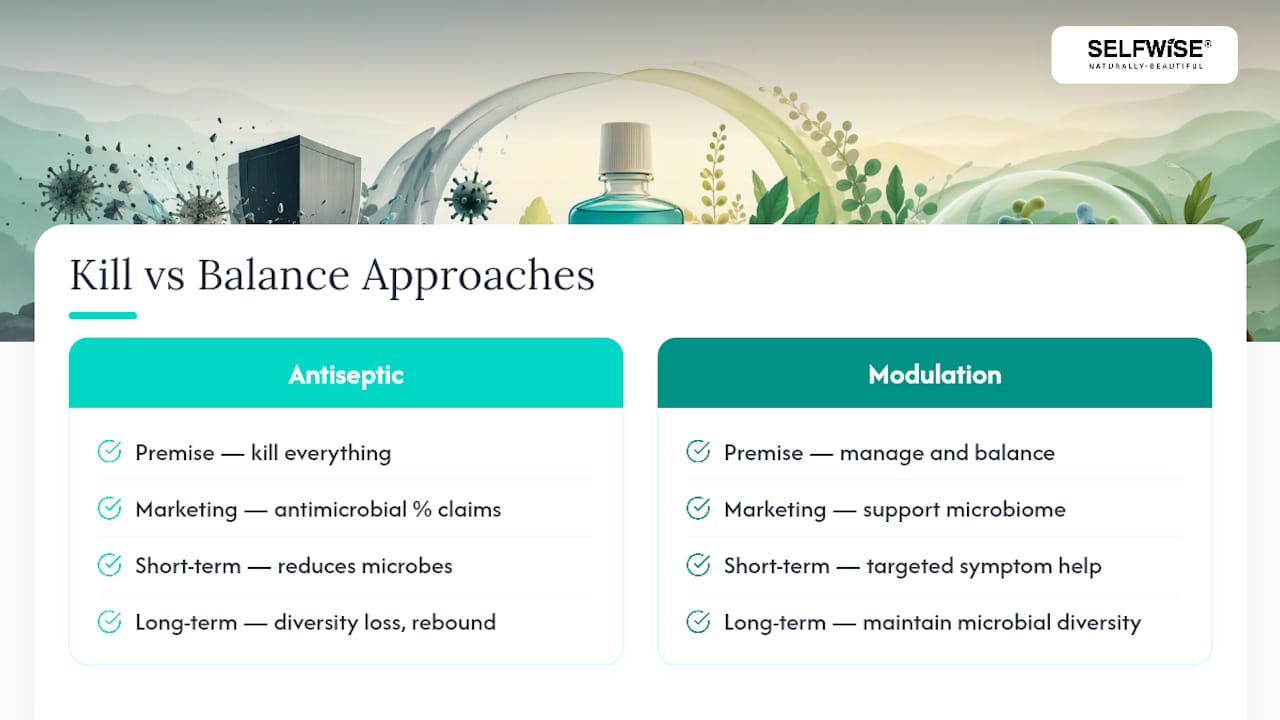
What gets underestimated is how much daily-use antiseptics can undercut their own long-term goal. Someone reaching for a strong antiseptic rinse every day because their last dental visit flagged a gum concern is often trading a short-term win for a longer-term diversity loss, and most people never make that connection because the rebound effects show up weeks later, disconnected from the original choice.
Selfwisebrand builds its natural oral care line around the same modulation-over-elimination logic that current research increasingly supports. The brand’s approach centers on oil pulling, remineralizing alternatives, and rinses formulated with nano-hydroxyapatite and xylitol, ingredients chosen specifically because they support the mouth’s ecosystem instead of carpet-bombing it. That’s not a contrarian stance against oral care science; it’s the direction the science itself is heading.
— Viktor
A Simple Next Step for a Microbiome-Friendly Routine
Some natural oral care rinses skip alcohol, chlorhexidine, and the “kills everything” marketing language entirely, using instead xylitol and nano-hydroxyapatite for daily use that aligns with the checklist above.
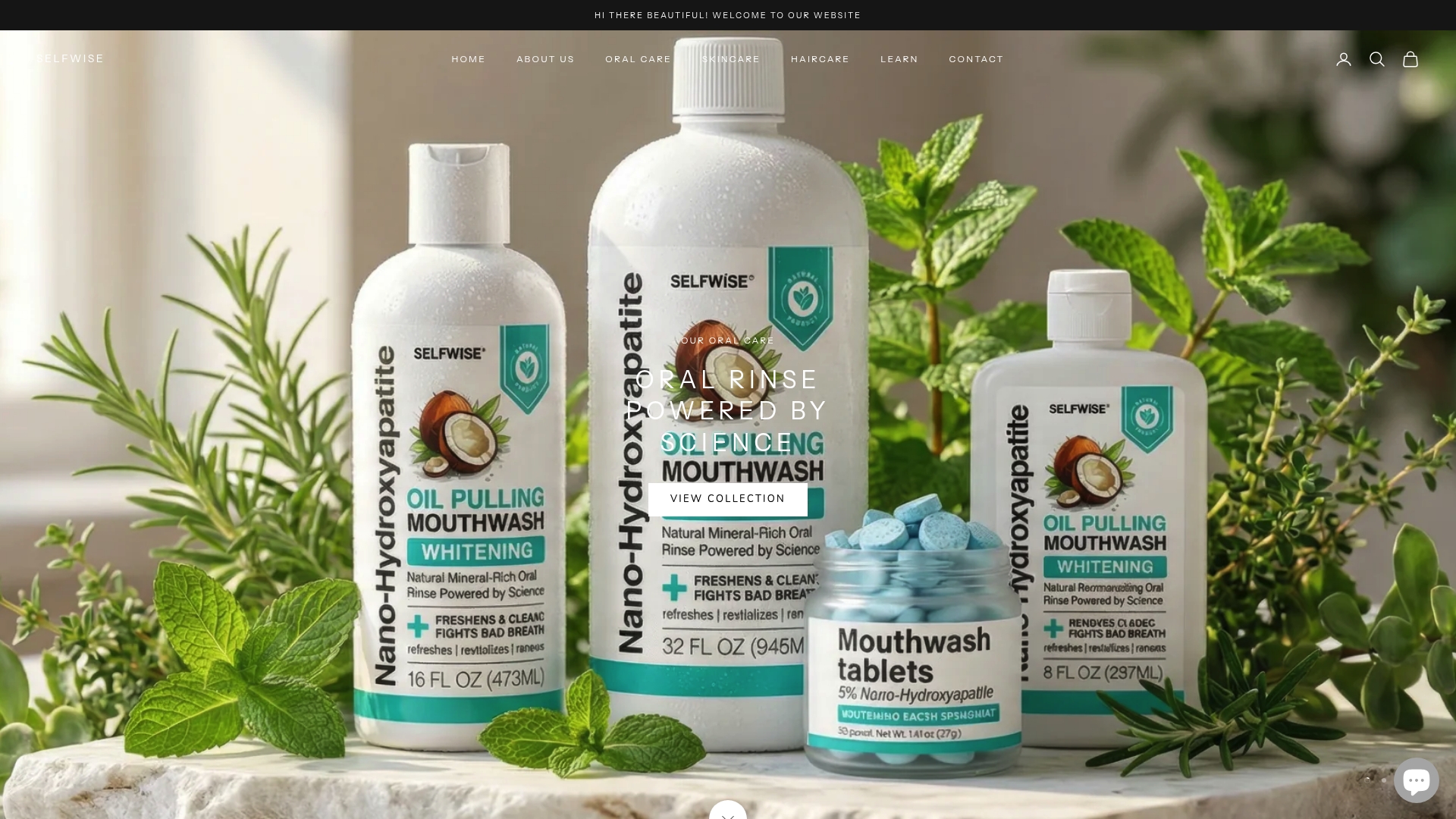
If you’re rebuilding a routine after a rough dental visit or just done pouring alcohol-based antiseptic into your mouth every morning, start with the mouthwash collection and look specifically at the nano-hydroxyapatite mouthwash tablets for a fluoride-free, enamel-supporting option that fits daily use rather than a short antiseptic course. Prefer the traditional route? The nano-hydroxyapatite oil pulling mouthwash gives you the same ingredient profile in a format built around oil pulling instead of a standard rinse. Try either one for two to three weeks as your everyday rinse, right after brushing, and see how your mouth responds before deciding whether to make the swap permanent.
Sources
- Mouthwash Effects on the Oral Microbiome: Are They Good, Bad, or Balanced? - PMC
- Clinical evidence linking chlorhexidine use to reduced oral microbial diversity and community shifts
- Evidence on the Use of Mouthwash for the Control of Supragingival Biofilm and Its Potential Adverse Effects
FAQ
What is the healthiest mouthwash to use?
For daily use, an alcohol-free rinse built on xylitol, nano-hydroxyapatite, or prebiotic ingredients supports oral health without disrupting microbial balance the way broad-spectrum antiseptics can.
Is there a mouthwash that kills bad bacteria but not good bacteria?
No mouthwash targets exclusively harmful bacteria; even narrower agents like CPC affect specific genera rather than isolating “bad” species, which is why microbiome-supportive ingredients like xylitol are preferred for everyday use over broad antiseptics.
How do you fix a microbiome imbalance in your mouth?
Switch to an alcohol-free, microbiome-supportive rinse, stop daily antiseptic use unless a dentist has prescribed a short course, and add nitrate-rich vegetables to your diet to support beneficial bacteria; read more in this guide to oral dysbiosis.
Does mouthwash disrupt the oral microbiome?
Some formulas do, particularly chlorhexidine, which can measurably reduce microbial diversity within seven days of daily use, while milder options like essential-oil rinses and microbiome-supportive formulas cause far less disruption.
How often should I use an antiseptic mouthwash versus a daily one?
Reserve antiseptic rinses like chlorhexidine for the short, prescribed course your dentist recommends, typically one to two weeks, and use an alcohol-free, microbiome-supportive rinse for everyday maintenance the rest of the time.