What Is Antiseptic Oral Rinse: Benefits and Proper Use
An antiseptic oral rinse is a therapeutic mouthwash containing active ingredients that kill or inhibit a broad range of microorganisms, including bacteria, fungi, and viruses, to protect against plaque, gingivitis, and oral infections. Unlike cosmetic mouthwashes, antiseptic rinses carry clinical backing from regulatory bodies like the FDA and earn the ADA Seal of Acceptance when their safety and efficacy are independently verified. Their primary objectives are plaque control, gingivitis reduction, and prevention of oral infections. Understanding what antiseptic oral rinse actually does, and how it differs from the bottle next to it on the shelf, changes how you build your oral care routine.
What is antiseptic oral rinse and how does it work?
An antiseptic oral rinse works by delivering active antimicrobial agents directly to oral tissues, disrupting the cell walls and membranes of harmful microorganisms. This is fundamentally different from how cosmetic rinses function. Cosmetic rinses deposit fragrance and temporarily mask odor. Antiseptic rinses chemically interfere with microbial survival.
The mechanism depends on the active ingredient. Chlorhexidine, the most studied agent, binds to bacterial cell walls and disrupts their membranes, offering substantivity that lasts 8–12 hours after a single rinse. That sustained action is what separates it from most over-the-counter options. Essential oils like thymol, eucalyptol, and menthol penetrate biofilm and disrupt bacterial enzyme activity. Cetylpyridinium chloride (CPC) works by attracting and destroying negatively charged bacterial membranes.
Antiseptic rinses also modulate the oral microbiome by inhibiting pathogenic biofilm maturation without sterilizing the mouth entirely. That distinction matters. A healthy mouth needs a balanced microbial community. The goal of an antiseptic rinse is to reduce harmful pathogens, not eliminate all bacteria indiscriminately.

What ingredients make an antiseptic rinse effective?
The active ingredient determines everything about how an antiseptic rinse performs. Each agent has a distinct mechanism, target spectrum, and set of trade-offs.
| Ingredient | Mechanism | Primary use | Key trade-offs |
|---|---|---|---|
| Chlorhexidine (0.12%–0.2%) | Binds and disrupts bacterial cell walls | Gingivitis treatment, post-surgical healing | Staining, taste changes, prescription only |
| Essential oils (thymol, eucalyptol) | Penetrates biofilm, disrupts enzymes | OTC plaque and gingivitis control | Alcohol content in many formulas |
| Cetylpyridinium chloride (CPC) | Destroys bacterial membranes | OTC breath and plaque control | Narrower spectrum than chlorhexidine |
| Hydrogen peroxide | Oxidizes microbial cell components | Whitening, mild antiseptic | Mucosal irritation at high concentrations |
| Fluoride | Remineralizes enamel, inhibits acid bacteria | Cavity prevention | Not a broad-spectrum antiseptic |
Chlorhexidine at 0.12% or 0.2% is the clinical gold standard for intensive gingivitis treatment and post-surgical healing. Its side effects, particularly tooth staining and taste alteration, limit it to short-term use under dental supervision. Essential oils and CPC are the workhorses of OTC antiseptic rinses. They cover a broad enough spectrum for daily maintenance but lack the substantivity of chlorhexidine. Hydrogen peroxide adds mild antiseptic action and whitening benefit, but concentration matters. Products with the ADA Seal of Acceptance have passed independent clinical review confirming their active ingredients actually perform as labeled.
How does antiseptic rinse differ from regular mouthwash?
The difference between antiseptic and cosmetic mouthwash is not a matter of degree. It is a matter of category.
- Cosmetic rinses freshen breath by masking odor with flavoring agents. Their effects last only 30–60 minutes and produce no measurable change in plaque levels or gum health.
- Antibacterial rinses target bacteria specifically. They reduce bacterial counts but do not address fungi or viruses.
- Antiseptic rinses cover the broadest spectrum. Therapeutic rinses containing chlorhexidine, essential oils, or CPC actively reduce plaque, gingivitis, and cavities in ways cosmetic rinses cannot.
The most common misconception is that any mouthwash provides oral health benefits. Grabbing a bottle because it “feels clean” or “tastes minty” does not mean it is doing anything therapeutic. Dental professionals are clear: mouthwash supplements brushing and flossing. It does not replace either. Antiseptic rinses are most effective when used as part of a complete mechanical hygiene routine, not as a shortcut around it.
For readers curious about how cosmetic and therapeutic rinses compare in clinical terms, the distinction goes deeper than the label.
What is the proper way to use an antiseptic oral rinse?
Proper technique determines whether an antiseptic rinse delivers its full benefit or falls short. Most people use it wrong in at least one step.
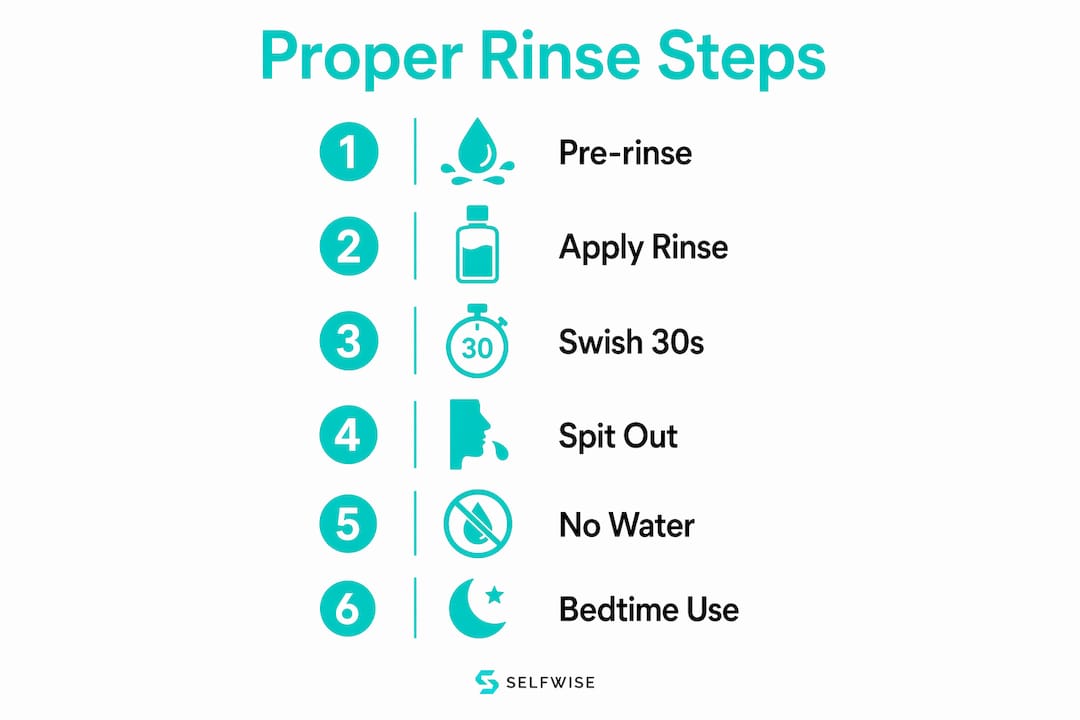
- Brush and floss first. Mechanical cleaning removes bulk plaque and food debris. The rinse then reaches oral tissues directly.
- Rinse with plain water after brushing. Toothpaste ingredients like sodium lauryl sulfate (SLS) interfere with chlorhexidine binding. Clearing them first protects the rinse’s effectiveness.
- Measure 15 ml. Most caps double as measuring cups. Eyeballing the amount leads to under-dosing.
- Swish for 30 seconds. Standard protocols require 15 ml swished for 30 seconds to allow adequate tissue contact.
- Spit, do not swallow. Antiseptic agents are not intended for ingestion.
- Wait 30 minutes before eating or drinking. Skipping this window drastically reduces substantivity and clinical effectiveness. Most people skip this step without realizing it.
Pro Tip: Rinse your mouth with plain water immediately after brushing to clear SLS residue before applying your antiseptic rinse. This single step significantly improves chlorhexidine’s ability to bind to oral tissues.
Timing also matters in terms of when during the day you rinse. Using an antiseptic rinse before bed maximizes its overnight action, since saliva flow drops during sleep and the rinse has more time to work without dilution.
What are the benefits and risks of antiseptic oral rinses?
The benefits of antiseptic mouthwash are well-documented and go beyond fresh breath.
Benefits include:
Antiseptic rinses reduce plaque and gingivitis when used consistently as part of a complete oral hygiene routine. They support gum health by reducing the bacterial load that drives inflammation. After dental procedures, they accelerate healing by controlling post-operative infection risk. Reducing oral inflammation through antiseptic care may also contribute to better systemic health, since chronic oral inflammation is linked to body-wide inflammatory processes.
Risks to know:
Chlorhexidine causes extrinsic tooth staining with extended use. Taste alteration is common and can persist for hours after rinsing. Mucosal irritation occurs in some people, particularly with alcohol-based formulas. Alcohol-based antiseptic rinses cause burning and dryness, and dental experts recommend alcohol-free formulations for anyone with sensitive mouths or dry mouth conditions. Chlorhexidine is not suitable for long-term daily use without dental supervision.
Pro Tip: If you notice persistent burning, dryness, or increased sensitivity after using an antiseptic rinse, stop using it and consult your dentist. These are signals that the formula is not right for your mouth, not signs to push through.
People with active gum disease, those recovering from oral surgery, or those with recurring oral infections benefit most from antiseptic rinses. Healthy adults maintaining good mechanical hygiene may find a gentler, natural rinse sufficient for daily use. The connection between oral health and whole-body wellness is a strong reason to take your rinse choice seriously.
Key Takeaways
Antiseptic oral rinses are therapeutic tools with proven clinical benefits, but only when the right formula is matched to a clear oral health goal and used with correct technique.
| Point | Details |
|---|---|
| Definition matters | Antiseptic rinses kill a broad spectrum of microbes; cosmetic rinses only mask odor temporarily. |
| Ingredient drives outcome | Chlorhexidine offers the strongest action but requires short-term use; CPC and essential oils suit daily OTC maintenance. |
| Technique is non-negotiable | Rinse with water after brushing, use 15 ml for 30 seconds, and wait 30 minutes before eating. |
| Alcohol-free is safer for sensitive users | Alcohol-based formulas cause burning and dryness; alcohol-free options reduce irritation risk. |
| Rinses supplement, not replace, brushing | Antiseptic rinses work best as an adjunct to brushing and flossing, not a substitute. |
Viktor’s take on choosing the right rinse
Most people walk into a pharmacy, scan a wall of mouthwash bottles, and pick the one with the most confident-looking label. I’ve seen this pattern repeatedly, and it leads to one of two outcomes: buying a cosmetic rinse that does nothing therapeutic, or grabbing a chlorhexidine product and using it daily for months without realizing the staining and taste changes are avoidable side effects of misuse.
The real issue is that people use mouthwash without a clear goal. Dental experts call this the paradox of choice in the mouthwash aisle. Therapeutic antiseptic rinses work best when you have a specific clinical reason: active gingivitis, post-surgical recovery, or elevated infection risk. Using them casually as a daily habit without that context often means you are either over-treating or under-treating.
My honest recommendation: coordinate your rinse choice with your dentist. FDA and ADA approvals tell you a product is safe and effective. Your dentist tells you whether it is right for your specific mouth. Those are two different questions, and both matter. If you are looking for a daily maintenance rinse without the harsh side effects of prescription-strength agents, natural formulas built around ingredients like xylitol and nano hydroxyapatite are worth serious consideration.
— Viktor
Natural rinse options from Selfwisebrand
Antiseptic oral rinses serve a real clinical purpose, and so does choosing a formula that fits your daily routine without unnecessary chemicals.
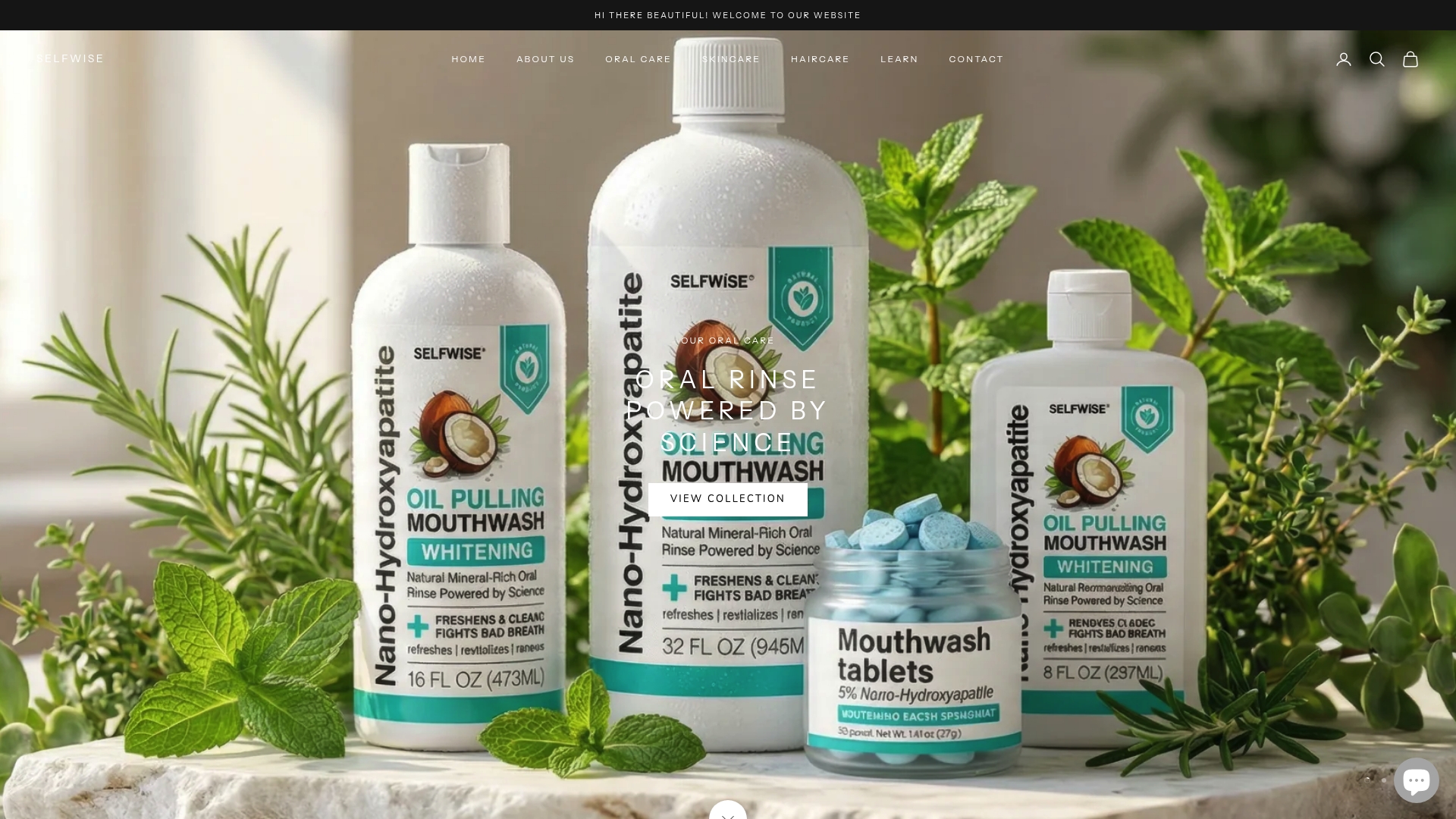
Selfwisebrand offers a mouthwash collection built around natural, fluoride-free ingredients including nano hydroxyapatite and xylitol. The nano hydroxyapatite mouthwash tablets support enamel remineralization and gum health without alcohol or synthetic antiseptics. The oil pulling mouthwash combines traditional oil pulling with nano hydroxyapatite for a gentle daily rinse that supports oral balance. These products are designed for health-conscious people who want real results from simple, clean ingredients. If you are ready to move beyond harsh chemical rinses, the Selfwisebrand mouthwash range is a practical place to start.
FAQ
What is the difference between antiseptic and antibacterial mouthwash?
Antiseptic mouthwash targets a broad spectrum of microorganisms including bacteria, fungi, and viruses. Antibacterial mouthwash targets bacteria only, making antiseptic rinses the broader-acting category.
Is mouthwash an antiseptic?
Not all mouthwash is antiseptic. Cosmetic mouthwashes only mask odor and have no antimicrobial effect. Only therapeutic rinses containing active agents like chlorhexidine, CPC, or essential oils qualify as antiseptic.
How long does an antiseptic oral rinse take to work?
Chlorhexidine provides antimicrobial substantivity lasting 8–12 hours after a single rinse. Consistent use over days and weeks produces measurable reductions in plaque and gingivitis.
Can I use antiseptic mouthwash every day?
OTC antiseptic rinses with essential oils or CPC are generally safe for daily use. Prescription chlorhexidine rinses are intended for short-term use only due to staining and taste side effects.
What is the best antiseptic oral rinse for sensitive mouths?
Alcohol-free formulas are the best antiseptic oral rinse option for sensitive mouths. Dental experts recommend avoiding alcohol-based rinses if you experience burning, dryness, or irritation.