Saltwater Rinse Oral Care Routine: Your Gum Health Guide
A saltwater rinse oral care routine is defined as the regular use of a dissolved salt and water solution as an adjunctive oral hygiene practice to reduce bacteria, soothe gum inflammation, and support healing. Dental research confirms that saline rinses decrease plaque and gingival index scores by dehydrating bacterial membranes through osmotic stress. This makes saltwater one of the most accessible and side-effect-friendly tools in a natural oral care arsenal. Selfwisebrand recommends it as a complement to brushing, flossing, and fluoride-free remineralizing products for anyone building a cleaner, gentler routine.
What are the benefits of adding a saltwater rinse to your oral care routine?
Saltwater rinses work through three distinct mechanisms: osmotic stress on bacteria, pH regulation, and reduction of inflammatory mediators in gum tissue. Each one contributes to a healthier oral environment without the harsh chemicals found in many commercial mouthwashes.
How saltwater fights bacteria and inflammation
Saline creates a mildly alkaline environment that reduces bacterial proliferation and lowers the concentration of inflammatory compounds around the gumline. That alkalinity matters because most harmful oral bacteria thrive in acidic conditions. Shifting the pH even slightly puts them at a disadvantage. Clinical trials show saline rinses produce antimicrobial effects comparable to chlorhexidine, with far fewer side effects.

Chlorhexidine, the gold standard chemical antiseptic in dentistry, causes tooth staining and taste distortion with extended use. Saltwater avoids tooth staining and taste alteration entirely. That makes it the better long-term option for people who want daily or near-daily rinsing without cosmetic trade-offs.
Key benefits of a consistent saltwater oral hygiene routine include:
- Reduced gingival bleeding: Saline rinses lower inflammation markers in gum tissue, which directly reduces bleeding during brushing.
- Lower plaque index scores: Osmotic dehydration of bacterial membranes disrupts biofilm formation before it hardens into tartar.
- Faster wound healing: The mildly alkaline pH supports tissue repair after minor cuts, ulcers, or dental procedures.
- Stabilized oral microflora: Regular rinsing helps maintain a balanced bacterial community rather than wiping it out entirely.
- Sore throat relief: Saltwater rinse for sore throat works by drawing fluid out of swollen tissue, reducing discomfort temporarily.
Pro Tip: If your gums bleed when you brush, add a saltwater rinse immediately after flossing for two weeks. Many people see a noticeable reduction in bleeding before their next dental appointment.
How do you properly prepare an effective saltwater rinse at home?
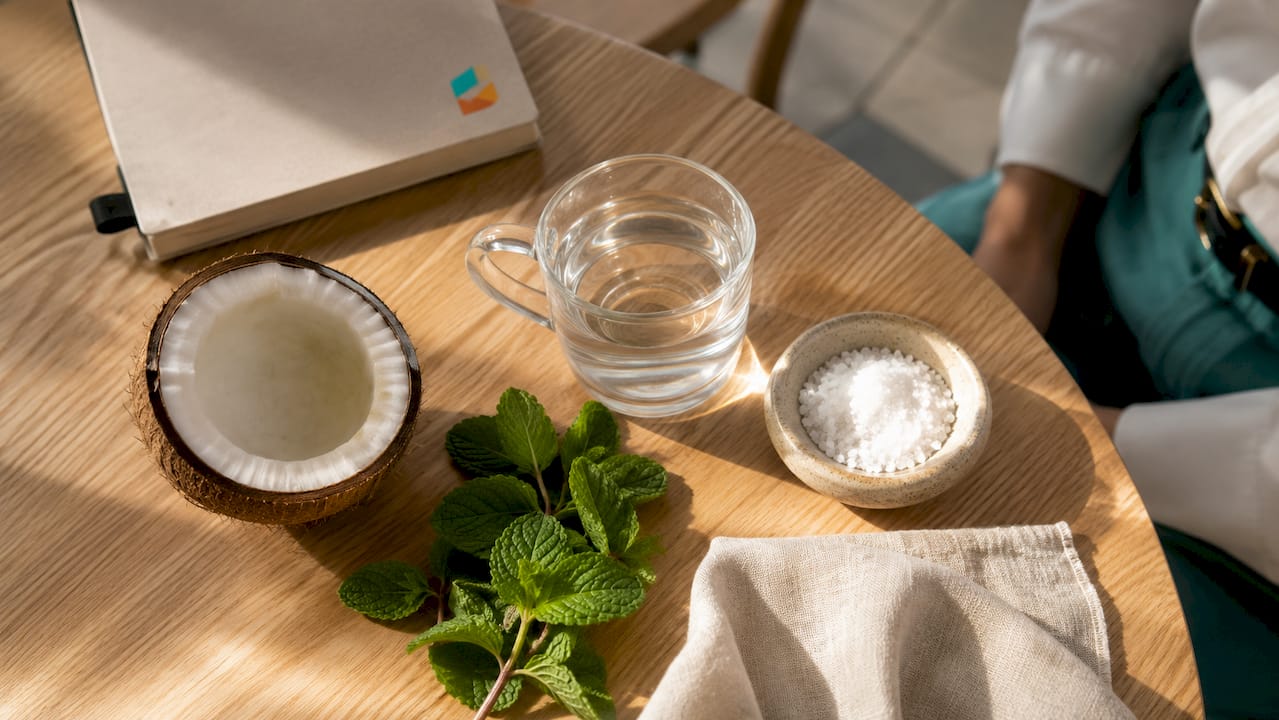
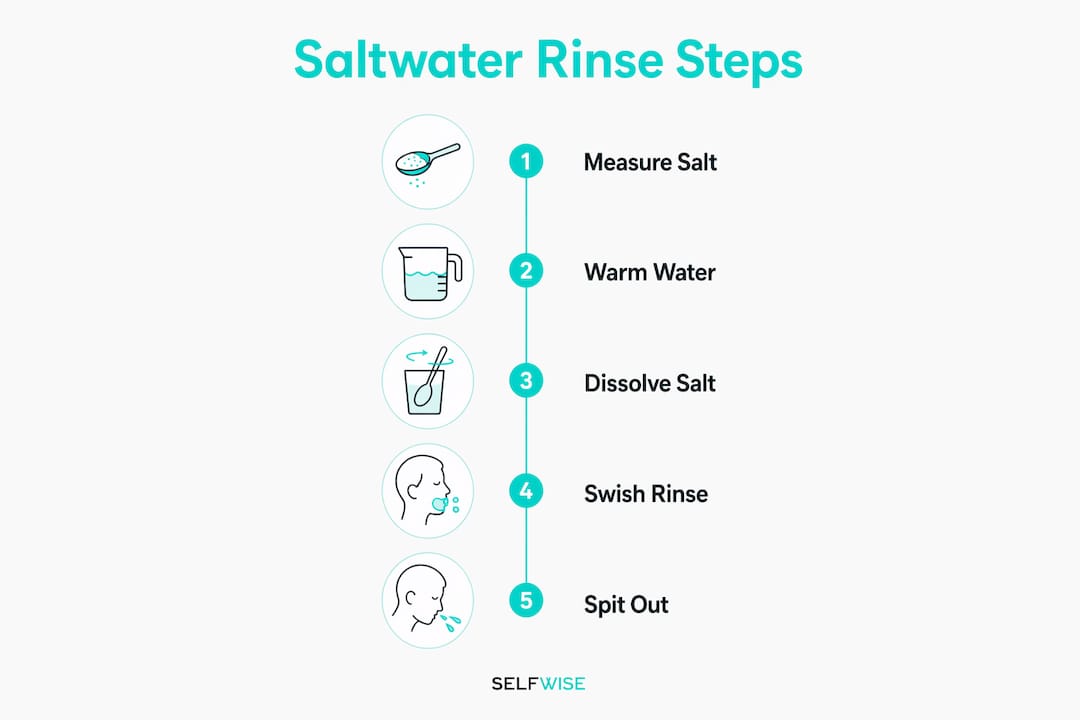
The standard recipe is straightforward: dissolve 1/2 to 1 teaspoon of salt in 8 ounces of warm water. Getting the concentration right matters more than most people realize. Too little salt produces a weak solution with minimal antibacterial effect. Too much salt causes mucosal dryness and tissue irritation, which defeats the purpose entirely.
Choosing the right salt and water
Plain non-iodized table salt works well. Sea salt and kosher salt are also acceptable, but avoid salts with added anti-caking agents or artificial flavors. Iodine in iodized salt is not harmful in small amounts, but it can slightly alter taste and may irritate sensitive tissue with frequent use.
Water temperature plays a real role in comfort and effectiveness. Warm water dissolves salt faster and feels more soothing against inflamed gum tissue. Cold water is harder to tolerate and may cause mild sensitivity in people with receding gums. Distilled or filtered water is the cleanest choice, though tap water is fine for most people.
| Material | Recommended option | Notes |
|---|---|---|
| Salt type | Non-iodized table salt or sea salt | Avoid flavored or anti-caking varieties |
| Water temperature | Warm, not hot | Roughly body temperature for comfort |
| Water source | Filtered or distilled | Tap water acceptable for most people |
| Measuring tool | Standard teaspoon | Accuracy prevents over-concentration |
| Container | Clean glass or cup | Rinse cup immediately after use |
Pro Tip: Mix your rinse fresh each time. Pre-made solutions sitting at room temperature for hours can collect airborne bacteria, especially in a bathroom environment.
How to incorporate saltwater rinses into your daily oral care routine safely?
Timing and frequency determine whether you get the full benefit or accidentally cause irritation. The recommended frequency for general maintenance is 3–4 times weekly. After dental procedures, dentists may increase that to several times daily for a short therapeutic period.
The right sequence in your routine
Saltwater rinsing works best after brushing and flossing, not before. Brushing and flossing mechanically remove plaque and loosen debris. The rinse then flushes loosened debris from areas the brush and floss disturbed. Using it before mechanical cleaning wastes the antibacterial effect on a mouth still full of biofilm.
Follow these steps for a safe and effective session:
- Brush your teeth for two minutes with your preferred toothpaste.
- Floss thoroughly between every tooth and along the gumline.
- Mix 1/2 teaspoon of non-iodized salt into 8 ounces of warm water.
- Take a comfortable sip and swish gently for 30 seconds, focusing on the gumline.
- Spit completely. Do not swallow the rinse.
- Repeat with a second sip if desired, then rinse your mouth with plain water.
Saltwater rinses are an adjunctive therapy, not a standalone treatment. They reduce inflammation and support healing when used alongside brushing and flossing, but they do not dissolve plaque or treat active gum disease on their own. Think of them as a finishing step that extends the benefit of your mechanical cleaning.
Special case: post-surgical rinsing
After oral surgery, the technique changes significantly. Passive swishing is recommended for at least 24–48 hours post-procedure. Aggressive rinsing can dislodge the blood clot protecting the socket, leading to dry socket, a painful and slow-healing complication. Let the solution move gently through your mouth by tilting your head side to side rather than actively swishing.
Gum health also connects directly to cosmetic outcomes. If you are considering whitening treatments, healthy gums before whitening reduce sensitivity and improve results. A saltwater routine in the weeks before treatment is a practical way to prepare.
Common mistakes and troubleshooting when using a saltwater rinse
Most problems with saltwater rinsing come down to two errors: using too much salt or rinsing too aggressively. Both are easy to fix once you know what to watch for.
The most frequent mistakes include:
- Over-concentrating the solution: Too much salt causes mucosal dryness, reduces saliva flow, and can actually worsen bad breath. Start at 1/2 teaspoon per 8 ounces and increase only if you tolerate it well.
- Rinsing too often: Daily rinsing for short periods is generally safe, but multiple sessions every day for weeks can dry out oral tissue. Stick to the 3–4 times weekly maintenance schedule unless a dentist advises otherwise.
- Replacing fluoride toothpaste: Saltwater does not remineralize enamel. Overuse as a replacement for fluoride or nano hydroxyapatite toothpaste leaves enamel unprotected against acid erosion.
- Swallowing the rinse: Swallowing repeatedly introduces excess sodium and the bacteria you just rinsed out. Always spit completely.
- Ignoring persistent symptoms: Saltwater rinses reduce mild irritation. Persistent bleeding, swelling, or pain after two weeks of consistent rinsing signals an underlying issue that needs professional evaluation.
Pro Tip: If the rinse stings noticeably, your concentration is too high or your gum tissue is already irritated. Drop to 1/4 teaspoon of salt per 8 ounces for a week, then gradually increase. The rinse should feel soothing, not sharp.
Pairing your rinse with a natural oral care routine that includes oil pulling or nano hydroxyapatite products gives you a more complete approach to gum health than saltwater alone.
Key Takeaways
A saltwater rinse oral care routine delivers real antibacterial and anti-inflammatory benefits, but only when used at the right concentration, frequency, and timing alongside brushing and flossing.
| Point | Details |
|---|---|
| Correct concentration | Use 1/2 to 1 teaspoon of salt per 8 ounces of warm water to avoid tissue irritation. |
| Optimal timing | Rinse after brushing and flossing to flush debris loosened by mechanical cleaning. |
| Safe frequency | Use 3–4 times weekly for maintenance; increase only under dental guidance. |
| Not a replacement | Saltwater does not remineralize enamel or substitute for fluoride or nano hydroxyapatite products. |
| Post-surgical caution | Use passive swishing for 24–48 hours after oral surgery to prevent dry socket. |
Why I think most people underestimate the saltwater rinse
People dismiss saltwater rinsing as old-fashioned or too simple to be effective. That reaction is understandable. We live in a world of multi-ingredient mouthwashes with long ingredient lists and clinical-sounding names. A pinch of salt in warm water feels almost too basic.
But the research does not support that dismissal. Clinical studies show saline rinses produce antimicrobial effects comparable to chlorhexidine, without the staining or taste disruption. That is a meaningful finding. It means the “simple” option actually performs at a high level, with a better side-effect profile.
What I have found most useful is treating saltwater rinsing as a foundation, not a solution. It creates a cleaner, more balanced oral environment. It does not replace nano hydroxyapatite for remineralization, oil pulling for deeper cleansing, or professional cleanings for tartar removal. But it makes everything else work better. Think of it as clearing the field before the more targeted players do their job.
The one mistake I see most often is people quitting after a week because they do not notice dramatic results. Gum health improvements are slow and cumulative. Two weeks of consistent rinsing after brushing and flossing will show up as less bleeding, less sensitivity, and a cleaner feeling that builds over time. Give it a full month before you judge it.
If you want to go deeper on complementary practices, water flossing combined with a saltwater rinse is one of the most effective combinations I have seen for people dealing with chronic gum irritation. Simple tools, used consistently, outperform complicated routines used inconsistently every time.
— Viktor
Natural mouthwash options that work alongside your saltwater routine
Saltwater rinsing handles inflammation and bacterial control well. What it cannot do is remineralize enamel or deliver the sustained antibacterial coverage that a well-formulated natural mouthwash provides.
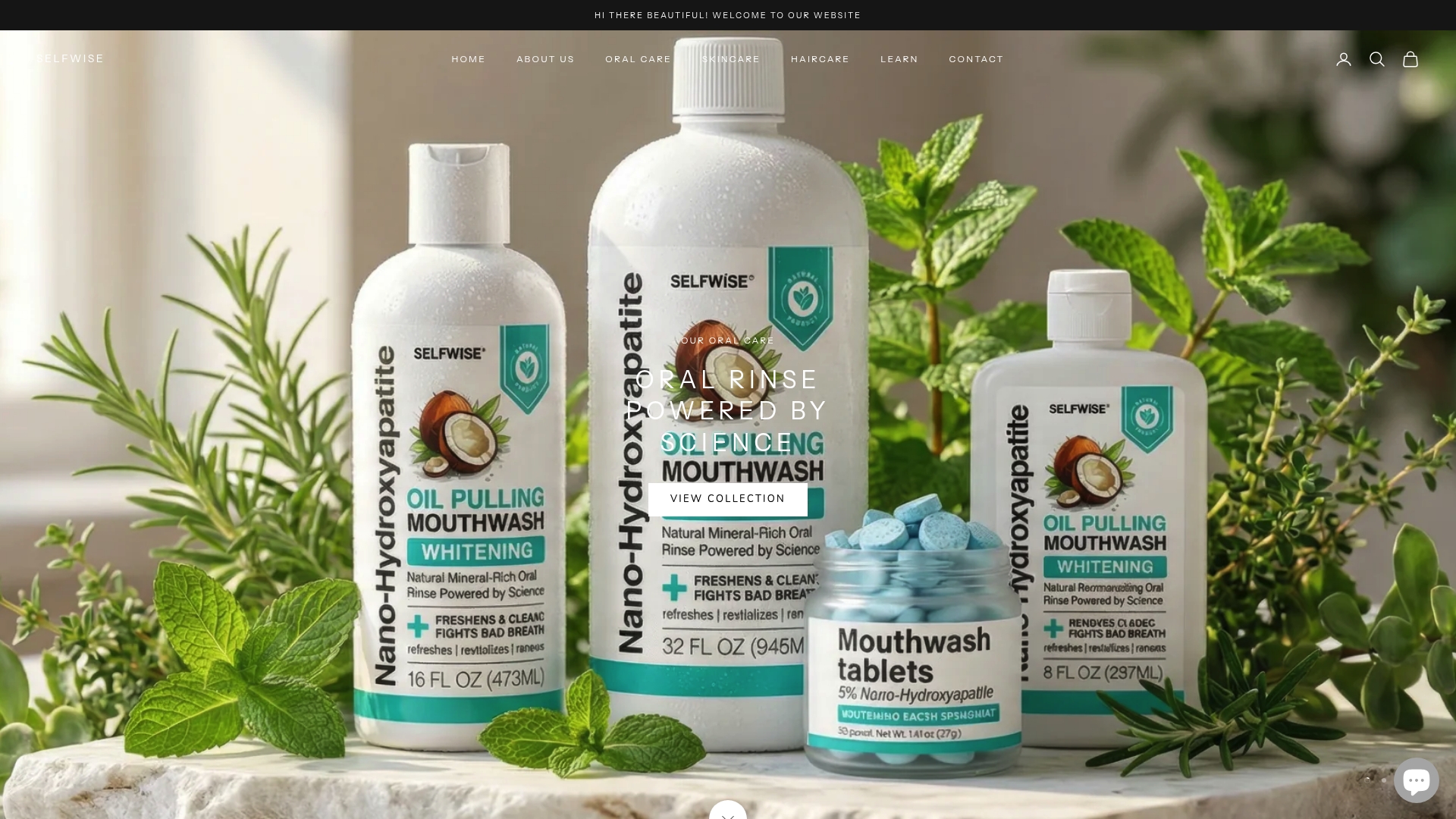
Selfwisebrand’s fluoride-free oral care collection is built around ingredients like nano hydroxyapatite and xylitol, which fill exactly the gaps that saltwater leaves open. The nano hydroxyapatite mouthwash tablets are a practical complement: they remineralize enamel, support a balanced oral microbiome, and use no harsh chemicals. For people building a natural oral care routine from the ground up, pairing a saltwater rinse with a nano hydroxyapatite product covers both the anti-inflammatory and the remineralizing bases. Simple ingredients, real results.
FAQ
What does a saltwater rinse actually do for your gums?
Saltwater creates a mildly alkaline environment that reduces bacterial growth and lowers inflammatory mediators in gum tissue. Clinical research shows it decreases gingival bleeding and plaque index scores with consistent use.
How often should you use a saltwater rinse?
The standard recommendation is 3–4 times weekly for general maintenance. Dentists may advise more frequent use after oral surgery or during acute gum irritation, but daily long-term use can cause mucosal dryness.
Can a saltwater rinse replace mouthwash?
Saltwater rinses are a safe, gentle alternative for mild gum irritation but do not replace fluoride or nano hydroxyapatite mouthwash for enamel protection. Use both as part of a complete oral care routine.
Is saltwater good for a sore throat?
Yes. Saltwater draws fluid out of swollen throat tissue through osmosis, providing temporary relief from discomfort. Gargle gently for 30 seconds and spit; do not swallow.
What happens if you use too much salt in your rinse?
Excess salt causes mucosal dryness, reduces saliva flow, and can worsen bad breath. Start with 1/2 teaspoon per 8 ounces of warm water and increase only if your tissue tolerates it well.