Cosmetic vs Therapeutic Mouthwash: What You Need to Know
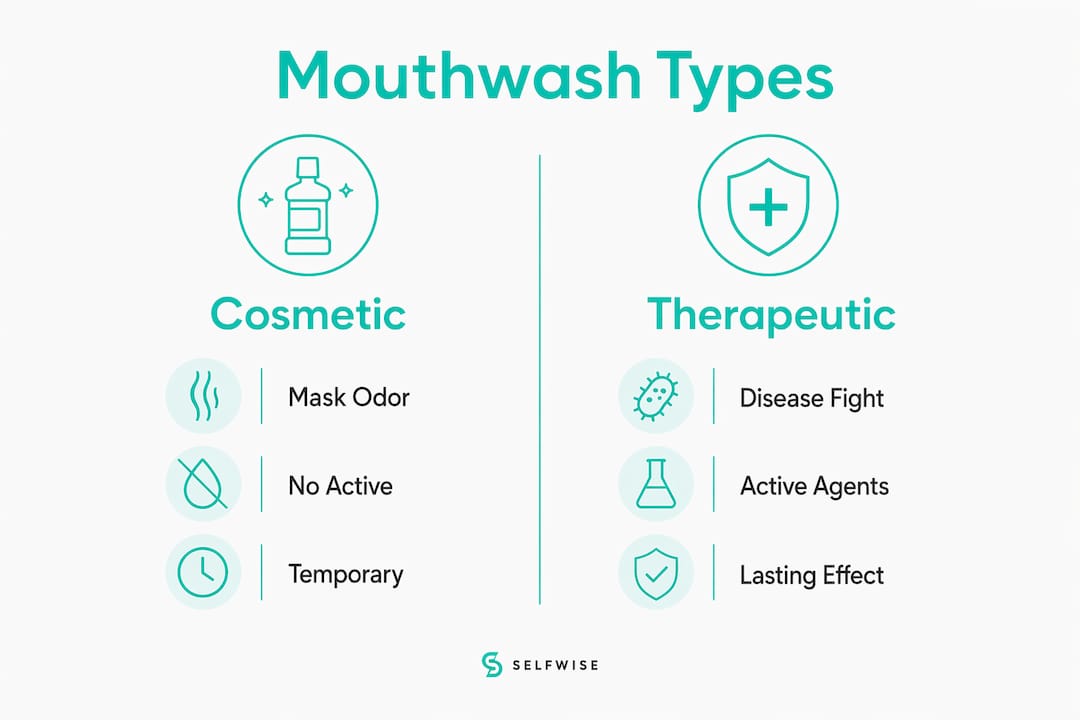
Cosmetic mouthwash is defined as a rinse that freshens breath temporarily without any active disease-fighting ingredients, while therapeutic mouthwash contains clinically proven agents that reduce plaque, gingivitis, or cavities. The U.S. Food and Drug Administration (FDA) classifies these two categories separately: cosmetic products affect only appearance or odor, while therapeutic products change a biological function. Understanding what is cosmetic vs therapeutic mouthwash is the first step toward building an oral care routine that actually does something for your health. Ingredients like chlorhexidine, cetylpyridinium chloride (CPC), and nano hydroxyapatite separate a rinse that works from one that just tastes good.
What is cosmetic vs therapeutic mouthwash and how do they differ?
The core difference comes down to active ingredients. Cosmetic mouthwashes provide temporary breath freshening but lack any biological or therapeutic activity. They typically contain flavorings and phenol, and their effect ends as soon as the rinse wears off. Therapeutic mouthwashes, by contrast, carry active agents that continue working after you spit them out.
The FDA distinction matters because it shapes what a product can legally claim. A cosmetic rinse cannot claim to reduce gingivitis or prevent cavities. A therapeutic rinse can, provided it contains an approved active ingredient at an effective concentration. This regulatory line protects you from products that look clinical but deliver nothing beyond a minty aftertaste.
Both categories have a place in oral care. The problem is that most people buy mouthwash without knowing which type they are purchasing. Reading the “Drug Facts” panel on the back of the bottle tells you immediately. If there is no Drug Facts panel, you are holding a cosmetic product.
What are the active ingredients in therapeutic mouthwash?
Key therapeutic agents with the strongest clinical evidence include chlorhexidine, essential oils, and cetylpyridinium chloride (CPC). Each works through a different mechanism, and each has a specific use case.
- Chlorhexidine binds to oral surfaces and continues killing bacteria for hours after rinsing. Dentists prescribe it most often after periodontal treatment or oral surgery. It is the most studied antiseptic in dentistry.
- Cetylpyridinium chloride (CPC) disrupts bacterial cell membranes and is available over the counter. It reduces plaque and gingival inflammation with consistent use.
- Essential oils (thymol, eucalyptol, menthol, methyl salicylate) work together to penetrate and disrupt the bacterial biofilm that forms on teeth and gums.
- Fluoride at concentrations such as 226 ppm strengthens enamel and reduces cavity risk. Using a fluoride mouthwash after brushing increases salivary fluoride levels, which enhances enamel protection.
- Nano hydroxyapatite is a fluoride-free alternative that mimics the natural mineral structure of enamel. It supports remineralization and reduces sensitivity without synthetic chemicals.
A key concept here is substantivity, which refers to how long an active agent stays effective in the mouth after rinsing. Chlorhexidine has high substantivity. Cosmetic rinses have none. When you choose a therapeutic product, longer substantivity means more time working on your behalf.
Selecting a therapeutic mouthwash should focus on evidence-backed active ingredients matched to your specific oral health risk. Marketing language on the front of the bottle is not a reliable guide.

What benefits and limitations does cosmetic mouthwash offer?
Cosmetic mouthwash does one thing well: it masks bad breath for a short period. That is a legitimate use case, and for people with healthy mouths who just want to feel fresh before a meeting, a cosmetic rinse is perfectly adequate.
The limitations are significant, though. Cosmetic rinses do not reduce plaque, fight gingivitis, or prevent cavities. They contain no active pharmaceutical agents. Common ingredients include alcohol, flavoring agents, and phenol, none of which deliver lasting oral health benefits.
Where cosmetic mouthwash makes sense:
- Before a social event when you need quick breath freshening
- After eating strong-smelling foods like garlic or onions
- As a short-term confidence boost when brushing is not immediately possible
- For children or adults who find therapeutic rinses too harsh
Where cosmetic mouthwash falls short:
- It does not replace brushing or flossing
- It cannot treat active gum disease or reduce plaque buildup
- Alcohol-based cosmetic rinses can dry out oral tissues with regular use
- The freshness effect fades within 30 minutes to an hour
Pro Tip: If your breath returns quickly after using mouthwash, the underlying cause is likely bacteria on the tongue or between teeth. A cosmetic rinse will not fix that. A tongue scraper and consistent flossing will.
Substituting a cosmetic rinse for therapeutic oral care is a common mistake. The bottle looks similar, the experience feels similar, but the outcomes are completely different.
How should you decide when to use mouthwash?
Mouthwash is not a routine requirement for everyone. Experts recommend a risk-driven approach: use therapeutic mouthwash when you have a specific oral health challenge that brushing and flossing alone cannot fully address.
Here is a practical framework for deciding:
- Assess your oral health status. Do you have active gingivitis, high cavity risk, or persistent plaque buildup? If yes, a therapeutic rinse with CPC, essential oils, or chlorhexidine is appropriate.
- Identify your goal. Breath freshening only? A cosmetic rinse is sufficient. Enamel protection? Choose a fluoride or nano hydroxyapatite formula. Gum inflammation? Go with an antiseptic therapeutic rinse.
- Confirm your brushing and flossing routine first. Mechanical plaque removal remains the gold standard. Mouthwash is a targeted adjunct, not a substitute.
- Consult your dentist for prescription-strength options. Chlorhexidine requires a prescription in the United States. If your dentist recommends it, follow the prescribed duration carefully.
- Reassess periodically. Your oral health needs change. A rinse that was appropriate after a dental procedure may not be the right long-term choice.
Pro Tip: If you are unsure which type of mouthwash you need, check whether the product has a Drug Facts panel. That panel confirms it is a therapeutic product regulated by the FDA.
Mouthwash works best as an adjunct for people who struggle to maintain plaque control through brushing and flossing alone. For everyone else, it is optional.
What are the proper usage guidelines and risks of mouthwash?
Timing and frequency matter more than most people realize. Using mouthwash correctly maximizes its benefit. Using it incorrectly can cause real harm.
- Use therapeutic mouthwash no more than twice daily. Using mouthwash more than twice daily increases the risk of hypertension by 85%, likely because it disrupts beneficial oral bacteria involved in blood pressure regulation. That is a striking finding that most mouthwash labels do not mention.
- Spit, do not rinse with water after using fluoride mouthwash. Rinsing with water immediately after dilutes the fluoride and reduces its protective effect on enamel.
- Do not use mouthwash immediately after brushing with fluoride toothpaste. Use it at a separate time, such as after lunch, to maintain fluoride concentration in your mouth throughout the day.
- Choose alcohol-free formulas if you have sensitive tissues. Alcohol-based rinses can cause dryness, irritation, and a burning sensation, especially with daily use.
- Swish for the full recommended time. Most therapeutic rinses require 30–60 seconds of active swishing to deliver their full effect.
“The common ‘spit, don’t rinse’ advice has evolved. Updated clinical guidance now distinguishes between rinsing with water (which dilutes fluoride) and using a fluoride mouthwash at a separate time, which actively increases salivary fluoride and strengthens enamel protection.” Source: Rethinking Rinsing, Dentistry
Overuse of mouthwash can also cause local irritation, altered taste perception, and staining with chlorhexidine. Moderation and correct timing protect you from these side effects while preserving the benefits.
How do natural and fluoride-free mouthwashes fit into these categories?
Natural mouthwashes fall into both categories depending on their ingredients. The label “natural” does not automatically mean therapeutic or cosmetic. What matters is whether the product contains an active ingredient with clinical evidence.
| Type | Category | Key Ingredients | Primary Benefit |
|---|---|---|---|
| Nano hydroxyapatite rinse | Therapeutic | Nano hydroxyapatite | Enamel remineralization, sensitivity reduction |
| Oil pulling mouthwash | Therapeutic | Coconut oil, sesame oil | Plaque reduction, gum health support |
| Herbal breath rinse | Cosmetic | Peppermint, spearmint, clove | Temporary breath freshening |
| Xylitol rinse | Therapeutic | Xylitol | Reduces cavity-causing bacteria, supports saliva flow |
Nano hydroxyapatite supports enamel repair and gum health without fluoride. It is a strong option for people who want therapeutic benefits from a clean ingredient list. Oil pulling with coconut or sesame oil has a long history of use and shows evidence for reducing plaque and supporting gum health.
Cosmetic natural rinses, such as herbal breath sprays or mint-based rinses, still only mask odor. They do not remineralize enamel or fight bacteria. The distinction between cosmetic and therapeutic applies to natural products just as it does to conventional ones. Checking for active ingredients and clinical backing remains the right approach regardless of whether a product is marketed as natural.
For people avoiding fluoride, fluoride-free therapeutic options like nano hydroxyapatite and xylitol provide evidence-based alternatives that support oral health without synthetic additives.
Key Takeaways
Therapeutic mouthwash contains active agents like chlorhexidine, CPC, or nano hydroxyapatite that treat or prevent oral disease, while cosmetic mouthwash only freshens breath temporarily with no lasting clinical effect.
| Point | Details |
|---|---|
| Cosmetic vs therapeutic distinction | Cosmetic rinses mask odor; therapeutic rinses contain active ingredients that fight disease. |
| FDA classification matters | A Drug Facts panel on the label confirms a product is therapeutic and regulated. |
| Overuse carries real risk | Using mouthwash more than twice daily has been linked to an 85% increased hypertension risk. |
| Mouthwash is not universal | Risk-driven use is recommended; brushing and flossing remain the primary tools. |
| Natural options can be therapeutic | Nano hydroxyapatite and xylitol deliver clinical benefits without fluoride or harsh chemicals. |
Viktor’s take on mouthwash: stop letting marketing decide for you
The mouthwash aisle is one of the most confusing spots in any pharmacy. Products look clinical, use words like “advanced protection” and “total care,” and cost as much as a prescription. Most of them are cosmetic rinses dressed up in therapeutic packaging.
What I have found after years of paying attention to oral care research is this: the people who benefit most from therapeutic mouthwash are the ones who already know they have a problem. They have been told by a dentist that their plaque control is poor, or they are managing early gum disease. For them, a rinse with CPC or essential oils is a real tool. For everyone else, it is mostly habit and marketing.
The natural category is where things get genuinely interesting. Nano hydroxyapatite is not a trend ingredient. It has solid clinical evidence for enamel remineralization, and it works without fluoride. That matters for people who are trying to reduce their chemical load without sacrificing results. Oil pulling is similar: the evidence is not as strong as chlorhexidine, but it is real, and the ingredient profile is about as clean as it gets.
My honest recommendation is to treat mouthwash the same way you would any other health tool. Read the label, understand what the active ingredient does, and match it to an actual need. Do not use it twice a day just because the bottle says you can. And do not skip brushing because you rinsed.
— Viktor
Selfwisebrand’s natural mouthwash for real oral health results
Selfwisebrand builds mouthwash around ingredients that earn their place. The nano hydroxyapatite mouthwash tablets deliver enamel remineralization and gum support without fluoride, synthetic dyes, or alcohol. The oil pulling mouthwash combines traditional oil pulling with nano hydroxyapatite for a formula that addresses both plaque and enamel health in one step.
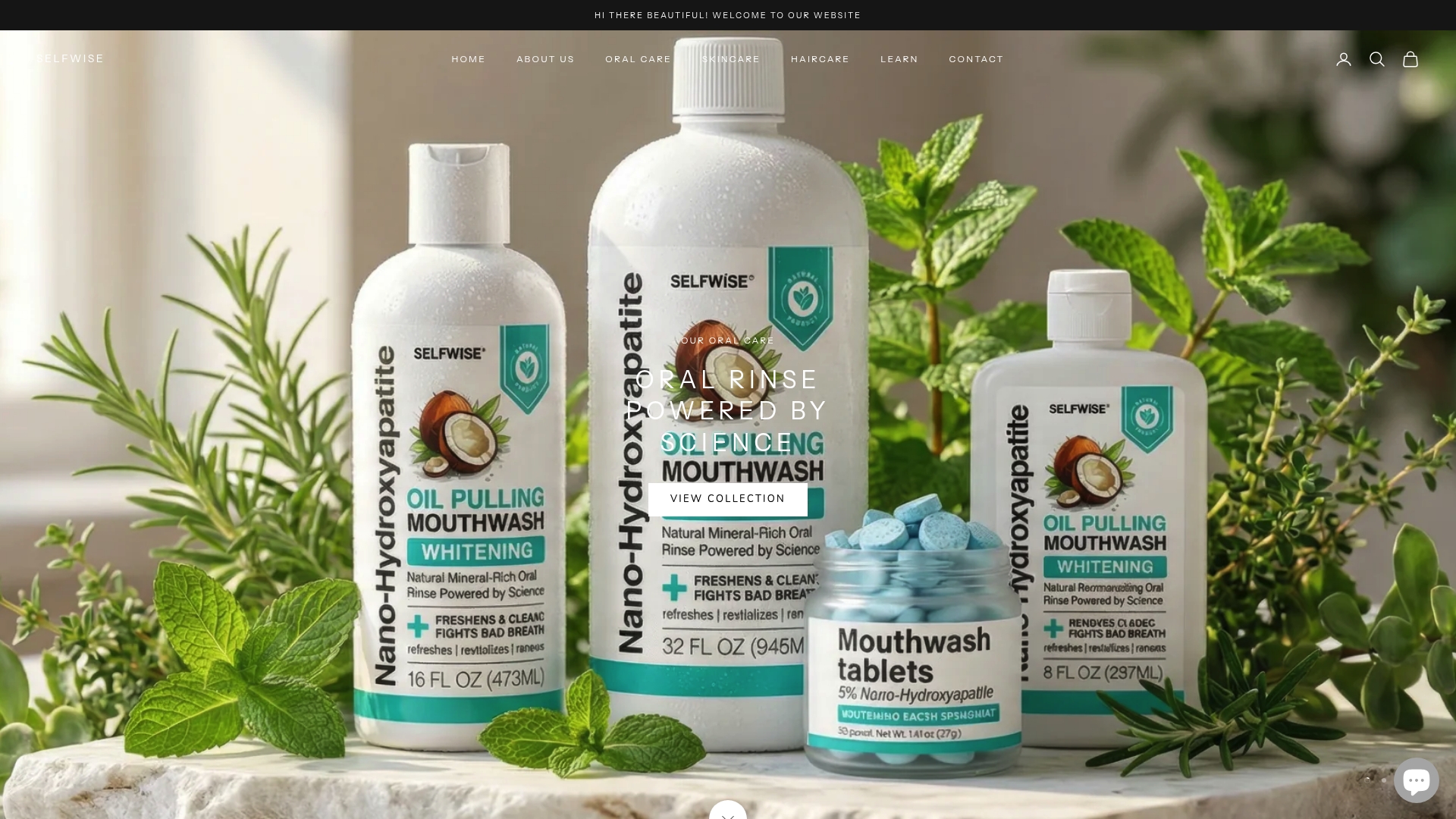
Every Selfwisebrand formula is fluoride-free and built for people who want clinical results from a clean ingredient list. If you are ready to replace a cosmetic rinse with something that actually works, the full natural mouthwash collection is a good place to start.
FAQ
What is the main difference between cosmetic and therapeutic mouthwash?
Cosmetic mouthwash temporarily masks bad breath using flavorings and has no active disease-fighting ingredients. Therapeutic mouthwash contains active agents like chlorhexidine, CPC, or nano hydroxyapatite that reduce plaque, gingivitis, or cavities.
Is mouthwash necessary for good oral health?
Mouthwash is not necessary for everyone. Experts recommend it as a targeted adjunct for people with specific oral health challenges, not as a universal daily requirement.
How often should you use therapeutic mouthwash?
Use therapeutic mouthwash no more than twice daily. Using it more frequently has been linked to an 85% increased risk of hypertension due to disruption of beneficial oral bacteria.
Can natural mouthwash be therapeutic?
Yes. Natural ingredients like nano hydroxyapatite and xylitol have clinical evidence supporting enamel remineralization and cavity reduction, placing them in the therapeutic category despite being fluoride-free.
Should you rinse with water after using mouthwash?
After using a fluoride mouthwash, you should spit and not rinse with water. Rinsing dilutes the fluoride and reduces its enamel-protective effect. For non-fluoride rinses, rinsing with water is generally fine.