What Is Oil Pulling Detox? Benefits, Science, and How to Do It
Oil pulling detox is defined as the practice of swishing an edible oil in the mouth for 15–20 minutes to mechanically reduce oral bacteria, disrupt plaque biofilm, and support gum health. The term “detox” is informal. The recognized clinical term is oil pulling, rooted in Ayurvedic medicine and now studied in peer-reviewed dental research. What oil pulling actually detoxifies is your mouth, not your body. It works by trapping bacteria in an oil-and-saliva emulsion, then spitting them out. Clinical studies confirm it reduces plaque by 18–30% and cuts Streptococcus mutans counts by 20–40% over 2–4 weeks of daily use. That is a meaningful result for a practice requiring nothing more than a tablespoon of oil.
What is oil pulling detox and how does it work in the mouth?
Oil pulling works through two processes: mechanical disruption and saponification. When you swish oil through your teeth and gums, the physical motion breaks apart the sticky biofilm that bacteria use to anchor themselves to tooth surfaces. That alone reduces bacterial load. The chemistry goes deeper.
Saponification involves alkaline hydrolysis of the triglycerides in the oil when mixed with saliva. The result is a soap-like surfactant that binds to the lipid membranes of oral bacteria. Coconut oil is particularly effective here because its lauric acid actively disrupts bacterial cell membranes, targeting species like Streptococcus mutans, the primary driver of tooth decay.
You can see the process working in real time. Oil that starts clear or golden turns milky white during swishing. That color change signals successful emulsification, meaning the oil has mixed with saliva and trapped bacteria inside the emulsion. When you spit, those bacteria leave with it.
The key distinction: oil pulling cleans the oral environment. It does not pull toxins from your bloodstream through the oral mucosa. No scientific basis exists for systemic detoxification through this method. The liver and kidneys handle that job. Oil pulling’s real value is local, specific, and measurable.
Pro Tip: Watch for the milky white color change as your signal that the oil has fully emulsified. If the oil is still clear after 10 minutes, you may not be swishing with enough force or coverage.
What are the real benefits and limitations of oil pulling?
Oil pulling produces real, measurable oral health improvements. The evidence is moderate but consistent across multiple clinical trials.
What the research confirms
Daily oil pulling for 2–4 weeks delivers plaque reduction of 18–30% and a 20–40% drop in Streptococcus mutans counts. Those numbers matter because S. mutans is the bacteria most directly linked to cavities. Reducing its population lowers your decay risk over time.
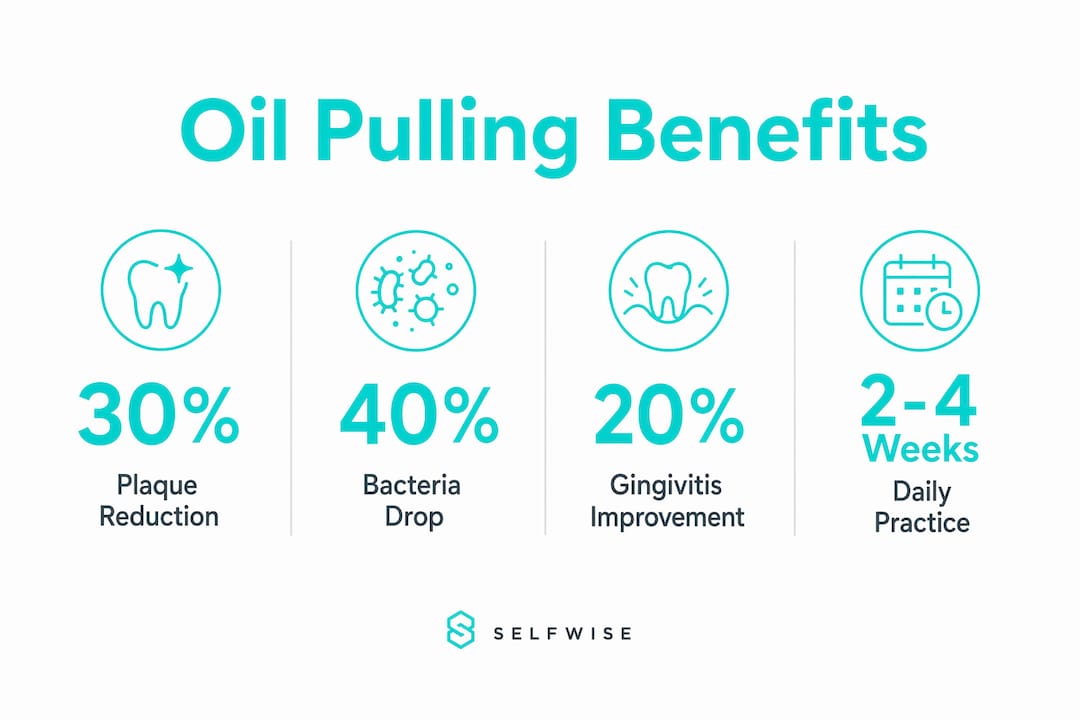
Oil pulling also produces mild improvements in gingival health, with gingivitis markers dropping 10–20% in clinical studies. People who practice it consistently also report measurable improvement in bad breath. These are not dramatic results, but they are real and repeatable.
| Benefit | Clinical evidence level | Approximate improvement |
|---|---|---|
| Plaque reduction | Moderate (multiple RCTs) | 18–30% |
| S. mutans reduction | Moderate | 20–40% |
| Gingival inflammation | Moderate | 10–20% |
| Bad breath reduction | Moderate (subjective) | Meaningful improvement |
| Systemic detox | None | No evidence |
| Tooth whitening | Weak | Minimal to none |
Where oil pulling falls short
Oil pulling is less effective than chlorhexidine mouthwash in head-to-head comparisons, though some short-term studies show comparable plaque reduction. Chlorhexidine remains the clinical gold standard for antimicrobial rinses. Oil pulling does not cure cavities, does not replace fluoride therapy, and does not substitute for brushing or flossing.
Dental professionals note that oil pulling lacks the robust evidence needed for the American Dental Association to recommend it as a primary treatment. The perceived “detox” benefits are largely anecdotal. The actual clinical effects come from mechanical and biochemical biofilm removal, not any systemic cleansing action.
How to do oil pulling correctly: step-by-step instructions
The technique matters as much as the oil you choose. Done correctly, oil pulling is safe, simple, and easy to build into a morning routine.

The best oils for pulling
Three oils have the strongest evidence base:
- Coconut oil: The top choice for most people. Its lauric acid content gives it antimicrobial properties beyond mechanical action alone.
- Sesame oil: The traditional Ayurvedic option, with solid clinical support and a neutral taste.
- Sunflower oil: A good alternative for those who dislike the taste of coconut or sesame oil.
Step-by-step oil pulling instructions
- Do this first thing in the morning, before eating, drinking, or brushing.
- Measure 1 tablespoon of oil and place it in your mouth. Coconut oil may be solid at room temperature. It melts quickly once in your mouth.
- Swish the oil gently through your teeth, around your gums, and across your tongue. Use a push-pull motion, not a vigorous gargle.
- Continue for 15–20 minutes. If you are new to this, start at 5 minutes and add 2 minutes each week until you reach the full duration.
- Spit the used oil into a trash can. Never spit into the sink. Coconut oil solidifies as it cools and will clog your pipes over time.
- Rinse your mouth with water, then brush and floss as normal.
Pro Tip: Do the swishing while you shower or make coffee. The 15–20 minutes passes faster when your hands are busy, and it removes the temptation to quit early.
Pairing oil pulling with a consistent morning oral care routine produces the best long-term results. Oil pulling prepares the oral environment, and brushing removes the loosened debris.
Is oil pulling safe, and how often should you do it?
Oil pulling is safe for most adults when practiced correctly. No serious risks are associated with the practice as long as the oil is not swallowed. Swallowing the used oil is the one thing to avoid. By the end of a 15–20 minute session, the oil contains a concentrated load of bacteria. Spitting it out is the entire point.
Who should approach oil pulling with caution
- People with dental appliances such as braces or bridges should check with their dentist first. The swishing motion can loosen temporary cement.
- People with jaw joint issues (TMJ disorders) may find the sustained swishing motion aggravates discomfort. Starting at 5 minutes and progressing slowly helps.
- Children under 5 should not practice oil pulling due to the risk of accidentally swallowing the oil.
- People with known oil allergies should choose their oil carefully and patch-test if uncertain.
How often to do oil pulling
Daily practice produces the results shown in clinical studies. The 2–4 week timeline for measurable plaque and bacterial reduction requires consistent daily use. Occasional oil pulling produces minimal benefit. Think of it the same way you think about flossing: the habit only works if it is regular.
Jaw fatigue is the most common reason beginners quit. The gradual progression from 5 minutes to the full 15–20 minutes over several weeks solves this. Your jaw muscles adapt, and the practice becomes effortless. Small daily habits like this one, combined with other evidence-based oral care steps, create meaningful long-term results for your smile.
Oil pulling complements mechanical cleaning and works best alongside brushing, flossing, and regular professional dental care. It is an adjunct, not a replacement.
Key Takeaways
Oil pulling detox is a clinically supported adjunctive oral hygiene practice that reduces plaque, lowers harmful bacterial counts, and improves gum health when practiced daily for 15–20 minutes using coconut, sesame, or sunflower oil.
| Point | Details |
|---|---|
| Core mechanism | Oil emulsifies with saliva to trap and remove oral bacteria through saponification. |
| Proven results | Daily use reduces plaque by 18–30% and S. mutans by 20–40% over 2–4 weeks. |
| Best oil choice | Coconut oil leads due to its lauric acid content and antimicrobial properties. |
| Proper technique | Use 1 tablespoon, swish 15–20 minutes on an empty stomach, spit into trash only. |
| Clear limitation | Oil pulling does not detoxify the body systemically and does not replace brushing or flossing. |
Oil pulling is worth doing, but not for the reasons most people think
People come to oil pulling expecting a full-body cleanse. That expectation sets them up for disappointment. The practice does not pull toxins from your blood. It does not whiten teeth dramatically. What it does do is reduce the bacterial population in your mouth in a measurable, repeatable way. That is genuinely useful.
I have followed oil pulling research for years, and the pattern is consistent. The studies that show real results all share the same variables: daily practice, the right duration, and the right oil. People who skip days or quit after a week because they “don’t feel different” are missing the point. Oral health improvements are not felt. They are measured at your next dental cleaning.
What I find most compelling about oil pulling is its position in a broader natural oral care routine. It is not a cure. It is not magic. It is a low-cost, low-risk morning habit that gives your mouth a head start before you brush. When you pair it with a remineralizing mouthwash or a fluoride-free formula built around nano hydroxyapatite, you are building a routine that addresses bacterial load, enamel support, and gum health together. That combination is where the real results show up.
The Ayurvedic tradition got something right here, even if the “detox” framing overstates the mechanism. Treat oil pulling as what the evidence says it is: a solid adjunct to modern oral hygiene, not a replacement for it.
— Viktor
Natural oral care that works alongside oil pulling
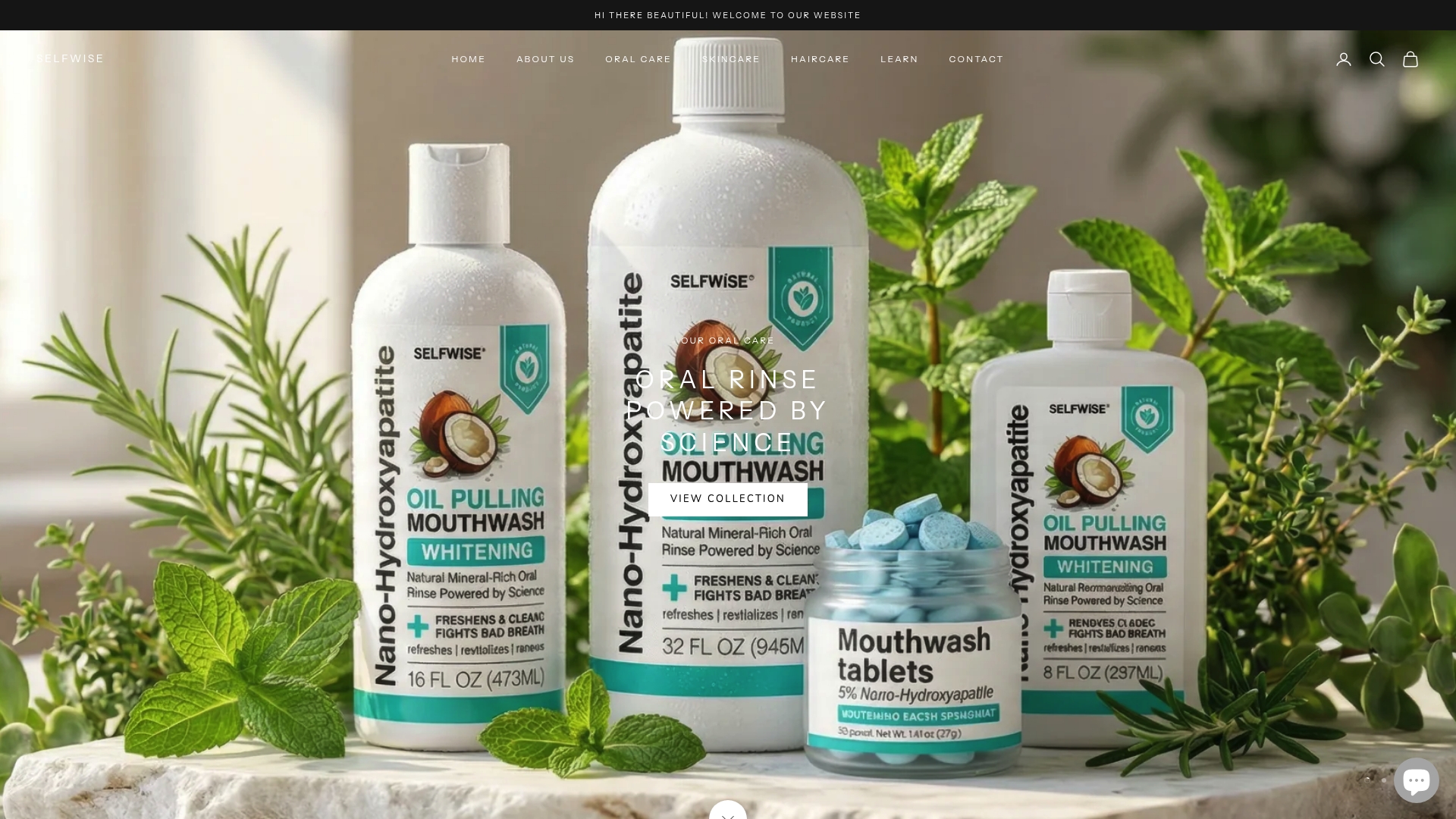
Oil pulling is a strong foundation, but a complete natural oral care routine goes further. Selfwisebrand formulates products specifically for people who want to move away from harsh chemicals without sacrificing results. The nano hydroxyapatite oil pulling mouthwash from Selfwisebrand combines the biofilm-disrupting action of oil pulling with enamel-supporting nano hydroxyapatite in a fluoride-free formula. For a broader look at natural rinse options, the full mouthwash collection covers everything from solid mouthwash tablets to daily rinses built around xylitol and clean ingredients. Simple formulas. Real oral health support.
FAQ
What does oil pulling detox actually do?
Oil pulling mechanically removes bacteria and disrupts plaque biofilm by emulsifying oil with saliva. It improves gum health and reduces bad breath but does not detoxify the body systemically.
Is oil pulling effective compared to regular mouthwash?
Oil pulling is less effective than chlorhexidine mouthwash overall, but clinical studies show comparable short-term plaque reduction in some trials. It works best as a complement to standard oral hygiene, not a replacement.
How long does it take to see oil pulling results?
Clinical studies show measurable plaque reduction and lower Streptococcus mutans counts after 2–4 weeks of daily practice for 15–20 minutes per session.
What is the best oil for oil pulling?
Coconut oil is the most widely recommended option due to its lauric acid content, which disrupts bacterial membranes. Sesame and sunflower oil are effective alternatives with strong traditional and clinical backing.
Can you swallow the oil after oil pulling?
No. The used oil contains a concentrated load of oral bacteria by the end of the session. Always spit it into a trash can, never into the sink, and rinse your mouth with water before brushing.