Tooth enamel explained: Structure, benefits, and natural care
Tooth enamel is the hardest substance your body produces, yet millions of people quietly erode it every single day through habits they consider harmless. The problem isn’t ignorance about dental hygiene. It’s a false confidence that comes from knowing enamel is tough. That toughness creates complacency, and complacency creates cavities, sensitivity, and irreversible damage. Understanding what enamel really is, what makes it tick at the microscopic level, and how natural oral care strategies can support it over a lifetime isn’t just interesting science. It’s the foundation of a genuinely healthy mouth.
Table of Contents
- What is tooth enamel? The foundation and definition
- The microstructure: Why enamel is strong and what threatens it
- What harms and helps enamel: Demineralization, repair, and the myth of ‘regrowth’
- Natural approaches to enamel care: Science-backed tips
- Why most people misunderstand enamel and how to get it right
- Next steps: Integrate natural enamel care into your routine
- Frequently asked questions
Key Takeaways
| Point | Details |
|---|---|
| Enamel’s true nature | Tooth enamel is the mineral-rich, outer shield of your teeth, unmatched in hardness but still vulnerable to acid and wear. |
| Limits of repair | Enamel cannot regrow once lost, but early damage can sometimes be repaired with natural strategies. |
| Best daily practices | Support your enamel by using gentle, low-toxicity products, a mineral-rich diet, and regular oral hygiene. |
| Individual needs matter | Genetics, dietary habits, and brushing techniques all affect how you should protect your enamel. |
What is tooth enamel? The foundation and definition
Now that you see enamel’s legendary toughness is only part of the story, let’s break down what enamel actually is at its core.
Enamel is the outermost layer of your teeth, the protective shell that covers the crown and shields everything beneath it from the daily assault of food, drink, bacteria, and physical force. It is the highly mineralized outer covering that sits above the dentin and pulp, two much softer layers that house your tooth’s nerves and blood supply. When enamel is intact, you feel nothing unusual. When it wears down, those inner layers become vulnerable, and that’s when sensitivity and pain begin.
What makes enamel extraordinary is its composition. It is approximately 96% mineral, primarily in the form of hydroxyapatite, a calcium phosphate crystal. The remaining 4% is split between organic proteins called enamelins and water. This mineral density is why enamel outranks bone on the Mohs hardness scale. Bone sits around 3 to 4, while enamel reaches up to 5.
“Enamel is not living tissue. It contains no cells, no nerves, and no blood vessels. Once it’s gone, your body has no mechanism to rebuild it from scratch.”
Here’s a quick look at how enamel compares structurally to other hard tissues in the body:
| Tissue | Mineral content | Hardness (Mohs) | Self-repair ability |
|---|---|---|---|
| Tooth enamel | ~96% | 5 | Very limited (remineralization only) |
| Dentin | ~70% | 3 to 4 | Partial |
| Bone | ~65% | 3 to 4 | Yes, through remodeling |
| Cementum | ~50% | 2 to 3 | Minimal |
Because enamel has no cells, it cannot repair itself the way bone does after a fracture. The mineral crystal structure that makes it so hard is also the reason it cannot regenerate. This is the single most important fact to internalize when you think about natural oral care basics. Prevention is not a wellness trend here. It is a biological necessity.
The key structural features of healthy enamel at a glance:
- Crystalline mineral rods packed tightly together in organized patterns
- Interrod enamel filling gaps between rods for added cohesion
- No nerve endings, meaning damage can be silent until it’s extensive
- Variable thickness depending on tooth location, ranging from about 2.5 mm at chewing surfaces to near zero at the gumline
The microstructure: Why enamel is strong and what threatens it
With a basic definition in place, it’s essential to understand how enamel’s microstructure is both its best defense and its Achilles’ heel, especially for those aiming for less toxic oral care.
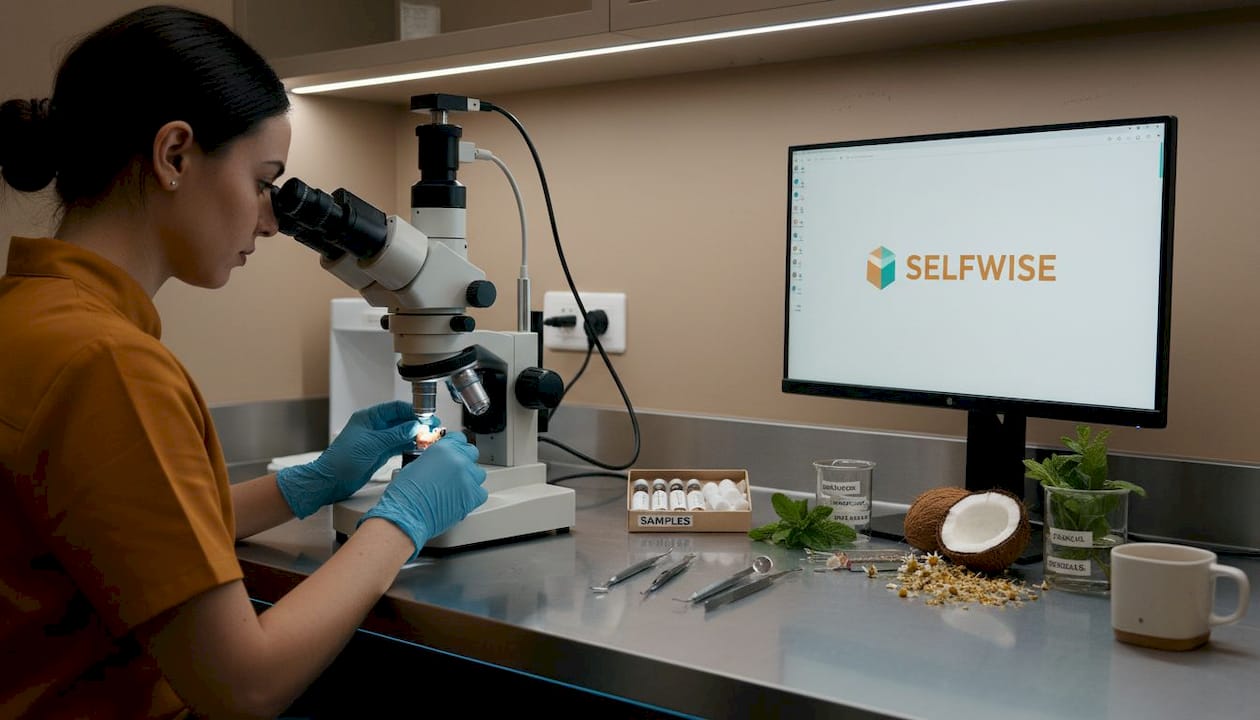
The real genius of enamel isn’t simply that it’s full of minerals. It’s how those minerals are arranged. Enamel rods, also called prisms, are 4 to 8 micrometers in diameter, tightly packed with hydroxyapatite crystallites organized in a keyhole-shaped cross-section. Between these rods sits interrod enamel, bonded tightly to create a solid, continuous structure.
What’s more impressive is the layered organization of these rods. The inner enamel rods are decussated, meaning they crisscross like a sheet of plywood. This alternating direction resists crack propagation. When a crack forms, the misoriented crystals around it deflect the fracture path rather than letting it travel straight through. This is why a tooth can withstand years of chewing forces in the hundreds of Newtons without shattering.
Despite this structural brilliance, enamel has well-defined vulnerabilities:
- Acid exposure drops the oral pH below 5.5, at which point hydroxyapatite crystals begin to dissolve. This is demineralization, and it happens faster than most people realize.
- Abrasive toothpastes physically scratch and thin the enamel surface with every brush stroke.
- Dry mouth removes the buffering action of saliva, leaving acid in contact with enamel longer.
- Acidic foods and drinks including citrus, soda, wine, and even certain smoothies accelerate erosion.
- Bacterial acid production from sugars feeds Streptococcus mutans and other oral bacteria that excrete lactic acid directly onto enamel surfaces.
Here’s a side-by-side comparison of mainstream and natural product approaches to protecting enamel:
| Approach | Main mechanism | Enamel benefit | Toxicity concern |
|---|---|---|---|
| Fluoride toothpaste | Forms fluorapatite, more acid-resistant | Strong | Some users prefer to avoid |
| Nano-hydroxyapatite | Fills micropores, mimics natural mineral | Strong, low-toxicity | Very low |
| Baking soda rinse | Raises oral pH, neutralizes acid | Moderate | Very low |
| High-abrasion whitening paste | Physical polishing | May damage enamel | Moderate |
| Oil pulling | Reduces bacterial load | Indirect support | Very low |
Pro Tip: Switch to a soft-bristle toothbrush if you haven’t already. Even if your toothpaste is gentle, medium or hard bristles can scratch enamel and cause gum recession over time. The force most people apply while brushing already exceeds what’s needed.
When you look at natural enamel-protecting products, the goal is consistent: maintain a pH-neutral oral environment and provide the mineral building blocks enamel needs to stay strong.
What harms and helps enamel: Demineralization, repair, and the myth of ‘regrowth’
Understanding tooth enamel means knowing both its strengths and weaknesses. Let’s look at exactly what helps or hurts your enamel, highlighting natural solutions.
Demineralization begins the moment acid contacts enamel. Below pH 5.5, calcium and phosphate ions start leaving the crystal lattice and dissolving into the surrounding saliva. If this happens occasionally and briefly, saliva can replenish those minerals and reharden the surface in a process called remineralization. If it happens repeatedly or over long periods, the crystal structure deteriorates faster than it can recover.
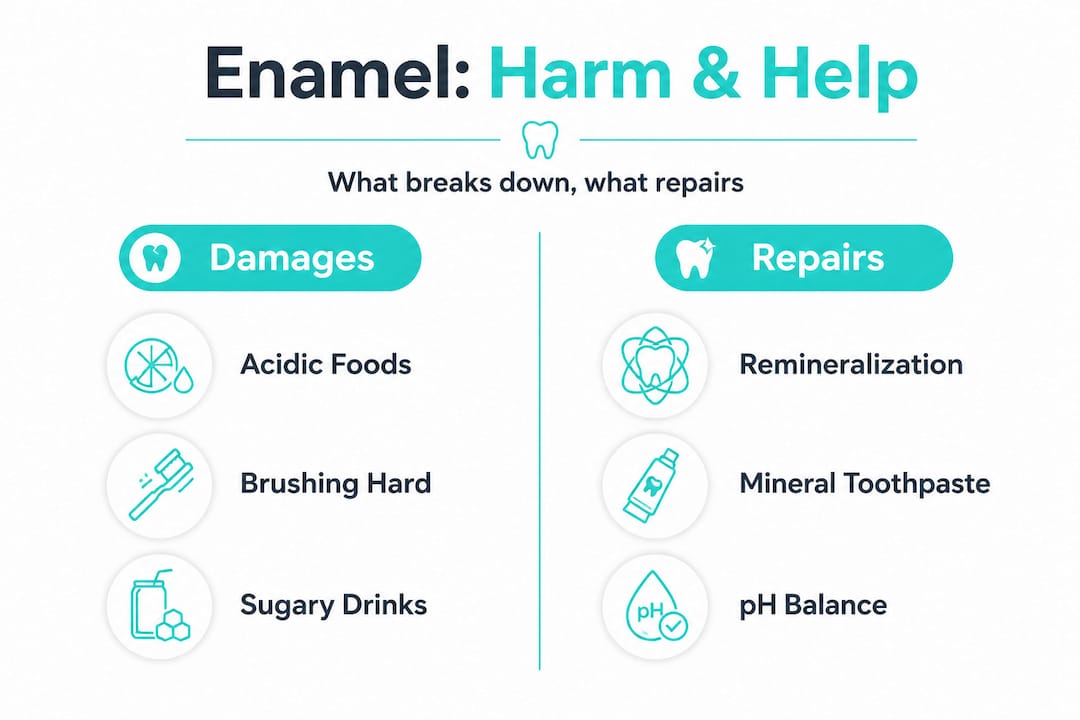
Here’s the critical point that most people get wrong: enamel does not regenerate once destroyed. Remineralization is not regrowth. It’s repair of the crystal surface at a microscopic level, filling in early-stage demineralized spots before they become cavities. Think of it like patching small cracks in a wall rather than rebuilding a collapsed one.
Natural strategies that genuinely support this repair process include:
- Calcium and phosphate-rich foods: Dairy products, almonds, sesame seeds, and leafy greens supply the minerals your enamel needs to remineralize
- Nano-hydroxyapatite (nHA): This synthetic form of the same mineral that makes up enamel can deposit directly into demineralized surface zones, as supported by low-toxicity remineralization paths research
- Saliva stimulation: Chewing xylitol gum after meals increases saliva flow and raises oral pH naturally
- Avoiding acidic foods immediately after enamel insult: Brushing right after eating acidic food accelerates erosion because enamel is temporarily softened
Statistic to know: Studies show remineralization can reverse white spot lesions (early-stage enamel breakdown) in as little as four to twelve weeks when the right minerals are consistently available and acid exposure is reduced.
The fluoride vs. nHA debate is real and worth addressing plainly. Fluoride works by converting hydroxyapatite into fluorapatite, which is more acid-resistant. Nano-hydroxyapatite works by directly replacing the mineral that was lost. For health-conscious users who prefer to avoid fluoride, natural remineralization steps using nHA and diet offer a genuine, science-supported pathway. It’s not about ideology. It’s about understanding your options clearly.
Pro Tip: If you eat something acidic, rinse your mouth with plain water immediately afterward. Wait at least 30 minutes before brushing. This simple habit alone can dramatically reduce the rate of enamel erosion.
Special cases: When enamel isn’t ‘normal’
While most people focus on everyday wear and diet, certain situations create unique challenges for tooth enamel.
Genetics play a much larger role in enamel health than most people acknowledge. Amelogenesis imperfecta is one of the most well-documented examples. This group of inherited disorders causes defective enamel formation from birth, resulting in teeth that are abnormally thin, pitted, or discolored. People with this condition can’t compensate through brushing habits alone because their enamel’s structure is fundamentally compromised at the crystal level.
Physical stress is another underappreciated threat. Most enamel care discussions focus on acids and bacteria, but mechanical force matters too. Oblique loading, the kind of lateral force that happens during teeth grinding (bruxism) or misaligned biting, creates higher cervical strains. Cervical means the area near the gumline, where enamel is thinnest. This can cause subsurface microdamage that weakens enamel from the inside without obvious visible signs.
- Acid reflux (GERD): Stomach acid reaching the mouth creates a chronic acidic environment that conventional advice rarely addresses adequately
- Eating disorders: Repeated vomiting bathes teeth in highly acidic stomach contents, causing severe enamel erosion
- Xerostomia (chronic dry mouth): Often a side effect of medications, this eliminates saliva’s natural buffering capacity
- Premature birth: Can affect enamel development in baby and permanent teeth
“For anyone with structurally compromised enamel, the priority isn’t whitening or freshness. It’s protection, mineralization, and avoiding abrasive products at all costs.”
If you fall into any of these categories, exploring natural toothpaste for sensitive teeth becomes not just a preference but a practical necessity. Low-abrasion, mineral-supporting formulas protect what’s left rather than stripping it further.
Natural approaches to enamel care: Science-backed tips
With the complex science and special cases covered, here’s how to naturally support your enamel day to day.
The great news is that supporting enamel remineralization doesn’t require a complicated protocol. It requires consistency with a handful of evidence-based habits that align naturally with a low-toxicity lifestyle.
- Eat for enamel first. Prioritize calcium-rich foods daily: cheese, yogurt, sardines, kale, and broccoli are all excellent sources. Combine them with phosphate-rich foods like eggs, meat, and nuts to create the full mineral profile enamel needs.
- Choose a genuinely low-abrasion toothpaste. Look for the Relative Dentin Abrasivity (RDA) score. Natural nano-hydroxyapatite pastes typically score under 50. Many popular whitening toothpastes exceed 150. The enamel microstructure’s toughness comes from its internal architecture, not polishing it away.
- Use soft bristles only, with light pressure. Your toothbrush should glide across teeth, not scrub them. Two minutes, twice daily, with a small brush head that reaches every surface.
- Incorporate nano-hydroxyapatite. Whether in toothpaste or a remineralizing mouthwash, nHA is the most direct natural analog to what enamel is made of. It fills surface pores and supports the mineral reservoir your enamel draws from.
- Stimulate saliva actively. Chew xylitol gum after meals. Stay well-hydrated throughout the day. Eat crunchy vegetables, which trigger saliva flow and mechanically clean tooth surfaces.
- Limit acidic drinks between meals. Save your coffee, juice, or kombucha for mealtime rather than sipping continuously. Continuous sipping keeps oral pH suppressed for hours at a time.
Pro Tip: Add a simple pH-neutral natural oral care routine rinse after meals when brushing isn’t possible. It raises mouth pH quickly and disrupts the acid environment that erodes enamel without any brushing required.
Building this kind of routine around real ingredients and genuine science is exactly where oral care products designed with enamel protection as the primary goal make the most practical difference.
Why most people misunderstand enamel and how to get it right
Here’s an uncomfortable truth in the natural health space: enamel is often treated as a binary. Either it’s invulnerable, so people don’t worry about it, or it’s hopelessly damaged, so people focus on aesthetics instead of function. Both views are wrong, and both lead to the same outcome: further erosion.
The real picture is more nuanced and much more actionable. Enamel exists on a spectrum. At any given moment, your enamel surface is either gaining minerals or losing them based on the chemistry in your mouth. Early damage is genuinely reversible. Late-stage damage is not. The difference between those two stages is consistent, early attention.
What’s also worth examining is the false conflict between “natural” and “effective.” We’ve seen it play out repeatedly: health-conscious people reject fluoride entirely and replace it with nothing, or choose a product that feels natural but contains abrasives that thin enamel. True natural oral care isn’t about avoiding all science. It’s about selecting ingredients that are both low-toxicity and genuinely functional. Nano-hydroxyapatite is a perfect example: it’s bioidentical to enamel’s own mineral, non-toxic, and supported by a strong and growing body of clinical evidence.
The most powerful shift you can make is from reactive to preventive. Enamel doesn’t send you distress signals until the damage is significant. That silence is not safety. A daily oral health routine built around mineral support, pH management, and low-abrasion products is what genuine enamel protection looks like in practice. Not miracle toothpaste. Not expensive treatments. Just consistent, intelligent daily habits.
Next steps: Integrate natural enamel care into your routine
Ready to put your knowledge into action? Here’s how Selfwise can make natural enamel care simple and effective.
At Selfwise, every product we formulate starts with one question: does this actually support the biology of a healthy mouth? For enamel, that means mineral delivery, pH balance, and zero unnecessary abrasives or harsh chemicals.
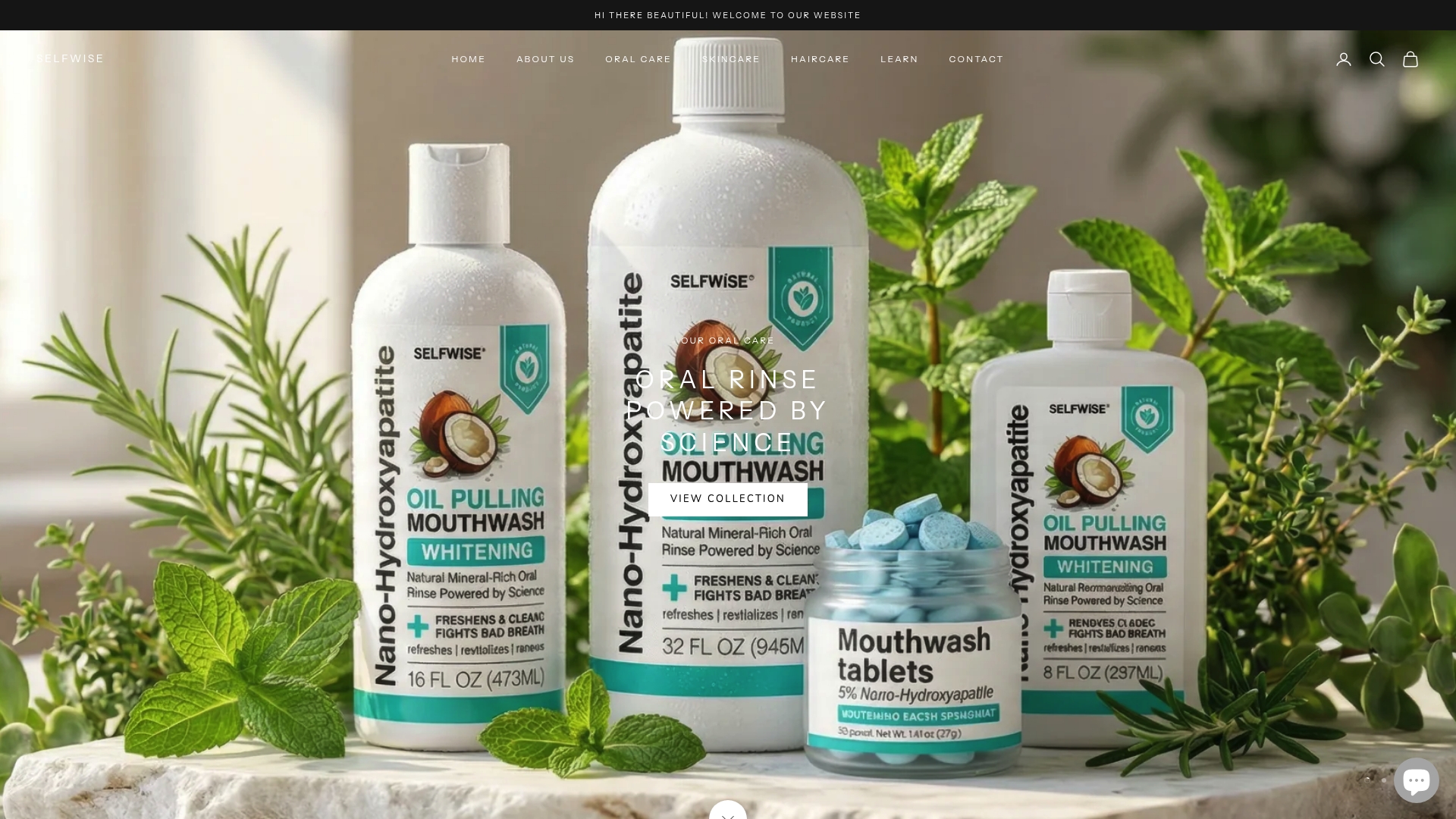
Our nano-hydroxyapatite mouthwash tablets dissolve into a remineralizing rinse that delivers enamel minerals directly to tooth surfaces after every meal, without fluoride, without synthetic foaming agents. If you’re already exploring fluoride-free options and want products grounded in real science rather than marketing claims, our range covers every step of a complete routine. From oil pulling to xylitol-based rinses, you’ll find everything you need in our oral health essentials collection. Simple ingredients. Real results. Your enamel deserves both.
Frequently asked questions
Can tooth enamel be restored naturally?
Enamel cannot grow back once destroyed, but early demineralization is reversible through remineralization using mineral-rich diet, saliva, and ingredients like nano-hydroxyapatite. The key is catching damage before it becomes a cavity.
What foods help strengthen tooth enamel?
Foods high in calcium and phosphate, including dairy, leafy greens, almonds, and eggs, support enamel remineralization by restoring the mineral supply enamel draws from to repair surface damage.
Are fluoride-free products safe and effective for enamel?
Fluoride-free products formulated with nano-hydroxyapatite offer low-toxicity enamel support that mimics the tooth’s own mineral structure, making them a genuinely effective alternative for health-conscious users.
Why is enamel so important for oral health?
Enamel protects teeth from bacteria, acids, wear, and temperature sensitivity. Without it, dentin and pulp are exposed, leading to pain, decay, and potentially tooth loss.
What causes enamel erosion?
Frequent acid exposure from food, drink, or conditions like acid reflux, combined with demineralization below pH 5.5 and aggressive brushing, are the primary causes of enamel erosion over time.