The Role of Polyols in Oral Health: A Natural Guide
Polyols are defined as sugar alcohols that prevent tooth decay by blocking the metabolic pathways cariogenic bacteria need to produce acid. The role of polyols in oral health goes beyond simple sugar replacement. Xylitol, erythritol, and maltitol actively disrupt bacterial growth, shift the mouth toward a neutral pH, and support enamel remineralization. These are non-cariogenic compounds recognized by dental researchers as a scientifically grounded alternative to fermentable sugars. If you want to reduce cavities without harsh chemicals, polyols are one of the most targeted tools available.
How do polyols impact oral bacteria and plaque?
Polyols interfere with the energy system cariogenic bacteria depend on. Specifically, they disrupt the Phosphotransferase System (PTS), which is the mechanism Streptococcus mutans uses to transport and ferment sugars. When xylitol enters this pathway, the bacteria cannot process it. The result is a futile cycle that drains bacterial energy and reduces the bacteria’s ability to colonize tooth surfaces.
What makes this especially useful is the selectivity. Xylitol targets Streptococcus mutans without harming the beneficial bacteria in your mouth. Commensal oral microbes simply cannot metabolize xylitol, so they are unaffected. This means polyols support a balanced oral microbiome rather than wiping it out the way broad antimicrobials do.

Erythritol takes a different route. It passes through bacterial membranes and interferes with growth pathways at a cellular level. Research suggests erythritol prevents plaque more effectively than xylitol in laboratory comparisons, partly because of this membrane permeability. Erythritol also carries a glycemic index of 0–1, making it safe for people managing blood sugar.
Maltitol is less potent against bacteria but still contributes to plaque reduction by replacing fermentable sugars in the diet. Its main value is in food formulations where texture and sweetness matter. For direct antibacterial effect, xylitol and erythritol are the stronger performers.
- Xylitol: Disrupts PTS activity in S. mutans, reduces acid production, and inhibits glucan synthesis that holds plaque together
- Erythritol: Penetrates bacterial membranes, interferes with growth, and shows strong plaque-prevention in lab studies
- Maltitol: Replaces fermentable sugar in products, reducing the substrate available for acid production
- Sorbitol: Functions primarily as a humectant in toothpaste and mouthwash, keeping products moist without feeding bacteria
Pro Tip: When reading product labels, look for xylitol or erythritol listed near the top of the ingredients. Their position signals a meaningful concentration, not just a trace amount added for marketing.
What does clinical evidence say about polyols and cavities?
Clinical studies confirm that consistent polyol use produces measurable improvements in oral health biomarkers. Chewing sugar-free polyol gum three or more times daily reduces caries incidence through two mechanisms: mechanical saliva stimulation and the direct chemical effect of polyols on plaque formation and glucan sucrase activity.
One study tracking maltitol and xylitol chewing gums found that participants showed salivary pH improvement and reduced plaque accumulation within 27 days of consistent use. That timeline matters. Many people expect instant results and quit before the biological shift takes hold.
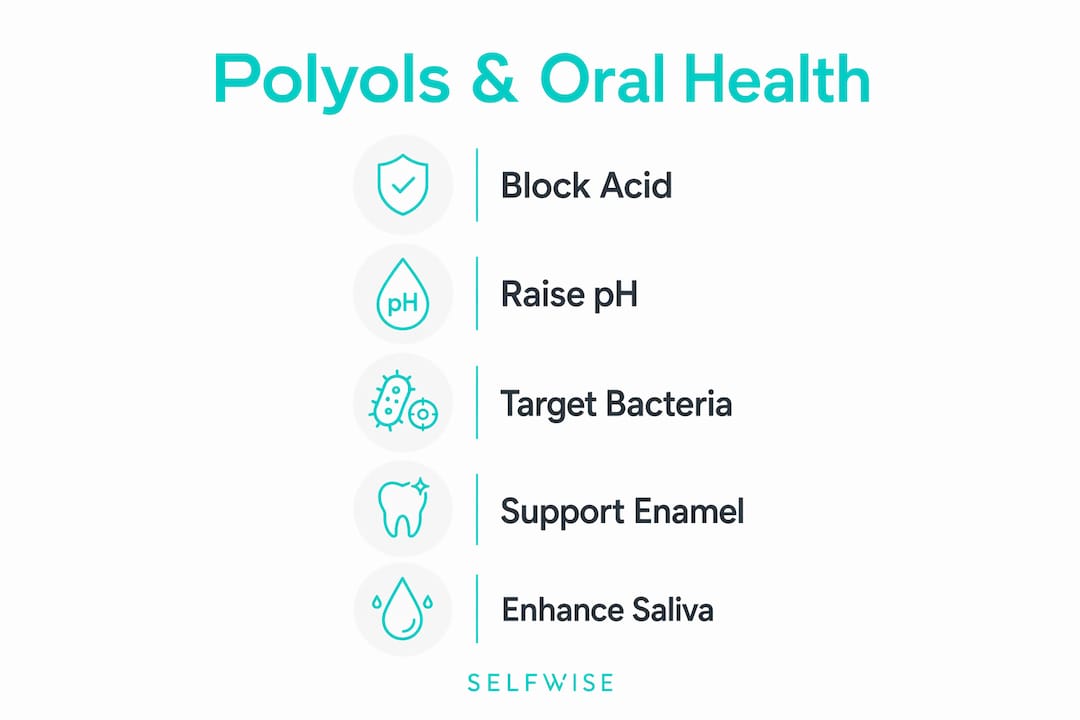
Salivary biomarkers are a reliable way to track progress. Research on maltitol and xylitol gums shows improvements across several key measures:
| Biomarker | Effect of polyol gum use |
|---|---|
| Salivary pH | Rises toward neutral, reducing acid damage |
| Salivary flow rate | Increases, aiding natural enamel remineralization |
| Plaque accumulation | Decreases with regular use |
| Glucan sucrase activity | Reduced, limiting plaque adhesion to teeth |
| S. mutans levels | Lowered through PTS disruption and bacterial starvation |
The frequency and duration of use determine outcomes. Here is what the evidence supports:
- Chew polyol gum at least three times daily, particularly after meals, to maintain consistent antimicrobial polyol levels in saliva.
- Allow at least four weeks of regular use before evaluating changes in plaque or sensitivity.
- Use polyol mouthwash as a complement to gum or toothpaste, not as a standalone replacement.
- Combine polyol use with reduced dietary sugar to remove fermentable fuel for cariogenic bacteria entirely.
Maltitol and xylitol gums both improve salivary parameters beyond what chewing alone achieves. The polyol content adds a chemical benefit that mechanical stimulation cannot replicate on its own.
How to choose polyol-based oral care products
Choosing the right polyol product depends on understanding what each polyol does and how different formats deliver it. Not all products are equal, and formulation quality matters as much as ingredient selection.
Blending polyols produces better results than relying on a single one. Combining xylitol, erythritol, and sorbitol in one formulation balances moisture retention, antibacterial activity, and product stability. Sorbitol keeps toothpaste and mouthwash from drying out. Xylitol and erythritol handle the bacterial inhibition. Together, they cover more ground than any single polyol can.
Product format also affects how polyols reach the teeth and gums:
- Chewing gum: Delivers polyols through saliva stimulation and direct contact with tooth surfaces. Effective for post-meal use.
- Toothpaste: Provides direct application to enamel and gum line. Look for xylitol combined with nano hydroxyapatite for remineralization support.
- Mouthwash: Reaches interdental spaces and soft tissue. Polyol-enriched natural mouthwash options are particularly useful for people prone to dry mouth.
- Lozenges and candies: Convenient but require attention to quantity. Products with more than 10% polyols may require laxative warnings on packaging if consumed in large amounts.
Pro Tip: For mouthwash, choose a formula that lists xylitol or erythritol as active ingredients rather than flavoring agents. The concentration and placement in the formula determine whether you get a dental benefit or just a pleasant taste.
Laxative effects from polyols are uncommon with standard oral care products because you spit rather than swallow. The concern applies mainly to polyol-heavy candies or lozenges consumed in large quantities throughout the day. Reading labels and staying within recommended use keeps this a non-issue for most people.
How to build a daily oral care routine with polyols
A polyol-based oral care routine works best when it follows a consistent schedule and pairs polyols with complementary natural ingredients. The goal is to maintain low bacterial load and a neutral oral pH throughout the day.
- Morning: Brush with a xylitol-containing toothpaste or a fluoride-free formula that includes nano hydroxyapatite. Nano hydroxyapatite fills microcracks in enamel while xylitol addresses bacterial activity simultaneously. This pairing is one of the strongest combinations in natural oral care.
- After meals: Chew polyol gum for 10–20 minutes. This is the highest-impact habit for cavity prevention because it stimulates saliva and delivers polyols directly to tooth surfaces when acid challenge is highest.
- Evening: Rinse with a polyol-enriched mouthwash. Evening use allows polyols to remain in contact with oral tissues overnight when saliva flow naturally decreases.
- Weekly check: Notice changes in sensitivity, plaque texture, and breath freshness after four weeks. These are early signs that the oral environment is shifting in a healthier direction.
Replacing sugar with polyols in your diet compounds the benefit. Removing fermentable sugars starves cariogenic bacteria and shifts the oral environment from acidic to neutral. This creates conditions where natural enamel repair can occur. Polyols alone do not remineralize enamel, but they create the environment where remineralization becomes possible.
Product labels can be confusing. “Sugar-free” does not automatically mean polyol-enriched. Check for xylitol, erythritol, or sorbitol specifically. Some sugar-free products use artificial sweeteners like aspartame or sucralose, which do not carry the same antibacterial properties. Understanding these distinctions helps you build a routine that actually delivers dental health benefits rather than just avoiding sugar.
Key Takeaways
Polyols prevent tooth decay by disrupting cariogenic bacterial metabolism, shifting oral pH to neutral, and supporting enamel remineralization when used consistently across multiple product formats.
| Point | Details |
|---|---|
| Polyols block bacterial acid production | Xylitol and erythritol disrupt PTS activity in S. mutans, preventing the acid that causes cavities. |
| Erythritol leads in plaque prevention | Erythritol penetrates bacterial membranes and shows stronger plaque-prevention than xylitol in lab studies. |
| Consistent use drives results | Chewing polyol gum at least three times daily improves salivary pH and reduces plaque within 27 days. |
| Blended formulas outperform single polyols | Combining xylitol, erythritol, and sorbitol covers antibacterial activity and moisture retention together. |
| Pair polyols with nano hydroxyapatite | This combination addresses both bacterial inhibition and enamel repair for complete cavity prevention. |
Why I think polyols are underrated in natural oral care
Most conversations about natural oral care focus on what to remove: fluoride, alcohol, artificial sweeteners. Polyols deserve more attention for what they actively do. They are not passive substitutes. They interfere with bacterial metabolism at a biochemical level, and that distinction matters.
What I find most compelling is the selectivity. Broad antimicrobials like alcohol-based mouthwash disrupt the entire oral microbiome. Xylitol targets Streptococcus mutans specifically and leaves beneficial bacteria untouched. That is a meaningful difference for anyone trying to support long-term oral health rather than just kill everything and start over.
The challenge consumers face is product quality. Polyols appear on ingredient lists in wildly different concentrations. A product with xylitol listed tenth on the label delivers a fraction of the benefit compared to one where it appears second or third. The industry does not make this easy to decode, which is why understanding formulation basics gives you a real advantage.
The future of natural oral care will involve more precise polyol blends, likely combined with nano hydroxyapatite and other remineralizing agents. That direction is already visible in the better products on the market. The science supports it, and the consumer demand is there. Choosing products that reflect this formulation thinking is the most evidence-based move you can make right now.
— Viktor
Selfwisebrand’s natural oral care lineup
Selfwisebrand formulates oral care products around ingredients that have a clear scientific reason to be there. Polyols like xylitol sit alongside nano hydroxyapatite in products designed to address both bacterial activity and enamel health at the same time.
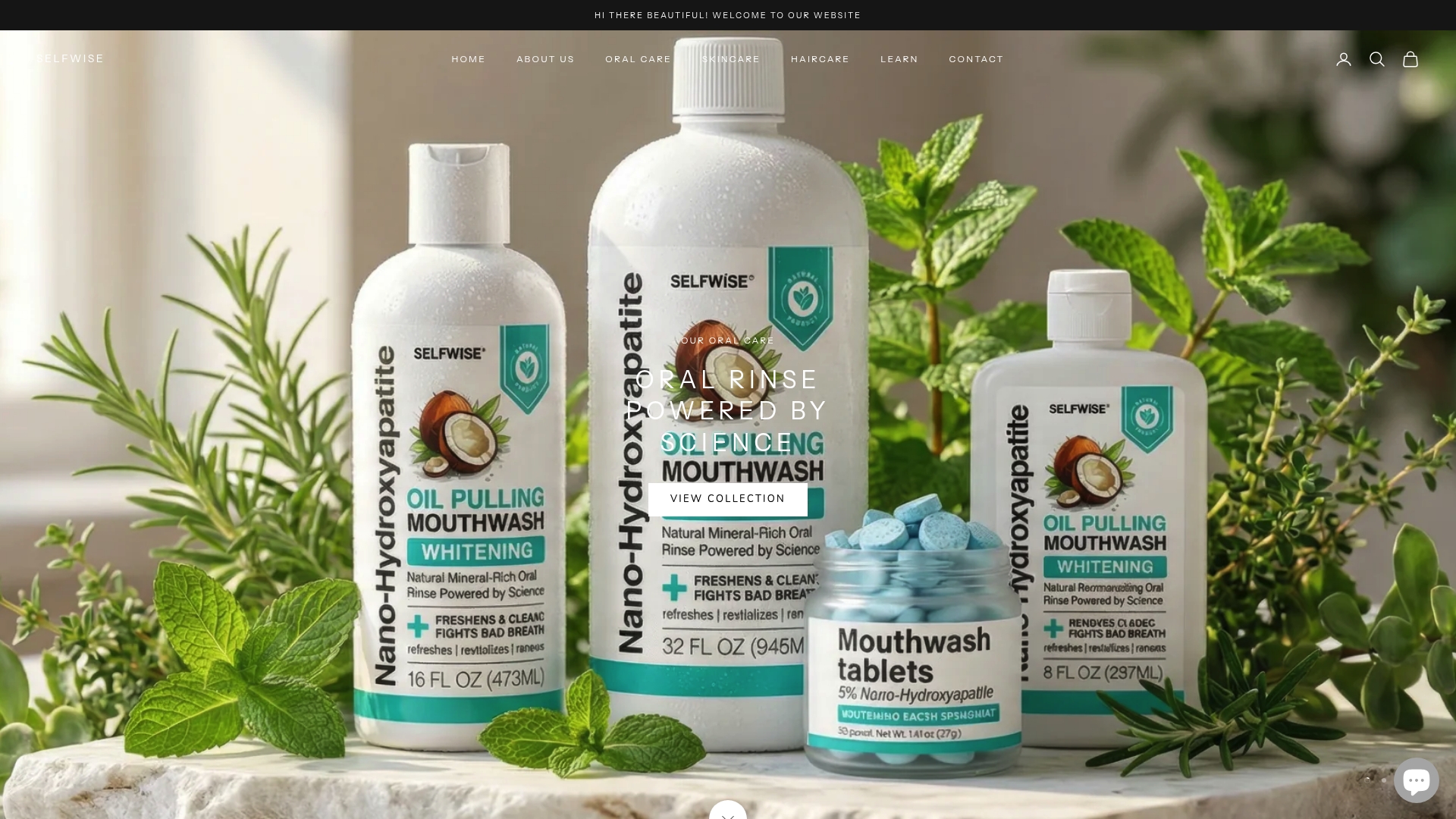
The nano hydroxyapatite mouthwash tablets from Selfwisebrand are a strong starting point for anyone building a polyol-compatible routine. For a broader look at fluoride-free options that pair well with xylitol-based habits, the fluoride-free collection covers toothpaste alternatives and rinses built on the same clean-ingredient philosophy. Simple formulas. Ingredients that earn their place.
FAQ
What are polyols and why do they matter for teeth?
Polyols are sugar alcohols like xylitol, erythritol, and maltitol that oral bacteria cannot ferment into acid. This makes them non-cariogenic, meaning they do not contribute to tooth decay the way regular sugar does.
Do polyols actually reduce cavities?
Yes. Clinical studies show that chewing polyol gum at least three times daily reduces plaque accumulation and improves salivary pH within 27 days, both of which lower cavity risk.
Is erythritol better than xylitol for oral health?
Erythritol shows stronger plaque-prevention in laboratory comparisons due to its ability to penetrate bacterial membranes. Both are effective, and products combining the two offer broader coverage.
Are polyols safe to use every day?
Polyols are safe for daily use in standard oral care products like toothpaste and mouthwash. Laxative effects are only a concern with high-quantity ingestion of polyol-heavy candies or lozenges, not with products you spit out.
Can polyols replace fluoride in a cavity-prevention routine?
Polyols address bacterial activity and oral pH, while nano hydroxyapatite handles enamel remineralization. Together, they form a complete fluoride-free cavity-prevention approach that many health-conscious people now prefer.