The Role of Soothing Agents in Oral Care Explained
Soothing agents in oral care are compounds that reduce irritation, inflammation, and sensitivity in the mouth, supporting tissue comfort and healing. The role of soothing agents in oral care spans everything from calming inflamed gums after brushing to physically blocking exposed dentin tubules that cause sharp tooth sensitivity. These agents include natural ingredients like aloe vera, essential oils, and allantoin, as well as biomimetic compounds like nano hydroxyapatite and hyaluronic acid. Understanding which agent works for which symptom is what separates a routine that actually helps from one that just feels pleasant for thirty seconds.
How do different soothing agents work to improve oral comfort?
Soothing agents work through two distinct mechanisms: chemical and physical. Chemical agents reduce inflammation or fight bacteria at the cellular level. Physical agents create a protective barrier or fill microscopic gaps in tooth structure. Knowing the difference helps you pick the right product for your specific problem.
Chemical soothing mechanisms include:
- Anti-inflammatory action. Essential oils like peppermint and chamomile suppress inflammatory mediators in gum tissue, reducing redness and swelling after irritation.
- Antimicrobial activity. Tea tree oil and clove oil disrupt bacterial cell membranes, lowering the microbial load that triggers gum inflammation in the first place.
- Wound-healing support. Hyaluronic acid reduces pain and promotes faster epithelialization in oral wounds, meaning tissue closes and heals more quickly after ulceration or minor injury.
- Moisturizing and lubrication. Glycerin and carboxymethylcellulose coat dry oral tissues, reducing friction and the burning sensation that comes with xerostomia (dry mouth).
Physical soothing mechanisms include:
- Tubule occlusion. Biomimetic hydroxyapatite physically plugs the open dentinal tubules that cause tooth sensitivity, blocking the fluid movement that triggers pain signals.
- Mucoadhesive film formation. Gels containing hyaluronic acid or carboxymethylcellulose adhere to mucosal surfaces, creating a temporary shield over ulcers or raw tissue.
The distinction matters because using a chemical anti-inflammatory agent on dentin hypersensitivity will not give you the same fast relief as a physical occlusion agent. Formulation type and delivery method affect efficacy as much as the ingredient itself. A gel delivers a mucoadhesive agent to an ulcer far better than a rinse that washes away in seconds.
Pro Tip: Match the agent to the symptom type before buying. Dry mouth calls for lubricating rinses with glycerin or carboxymethylcellulose. Tooth sensitivity calls for hydroxyapatite toothpaste or mouthwash. Gum inflammation calls for essential oil or aloe vera formulations.

What are the best natural soothing agents for gums and teeth?
Natural soothing agents have genuine clinical backing, but their effectiveness depends heavily on concentration, formulation, and realistic expectations about what they can and cannot do.
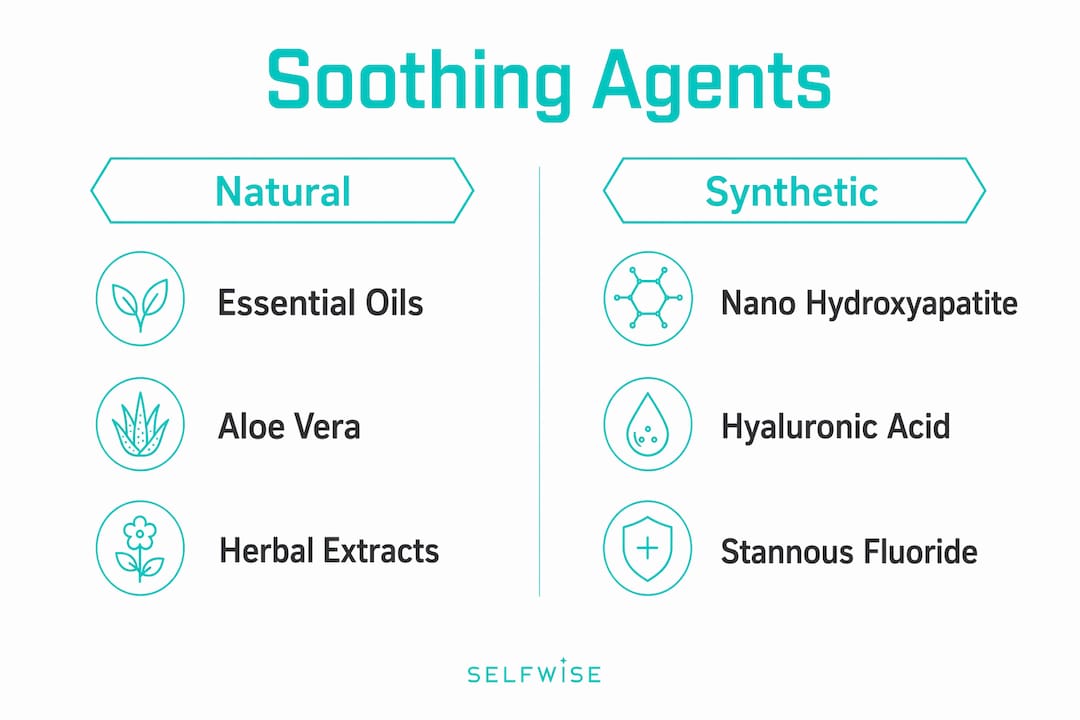
Essential oils are the most studied natural category. Tea tree, peppermint, clove, lavender, chamomile, and myrrh each bring antimicrobial, anti-inflammatory, analgesic, and wound-healing properties to oral care formulations. Clove oil contains eugenol, a compound dentists have used for decades as a topical analgesic. Peppermint oil creates a cooling sensation that temporarily numbs minor irritation. These are not folk remedies. They are compounds with measurable effects on oral tissue.
Aloe vera soothes irritated gums and oral mucosa through its polysaccharide content, which reduces inflammation and supports tissue hydration. The limitation is significant though. Aloe vera supports comfort but does not treat active gingivitis or periodontitis. It helps you feel better. It does not replace scaling, professional cleaning, or consistent plaque removal.
Allantoin is a less-discussed but highly effective natural agent. Allantoin promotes tissue regeneration and moisturizes oral tissues while reducing inflammation, making it particularly useful in toothpastes and gels designed for sensitive or compromised gums. It is gentle enough for daily use and works well alongside other soothing ingredients.
Natural does not mean unregulated or automatically safe. Essential oils require controlled dilution and standardized formulations to deliver benefits without causing irritation or sensitization. Undiluted tea tree oil applied directly to gum tissue can cause chemical burns. Always choose products where concentration and formulation have been professionally managed.
Pro Tip: When selecting natural oral care products, look for specific ingredient concentrations on the label. A product listing “tea tree oil” without any indication of percentage or standardization offers no guarantee of efficacy or safety.
How do biomimetic and synthetic soothing agents enhance oral care?
Biomimetic agents are designed to mimic or integrate with the body’s own structures. In oral care, this category produces some of the most clinically impressive results for sensitivity and wound healing.
Nano hydroxyapatite is the standout example. Hydroxyapatite is the mineral that makes up 97% of tooth enamel. The nano-sized version penetrates and physically occludes dentinal tubules with measurable speed. A randomized controlled trial found that biomimetic hydroxyapatite reduces sensitivity with effects apparent as soon as 30 seconds after use. That is not a gradual desensitizing effect built over weeks. It is immediate physical relief, which is why it outperforms many traditional sensitivity treatments for acute discomfort. You can explore hydroxyapatite mouthwash options that use this mechanism for daily sensitivity management.
Hyaluronic acid (HA) works differently. It is a naturally occurring glycosaminoglycan found in connective tissue, and in oral care gels it accelerates wound healing by reducing inflammation and supporting new tissue formation. The clinical evidence focuses on short-term benefits. HA gels are most effective immediately after oral surgery, ulcer formation, or tissue trauma. Long-term use as a preventive agent has less evidence behind it.
Stannous fluoride occupies an interesting middle ground. It provides the cavity-prevention benefits of fluoride while also reducing gingival inflammation through its antimicrobial activity against the bacteria that cause gingivitis. It is both a soothing agent and a protective one, which makes it a practical choice for people managing both sensitivity and early gum issues.
| Agent | Primary mechanism | Best for | Evidence strength |
|---|---|---|---|
| Nano hydroxyapatite | Physical tubule occlusion | Dentin hypersensitivity | Strong (RCT, 2025) |
| Hyaluronic acid | Wound healing, anti-inflammatory | Oral ulcers, post-procedure | Moderate (short-term) |
| Essential oils | Antimicrobial, anti-inflammatory | Gum irritation, fresh breath | Moderate (review-level) |
| Allantoin | Tissue regeneration, moisturizing | Sensitive gums, dry tissue | Moderate (formulation data) |
| Glycerin/CMC | Lubrication, moisture retention | Dry mouth (xerostomia) | Strong (clinical consensus) |
Pro Tip: For dentin hypersensitivity, choose a product where nano hydroxyapatite is listed as a primary active ingredient, not a trace addition. The physical occlusion effect depends on sufficient concentration reaching the tubule surface.
How to choose and use soothing agents effectively in your routine
Choosing the right oral care comfort solution starts with identifying your primary symptom. Practitioners distinguish oral comfort issues by symptom type, and the right agent for dry mouth is not the right agent for tooth sensitivity.
-
Identify your primary symptom. Xerostomia (dry mouth) requires lubricating, alcohol-free rinses. Oral ulcers benefit from mucoadhesive gels with hyaluronic acid or allantoin. Dentin hypersensitivity responds best to physical occlusion agents like nano hydroxyapatite.
-
Avoid ingredients that worsen your condition. Alcohol-containing rinses worsen dryness and irritation in people with xerostomia, despite the temporary fresh feeling they create. This is one of the most common mistakes in self-managed oral care. The product feels like it is working while it is actively making the underlying condition worse.
-
Match the delivery format to the target area. A rinse covers broad mucosal surfaces efficiently. A gel stays on a specific ulcer or gum line for longer contact time. A toothpaste delivers active agents during the mechanical action of brushing, which aids penetration. Formulation and delivery vehicle affect how much of the active ingredient actually reaches the tissue.
-
Use natural agents as support, not substitutes. Aloe vera gel applied to irritated gums after brushing adds comfort and reduces inflammation. It does not replace twice-daily brushing, flossing, or professional cleanings. The natural oral care guide from Selfwisebrand explains how to layer natural ingredients into a routine that includes proper mechanical hygiene.
-
Reassess after two to four weeks. If a soothing agent is working, symptoms should measurably improve. If they stay the same or worsen, the product is either wrong for the symptom or the underlying cause needs professional attention.
Pro Tip: See a dental professional if you experience persistent gum bleeding, ulcers that do not heal within two weeks, or sensitivity that worsens despite consistent use of a quality soothing agent. These are signs of conditions that require clinical treatment, not just better product selection.
What common misconceptions should you avoid about oral soothing agents?
Several persistent myths lead people to misuse or over-rely on soothing agents, sometimes at the expense of their actual oral health.
- “Natural means it can replace professional care.” Aloe vera, essential oils, and allantoin are adjuncts. Natural agents support comfort but do not treat active periodontal disease, remove calculus, or reverse established bone loss. They work alongside professional care, not instead of it.
- “If it feels soothing, it must be helping.” Alcohol-based rinses feel clean and fresh but actively worsen dry mouth with repeated use. The sensation of relief is not always evidence of therapeutic benefit.
- “Essential oils are safe at any concentration.” Undiluted essential oils can irritate or damage oral mucosa. Safety and standardization matter as much as the ingredient itself. Controlled formulations in commercial products exist for good reason.
- “Soothing agents fix the cause.” They address symptoms. Persistent gum inflammation has a bacterial cause that requires mechanical disruption through brushing and flossing. No rinse or gel removes plaque biofilm on its own.
- “More is better.” Overuse of even well-formulated products can disrupt the oral microbiome or cause sensitization to specific ingredients over time.
Key takeaways
Soothing agents in oral care work through specific chemical or physical mechanisms, and matching the right agent to the right symptom is what determines whether they actually help.
| Point | Details |
|---|---|
| Match agent to symptom | Dry mouth needs lubricating rinses; sensitivity needs hydroxyapatite; ulcers need mucoadhesive gels. |
| Biomimetic hydroxyapatite acts fast | Physical tubule occlusion reduces dentin sensitivity in as little as 30 seconds after application. |
| Natural agents are adjuncts | Essential oils, aloe vera, and allantoin support comfort but do not replace mechanical plaque control or professional care. |
| Avoid alcohol-based rinses for dry mouth | Alcohol worsens xerostomia despite the temporary fresh sensation it creates. |
| Formulation determines efficacy | Gels, rinses, and toothpastes deliver active ingredients differently; the delivery format matters as much as the ingredient. |
What I have learned from watching people build natural oral care routines
The most common mistake I see is treating “natural” as a single category with uniform benefits. Someone reads that aloe vera soothes gums, buys an aloe vera rinse, and expects it to resolve bleeding gums that have been present for months. When it does not work, they conclude natural oral care does not work. The real problem was a mismatch between the agent and the condition.
The people who get the best results from natural and biomimetic soothing agents are the ones who treat their oral care routine like a system. They use nano hydroxyapatite for sensitivity because the mechanism is specific and fast. They use essential oil formulations for gum support because the antimicrobial effect is real and well-documented. They use lubricating, alcohol-free rinses because they understand that the wrong rinse can actively cause harm.
What I find genuinely underappreciated is allantoin. It appears in plenty of skincare formulations but rarely gets discussed in oral care conversations despite having solid tissue-regenerating and moisturizing properties. If you have chronically sensitive or easily irritated gum tissue, look for it in your toothpaste or gel.
The other thing worth saying plainly: soothing agents are not a substitute for seeing a dentist. They are a meaningful part of a daily routine. They are not a clinical intervention. If your gums bleed consistently, if you have persistent ulcers, or if sensitivity is getting worse rather than better, a product is not the answer. A professional assessment is.
— Viktor
Build your routine with Selfwisebrand’s soothing oral care products
If you want to put these principles into practice, Selfwisebrand has built its product line specifically around the soothing agents that have the strongest evidence behind them.
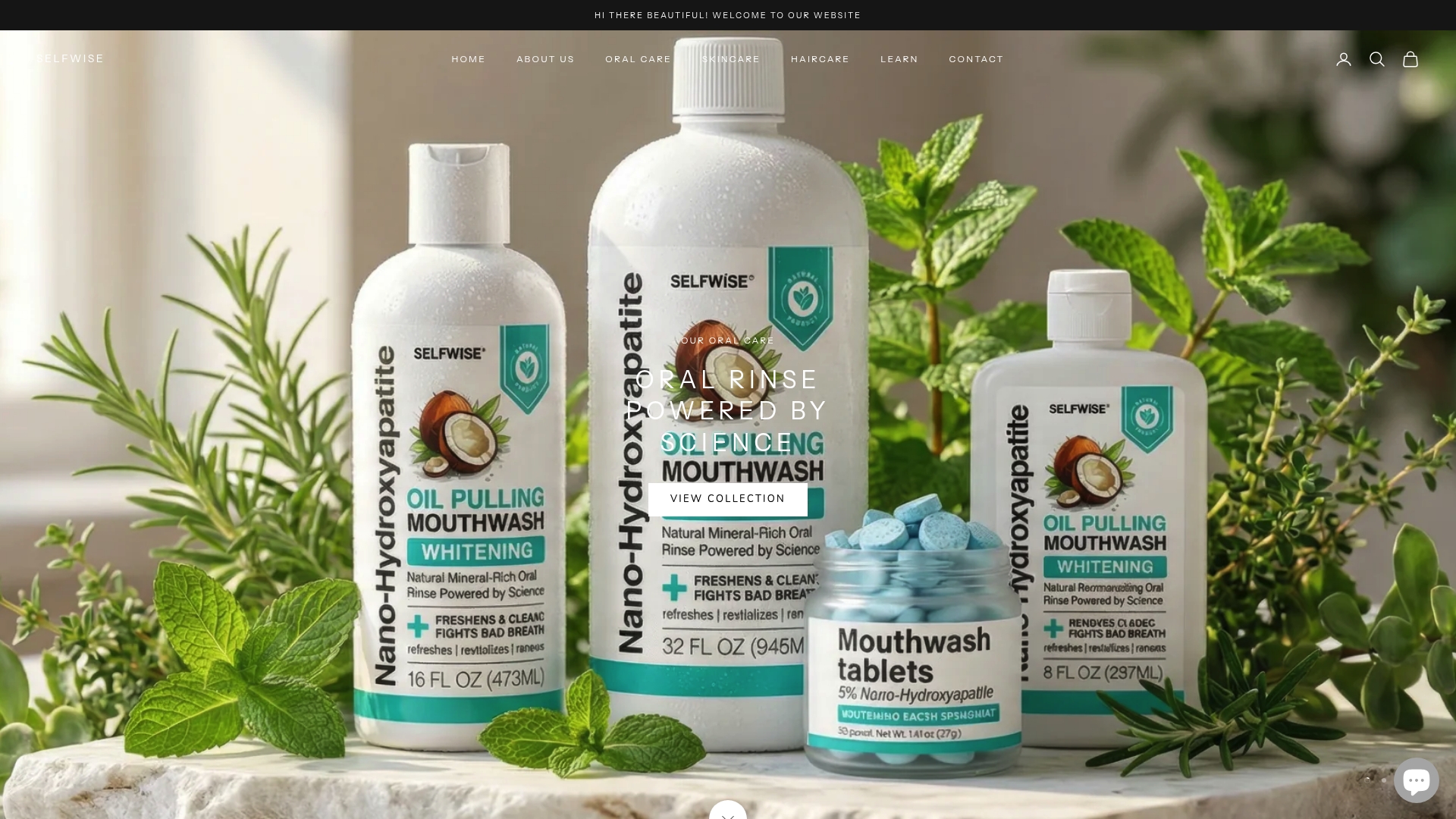
The nano hydroxyapatite mouthwash tablets deliver biomimetic hydroxyapatite in a fluoride-free, alcohol-free format designed for people with sensitive teeth and gums. The oil pulling mouthwash combines natural soothing ingredients with enamel-supporting nano hydroxyapatite for a daily routine that addresses both comfort and remineralization. Both products are formulated without harsh chemicals, so they support your oral tissues rather than working against them. Browse the full mouthwash collection to find the right fit for your routine.
FAQ
What are soothing agents in oral care?
Soothing agents in oral care are ingredients that reduce irritation, inflammation, and sensitivity in the mouth. They include natural compounds like aloe vera, essential oils, and allantoin, as well as biomimetic agents like nano hydroxyapatite and hyaluronic acid.
How does nano hydroxyapatite soothe sensitive teeth?
Nano hydroxyapatite physically occludes the open dentinal tubules that cause tooth sensitivity, with research showing measurable relief in as little as 30 seconds after use. This physical mechanism works independently of any anti-inflammatory activity.
Can essential oils replace professional gum treatment?
Essential oils are adjuncts to oral care, not replacements for professional treatment. They reduce bacterial load and inflammation but cannot remove calculus or treat established periodontal disease on their own.
Why should people with dry mouth avoid alcohol-based rinses?
Alcohol-containing mouthwashes worsen xerostomia by further drying oral tissues despite the initial fresh sensation. People with dry mouth benefit from alcohol-free, pH-neutral rinses containing lubricating agents like glycerin or carboxymethylcellulose.
How long should you use a soothing oral care product before expecting results?
Most soothing agents show symptom improvement within two to four weeks of consistent use. If symptoms persist or worsen after that period, the product may be mismatched to the condition or the underlying cause requires professional evaluation.