Gentle Oral Rinse Ingredients Examples for Sensitive Mouths
A gentle oral rinse is defined as a mouth rinse formulated without alcohol, sodium lauryl sulfate, or other harsh surfactants that disrupt the natural oral microbiome. The best gentle oral rinse ingredients examples include aloe vera, xylitol, glycerin, chamomile, nano-hydroxyapatite, and mild essential oils like peppermint and spearmint. These natural mouthwash components work together to soothe sensitive gums, remineralize enamel, and reduce harmful bacteria without burning or drying oral tissues. If traditional mouthwash leaves your mouth feeling raw or dry, the problem is almost always the ingredient list, not the rinsing habit itself.
1. Core gentle oral rinse ingredients examples
Dental practitioners recommend natural ingredients like aloe vera, xylitol, glycerin, and chamomile for mild, irritation-free oral rinses. Each ingredient plays a distinct role, and understanding those roles helps you choose or build the right formula for your mouth.
Aloe vera delivers anti-inflammatory and soothing effects directly to irritated gum tissue. It reduces redness and calms the mucosal lining without stripping protective layers. The role of soothing agents in oral care is well documented, and aloe vera sits at the top of that list for gum sensitivity.
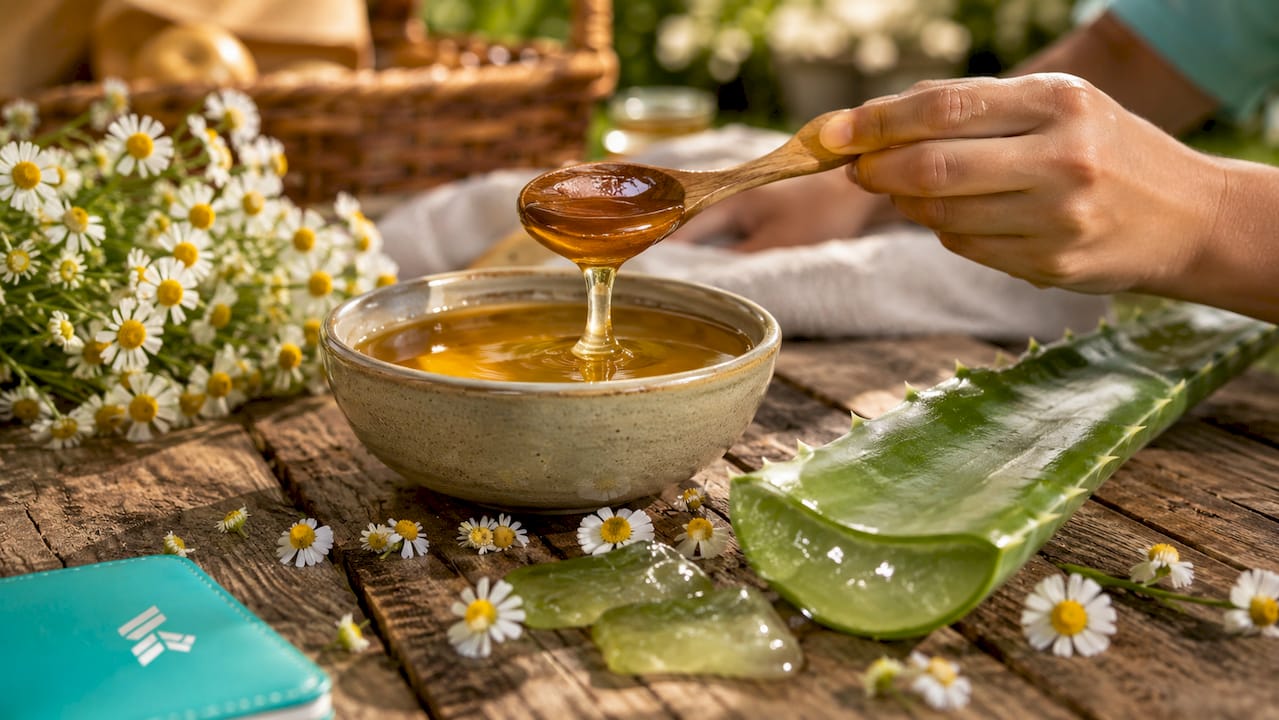
Xylitol is a natural sugar alcohol that competes with harmful bacteria for binding sites on tooth enamel. Xylitol enhances salivary flow and disrupts bacterial metabolism, reducing cavity risk and supporting early enamel rehardening. That makes it one of the most scientifically supported ingredients in any gentle rinse formulation.
Glycerin coats and moisturizes oral tissues, protecting them from dryness. It also acts as a mild preservative in homemade and commercial rinses, extending shelf life without harsh chemicals.
Chamomile brings calming, anti-irritative properties from its flavonoid content. It works well for people whose gums are inflamed from orthodontic hardware, post-procedure sensitivity, or chronic dryness.
Peppermint and spearmint essential oils provide natural antibacterial effects and fresh breath. Menthol and eucalyptol, the active compounds in these oils, control oral bacteria at low concentrations without the burning sensation that stronger formulas cause. The key is concentration: mild blends work well for sensitive mouths, while high concentrations cause the same irritation as alcohol-based rinses.
Nano-hydroxyapatite is the standout ingredient for enamel repair. It is biocompatible, suitable for all ages, and provides enamel remineralization without toxic effects. Selfwisebrand uses nano-hydroxyapatite as a core ingredient in its fluoride-free oral care line for exactly this reason.
What to avoid: Alcohol, sodium lauryl sulfate, and high-concentration hydrogen peroxide are the three ingredients most likely to cause burning, dryness, and mucosal damage. According to Dr. Joyce Kahng, DDS, “gentle” mouthwash means the absence of alcohol and harsh surfactants that disrupt the natural oral microbiome.
Pro Tip: If a rinse lists “alcohol denat.” or “ethanol” in the first five ingredients, it will almost certainly burn sensitive gums. Scan the label before you buy.
2. Homemade mouthwash examples using gentle ingredients
Safe oral rinse ingredients are easy to combine at home. These mild oral rinse recipes use pantry staples and produce effective results for everyday gum care.
-
Salt water rinse. Dissolve half a teaspoon of non-iodized sea salt in eight ounces of warm water. Rinse for 30 seconds and spit. Salt water is antibacterial, draws out inflammation, and costs almost nothing. Use it after dental procedures or whenever gums feel tender.
-
Baking soda and peppermint rinse. Mix a quarter teaspoon of baking soda with eight ounces of water and two drops of food-grade peppermint oil. Baking soda neutralizes acids in the mouth, shifting pH toward a less cavity-friendly environment. Peppermint adds mild antibacterial action and freshens breath.
-
Turmeric and clove rinse. Steep one teaspoon of ground turmeric and two whole cloves in two cups of boiling water for 10 minutes. Strain, cool, and use as a rinse. Turmeric contains curcumin, which has documented anti-inflammatory properties. Clove provides eugenol, a natural antimicrobial compound used in dentistry for decades.
-
Aloe vera rinse. Mix two tablespoons of pure aloe vera gel with eight ounces of distilled water. Shake well before each use. This formula is especially useful for people with canker sores, post-extraction sensitivity, or chronic dry mouth.
-
Diluted essential oil rinse. Add two drops of spearmint or tea tree oil to eight ounces of water. Never use essential oils undiluted in the mouth. Diluting mouthwash 50/50 with water effectively reduces burn without compromising antibacterial benefits.
Storage and safety: Homemade rinses without preservatives last 24–48 hours at room temperature. Store them in a sealed glass jar in the refrigerator to extend freshness. Never use hydrogen peroxide above 1.5% concentration in a homemade rinse. High concentrations damage soft tissue and delay healing.
Pro Tip: Label every homemade rinse with the date and ingredient list. If you share a bathroom, this prevents accidental misuse and keeps your routine consistent.
3. How gentle ingredients support oral health scientifically
The science behind soothing oral care ingredients is clear and growing. Each ingredient in a well-formulated gentle rinse targets a specific biological mechanism.
Nano-hydroxyapatite is the most researched natural remineralizing agent available. A 2026 pH cycling study found that nano-hydroxyapatite at 30% concentration achieves 29.21% remineralization of initial caries lesions in vitro, compared to 27.05% for standard fluoride. That difference is not statistically significant, meaning nano-hydroxyapatite performs on par with fluoride for early enamel repair. For people avoiding fluoride, this is a clinically meaningful alternative.
Xylitol works through two mechanisms. First, it stimulates saliva production, and saliva is the mouth’s primary natural defense against acid and bacteria. Second, harmful bacteria like Streptococcus mutans cannot metabolize xylitol, so they starve and lose their ability to colonize tooth surfaces. Multiple clinical trials confirm xylitol’s anticariogenic effects and its role in early enamel lesion rehardening.
Essential oils like menthol and eucalyptol disrupt bacterial cell membranes at low concentrations. They provide natural antibacterial effects without the tissue damage caused by alcohol. The critical variable is formulation: a rinse with 0.2% menthol behaves very differently from one with 2%.
Aloe vera and chamomile address the inflammatory side of gum disease. Both contain antioxidant compounds that reduce oxidative stress in gum tissue. For people with early gingivitis or post-treatment sensitivity, these botanicals provide measurable relief.
“Alcohol is a major cause of mouthwash burning sensation and tissue dryness. Alcohol-free formulations with cetylpyridinium chloride or essential oils reduce irritation while maintaining antibacterial effects, making them the better choice for sensitive oral tissues.” Aurora Gateway Dental Care
Mouthwash works best as a supplement to brushing and flossing, not a replacement. Rinse for 30 seconds and avoid drinking water immediately afterward to keep therapeutic ingredients in contact with teeth and gums.
| Ingredient | Primary benefit | Mechanism |
|---|---|---|
| Nano-hydroxyapatite | Enamel remineralization | Fills micro-lesions in enamel surface |
| Xylitol | Cavity prevention | Starves harmful bacteria, boosts saliva |
| Aloe vera | Gum soothing | Anti-inflammatory flavonoids |
| Chamomile | Irritation relief | Antioxidant and calming compounds |
| Peppermint oil | Antibacterial, fresh breath | Disrupts bacterial cell membranes |
4. Choosing commercial gentle oral rinses: what to look for
Reading a mouthwash label takes 60 seconds and saves you from weeks of irritated gums. The ingredient list tells you everything you need to know about whether a rinse is truly gentle.
Ingredients to seek:
- Cetylpyridinium chloride (CPC): an antibacterial that controls plaque and gingivitis without alcohol-associated irritation. CPC rinses are widely available over the counter and well tolerated by sensitive oral tissues.
- Nano-hydroxyapatite: the gold standard for fluoride-free enamel support. Look for it in mouthwash tablets and oil-pulling formulas.
- Xylitol: listed as a primary ingredient, not a trace additive. A rinse with xylitol near the top of the ingredient list delivers meaningful antibacterial and remineralizing support. Selfwisebrand’s xylitol-based rinse options cover this category well.
- Aloe vera or chamomile extract: signals a formula designed for sensitive mouths.
Ingredients to avoid:
- Ethanol or alcohol denat.: strips protective mucosal layers and amplifies essential oil irritation.
- Sodium lauryl sulfate (SLS): a foaming agent that disrupts the oral microbiome and worsens canker sores.
- Hydrogen peroxide above 1.5%: effective for whitening but damaging to soft tissue with regular use.
- Artificial dyes and synthetic sweeteners: not directly harmful at low levels, but unnecessary in a formula designed for sensitive mouths.
For severe gum inflammation, chlorhexidine gluconate is a prescription antimicrobial that works well short-term under dental supervision. It can stain teeth with prolonged use, so it is not a long-term gentle rinse option. Reserve it for acute situations and return to natural formulas for daily maintenance.
Pro Tip: If you are sensitive to whitening products, check out this guide to whitening for sensitive teeth before adding any peroxide-based rinse to your routine.
Key takeaways
The most effective gentle oral rinse ingredients are nano-hydroxyapatite, xylitol, aloe vera, chamomile, and alcohol-free essential oil blends, each targeting a specific oral health need without irritating sensitive tissues.
| Point | Details |
|---|---|
| Avoid alcohol and SLS | These two ingredients cause most mouthwash burning and mucosal dryness. |
| Nano-hydroxyapatite rivals fluoride | A 2026 study shows comparable remineralization efficacy, making it a credible fluoride-free option. |
| Xylitol starves harmful bacteria | It disrupts bacterial metabolism and boosts saliva, reducing cavity risk over time. |
| Homemade rinses work short-term | Salt water, baking soda, and aloe vera rinses are effective but last only 24–48 hours without preservatives. |
| Rinse after brushing, not before | Rinsing after brushing keeps therapeutic ingredients on teeth longer for maximum benefit. |
What I’ve learned from years of watching people switch to gentle rinses
Most people who come to natural oral care do so after a bad experience. They burned their gums with an alcohol-based rinse, or they developed canker sores after switching to a new brand. The frustrating part is that the fix is simple: read the label and remove the two or three ingredients causing the problem.
The ingredient I recommend most consistently is nano-hydroxyapatite. It is the one ingredient that does something alcohol-free essential oil rinses cannot: it actively repairs enamel. Soothing is good. Repair is better. If you are going to use a rinse daily, it should do more than freshen breath.
My honest advice for anyone with sensitive gums is to start with a salt water rinse for one week. It costs nothing, causes no irritation, and gives your gum tissue a chance to recover from whatever was irritating it before. Then introduce a xylitol or nano-hydroxyapatite formula and assess how your mouth responds over 30 days. Consistency matters far more than the specific brand you choose.
One thing most articles skip: rinse timing matters. Rinsing after brushing and avoiding water for 20–30 minutes afterward keeps therapeutic ingredients in contact with your teeth and gums. That single habit change improves results more than switching products. If you are unsure about which formula fits your specific situation, a quick conversation with your dentist takes the guesswork out of it entirely.
— Viktor
Selfwisebrand’s natural oral rinse collection
Selfwisebrand builds its oral rinse formulas around the ingredients covered in this article: nano-hydroxyapatite, xylitol, and alcohol-free botanical blends. Every product in the line is fluoride-free and free from SLS, artificial dyes, and synthetic preservatives.
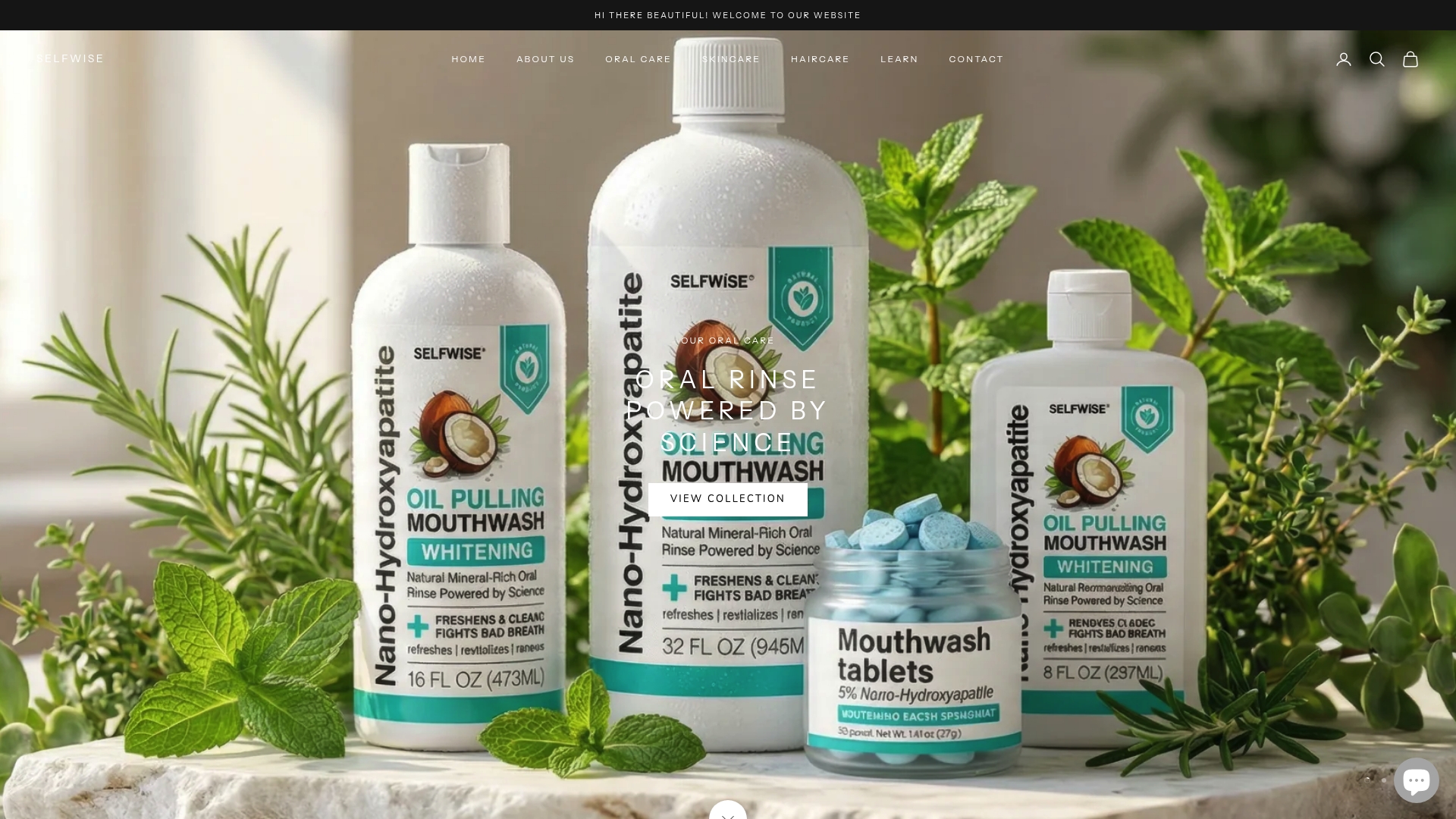
The nano-hydroxyapatite mouthwash tablets dissolve in water to create a fresh, remineralizing rinse with zero plastic waste. The oil-pulling mouthwash combines nano-hydroxyapatite with natural oils for gum support and enamel care in one step. Browse the full mouthwash collection to find the formula that fits your routine. Simple ingredients. Real results.
FAQ
What are the safest ingredients in a gentle oral rinse?
The safest ingredients are xylitol, nano-hydroxyapatite, aloe vera, glycerin, and diluted essential oils like peppermint or spearmint. These provide antibacterial, remineralizing, and soothing benefits without irritating sensitive oral tissues.
Why does mouthwash burn, and how do I stop it?
Burning is almost always caused by alcohol or high-concentration essential oils stripping the mucosal lining. Switching to an alcohol-free formula or diluting your current rinse 50/50 with water eliminates the burn in most cases.
Can I use a homemade mouthwash every day?
Yes, but homemade rinses without preservatives last only 24–48 hours. Salt water and baking soda rinses are safe for daily use. Make a fresh batch each day and store it in a sealed glass container.
Is nano-hydroxyapatite as effective as fluoride in a rinse?
A 2026 pH cycling study found no significant difference between nano-hydroxyapatite and fluoride in remineralizing early caries lesions. Nano-hydroxyapatite is a credible fluoride-free alternative for daily enamel support.
How often should I use a gentle oral rinse?
Once daily after brushing is the standard recommendation for most gentle rinses. Avoid rinsing with water immediately after to keep therapeutic ingredients in contact with teeth and gums for maximum benefit.