Foods That Strengthen Tooth Enamel: What to Eat
The foods most reliably linked to stronger enamel are dairy products, leafy greens, nuts and seeds, crunchy fruits and vegetables, eggs, fatty fish, unsweetened tea, water, and xylitol sugar-free gum. Pair those with saliva-supporting habits and a remineralizing oral rinse, and you give enamel its best shot at staying intact.
Top enamel-supporting foods at a glance:
- Dairy (cheese, yogurt, milk)
- Leafy greens (kale, spinach)
- Nuts and seeds (almonds, sesame seeds)
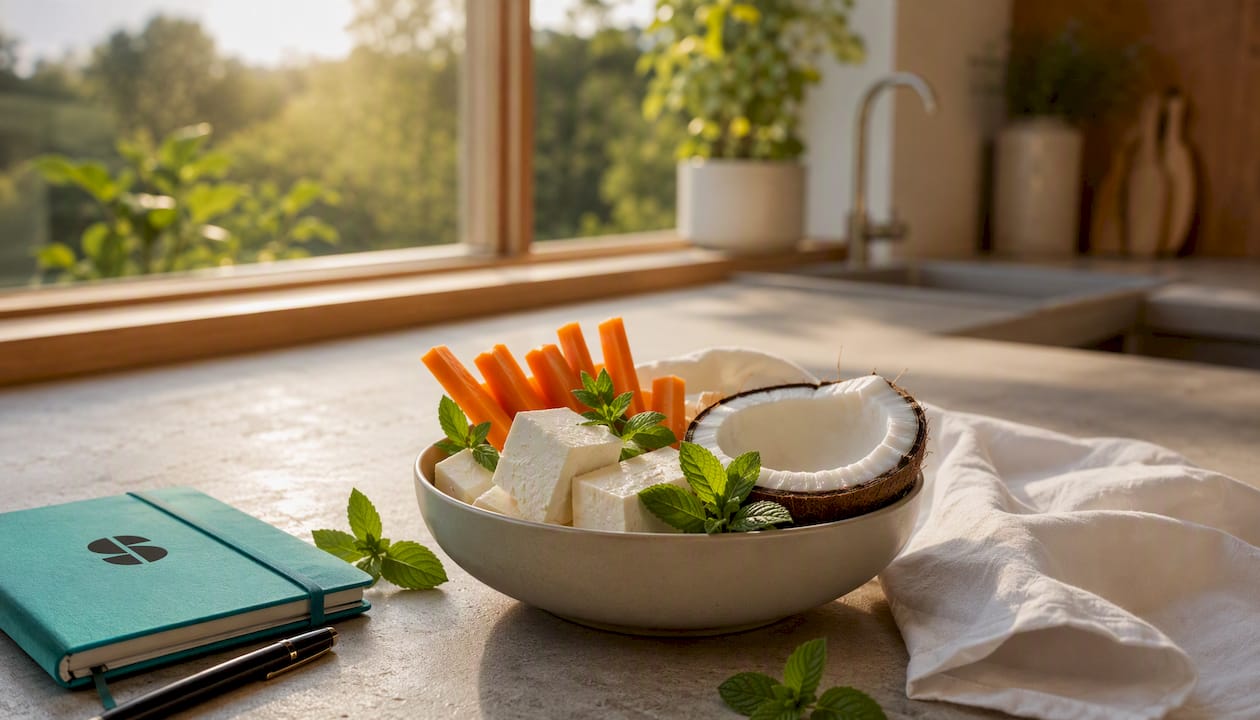
- Crunchy produce (apples, carrots, celery)
- Eggs and fatty fish (salmon, sardines)
- Unsweetened green or black tea
- Fluoridated water
- Xylitol sugar-free gum
Start today by swapping one sugary snack for raw carrots or a small cube of cheese, then rinse with water after every acidic drink.
Table of Contents
- How does diet affect tooth enamel?
- Which foods actually strengthen tooth enamel?
- What foods and drinks weaken enamel?
- Daily habits that amplify enamel-friendly foods
- Can you rebuild tooth enamel naturally?
- Key Takeaways
- Diet is only half the equation
- Natural mineralizing oral care to complement your diet
- Useful sources
- FAQ
How does diet affect tooth enamel?
Enamel is not static. It cycles through demineralization and remineralization dozens of times a day, and what you eat shifts that balance in one direction or the other.
The critical number is pH 5.5. Every time fermentable carbohydrates hit your mouth, oral bacteria produce acids that can push pH below that threshold and begin dissolving the mineral crystals in enamel. The good news: saliva naturally buffers that acid and re-deposits calcium and phosphate ions back onto the enamel surface. Diet either supports or undermines that repair cycle.
The key insight: Saliva is the natural delivery system for calcium and phosphate ions. Eating calcium-rich foods is less effective unless mouth pH is neutral and saliva can actually transport those ions to demineralized sites.
Frequency matters more than most people expect. One soda with a meal is a single acid exposure. Sipping that same soda over three hours is a prolonged attack that keeps pH depressed and prevents remineralization from catching up. Foods that stimulate chewing, like raw vegetables and firm cheese, increase salivary flow and speed up pH recovery. Fluoridated water adds another layer of protection by delivering trace fluoride throughout the day.
Understanding your tooth enamel’s structure and natural care needs makes these mechanisms click into place fast.
Which foods actually strengthen tooth enamel?
Foods protect enamel through four main mechanisms: mineral delivery, vitamin co-factors that aid absorption, mechanical cleaning and saliva stimulation, and antimicrobial or microbiome benefits. Here is how the best options break down.
Mineral delivery: dairy, fortified foods, and sardines
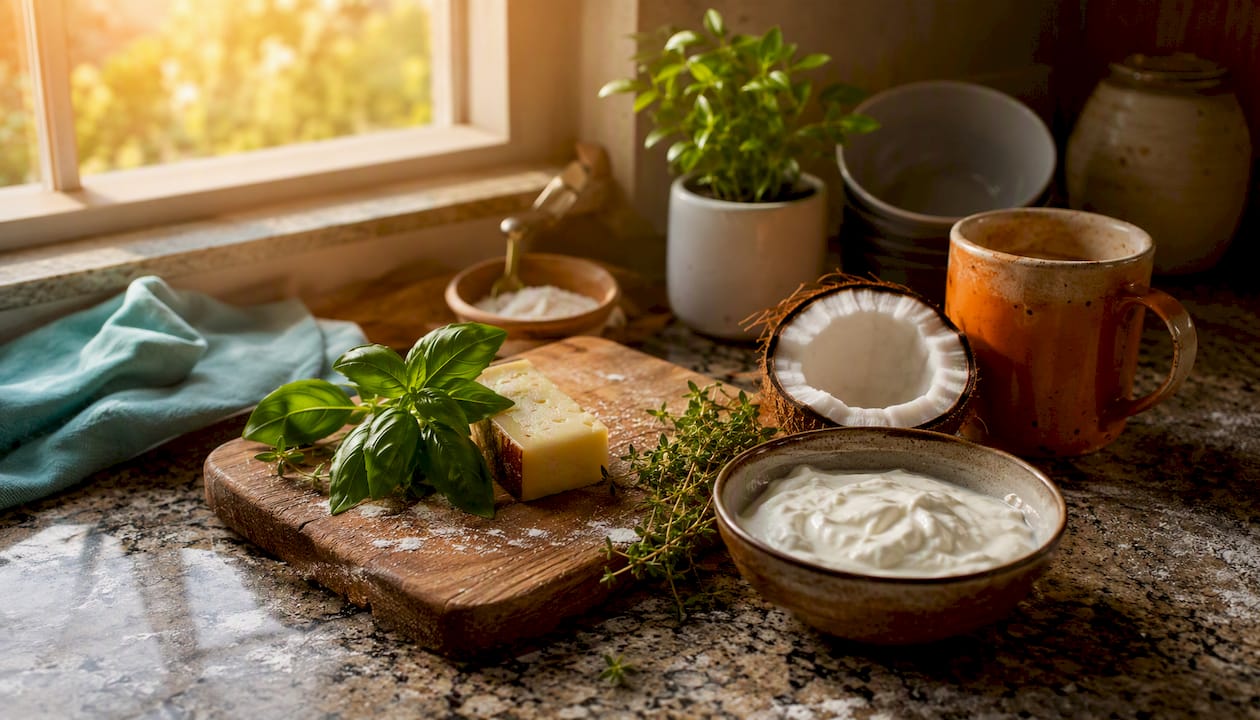
Dairy products supply casein, calcium, and phosphates that saliva uses to remineralize enamel. Cheese is particularly useful after a meal because it raises mouth pH and boosts salivary flow simultaneously. Calcium-fortified tofu, canned sardines (eaten with bones), and almonds round out this group for people who limit dairy.
Vitamin co-factors: eggs and fatty fish
Calcium needs vitamin D to be absorbed efficiently. Vitamin D supports calcium metabolism and is associated with lower cavity rates in multiple studies. Salmon, sardines, and eggs are the most practical everyday sources in the American diet.
Mechanical cleaning and saliva stimulation: crunchy produce
High-fiber crunchy fruits and vegetables stimulate saliva, mechanically help clean teeth, and carry lower cariogenic risk despite containing natural sugars. Raw apples, carrots, and celery are the standouts. The chewing action physically dislodges plaque and debris while flooding the mouth with saliva.
Antimicrobial benefits: tea and xylitol gum
Unsweetened green and black tea contain polyphenols that suppress cariogenic bacteria. Xylitol impairs plaque formation, disrupts bacterial adhesion, and increases salivary flow, making sugar-free xylitol gum one of the most practical post-meal habits you can build.
| Food Category | Key Nutrients | Enamel Benefit |
|---|---|---|
| Dairy (cheese, yogurt, milk) | Calcium, phosphate, casein | Remineralization, pH buffering |
| Fatty fish and eggs | Vitamin D, phosphorus | Calcium absorption, mineral support |
| Leafy greens (kale, spinach) | Calcium, magnesium | Mineral supply |
| Crunchy produce (apples, carrots) | Fiber, water | Saliva stimulation, mechanical cleaning |
| Unsweetened tea | Polyphenols, fluoride traces | Antibacterial, mild fluoride delivery |
| Xylitol gum | Xylitol (sugar alcohol) | Bacteria disruption, saliva stimulation |
Pro Tip: End a meal with a small cube of cheese or a few raw carrot sticks instead of a sweet dessert. You get the saliva boost and the mineral hit at exactly the moment your mouth pH is recovering.
What foods and drinks weaken enamel?
The highest-risk items are sugary sodas, sports drinks, sticky candies, fruit juices consumed between meals, and frequent refined-carbohydrate snacking. The pattern matters as much as the food itself.
Clinician note: It is not the occasional treat that causes enamel erosion. It is the frequency. Six small sugary snacks spread across a day cause far more cumulative acid exposure than one dessert eaten with a meal.
Practical mitigation steps you can use right now:
- Have acidic or sugary drinks with a meal, not between meals, to limit the number of acid exposures.
- Rinse with water immediately after an acidic drink to dilute residual acid.
- Chew xylitol gum after meals to stimulate saliva and neutralize pH faster.
- Wait 30–60 minutes before brushing after any acidic exposure. Brushing while enamel is softened by acid accelerates mineral loss.
Not all acidic fruits cause net enamel damage. Whole fruits combine acidity with fiber, water content, and chewing that increase saliva and help neutralize acids. The main risk is frequent exposure, not isolated consumption.
Daily habits that amplify enamel-friendly foods
Diet is the foundation, but the habits around eating determine how well remineralization actually happens, as explained in this guide to Non Toxic Skincare: Build a Safer, Simpler Routine, which supports broader natural lifestyle choices. Follow this sequence to get the most from your food choices.
- Prioritize meals over grazing. Consolidate eating into defined meal times so your mouth gets recovery windows between acid exposures.
- Include chewable, saliva-stimulating foods at every meal. Raw vegetables, firm cheese, or nuts all work.
- Drink fluoridated water throughout the day. It delivers trace fluoride and keeps saliva flowing.
- Chew sugar-free xylitol gum for 20 minutes after meals. This is one of the highest-return habits for enamel protection.
- Use a remineralizing oral rinse when appropriate. A nano hydroxyapatite rinse delivers calcium phosphate directly to enamel surfaces between meals.
- Brush twice daily with fluoride toothpaste (at least 1,000 ppm fluoride) unless a clinician has prescribed a different regimen.
- Hydrate consistently. Dry mouth reduces saliva, which removes the primary defense against acid.
Pro Tip: Diet alone improves the mineral environment, but topical mineralizing care, like a hydroxyapatite rinse used after meals, delivers ions directly to enamel surfaces where saliva cannot always reach. Combining both approaches outperforms either one alone.
Can you rebuild tooth enamel naturally?
The short answer: early-stage mineral loss can be reversed when pH is restored and the right ions are available. Full rebuilding of advanced enamel loss or cavities requires dental treatment.
Remineralization is a continuous chemical process driven by calcium and phosphate ions in saliva forming hydroxyapatite on the enamel surface. Early erosions and incipient caries lesions can improve over weeks to months with consistent dietary changes, fluoride use, and topical mineralizing agents. More extensive lesions do not reverse fully without clinical intervention.
Evidence-backed threshold: Fluoride toothpaste must reach at least 1,000 ppm fluoride concentration to deliver meaningful remineralization benefits, according to StatPearls clinical data.
Calcium and phosphate delivery systems such as CPP-ACP have been studied as adjuncts to fluoride in high-risk patients, boosting mineral saturation at the enamel surface. Nano hydroxyapatite works on a similar principle, depositing calcium phosphate directly onto enamel without fluoride.
| Intervention | Key Threshold / Dose | Evidence Level |
|---|---|---|
| Fluoride toothpaste | ≥1,000 ppm fluoride | High (systematic reviews) |
| Fluoridated water | Community supply standard | High (population studies) |
| CPP-ACP / calcium-phosphate systems | Adjunct to fluoride in high-risk patients | Moderate (clinical trials) |
| Nano hydroxyapatite (topical) | Delivers Ca-P to enamel surface | Emerging (growing clinical data) |
| Dietary changes alone | Supports pH balance and mineral supply | Moderate (observational) |
For a step-by-step natural approach, the guide to remineralizing teeth naturally covers the full routine in practical detail.
Key Takeaways
Combining mineral-rich foods with saliva-stimulating habits and topical mineralizing care gives enamel the best conditions to remineralize and resist further acid erosion.
| Point | Details |
|---|---|
| Critical pH threshold | Enamel demineralizes below ~5.5; limit acid exposures and allow recovery windows. |
| Top food groups | Dairy, leafy greens, crunchy produce, eggs, fatty fish, and xylitol gum deliver the most enamel benefit. |
| Fluoride toothpaste standard | Use toothpaste with at least 1,000 ppm fluoride for evidence-backed remineralization support. |
| Wait before brushing | After acidic food or drink, wait 30–60 minutes before brushing to avoid abrading softened enamel. |
| Selfwisebrand option | Selfwisebrand’s nano hydroxyapatite and xylitol rinses complement dietary measures as topical mineralizing adjuncts. |
Diet is only half the equation
Most enamel advice stops at “eat more dairy and less sugar,” which is correct but incomplete. What the food lists rarely mention is that calcium in your diet does nothing for enamel if your mouth pH is still acidic when saliva tries to deposit it. The mineral has to arrive at a neutral surface to stick. That is why meal timing and saliva flow matter as much as the food itself.
There is also a tendency to overestimate what diet can reverse. Early mineral loss responds well to dietary changes combined with topical agents. But if you can feel sensitivity, see visible pitting, or notice translucency at the edges of your front teeth, those are signs of structural loss that no amount of cheese or green tea will fix. See a dentist. Diet is maintenance and prevention, not reconstruction.
The most protective approach combines mineral-rich foods, consistent hydration, xylitol gum after meals, and a topical mineralizing rinse. None of those steps is complicated, and together they address the full cycle: mineral supply, pH recovery, saliva stimulation, and direct surface delivery.
Natural mineralizing oral care to complement your diet
Your diet sets the mineral environment. A well-formulated rinse delivers those minerals directly to enamel surfaces between meals, where dietary calcium alone cannot always reach.
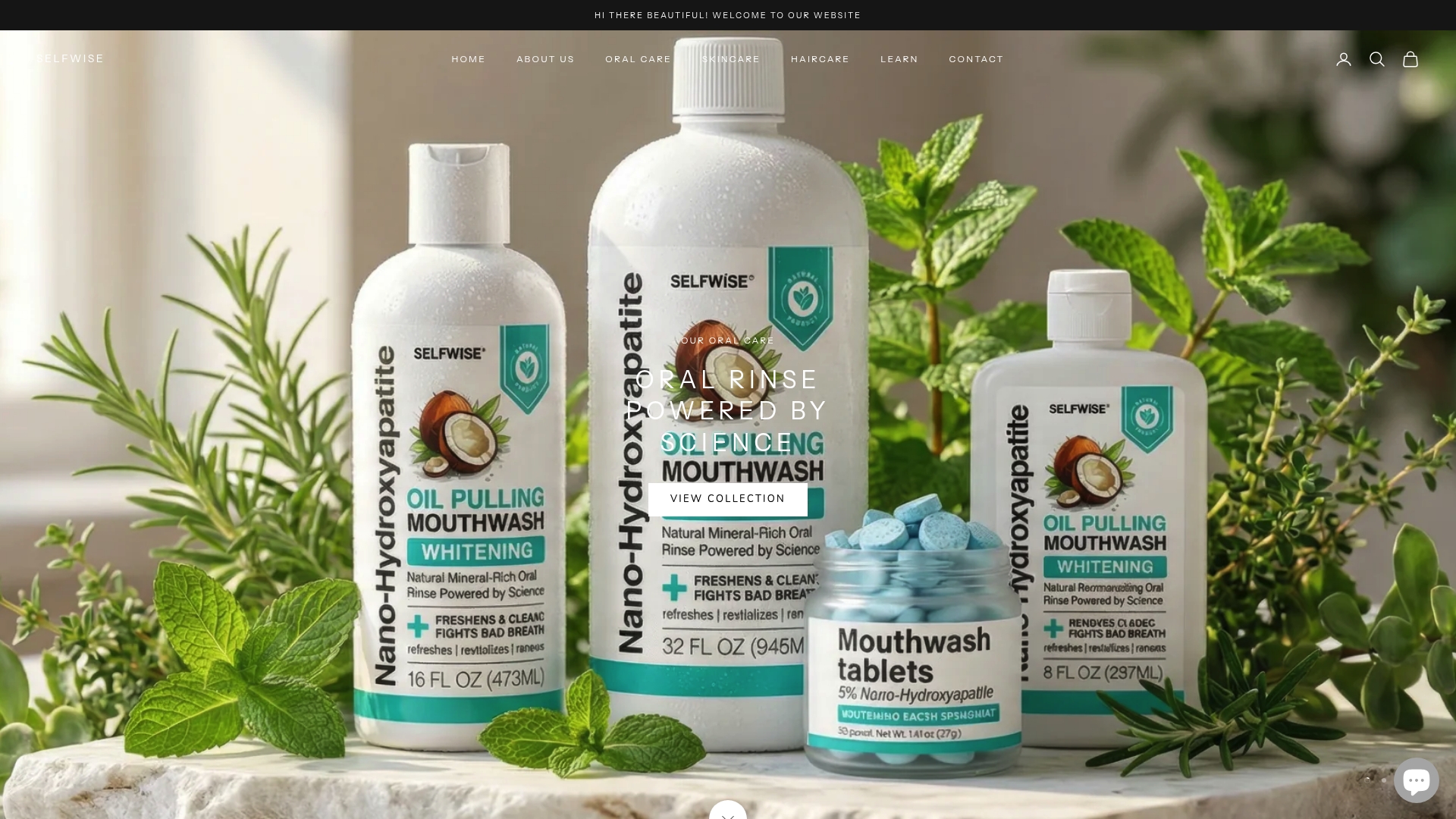
Selfwisebrand’s nano hydroxyapatite mouthwash tablets and xylitol mouthwash with nano hydroxyapatite are formulated without fluoride, alcohol, or harsh chemicals, making them a practical daily adjunct for anyone building a natural oral care routine. The xylitol option also stimulates saliva and disrupts cariogenic bacteria, extending the post-meal protection you get from xylitol gum.
If you have active cavities or significant enamel loss, consult a dentist before relying on any at-home approach. For everyone else, browse the full mouthwash collection to find the right fit for your routine.
Useful sources
The claims in this article draw from peer-reviewed literature, university dental school resources, and clinical reference databases.
| Source | Type | Link |
|---|---|---|
| StatPearls: Diet and Nutrition to Prevent Dental Problems | Clinical reference (NCBI) | Read |
| StatPearls: Remineralization of Initial Carious Lesions | Clinical reference (NCBI) | Read |
| Harvard T.H. Chan School of Public Health: Oral Health | Nutrition authority | Read |
| University of Rochester Medicine: Oral Health Encyclopedia | University health system | Read |
| PMC: Remineralization of Enamel from Saliva | Peer-reviewed research | Read |
| University of Illinois Chicago College of Dentistry | Dental school resource | Read |
This article is general information, not professional dental advice. Confirm current recommendations with your dentist or a qualified oral health professional.
FAQ
Can you rebuild tooth enamel naturally?
Early mineral loss can be remineralized when mouth pH is restored and calcium and phosphate ions are available through saliva, diet, and topical agents. Advanced enamel loss or cavities require clinical dental treatment and cannot be reversed by diet alone.
How can you harden tooth enamel at home?
Use fluoride toothpaste at 1,000 ppm or higher, chew xylitol gum after meals to stimulate saliva, eat mineral-rich foods like dairy and leafy greens, and consider a nano hydroxyapatite rinse as a topical adjunct between meals.
What drinks help remineralize teeth?
Fluoridated water is the most practical option, delivering trace fluoride throughout the day while supporting saliva flow. Unsweetened green or black tea also contributes polyphenols and mild fluoride. Avoid sipping acidic or sugary drinks between meals.
What are signs of weak enamel?
Common signs include tooth sensitivity to hot, cold, or sweet foods, visible translucency at the edges of front teeth, surface pitting or roughness, and teeth that appear more yellow as the underlying dentin shows through. These warrant a dental evaluation.