
Coconut vs Sesame Oil Pulling: Which Works Better?
Oil pulling is the practice of swishing edible oil in your mouth for 10 to 20 minutes to reduce harmful bacteria and support oral health. In the coconut vs sesame oil pulling debate, both oils deliver real results, but they work through different mechanisms. Coconut oil wins on antimicrobial power thanks to its lauric acid content, while sesame oil brings antioxidant compounds and a deep Ayurvedic tradition. Knowing which oil fits your oral health goals makes the difference between a practice you stick with and one you abandon after a week.
1. What makes coconut oil effective for oil pulling
Coconut oil contains roughly 50% lauric acid, a medium-chain fatty acid with proven antimicrobial effects against oral pathogens. This matters because lauric acid targets Streptococcus mutans, the primary bacteria responsible for tooth decay. No other common cooking oil comes close to this concentration of a single antimicrobial compound.
The texture works in your favor too. Coconut oil is semi-solid at room temperature but melts within seconds in the mouth, creating a smooth, neutral-tasting liquid. Most users find this far more tolerable than thinner, more intensely flavored alternatives. That palatability directly affects how long you swish and how often you repeat the practice.
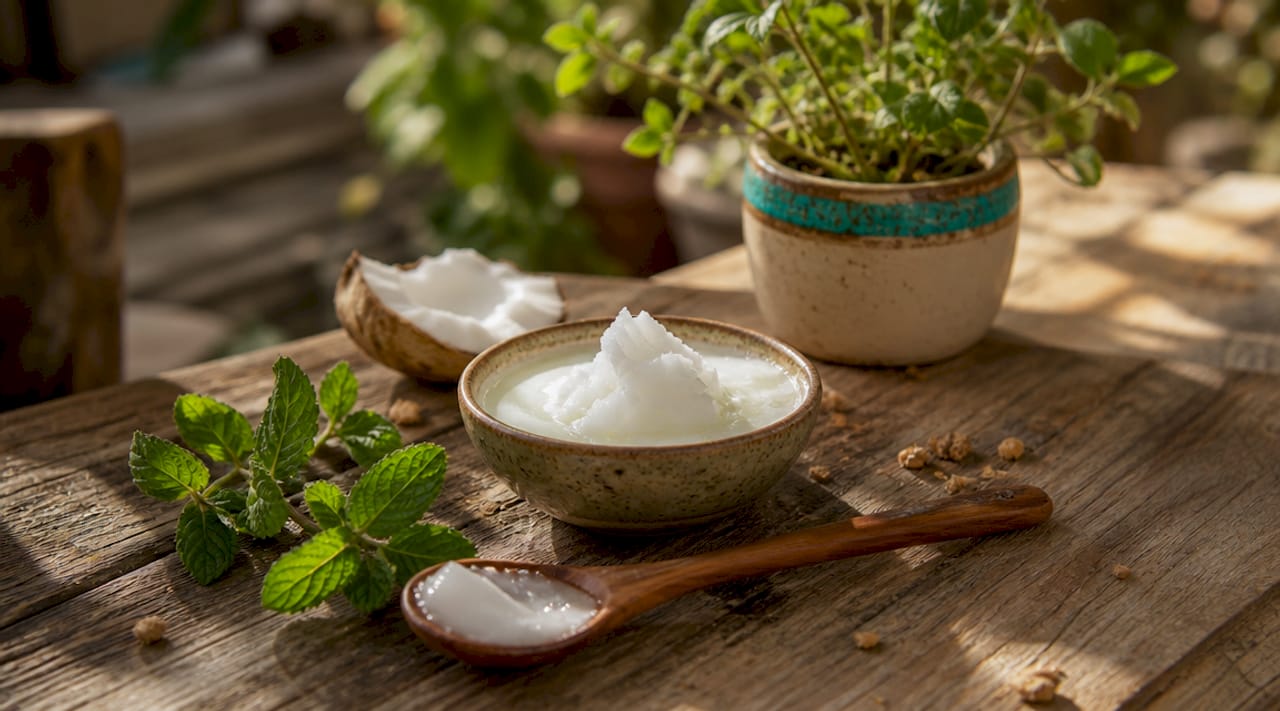
Clinical evidence backs the results. Coconut oil pulling reduces Streptococcus mutans counts comparably to chlorhexidine mouthwash after two weeks of daily use. Chlorhexidine is the gold standard antimicrobial rinse in dentistry, so matching its bacterial reduction is a meaningful benchmark.
Key benefits of coconut oil for oil pulling:
- Targets Streptococcus mutans and other cavity-causing bacteria directly
- Mild, neutral flavor improves daily adherence
- Semi-solid texture melts cleanly without an oily aftertaste
- Widely available in organic, cold-pressed, unrefined form
- Supports gum health benefits through anti-inflammatory action
Pro Tip: Choose virgin, cold-pressed coconut oil with no additives. Refined coconut oil loses some of its bioactive compounds during processing, which reduces its oral health impact.
2. Sesame oil pulling advantages you should know
Sesame oil is the original oil of Ayurvedic gandusha and kavala practices, used for thousands of years before coconut oil became the modern default. Its oral health benefits come primarily from antioxidant lignans: sesamin, sesamolin, and sesaminol. These compounds give sesame oil a distinct anti-inflammatory profile that goes beyond simple bacterial reduction.
Small clinical studies show sesame oil pulling improves gingival index scores and reduces gum inflammation, with effects comparable to some therapeutic mouthwashes. The anti-inflammatory action is particularly relevant for people dealing with chronic gum sensitivity or early-stage gingivitis. Reducing inflammation at the gum line supports tissue integrity over time.
The sensory experience is different from coconut oil. Sesame oil is thinner in consistency and carries a nutty, earthy flavor that some users love and others find overpowering. That flavor intensity is the most common reason people switch to coconut oil after trying sesame. Preference here is personal, but it directly affects whether you maintain the habit.
Standout properties of sesame oil for oral health:
- Rich in sesamin and sesamolin, two antioxidant lignans not found in coconut oil
- Reduces oral bacteria at levels comparable to some therapeutic mouthwashes
- Supports gum tightening and reduces dryness in the oral cavity
- Thinner consistency makes it easier to swish for some users
- Carries the longest documented history of any oil used in oral care
3. How coconut and sesame oil compare in scientific studies
Both oils reduce plaque and gingivitis when used daily for 10 to 20 minutes over 30 days, according to clinical trials measuring Plaque Index and Gingival Index scores. That finding is the baseline. The more interesting question is where each oil outperforms the other.
Coconut oil holds a clear edge in direct antimicrobial action. Its lauric acid disrupts bacterial cell membranes, which is a specific, well-understood mechanism. Sesame oil’s antibacterial effects are real but less targeted. The mechanical swishing action combined with the oil’s chemical properties drives bacterial reduction, not any “detox” effect as some wellness sources claim. That distinction matters when setting realistic expectations.
| Factor | Coconut oil | Sesame oil |
|---|---|---|
| Primary active compound | Lauric acid (~50%) | Sesamin, sesamolin (lignans) |
| Antimicrobial strength | High, comparable to chlorhexidine | Moderate, comparable to some mouthwashes |
| Anti-inflammatory effect | Moderate | High |
| Plaque reduction | Clinically confirmed | Clinically confirmed |
| Gum health support | Good | Strong |
| Flavor profile | Mild, neutral | Nutty, intense |
| Texture | Semi-solid, melts in mouth | Thin liquid |
“Oil pulling is best understood as a complementary oral hygiene practice. Systematic reviews confirm modest reductions in plaque and gingivitis, but neither oil replaces brushing, flossing, or professional cleanings.”
Sesame oil’s anti-inflammatory advantage is meaningful for gum health specifically. If your primary concern is reducing gum inflammation rather than cavity prevention, sesame oil may deliver more targeted benefits. For cavity-prone individuals, coconut oil’s direct action against Streptococcus mutans is the stronger choice.
4. Practical considerations: taste, texture, and safety
The oil you can tolerate daily is always the better oil. User palatability and tolerance determine adherence, and adherence determines whether you see any oral health benefit at all. A technically superior oil that you skip three days a week produces worse outcomes than a slightly less potent oil you use every morning without fail.
Here is how to build the practice correctly:
- Start with 1 teaspoon of oil rather than a full tablespoon. Smaller starting volumes reduce the gag reflex and help you build tolerance for longer sessions.
- Swish gently for 10 to 20 minutes. Aggressive swishing causes jaw fatigue and does not improve results.
- Spit the used oil into a trash can, never the sink. Used oil solidifies in pipes and causes plumbing clogs over time.
- Rinse with warm water, then brush your teeth as normal. Oil pulling works best as the first step in your morning oral care routine.
- Gradually increase to 15ml (about 1 tablespoon) as your comfort with the practice grows.
Safety considerations deserve attention. Sesame allergy is more common than coconut allergy and can cause reactions ranging from mild oral irritation to more serious responses. Anyone with a known tree nut or seed allergy should check with a healthcare provider before starting sesame oil pulling. Coconut allergies exist but are rare.
Pro Tip: Always choose organic, cold-pressed, unrefined oil for pulling. Refined oils undergo heat and chemical processing that degrades the bioactive compounds responsible for oral health benefits. The label should say “virgin” or “unrefined.”
5. Which oil to choose based on your oral health goals
The right oil depends on what you are trying to address. Both oils work. The decision comes down to your specific oral health priorities, your flavor tolerance, and whether you have any relevant allergies.
Choose coconut oil if:
- Cavity prevention is your primary goal
- You prefer a mild, neutral flavor that does not interfere with your morning routine
- You are new to oil pulling and want the most forgiving sensory experience
- You want the oil with the strongest documented antimicrobial evidence
Choose sesame oil if:
- Gum inflammation or chronic gum sensitivity is your main concern
- You value the traditional Ayurvedic approach and its full antioxidant profile
- You already use sesame in your diet and have no seed allergies
- You want the oil with the longest documented history in oral care
For a deeper look at how these oils stack up across more variables, Selfwisebrand’s guide on choosing the best oil for pulling covers additional options and edge cases. Either way, treat oil pulling as one step in a complete oral care routine, not a standalone solution.
| Goal | Recommended oil |
|---|---|
| Cavity prevention | Coconut oil |
| Gum inflammation reduction | Sesame oil |
| Beginner-friendly experience | Coconut oil |
| Traditional Ayurvedic practice | Sesame oil |
| Antioxidant-focused oral care | Sesame oil |
Key takeaways
Coconut oil leads on antimicrobial action against cavity-causing bacteria, while sesame oil delivers stronger antioxidant and anti-inflammatory benefits for gum health. Both require daily consistency to produce measurable results.
| Point | Details |
|---|---|
| Coconut oil antimicrobial edge | Lauric acid targets Streptococcus mutans at levels comparable to chlorhexidine mouthwash. |
| Sesame oil gum benefits | Antioxidant lignans reduce gum inflammation and support tissue health over time. |
| Adherence drives outcomes | The oil you tolerate daily produces better results than the technically superior oil you skip. |
| Neither replaces standard hygiene | Both oils reduce plaque and gingivitis as adjuncts, not replacements, for brushing and flossing. |
| Oil quality matters | Use organic, cold-pressed, unrefined oil to preserve the bioactive compounds that produce results. |
Why I think most people are choosing the wrong oil for the wrong reasons
Most people pick coconut oil because it is trendy, not because they have thought through their oral health goals. That is not a criticism. Coconut oil is genuinely excellent, and its mild flavor makes it the easiest entry point into oil pulling. But I have seen too many people dismiss sesame oil entirely without understanding what they are giving up.
The antioxidant lignans in sesame oil, sesamin and sesamolin specifically, are not found in coconut oil at all. If your gums bleed when you floss or you deal with recurring inflammation, sesame oil addresses that problem more directly than coconut oil does. The antimicrobial comparison gets most of the attention because it is easier to measure, but gum health is where sesame oil quietly outperforms.
My honest recommendation: start with coconut oil if you are new to the practice. The flavor is forgiving, the evidence is strong, and you will build the habit more easily. Once you are pulling consistently for 30 days, consider switching to sesame oil for a month and paying attention to how your gums feel. Some people find the combination approach, alternating oils by week, gives them the full benefit profile of both. Technique and consistency matter more than which oil you choose. A structured morning routine that places oil pulling before brushing produces better results than sporadic use of either oil.
The one thing I would never compromise on is oil quality. Refined, processed oil is not worth your time. Cold-pressed, unrefined, organic. That is the only version worth putting in your mouth.
— Viktor
Take your oil pulling routine further with Selfwisebrand
If you are serious about natural oral care, oil pulling is the foundation, not the ceiling. Selfwisebrand builds products designed to work alongside practices like oil pulling, not replace them.
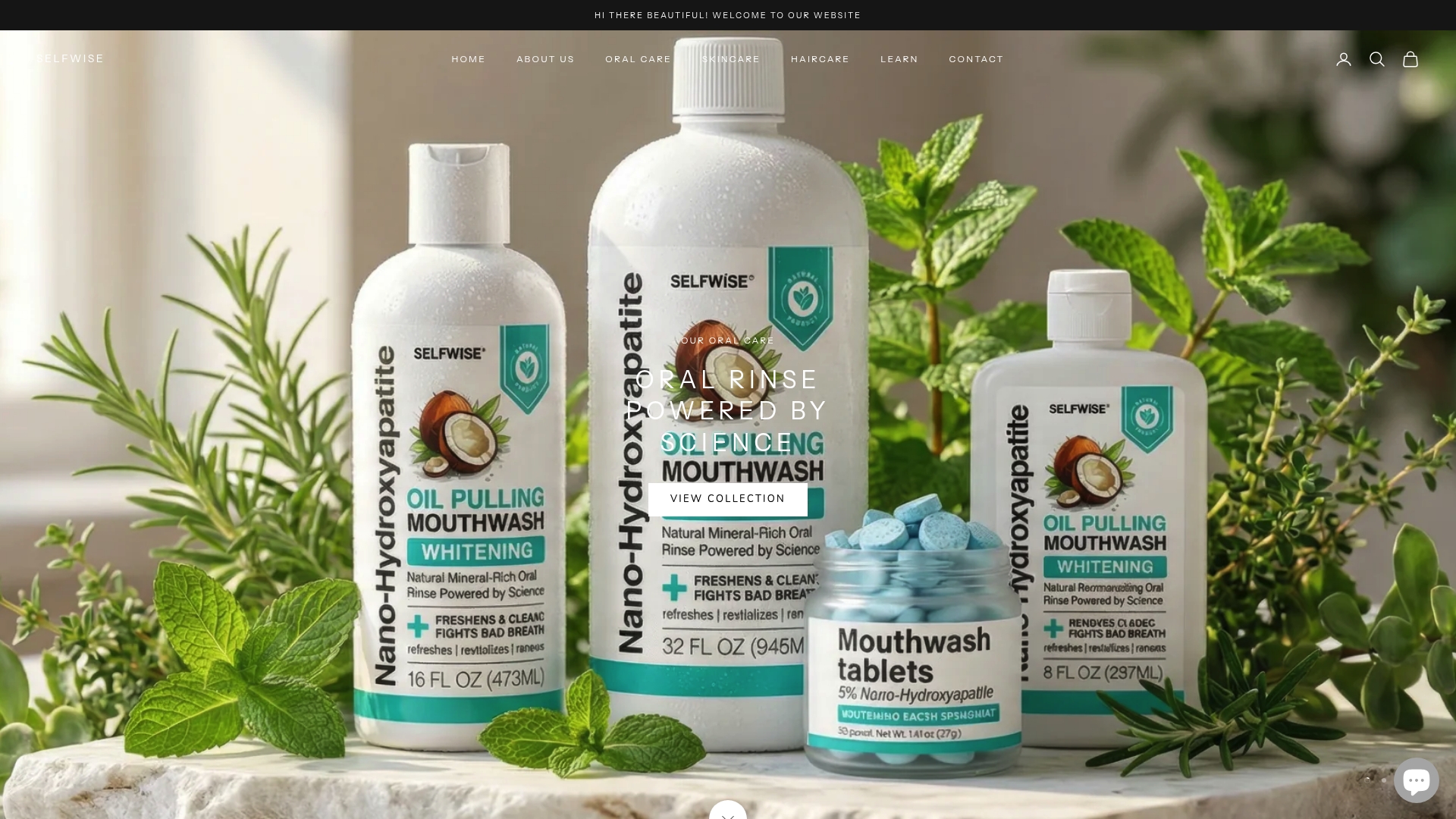
The nano hydroxyapatite oil pulling mouthwash from Selfwisebrand combines the mechanical benefits of oil pulling with nano hydroxyapatite, a bioidentical mineral that remineralizes enamel without fluoride. It is a direct upgrade for anyone who wants to go beyond swishing plain oil. For a broader natural oral care setup, explore Selfwisebrand’s fluoride-free mouthwash collection to find rinses that complement your daily pulling practice with clean, effective ingredients.
FAQ
Which oil is better for oil pulling, coconut or sesame?
Coconut oil is stronger for antimicrobial action against cavity-causing bacteria, while sesame oil offers superior antioxidant and anti-inflammatory benefits for gum health. The better choice depends on your specific oral health goal.
How long should you do oil pulling each day?
Clinical trials showing measurable reductions in plaque and gingivitis use sessions of 10 to 20 minutes daily. Shorter sessions produce less consistent results.
Can oil pulling replace brushing and flossing?
No. Systematic reviews confirm oil pulling produces modest reductions in plaque and gingivitis, but it does not replace brushing, flossing, or professional dental cleanings. It works best as a complementary first step in your morning routine.
Is sesame oil safe for everyone to use for oil pulling?
Sesame allergy is more common than coconut allergy and can cause oral irritation or systemic reactions. Anyone with a known seed or nut allergy should consult a healthcare provider before using sesame oil for pulling.
What type of oil should you buy for oil pulling?
Always choose organic, cold-pressed, unrefined oil. Refined oils lose the bioactive compounds, including lauric acid in coconut oil and lignans in sesame oil, that produce oral health benefits. Look for “virgin” or “unrefined” on the label.