What Is the Best Oil for Pulling? A Clear Guide
Oil pulling, the practice of swishing oil in your mouth for several minutes, has roots in Ayurvedic medicine that stretch back thousands of years. If you’ve started researching what is best oil for pulling, you’ve probably hit a wall of conflicting opinions fast. Coconut oil dominates social media, sesame oil shows up in clinical research, and now black seed oil is making serious noise. Each claim sounds convincing. The truth is, the right choice depends on your goals, your taste preferences, and what the science actually supports. This guide cuts through the noise.
Table of Contents
- Key takeaways
- What is the best oil for pulling: traditional options compared
- Emerging oils and add-ins worth knowing about
- How to choose and use your oil effectively
- Oil pulling vs. conventional care: setting realistic expectations
- My take on oil pulling after years of research
- Upgrade your oil pulling routine with Selfwisebrand
- FAQ
Key takeaways
| Point | Details |
|---|---|
| Sesame oil leads in research | Ayurvedic tradition and clinical studies both support sesame oil as highly effective for reducing oral bacteria. |
| Coconut oil suits most beginners | Its mild taste and lauric acid content make it the most popular and practical starting point. |
| Black seed oil is one to watch | Clinical data shows it outperforms some commercial mouthwashes for gum health and microbiome diversity. |
| Duration matters as much as oil choice | Swishing for 15 to 20 minutes on an empty stomach delivers the best results. |
| Oil pulling supplements, not replaces | It reduces bacterial load and supports gum health but cannot treat active cavities or gum disease. |
What is the best oil for pulling: traditional options compared
The practice known formally as “kavala” or “gandusha” in Ayurvedic texts has been performed with specific oils for good reason. Not all plant oils behave the same way in your mouth, and understanding why helps you make a smarter choice.
Sesame oil
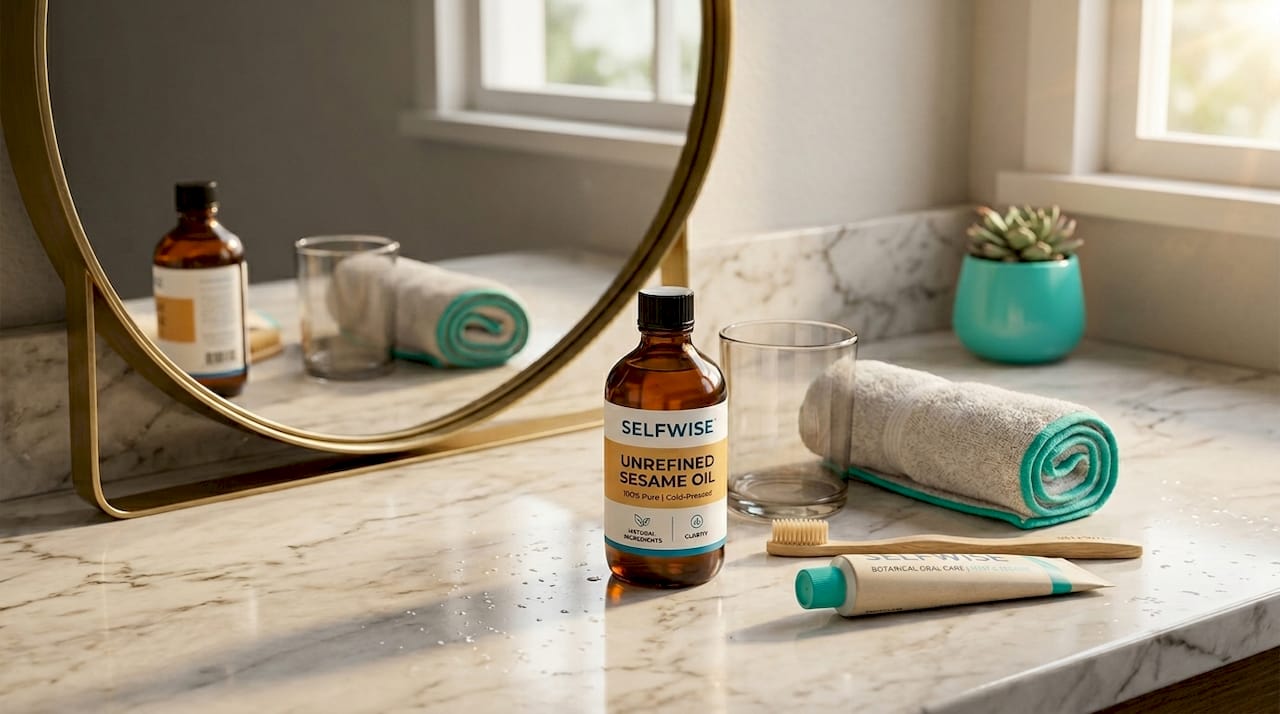
Sesame oil is the original Ayurvedic recommendation and still the most researched. It contains vitamin E and essential fatty acids that support tissue health, and studies show it reduces bacteria linked to bad breath at rates comparable to chlorhexidine mouthwash. That is significant because chlorhexidine is a prescription-strength antiseptic. The downside is taste. Sesame oil has a strong, nutty flavor that some people find difficult to sustain for a full 15 minutes.
Coconut oil
Coconut oil became the go-to choice largely because of its taste, and that is not a bad reason. If you cannot tolerate the practice, you will not stick with it. Beyond taste, coconut oil’s lauric acid is a genuinely potent antibacterial and anti-inflammatory compound. Extra-virgin, cold-pressed coconut oil carries the highest lauric acid concentration, so that is the variety worth choosing. The main drawback is that it solidifies at temperatures below 76°F, which can feel uncomfortable when you first put it in your mouth.
Sunflower oil
Sunflower oil is a lighter, nearly flavorless option used in several Ayurvedic protocols. It is rich in linoleic acid and works well for people who find both sesame and coconut oil too heavy. Research on sunflower oil specifically for oil pulling is thinner than on its counterparts, but it is a reasonable option for anyone sensitive to stronger flavors.
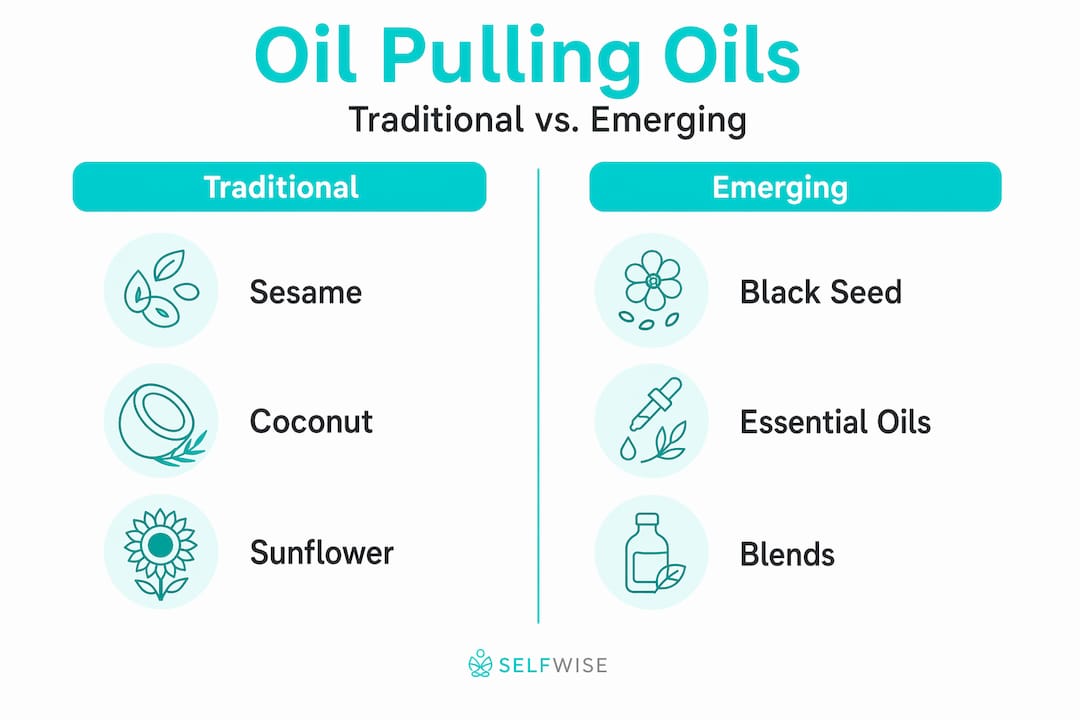
Here is a quick comparison to help you decide which traditional oil fits your needs:
| Oil | Key compound | Taste | Research strength | Best for |
|---|---|---|---|---|
| Sesame | Vitamin E, fatty acids | Strong, nutty | High | Research-backed efficacy |
| Coconut | Lauric acid | Mild, slightly sweet | Moderate | Beginners, taste-sensitive users |
| Sunflower | Linoleic acid | Neutral | Low | Sensitive palates |
Pro Tip: Always choose cold-pressed, unrefined versions of any oil you use for pulling. Refined oils strip out the beneficial compounds you actually want.
Emerging oils and add-ins worth knowing about
The most exciting development in understanding which oil is best for pulling is not one of the traditional three. Black seed oil has entered the conversation with clinical data, not just tradition.
A 28-day clinical study using standardized black seed oil found that it outperformed both Listerine and xylitol in reducing gingival inflammation and improving oral microbiome diversity. It showed superior antimicrobial activity and reduced acid levels in the mouth. That is a meaningful benchmark, since Listerine is one of the most widely used commercial mouthwashes in the world. Standardized black seed extract is now positioned as a key ingredient in next-generation oral care products.
Pro Tip: If you want to try black seed oil, start by blending a small amount with coconut oil to moderate the strong flavor while still getting the microbiome benefits.
Beyond whole oils, some people add a drop or two of essential oils to their base oil. Options worth considering include:
- Peppermint oil: Adds a fresh flavor and provides mild antibacterial support, making it the most popular add-in for people using oil as a best oil for mouthwash alternative.
- Tea tree oil: Potent against several oral bacteria, but strong enough that one drop in a full tablespoon of carrier oil is more than enough.
- Oregano oil: Broad-spectrum antibacterial properties, though the flavor is intense and it should be used infrequently.
The key caution here is real. Essential oils used too frequently can disrupt the oral microbiome rather than support it. Your mouth needs a balanced ecosystem of bacteria, not a sterilized environment. Use these add-ins a few times a week at most, not every day.
How to choose and use your oil effectively
Choosing among the available oils for oil pulling is only half the equation. How you use the oil determines whether you actually get the benefits of oil pulling.
- Start with one tablespoon. This is the right amount to move through all areas of the mouth without straining your jaw. Some protocols suggest working up to two tablespoons over time, but one is the practical starting point.
- Swish on an empty stomach. Pulling for 15 to 20 minutes first thing in the morning, before eating or drinking, maximizes contact with overnight bacterial buildup.
- Move the oil actively. Pull it between teeth, swish it across your gums, and work it against your tongue. Passive holding does not produce the same mechanical cleansing effect.
- Spit into a trash can, not the sink. Solidifying oils clog pipes over time. Coconut oil is especially prone to this. The trash can is not a suggestion; it is worth protecting your plumbing.
- Follow with a warm salt water rinse. This helps soothe oral tissues, clear residual oil, and brings an additional antimicrobial effect before you brush.
- Then brush normally. Oil pulling is a warm-up for your routine, not a replacement for brushing.
Pro Tip: Do not swallow the oil after pulling. It contains the bacteria and toxins you just removed from your mouth. Spit completely, then rinse.
You can learn how to build your morning ritual around oil pulling so it becomes a habit rather than a chore. Pairing it with other natural oral care steps creates a routine that compounds its benefits over time.
Oil pulling vs. conventional care: setting realistic expectations
Oil pulling is not magic, and being honest about that actually makes it more useful, not less. Understanding what it can and cannot do helps you apply it correctly.
Oil pulling as a natural supplement supports oral hygiene without harsh chemicals, particularly for people dealing with dry mouth, mild gum sensitivity, or elevated bacterial load. Dental professionals recognize it as a gentler alternative to alcohol-based mouthwashes that can strip the oral microbiome.
Here is where the boundaries sit:
| What oil pulling can support | What it cannot do |
|---|---|
| Reducing plaque-forming bacteria | Reversing existing cavities |
| Mild gum inflammation relief | Treating active periodontal disease |
| Fresh breath improvement | Replacing professional dental cleanings |
| Dry mouth symptom management | Remineralizing enamel on its own |
| Supporting a balanced oral microbiome | Substituting for brushing and flossing |
The honest picture is that oil pulling reduces bacterial load and serves as a meaningful adjunct to your routine, but it cannot cure cavities or reverse gum disease that needs professional treatment. Anyone with active oral health issues should consult a dentist before relying on oil pulling as their primary response.
Pairing oil pulling with natural products that support remineralization, like those using nano hydroxyapatite, creates a more complete approach to oral care than either method alone. You get the bacterial reduction from the oil and the enamel support from the mineral-based products.
My take on oil pulling after years of research
Over the years, I have read through a lot of the research on oils for oil pulling, talked to people who swear by it, and tried to figure out where the real signal is versus the noise. Here is where I have landed.
Sesame oil deserves more credit than it gets in Western conversations about oral health. The research is solid, the tradition is thousands of years old, and the fact that it competes with chlorhexidine in bacterial reduction studies is genuinely impressive. Coconut oil gets all the attention because it tastes better. That is a legitimate reason to use it, but I would not call it the superior choice on efficacy alone.
What I find most interesting right now is the black seed oil data. The comparison against Listerine in that 28-day clinical trial is the kind of result that usually gets buried unless a major brand is behind it. The microbiome diversity finding matters. Your mouth is not supposed to be sterile. The best oral care approach protects the good bacteria while reducing the harmful ones, and that is exactly what those results suggest black seed oil does better than a broad-spectrum antiseptic.
The misconception I encounter most often is that more aggressive is better. People assume that if an oil is killing bacteria, using stronger concentrations or more potent essential oil blends will work faster. That logic backfires. You disrupt the microbiome, create an imbalanced environment, and end up with different problems. Gentle and consistent beats intense and sporadic every time in oral care.
Pair your practice with a natural oral care guide to understand where oil pulling fits in the bigger picture of a chemical-free routine.
— Viktor
Upgrade your oil pulling routine with Selfwisebrand
If you have been pulling with plain coconut or sesame oil and wondering whether you can do more in the same amount of time, Selfwisebrand has built a product specifically around that idea.
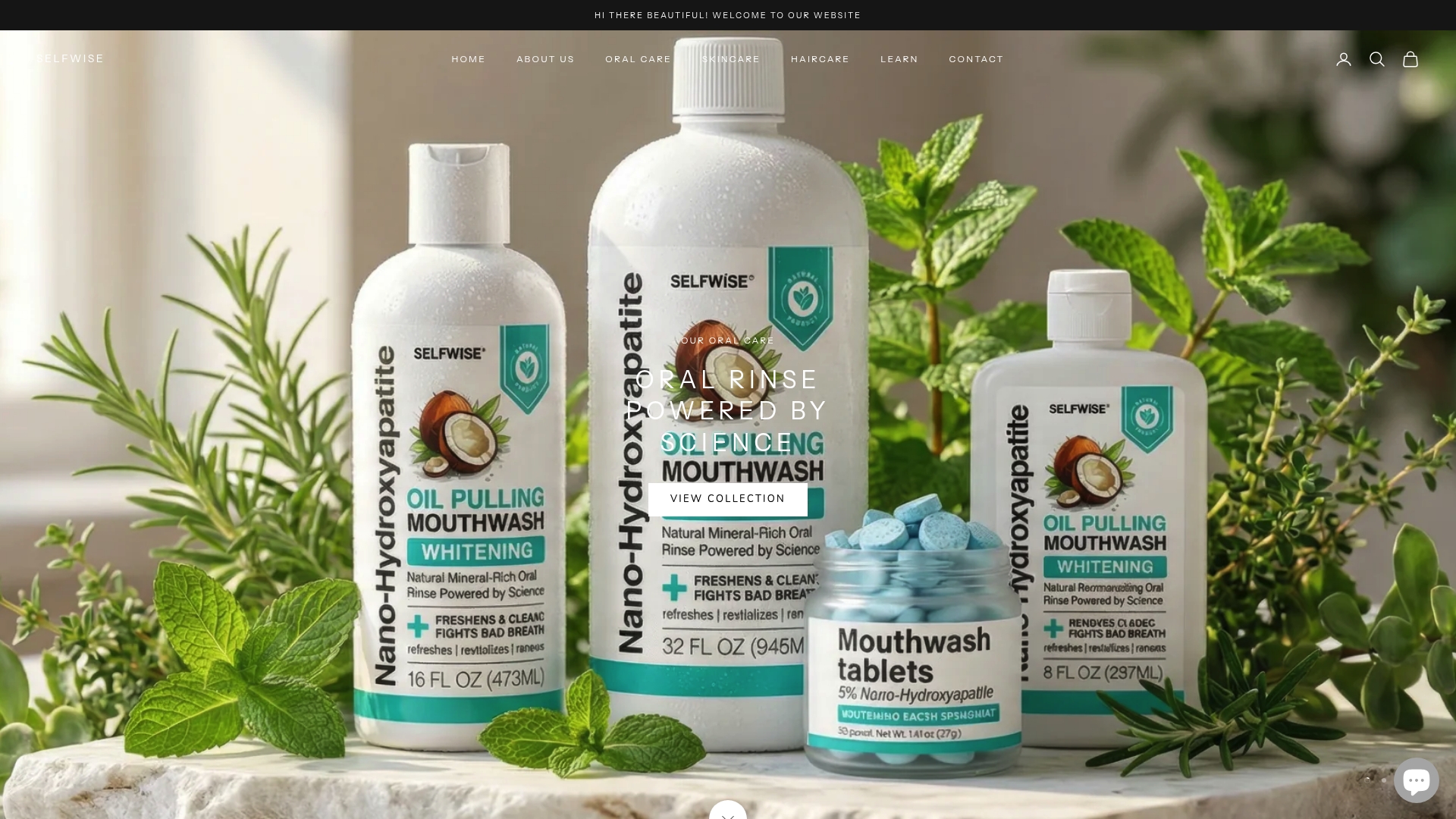
The Nano Hydroxyapatite Oil Pulling Mouthwash from Selfwisebrand combines the bacterial reduction benefits of traditional oil pulling with nano hydroxyapatite, a calcium-based mineral that actively supports enamel remineralization. No fluoride, no alcohol, no harsh chemicals. The formula is designed for people who want their morning routine to work harder without adding more steps. For those who prefer a tablet format, the mouthwash tablet range delivers the same nano hydroxyapatite benefits in a travel-friendly form. Browse the full natural mouthwash collection or the fluoride-free oral care line to find what fits your routine.
FAQ
Which oil is best for oil pulling beginners?
Coconut oil is the most practical starting point because of its mild taste and solid antibacterial properties from lauric acid. Most people find it easier to swish for the full 15 to 20 minutes compared to stronger-tasting oils like sesame.
How long should you swish oil when pulling?
Starting with 5 minutes and gradually working up to 15 to 20 minutes daily is the recommended approach. Swishing for 15 to 20 minutes on an empty stomach in the morning delivers the best results.
Can oil pulling replace regular brushing or mouthwash?
No. Oil pulling is an adjunct that reduces bacterial load and supports gum health, but it cannot replace brushing, flossing, or professional dental care. Use it as a complement, not a substitute.
What makes black seed oil different from other oils for pulling?
Black seed oil has clinical evidence showing it outperforms some commercial mouthwashes for reducing gingival inflammation and supporting microbiome diversity. This sets it apart from purely traditional oil choices.
Is it safe to add essential oils to your pulling oil?
Yes, in small amounts. One drop of peppermint or tea tree oil per tablespoon of carrier oil is sufficient. Using essential oils too frequently risks disrupting the oral microbiome, so keep strong additions to a few times per week.