Detox Your Oral Care Routine for a Healthier Mouth
Detoxing your oral care routine means removing synthetic chemicals that disrupt your mouth’s natural balance and replacing them with ingredients that actively support enamel, gums, and your oral microbiome. Most conventional toothpastes and mouthwashes contain sodium lauryl sulfate (SLS), high-alcohol bases, parabens, and artificial dyes. These ingredients do not just clean your teeth. They strip beneficial bacteria, dry out soft tissue, and create conditions where harmful bacteria thrive. A balanced oral microbiome supports fresh breath, calm gums, and stable enamel. The goal of a clean dental routine is not perfection. It is restoring that balance with ingredients your mouth can actually work with.
What toxic chemicals should you avoid in oral care products?
The ingredient list on your toothpaste tube is worth reading. Several common additives cause measurable harm to your oral environment, and many are hiding behind familiar brand names.
SLS (sodium lauryl sulfate) is a foaming agent in most conventional toothpastes. It strips the mucosal lining of your mouth, which increases susceptibility to canker sores and tissue irritation. The foam feels like it is doing something. It is not. It is a cosmetic effect with a real biological cost.

Parabens and artificial dyes function as preservatives and colorants with no oral health benefit. Both have raised concerns in broader health research, and neither belongs in a product you use twice daily on mucous membranes.
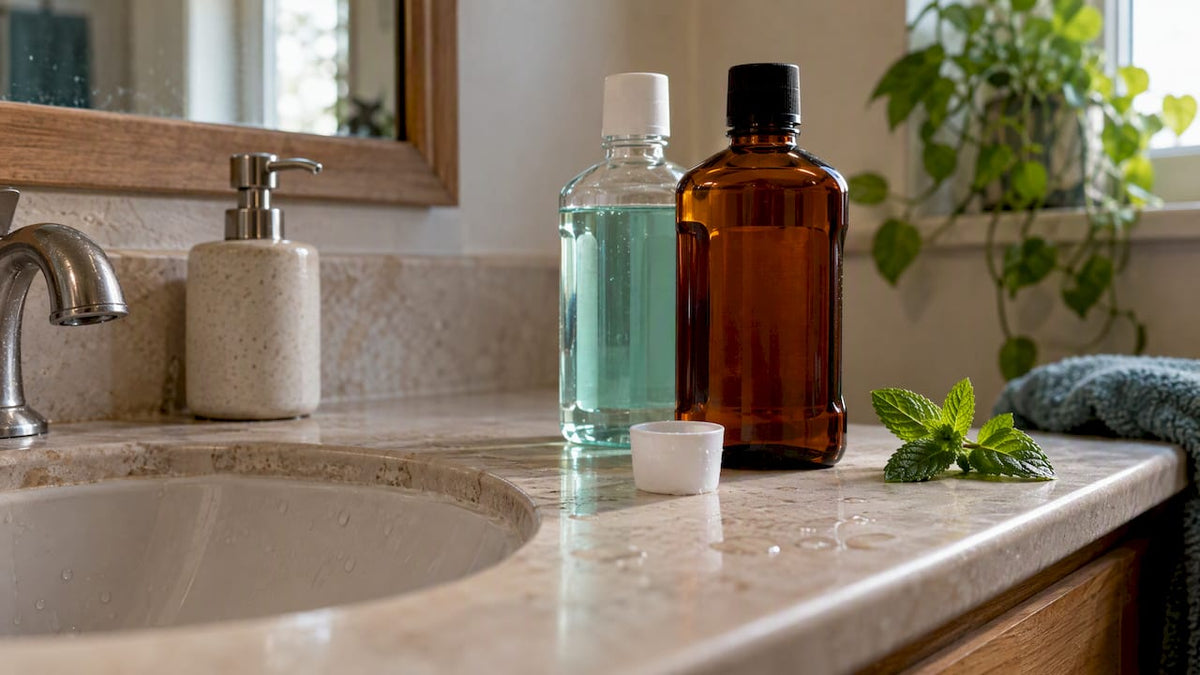
High-alcohol mouthwashes are one of the most overlooked problems in conventional oral care. Alcohol-free rinses with essential oils and aloe promote microbiome health without the drying effect that alcohol causes. Dry mouth is not just uncomfortable. It reduces saliva production, which is your mouth’s primary natural defense against cavity-causing bacteria.
Chlorhexidine is a prescription antimicrobial rinse that dentists recommend for short-term gum treatment. The problem is overuse. Chlorhexidine overuse stains teeth, alters taste perception, and disrupts the oral microbiome in ways that take weeks to reverse. It is a tool for acute situations, not a daily rinse.
One more thing worth knowing: “natural” on a label means nothing legally. A product can carry botanical imagery and still contain SLS, artificial sweeteners, and synthetic fragrance. Read the ingredient list, not the marketing copy.
Pro Tip: Scan your current toothpaste and mouthwash for SLS, alcohol (listed as ethanol or SD alcohol), FD&C dyes, and sodium saccharin. If three or more appear, your products are working against your oral microbiome.
Which natural ingredients actually support oral health?
Replacing harmful ingredients is only half the work. The other half is choosing actives that genuinely remineralize, protect, and balance.
| Ingredient | Function | Best used in |
|---|---|---|
| Nano hydroxyapatite | Remineralizes enamel, reduces sensitivity | Toothpaste, mouthwash tablets |
| Xylitol | Inhibits cavity-causing bacteria | Toothpaste, gum, rinses |
| Aloe vera | Soothes gum tissue, anti-inflammatory | Mouthwash, gel formulas |
| Green tea extract | Antioxidant, reduces bacterial load | Rinses, toothpaste |
| Coconut or sesame oil | Binds and removes bacteria via lipid attraction | Oil pulling |
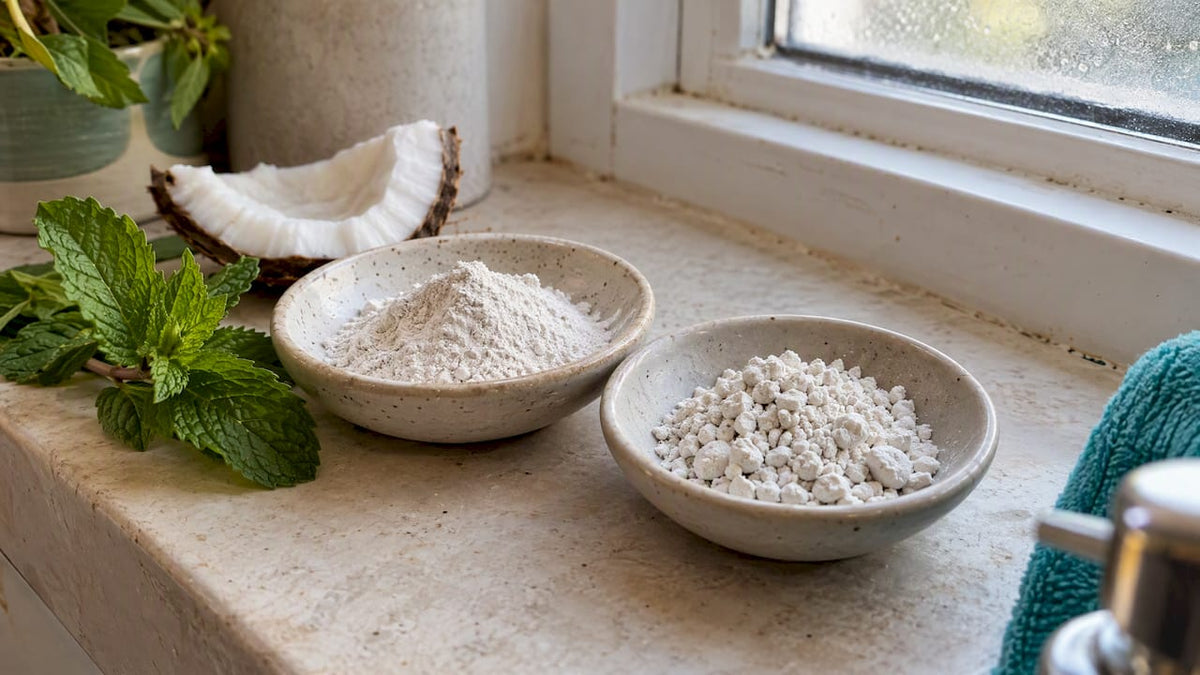
Nano hydroxyapatite is the standout ingredient in modern natural oral care. Nano-hydroxyapatite mimics enamel structure and fills microscopic surface defects, reducing sensitivity and rebuilding mineral density without fluoride. It is the ingredient Selfwisebrand centers its remineralizing formulas around, and the science behind it is well-established.
Xylitol works differently. It does not kill bacteria directly. Instead, it creates a metabolic dead end for Streptococcus mutans, the primary cavity-causing organism. Bacteria absorb xylitol but cannot ferment it, which starves the acid-producing cycle that erodes enamel. Xylitol and hydroxyapatite together offer cavity protection and enamel support without fluoride.
Botanical extracts like aloe vera and green tea round out a clean formula. Aloe reduces gingival inflammation without disrupting the microbiome. Green tea catechins reduce bacterial adhesion to tooth surfaces. Neither is a replacement for mechanical cleaning, but both add measurable support to a holistic dental hygiene approach.
Pro Tip: When comparing fluoride-free toothpastes, look for nano hydroxyapatite listed as the first or second active ingredient. Products that list it further down the formula may not contain a therapeutically meaningful concentration.
How to build a daily oral care routine for microbiome balance
A clean dental routine is not about adding more products. It is about sequencing the right steps with the right tools.
-
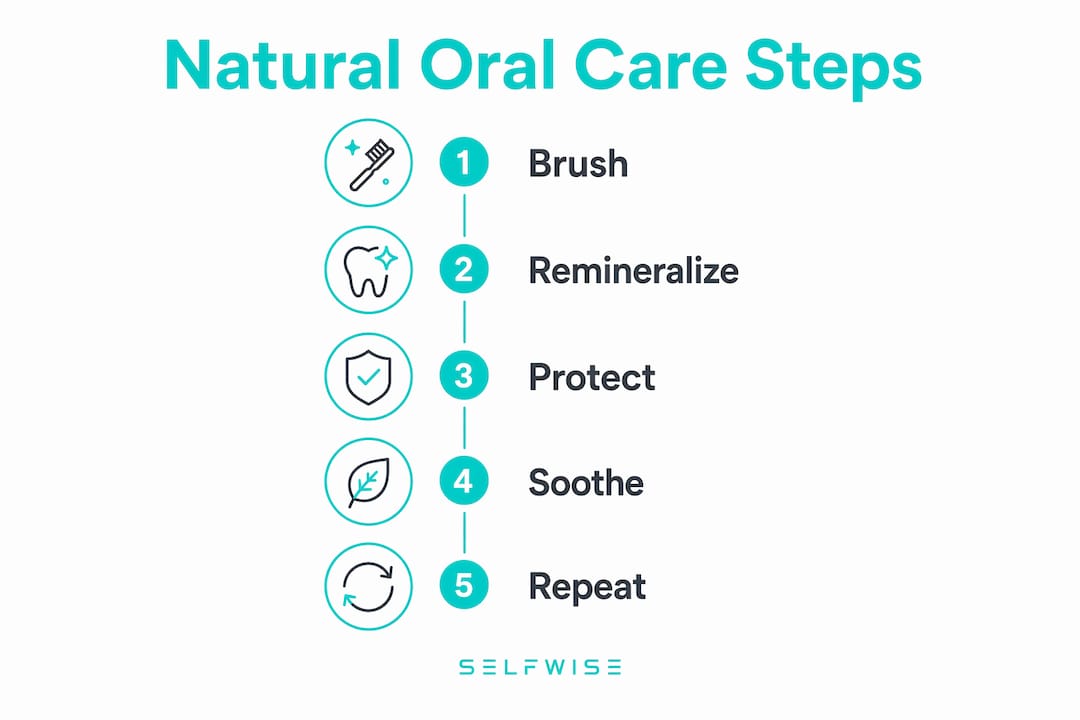
Brush twice daily with a soft-bristle or extra-soft toothbrush and a nano hydroxyapatite or xylitol-based toothpaste. Soft bristles protect gum tissue and enamel from abrasion. For brushing effectively and naturally, two minutes with gentle circular strokes covers all surfaces without the scrubbing that causes recession.
-
Clean between teeth daily. Brushing alone misses about 40% of plaque, which means skipping interdental cleaning leaves nearly half your tooth surfaces unaddressed. Use floss, interdental brushes, or a water flosser depending on your spacing and dexterity. All three work. The one you will actually use consistently is the right choice.
-
Scrape your tongue every morning. The tongue harbors more bacteria than any other oral surface. A copper or stainless steel tongue scraper removes the biofilm that contributes to bad breath and bacterial load before you swallow or eat.
-
Rinse with a botanical or nano hydroxyapatite mouthwash. Avoid rinsing immediately after brushing, which washes away the active minerals before they can work. Rinse at a separate time, such as after lunch or before bed.
-
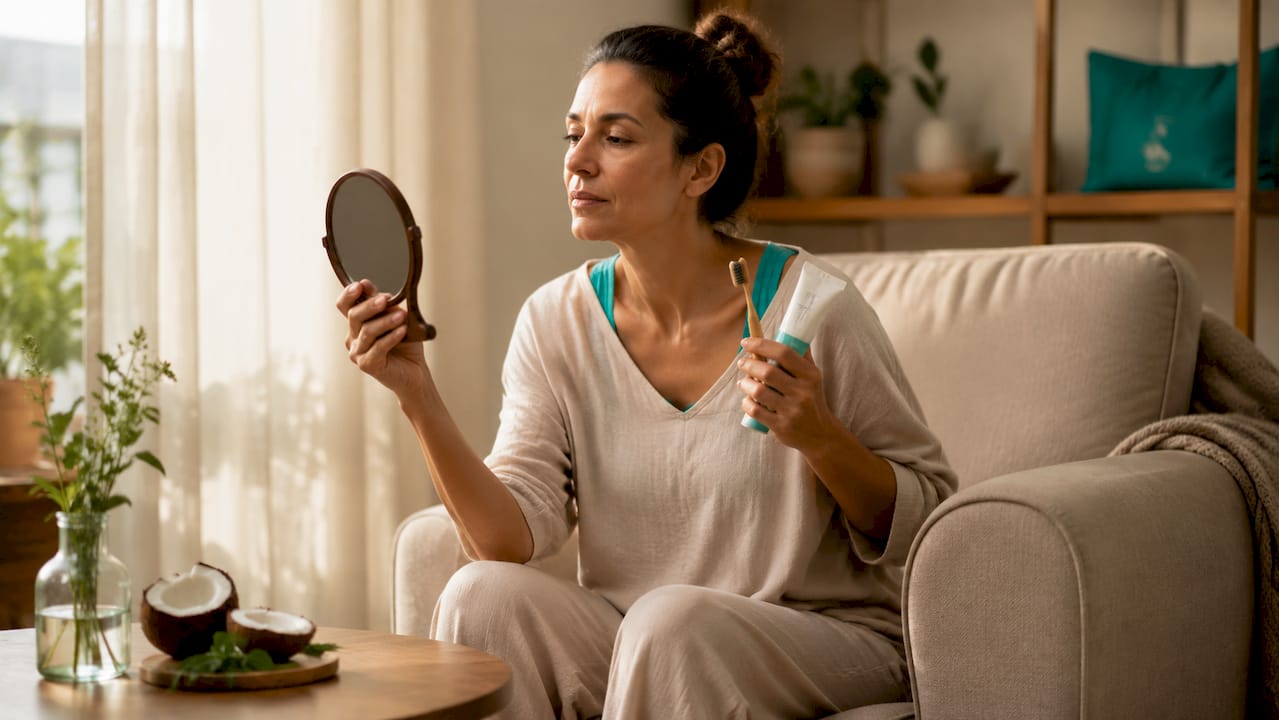
Add oil pulling two to three times per week. Oil pulling with coconut or sesame oil reduces cavity-causing bacteria and gum inflammation by attracting and binding lipid-soluble toxins and microbes. Swish one tablespoon for 10 to 15 minutes, then spit into a trash can, not the sink.
-
Rotate your tools and products. Rotating interdental tools and toothpastes prevents bacterial biofilm adaptation. Variety in your routine outperforms perfect use of a single product. Alternate between floss and interdental brushes weekly. Switch between two toothpaste formulas monthly.
| Step | Tool or product | Frequency |
|---|---|---|
| Brushing | Soft-bristle toothbrush, nano hydroxyapatite toothpaste | Twice daily |
| Interdental cleaning | Floss, interdental brush, or water flosser | Once daily |
| Tongue scraping | Copper or stainless steel scraper | Every morning |
| Rinsing | Botanical or nano hydroxyapatite mouthwash | Once daily, separate from brushing |
| Oil pulling | Coconut or sesame oil | 2 to 3 times per week |
Enamel remineralization is a slow process that requires consistent daily effort. There are no shortcuts. The routine above works because it is cumulative, not because any single step is dramatic.
How do lifestyle factors affect your oral detox?
Oral health is systemic. Gum inflammation reflects wider inflammation in the body, which means diet, hydration, gut health, and stress all shape what happens in your mouth regardless of which products you use.
A diet high in refined sugar and processed carbohydrates feeds the same bacteria your oral care routine is trying to suppress. Hydration directly affects saliva volume. Saliva is alkaline, antimicrobial, and remineralizing. Chronic dehydration reduces saliva flow and creates a more acidic oral environment where enamel erosion accelerates.
Gut health and oral health share a bidirectional relationship that most people underestimate. Dysbiosis in the gut can manifest as chronic gum inflammation or recurring mouth sores. Probiotic-rich foods like yogurt, kefir, and fermented vegetables support both ecosystems simultaneously.
Dental anxiety is a real and underaddressed barrier to consistent oral care. Trauma-informed oral hygiene transforms dental anxiety into manageable routines by customizing care to sensory and emotional needs. If brushing feels overwhelming, start with 30 seconds using an extra-soft brush and build from there. Sensory sensitivities to taste, texture, or sound are legitimate reasons to choose milder, unflavored, or low-foam products. The goal is a routine you can sustain, not one that looks perfect on paper.
Breathing through your nose rather than your mouth during the day also matters. Chronic mouth breathing dries out oral tissue, reduces saliva, and shifts the oral pH toward acidity. For people with this habit, addressing it through nasal hygiene or sleep positioning can produce noticeable oral health improvements without changing a single product.
Key takeaways
Detoxing your oral care routine works when you remove disruptive chemicals, replace them with proven natural actives like nano hydroxyapatite and xylitol, and build a consistent daily practice that supports your oral microbiome rather than fighting it.
| Point | Details |
|---|---|
| Eliminate SLS and alcohol | Both strip beneficial bacteria and dry oral tissue, undermining your microbiome. |
| Choose nano hydroxyapatite | It remineralizes enamel and reduces sensitivity without fluoride. |
| Rotate tools and products | Variety prevents bacterial adaptation and improves long-term plaque control. |
| Address lifestyle factors | Diet, hydration, and stress affect oral health as much as the products you use. |
| Build gradually | Small, consistent steps create lasting habits more reliably than complete overhauls. |
Why I think most oral detox advice misses the point
Most articles about detoxing your oral care routine focus entirely on what to remove. Ditch the fluoride. Throw out the mouthwash. Stop using SLS. That framing is useful as far as it goes, but it treats your mouth like a contamination problem rather than an ecosystem that needs support.
What I have observed over years of following this space is that the people who get lasting results are not the ones who make the most dramatic product swaps. They are the ones who build a routine they can actually repeat every day without thinking about it. A perfect product used inconsistently does nothing. A good product used daily for six months changes your oral environment measurably.
The oral microbiome piece is where I think the conversation needs to go. Dental detox is about restoring oral ecosystem balance to support natural healing and regulation, not extreme cleansing. That reframe matters because it shifts the goal from elimination to cultivation. You are not trying to sterilize your mouth. You are trying to create conditions where beneficial bacteria outnumber harmful ones.
The other thing I would push back on is the idea that natural oral care requires a complete lifestyle overhaul on day one. Start with one swap. Replace your high-alcohol mouthwash with an alcohol-free botanical rinse. Do that for two weeks. Notice whether your mouth feels less dry, whether your gums look calmer. That single change, done consistently, teaches you more about your oral health than any article can. Then add the next step. The natural oral health routine that works for you is the one you build piece by piece, not the one you copy wholesale from someone else.
— Viktor
Start your detox with clean, simple oral care products
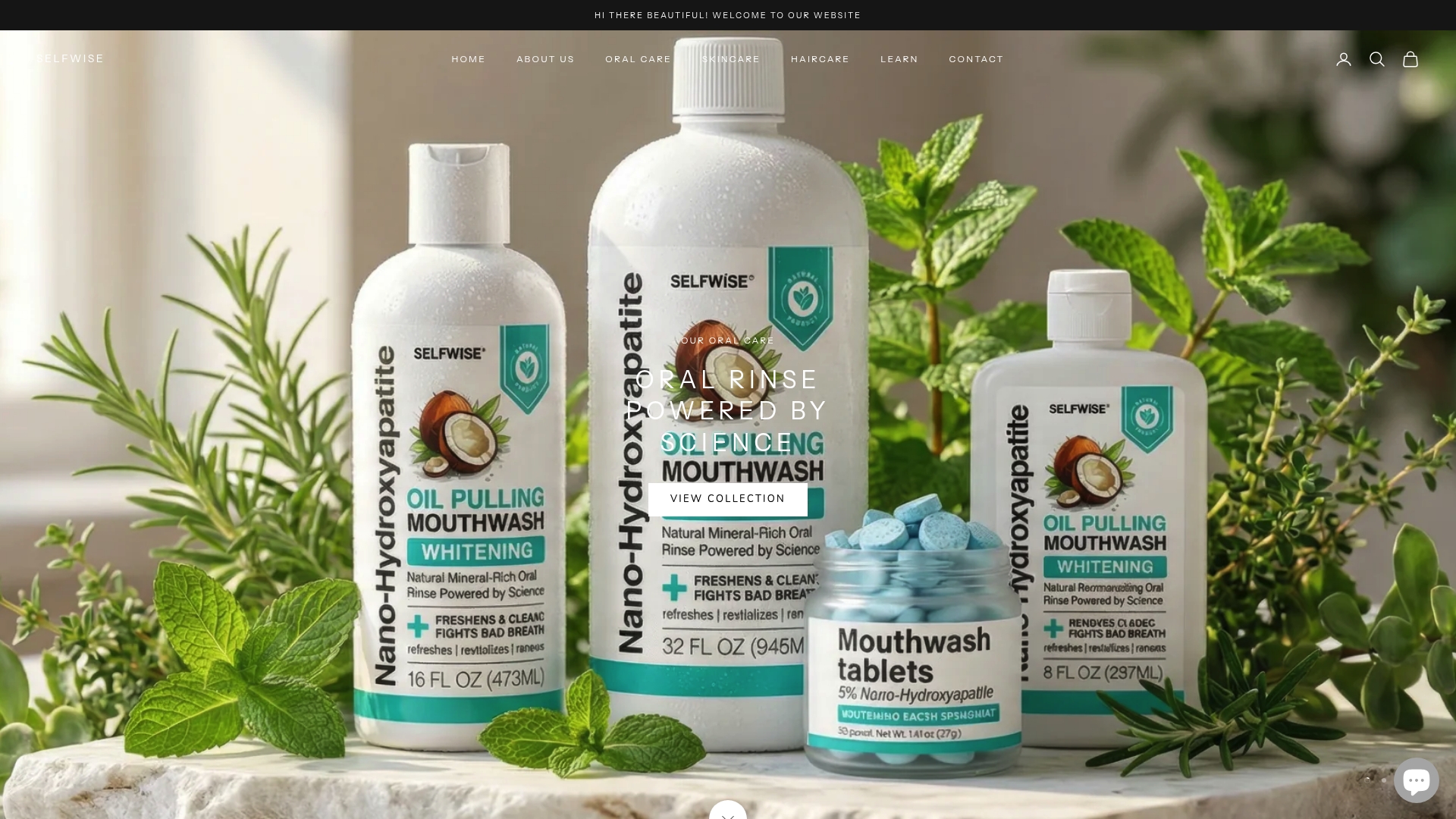
If you are ready to replace harsh chemicals with ingredients that actually support your mouth, Selfwisebrand has built its entire product line around that goal. The nano hydroxyapatite mouthwash tablets deliver enamel-remineralizing minerals in a format free from alcohol, SLS, and artificial dyes. For a more traditional rinse experience, the oil pulling mouthwash with nano hydroxyapatite combines the bacterial-binding benefits of oil pulling with targeted enamel support. Browse the full fluoride-free oral care collection to find the right starting point for your clean dental routine.
FAQ
What does it mean to detox your oral care routine?
It means removing products that contain disruptive chemicals like SLS, high-alcohol bases, and parabens, and replacing them with natural alternatives that support your oral microbiome and enamel health.
Is nano hydroxyapatite a safe fluoride alternative?
Yes. Nano-hydroxyapatite remineralizes enamel by mimicking the mineral structure of teeth and is widely supported by dentists as a fluoride-free option for cavity protection and sensitivity reduction.
How long does it take to see results from a natural oral care routine?
Enamel remineralization and microbiome rebalancing are gradual processes. Most people notice reduced sensitivity and improved gum comfort within four to eight weeks of consistent use.
Can oil pulling replace brushing and flossing?
No. Oil pulling supports microbiome balance and reduces bacterial load, but it does not remove plaque mechanically. It works best as a complement to brushing and interdental cleaning, not a replacement.
Why should I avoid chlorhexidine mouthwash daily?
Chlorhexidine overuse disrupts the oral microbiome, stains teeth, and alters taste. Dentists recommend limiting its use to short treatment courses of no more than two weeks.