Article: Pregnancy Safe Oil Pulling: 5–10 mL, 2–3 Minute Method

Pregnancy Safe Oil Pulling: 5–10 mL, 2–3 Minute Method
Oil pulling is generally considered low-risk during pregnancy when done gently with a food-grade oil that you spit out rather than swallow, but the evidence for pregnancy-specific benefits is limited. It works only as an optional add-on, never a substitute for brushing, flossing, fluoride toothpaste, or regular dental visits. Stop right away if it triggers nausea, gagging, or any sign of an allergic reaction, and check with your dentist or OB-GYN if something feels off.
TL;DR:
- Oil pulling may temporarily reduce bacterial counts in saliva but has no proven benefit for preventing cavities or improving gum health during pregnancy.
- Short swishing sessions of two to three minutes with food-grade oils are safer and more comfortable, especially in early pregnancy.
- Swallowing oil can cause stomach upset, and long, vigorous swishing may trigger nausea, making conservative use advisable.
- Routine dental treatments are safe during pregnancy and should not be delayed; oil pulling is an optional supplement, not a substitute.
- Claims that oil pulling whitens teeth or detoxifies the body are unsupported and may lead to unrealistic expectations.
Table of Contents
- What the research actually shows about oil pulling
- What benefits you can reasonably expect and what it does not do
- Safety, risks, and pregnancy-specific cautions
- Pregnancy-friendly oil pulling: a gentler technique
- Better-supported responses to common pregnancy oral concerns
- How we think about oil pulling as part of a pregnancy-safe routine
- Where conventional oil pulling advice gets it wrong
- A pregnancy-aware way to try natural oral care
- FAQ
- Sources
What the research actually shows about oil pulling
The science on oil pulling is thinner than social media suggests. A systematic review and meta-analysis found that swishing with oil reduced overall salivary bacterial colony counts in several trials, but results for plaque and gingival index improvement were inconsistent across studies. The trials included were short, used different oils and timeframes, and measured outcomes in different ways, which makes it hard to draw firm conclusions.
A 2022 meta-analysis found a measurable drop in overall salivary bacterial counts with oil pulling, but no consistent benefit for plaque or gingival index scores across the pooled trials. That gap between “fewer bacteria” and “healthier gums” matters because bacterial counts alone do not predict whether gum disease improves.
The American Dental Association has weighed in directly: there isn’t enough reliable evidence that oil pulling prevents cavities, whitens teeth, or meaningfully improves oral health on its own. For a pregnant reader, this translates into a simple rule of thumb:
- Oil pulling may lower bacterial load in your mouth for a short window after swishing.
- It has not been shown to reliably prevent cavities or treat gum disease.
- Short, small, heterogeneous studies mean the findings carry low certainty and may not hold up in larger trials.
“Low certainty” doesn’t mean the research is wrong. It means the sample sizes are small, the study designs vary, and future research could shift the picture. Treat any claims about oil pulling, including the ones in this article, as provisional rather than settled.
What benefits you can reasonably expect and what it does not do
Setting realistic expectations keeps you from either dismissing oil pulling entirely or expecting it to replace your toothbrush. Short-term studies suggest a few modest, temporary effects worth knowing about:
- A short-term reduction in overall bacterial load in saliva after swishing.
- Some improvement in breath odor in certain trials, likely tied to that bacterial reduction.
- A sense of loosened food debris, though this is anecdotal rather than measured in trials.
What it doesn’t reliably do is just as important. Oil pulling is not supported as a cavity-prevention method, a long-term plaque-control strategy, a treatment for existing gum disease, or a whitening technique, according to the ADA. That distinction matters more in pregnancy because hormonal shifts raise your risk of pregnancy gingivitis, a condition that needs actual periodontal care, not just swishing, to manage well.
Pro Tip: Think of oil pulling as a breath-freshening extra, not a gum-disease treatment, and keep your regular cleanings on schedule.
Safety, risks, and pregnancy-specific cautions
The main risks with oil pulling during pregnancy are behavioral rather than toxic. Swallowing small amounts of food-grade oil is unlikely to cause serious harm, but the ADA has noted that swallowing oil can upset your stomach, which is the last thing you want on top of pregnancy nausea.
A few practical cautions apply specifically to pregnancy:
- Avoid swallowing the oil: repeated swallowing or accidental aspiration can cause coughing, gagging, or digestive upset.
- Skip the popular long swishing sessions often recommended online can increase the chance of triggering nausea, especially in the first trimester.
- Check for allergies before choosing an oil: nut-based oils are best avoided if you have a known nut allergy, and any oil that causes irritation should be dropped immediately.
- Watch for red flags: persistent gum bleeding, swelling, fever, facial swelling, or severe pain are signs to contact your dentist or OB-GYN promptly rather than trying to manage them with home remedies.
Routine and urgent dental care, including procedures with local anesthetic and radiographs with proper shielding, is considered safe throughout pregnancy, so there’s no need to postpone treatment out of caution.
Pregnancy-friendly oil pulling: a gentler technique
If you decide to try oil pulling, a conservative approach reduces the chance of nausea or gagging while still giving you a shot at the modest benefits research supports.
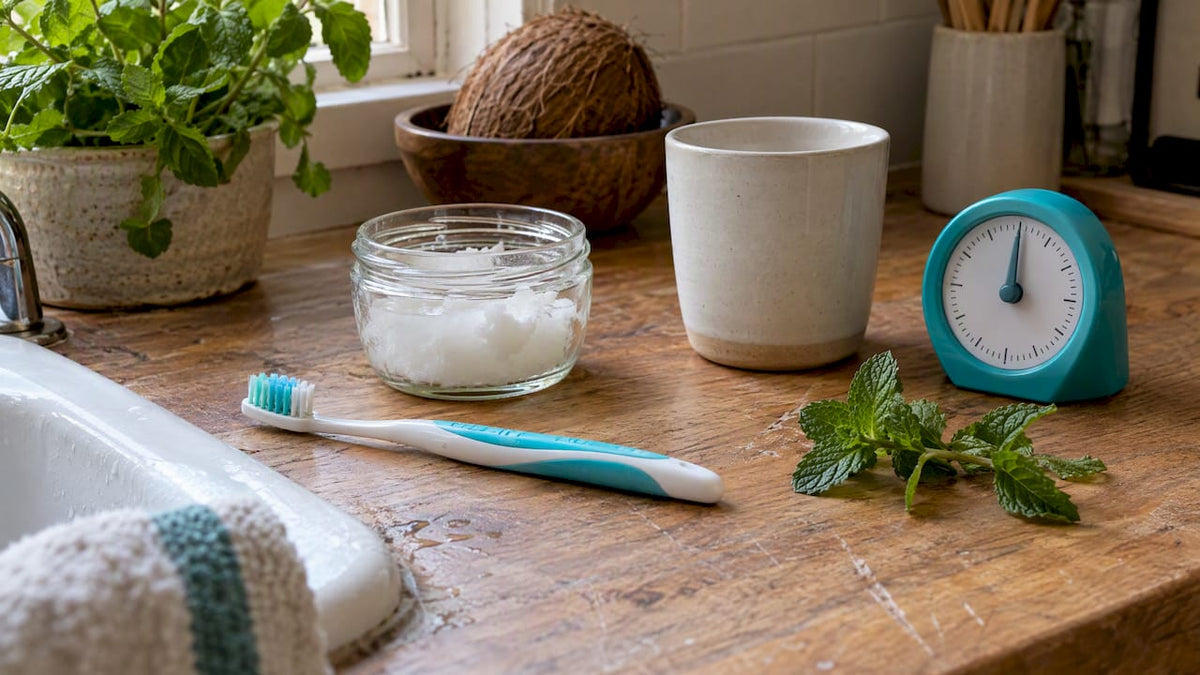
- Choose a food-grade oil such as coconut, sesame, or sunflower, and measure out a small amount, around 5 to 10 mL, roughly one teaspoon.
- Swish gently for a short period, starting at two to three minutes rather than forcing a full 15 to 20 minute session.
- Stop immediately if you feel queasy, gag, or notice any discomfort: there’s no benefit worth pushing through nausea for.
- Spit the oil into a tissue or the trash, not the sink, since oil can clog pipes over time.
- Rinse your mouth with water, then brush with fluoride toothpaste and floss as you normally would.
Pro Tip: If you’ve just vomited, rinse first with a baking-soda solution before brushing or oil pulling, since brushing acid-softened enamel right after vomiting can wear it down faster.
Our guide to common oil pulling mistakes covers more detail on technique pitfalls, and our beginner’s walkthrough breaks down timing and rinsing step by step if you want a fuller picture before starting.
Better-supported responses to common pregnancy oral concerns
For issues that come up often during pregnancy, oil pulling isn’t the most effective tool. A few evidence-based responses work better:
- After vomiting, rinse with a solution of 1 teaspoon baking soda in 1 cup of water to neutralize stomach acid before brushing, since oil pulling does not neutralize acid the way baking soda does.
- For gum inflammation that doesn’t improve with better brushing and flossing, a dental professional may recommend a chlorhexidine rinse or xylitol-based products, though pregnancy-specific research on these remains limited.
- Preventive, diagnostic, and emergency dental treatments, including those requiring local anesthetic, are appropriate during pregnancy and shouldn’t be delayed out of worry.
How we think about oil pulling as part of a pregnancy-safe routine
Our take, consistent with the research above, is that oil pulling earns a spot as a gentle, optional extra, never the foundation of your oral care during pregnancy. We recommend using food-grade oils and keeping instructions conservative, favoring shorter sessions over marathon swishing routines that are more likely to backfire during a nauseous trimester. Our Natural Oral Care Guide and our guide to choosing oils go deeper on ingredient choices and common mistakes if you want to build out a fuller routine around brushing, flossing, and dental visits.

Where conventional oil pulling advice gets it wrong
The biggest problem with most oil pulling advice online isn’t that it’s unsafe. It’s that it overpromises. Long swishing sessions, dramatic detox claims, and cavity-prevention promises set expectations the research simply doesn’t support, and that gap is what leads some pregnant readers to either push through nausea trying to hit a 20-minute mark or delay a dental visit because they think swishing oil is doing the job instead.
What the evidence actually supports is modest: a short-term dip in bacterial load and maybe fresher breath, nothing more. The reader’s priority list should run in this order: keep brushing with fluoride toothpaste, keep flossing, keep your dental appointments, and treat oil pulling as a minor extra you can drop the moment it feels uncomfortable. Pregnancy gingivitis responds to real periodontal care, not swishing. If you want to try oil pulling, do it because it’s a pleasant, low-stakes habit, not because you expect it to replace anything your dentist does.
— Viktor
A pregnancy-aware way to try natural oral care
Some oil pulling and mouthwash formulas are built with food-grade, pregnancy-aware ingredients, so you can try a gentler routine without guessing what’s in the bottle. Check the ingredient list against anything your prenatal provider has flagged, and talk to them before changing your routine.
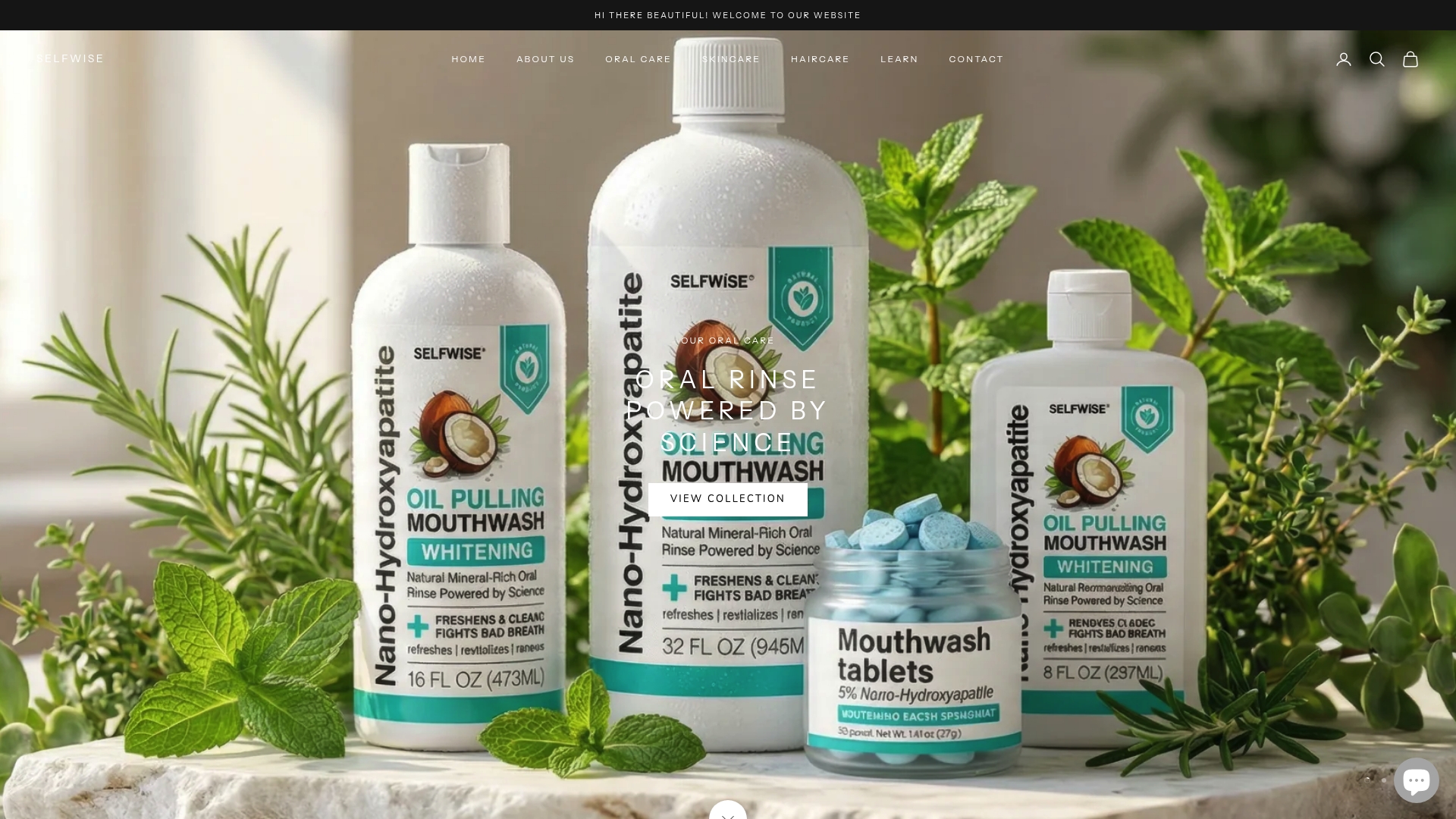
Browse our oral care collection to see the full range, including formulas designed for shorter, gentler sessions.
This article is general information, not a substitute for advice from a qualified doctor. Consult a qualified healthcare professional about your own circumstances before acting on anything here.
FAQ
Can you do oil pulling during pregnancy?
Yes, gentle oil pulling with a food-grade oil is generally considered low-risk during pregnancy as long as you don’t swallow it and stop if it causes nausea or gagging. It should stay an optional extra alongside brushing, flossing, and regular dental visits, not a replacement for them.
How to calm a baby in the womb?
This question falls outside oral health and pregnancy oral care, which is the focus of our research here. For guidance on fetal movement and comfort measures, your OB-GYN or midwife is the right resource.
What helps morning sickness in the first trimester?
Morning sickness relief isn’t something we cover here, but one oral care tip worth knowing is that after vomiting, rinsing with a baking-soda solution before brushing protects enamel that’s been softened by stomach acid. For broader nausea management, ask your prenatal provider.
Is it safe to go to the dentist while pregnant?
Yes, routine and urgent dental care, including treatments with local anesthetic and radiographs with proper shielding, is considered safe throughout pregnancy. Delaying needed dental treatment is not recommended and can allow issues like gingivitis to worsen.
Does oil pulling replace brushing and flossing during pregnancy?
No, oil pulling does not replace brushing and flossing, and the ADA states there isn’t enough evidence that it prevents cavities or whitens teeth on its own. It can sit alongside your regular routine as a minor extra, not in place of fluoride toothpaste or floss.
Sources
- Oil pulling: Do dentists think it’s worth trying? | American Dental Association
- Oral Health Care During Pregnancy and Through the Lifespan | ACOG
- Meta-analytic and interventional studies on oil pulling (PMC article)