
48 Hour Patch Test Before Castor Oil: Hair Side Effects to Watch
Castor oil rarely causes serious harm, but it is not risk-free: the most common problems are irritant or allergic skin reactions, clogged follicles from buildup, and, in rare documented cases, irreversible hair matting. It can make hair look shinier and feel more lubricated, though solid evidence for regrowth is thin. Patch-test first, keep it away from your eyes and broken skin, and stop immediately if you notice swelling, blistering, or spreading redness.
TL;DR:
- Castor oil can cause irritant contact dermatitis and rare cases of hair matting, especially if applied to broken skin or in excess.
- Evidence supporting castor oil’s effectiveness for hair regrowth is weak, with most benefits limited to cosmetic shine and manageability.
- People with sensitive skin, eczema, or scalp conditions should patch-test and avoid applying castor oil near the eyes or broken skin.
- Diluting castor oil with lighter carrier oils and applying in sections reduces the risk of buildup, irritation, and hair felting.
- Sudden or patchy hair loss after use is unlikely caused by castor oil and warrants professional evaluation for other underlying causes.
Table of Contents
- What Castor Oil Side Effects Actually Look Like
- What the Research and Case Reports Actually Show
- Who’s More Likely to React, and How to Patch-Test First
- If You React or Notice Hair Loss: What to Do Next
- How to Use Castor Oil With Less Risk
- Weighing Tradition Against What the Evidence Actually Shows
- Safer Castor Oil Options for Your Hair
- FAQ
- Sources
What Castor Oil Side Effects Actually Look Like
Most reactions to castor oil fall into a handful of recognizable patterns, and knowing which one you are dealing with changes what you should do next.
Irritant contact dermatitis is the most frequent complaint: redness, burning, and flaky or scaly skin where the oil sat for too long or under a covering that trapped moisture against the scalp. It usually shows up fast, within hours of application, and tends to resolve once you stop using the product.
Allergic contact dermatitis is different and less predictable. It is a delayed immune response, often to the castor oil itself or to additives like hydrogenated castor oil derivatives, fragrance, or preservatives in a formulated product, and it can appear a day or two after exposure rather than immediately.
- Folliculitis and scalp acne: small, tender bumps from clogged pores when oil sits on unwashed hair for days.
- Buildup and greasy roots: residue that makes hair harder to style or wash out, especially with frequent heavy application.
- Acute hair felting: a rare, documented phenomenon where saturated hair Matt into an irreversible tangle after vigorous washing.
A 2022 systematic review of 22 studies found only weak evidence that castor oil improves hair quality or shine, and no strong evidence that it regrows hair. That gap between folklore and proof matters when you’re weighing the risk of a reaction against a benefit that may be mostly cosmetic.
What the Research and Case Reports Actually Show
The evidence on castor oil splits into two separate questions: does it work, and can it hurt you? The answers are not symmetrical.
On effectiveness, the picture is modest. The same 2022 systematic review concluded there isn’t strong support for castor oil as a regrowth treatment, even though it may add shine and manageability by coating the hair shaft.
- The review found weak evidence for cosmetic benefits like luster, and no strong evidence for regrowth.
- DermNet describes allergic contact dermatitis from cosmetics as typically delayed, which is why a same-day check misses some reactions.
- A published case report of acute hair felting documented irreversible matting after coconut and castor oil application, where the oil’s high viscosity contributed to the tangling.
Allergic contact dermatitis to cosmetics is usually delayed in onset, and patch testing remains useful for identifying the responsible ingredient.
This mix of evidence suggests the real-world risk for most people is low-grade irritation, with allergy and felting as uncommon but real possibilities worth planning around rather than ignoring.
Who’s More Likely to React, and How to Patch-Test First
Some people carry a higher baseline risk. A history of eczema, prior reactions to cosmetic oils or fragrances, generally sensitive skin, or any open cuts or scalp conditions all raise the odds of a reaction.
- Apply a small amount of castor oil to your inner forearm or just behind your ear.
- Leave it uncovered, following your product’s specific directions.
- Check the area at 24 hours, then again at 48 hours, since allergic reactions often show up late.
- If there’s no redness, itching, or swelling after 48 hours, a small scalp application is reasonable to try next.
Keep the oil away from your eyes, lips, and any mucous membranes, and never apply it to broken or actively irritated skin.
Pro Tip: A clean patch test today doesn’t guarantee safety forever: sensitization can develop after repeated exposure, so recheck if you notice new itching weeks or months into regular use.

If You React or Notice Hair Loss: What to Do Next
A mild reaction usually calls for simple self-care. Stop using the product right away, rinse the area gently with a mild cleanser and lukewarm water, and apply a cool compress or a basic emollient if the skin feels tight or inflamed.
Some symptoms need faster attention than a wait-and-see approach allows.
- Seek emergency care for facial or eyelid swelling, trouble breathing, blistering, or hives spreading rapidly across your body.
- See a dermatologist for hair loss that is sudden, patchy, or accompanied by scalp pain, oozing, or crusting.
- Mayo Clinic advises evaluation for hair loss that is sudden or more severe than usual, since early assessment can rule out conditions that risk permanent scarring.
- A clinician may take a history, do a pull test, run patch testing, order bloodworm, or recommend a scalp biopsy if a scarring alopecia is suspected.
Don’t assume every bout of shedding traces back to the oil you used last week. Diagnosing the actual cause matters more than eliminating one ingredient at a time.
How to Use Castor Oil With Less Risk
If you still want to try it, a few adjustments cut down most of the common problems.
- Choose a cosmetic-grade castor oil labeled for topical use, not an industrial or medicinal-grade product.
- Dilute it with a lighter carrier oil, such as jojoba or sweet almond oil, at roughly a 1:1 or 1:2 ratio depending on how thick your hair is.
- Apply a small amount to your scalp or hair shafts with your fingertips, working section by section rather than saturating long hair all at once.
- Avoid any broken skin or the eye area entirely.
- Wash it out with a gentle clarifying shampoo, detangling before you rinse rather than scrubbing vigorously while wet.
- Start with once-weekly use and watch for buildup or irritation before using it more often; skip hot-oil variations until you know how your scalp responds.
Pro Tip: Saturated long hair plus vigorous washing is the exact combination behind documented felting cases, so apply oil in sections and detangle before you rinse, not after.
Our guide on castor oil scalp massage walks through a step-by-step routine, and our breakdown of dilution ratios for dandruff-prone scalps covers specific ratios if your scalp runs oily or flaky.
Weighing Tradition Against What the Evidence Actually Shows
Castor oil has a long history as a hair and skin treatment, and that history isn’t nothing: it can genuinely add shine, reduce friction, and make hair easier to manage. What it hasn’t earned is the reputation as a follicle-level regrowth treatment. The 2022 review’s conclusion, weak evidence for cosmetic gains and no strong evidence for regrowth, should temper expectations without dismissing the oil entirely.
The bigger mistake we see is treating every case of thinning or shedding as something caused by a topical product, when the real driver is often hormonal, nutritional, or genetic, as detailed in Alopecia: causas, tipos y tratamientos con evidencia. Our focus, across oral care and the hair and skin products we formulate, has always been on ingredients that do a defined job without overpromising. That same standard applies here: use castor oil for what it reliably does, and get patchy or sudden hair loss checked rather than blaming the oil by default.
— Viktor
Safer Castor Oil Options for Your Hair
If the reaction risk above makes you want a lighter-handed approach, we formulate our hair oils with safety-first ratios in mind, so you’re not guessing at dilution or application amounts on your own.
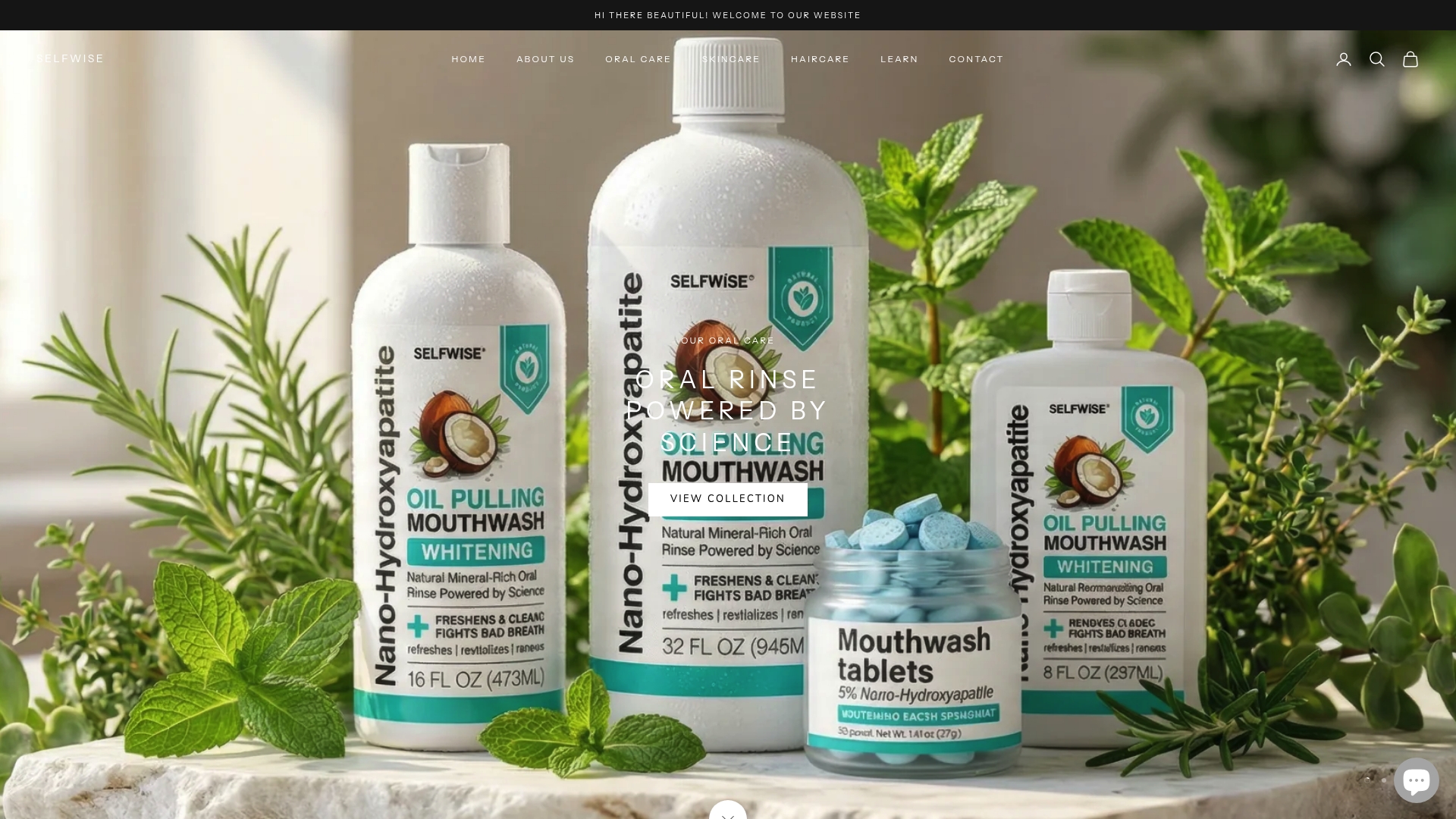
Our scalp care collection is built for people who want the lubrication and shine benefits without the heavy, undiluted application that tends to cause buildup or irritation. Before adding any new oil to your routine:
- Patch-test on your forearm first and wait the full 48 hours.
- Follow the label directions for frequency rather than applying daily.
- Watch your scalp for the first few weeks, not just your hair’s texture.
Browse our haircare essentials to find a formulated option that fits your scalp type.
This article is general information, not a substitute for advice from a qualified doctor. Consult a qualified healthcare professional about your own circumstances before acting on anything here.
FAQ
Can castor oil really regrow hair?
The evidence doesn’t support that claim strongly. A 2022 systematic review found only weak evidence for cosmetic improvements like shine, and no strong evidence that castor oil stimulates regrowth.
Which oil is better, rosemary or castor?
Both are popular in natural haircare, but they’re studied for different things: castor oil is mainly linked to cosmetic conditioning, while rosemary oil has been researched separately for scalp effects. Neither has strong clinical evidence specifically proving hair regrowth, so the better choice often comes down to which one your scalp tolerates without irritation.
Is it okay to apply castor oil directly on hair?
Undiluted castor oil can be applied to hair, but it’s thick enough that it often causes buildup or, in rare documented cases, contributes to hair felting on long hair. Diluting it with a lighter carrier oil and applying it in sections reduces both risks.
Why is my hair falling out after using castor oil?
Castor oil itself isn’t a well-documented cause of hair loss, and shedding that follows its use may be coincidental rather than caused by the oil. Mayo Clinic recommends medical evaluation for hair loss that is sudden, patchy, or more severe than usual, since other causes are more common.
Sources
- Journal of Drugs in Dermatology systematic review (2022)
- DermNet: Contact reactions to cosmetics
- Case report: acute hair felting after coconut and castor oil application (PMC)
- Mayo Clinic: Hair loss — symptoms and causes