Article: Wait 15 Minutes to Oil Pull After Brushing Without Losing Fluoride
Wait 15 Minutes to Oil Pull After Brushing Without Losing Fluoride
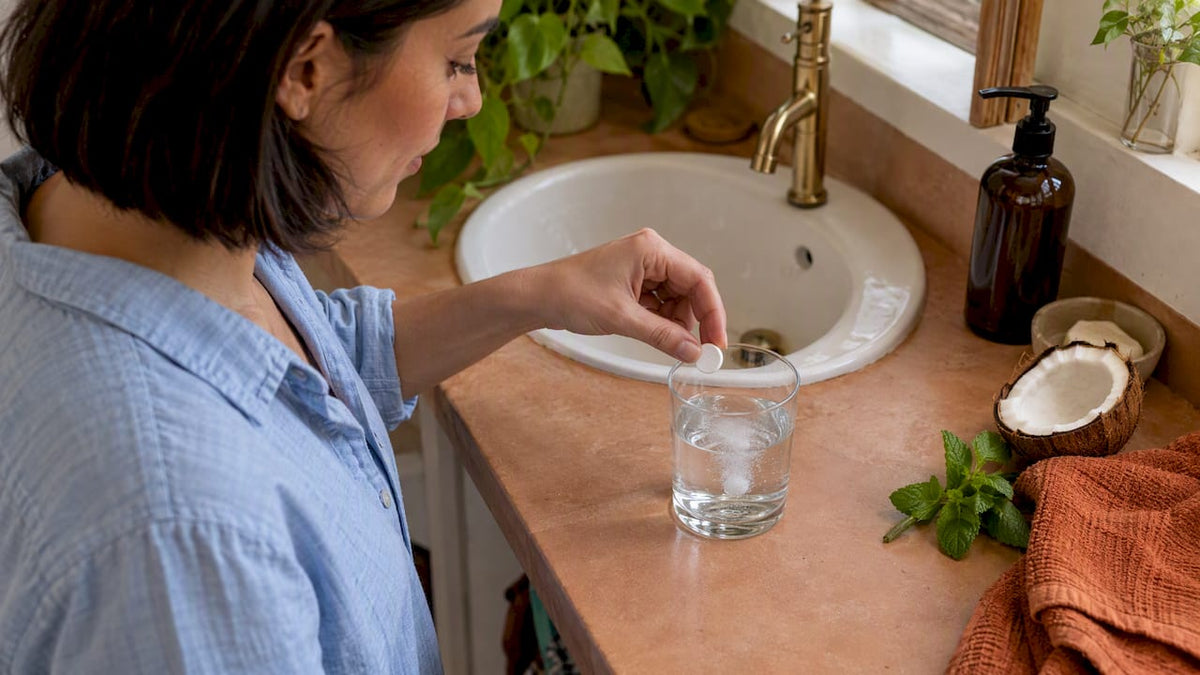
If you want the strongest cavity protection, brush with fluoride toothpaste first, spit without rinsing, and wait before you oil pull. The main reason is fluoride contact time: rinsing too soon can wash away the fluoride your enamel needs. If you already brushed and rinsed, oil pulling now is still fine, just skip gargling and don’t swallow the oil.
TL;DR:
- Rinsing with water immediately after brushing can wash away fluoride, so wait at least 15 minutes before oil pulling to maximize cavity protection.
- Oil pulling shows some short-term benefits for gum health and reducing salivary bacteria, but evidence remains limited and of very low certainty.
- People with dental work, swallowing problems, or aspiration risk should be cautious, as oil inhalation can cause rare but serious lung conditions.
- For optimal fluoride contact, brush first with fluoride toothpaste, spit without rinsing, and wait before oil pulling; oil pull before brushing is also acceptable.
- Daily oil pulling is safe for most when spat out properly, but it should supplement, not replace, regular brushing and dental care.
Table of Contents
- Choosing a routine that fits your risk profile
- Why timing matters: fluoride, rinsing, and contact time
- What the research actually shows
- How to oil pull safely: step by step
- Risks, warning signs, and who should be cautious
- Fitting oil pulling into your daily routine
- Where Selfwise fits into safe, informed oil pulling
- My take on the timing debate
- Natural oral care options that support this routine
- FAQ
- Sources
Choosing a routine that fits your risk profile
Most people can pick between two reasonable sequences, and the right one depends on how worried you are about cavities versus how much you care about the clean feeling oil pulling leaves behind.
- Cavity-conscious routine: brush with fluoride toothpaste, spit out the excess, skip the water rinse, and wait for a brief period before you start oil pulling.
- Clean-feel routine: oil pull first thing, spit, then brush with fluoride toothpaste as your last step so the fluoride sits on your teeth undisturbed.
- Dental work routine: if you have crowns, veneers, or recent fillings, oil pull gently and avoid aggressive swishing near new restorations until your dentist confirms they’ve fully set.
Morning oil pulling on an empty stomach is the most common habit, partly because there’s no food debris to deal with yet. Evening oil pulling works too, as long as it doesn’t replace your nightly brushing. Either sequence is acceptable; what matters more is consistency and not treating oil pulling as a stand-in for brushing and flossing.
Why timing matters: fluoride, rinsing, and contact time
Fluoride works by sitting on the tooth surface and being absorbed into enamel over time, which helps the enamel resist acid attacks and even re-harden slightly weakened spots. That process needs contact time to do its job, which is why what you do in the minutes right after brushing actually matters.
Swishing water, mouthwash, or oil right after brushing can physically remove the fluoride film before it has had a chance to work. The American Dental Association’s guidance recommends spitting out toothpaste but avoiding a water rinse immediately afterward, specifically so fluoride stays on the teeth longer. People at higher cavity risk are advised to be especially careful about this.
One practical rule of thumb: the ADA’s advice to avoid rinsing with water right after brushing is the clearest guidance available on preserving fluoride’s protective effect, and it applies directly to anyone deciding when to oil pull.
A few simple habits make this easier to manage day to day:
- Spit out excess toothpaste instead of rinsing with water.
- Wait a short while before oil pulling if you brushed first and want full fluoride benefit.
- If you’re prone to cavities, consider oil pulling before brushing instead, so your last step is fluoride with nothing after it.
What the research actually shows
The evidence for oil pulling is real but limited, and it’s worth being honest about both sides. A systematic review and meta-analysis of oil pulling versus chlorhexidine and other mouthwashes found a probable improvement in gingival health measures compared with non-chlorhexidine controls, but rated the overall quality of evidence as very low, and found chlorhexidine more effective at reducing plaque.
A separate systematic review focused on coconut oil pulling found some short-term reductions in salivary bacterial counts and plaque index across small randomized trials, but the trials varied widely in design and carried notable risk of bias.
The overall certainty of evidence for oil pulling’s benefits on gum health is graded very low, even where results trend positive.
A few patterns show up across this research:
- Most trials run for only a few weeks and involve small groups of participants.
- Studies use different oils, swishing durations, and measurement methods, making it hard to compare results directly.
- Benefits, when found, tend to be modest and focused on gingival inflammation rather than dramatic changes in oral health.
There’s also a safety side to the evidence. Case reports describe lipoid pneumonia in people who practiced habitual sesame oil pulling, with imaging and lung tissue findings consistent with oil aspiration. These cases are rare, but they’re real, and they reinforce a point dental professionals make consistently: oil pulling is an adjunct, not a replacement for brushing, flossing, and professional dental care.
How to oil pull safely: step by step
If you decide to try it, technique matters more than most people assume. Here’s a straightforward approach:
- Measure about one tablespoon of oil, slightly less if you have a smaller mouth or are new to the practice.
- Put the oil in your mouth and start swishing gently, moving it between your teeth without gargling or tilting your head back.
- Keep your swishing relaxed rather than vigorous. This isn’t mouthwash, and forceful swishing raises the risk of accidentally swallowing or inhaling oil.
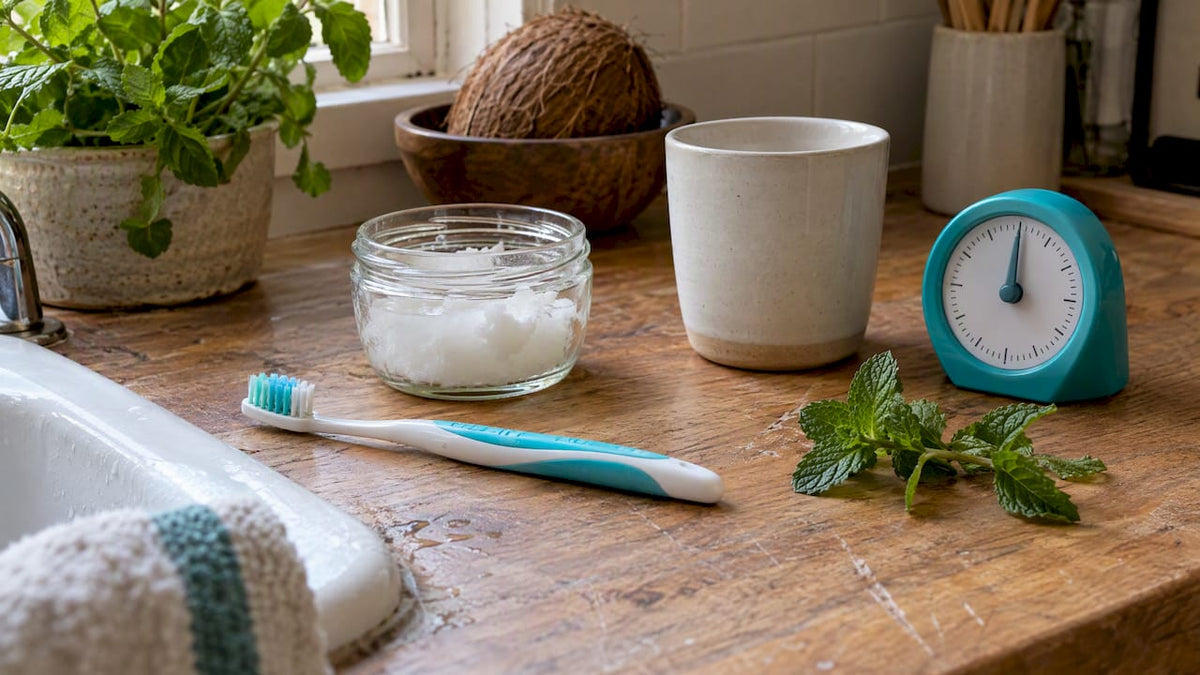
- Aim for 5 to 15 minutes, adjusting based on your comfort and jaw fatigue rather than forcing a specific time.
- Spit the oil into a trash can or tissue rather than the sink, since oil can build up in pipes over time.
- Rinse your mouth with water afterward if you oil pulled before brushing, then follow with your regular fluoride brushing step.
Coconut oil is popular for its mild taste and lauric acid content, which makes it pleasant for beginners. Sesame oil has a longer history of traditional use but carries the case reports of lipoid pneumonia mentioned above, so people who choose it should be especially careful with technique. Sunflower and olive oil are milder alternatives with less research behind them but no specific red flags reported.
If you have a sensitive gag reflex, trouble swallowing, or any breathing condition, start with a much shorter swish, maybe one or two minutes, and consider trying it for the first time when someone else is nearby. Anyone with diagnosed swallowing difficulties should check with their healthcare provider before starting.
Pro Tip: Start with five minutes for your first week and build up gradually. Spitting into a tissue and tossing it in the trash avoids the slow pipe buildup that oil can cause over months of sink spitting.

Risks, warning signs, and who should be cautious
The most serious documented risk is exogenous lipoid pneumonia, a lung condition caused by inhaling small amounts of oil over time rather than keeping it fully contained in the mouth. Clinical reference literature on lipoid pneumonia lists oil-based oral and nasal practices among recognized risk factors, and recommends removing the oil exposure as the primary treatment once it’s diagnosed.
Some groups face higher risk and should be more cautious or avoid oil pulling altogether:
- People with dysphagia, reflux, or neurological conditions that affect swallowing.
- Young children, who are more likely to swallow oil accidentally.
- Older adults or anyone prone to coughing or aspiration during swishing.
If you notice a new cough, shortness of breath, or persistent chest symptoms after starting oil pulling, stop the practice and see a doctor. These symptoms are uncommon, but they’re the clearest signal that oil may have been aspirated rather than fully controlled in the mouth.
Fitting oil pulling into your daily routine
Oil pulling works best as an occasional add-on, not a daily replacement for brushing and flossing. Most people who stick with it do it three to seven times a week, often reporting fresher breath, though the clinical evidence for that specific benefit is thinner than the anecdotal enthusiasm around it.
- If you brush first, wait about 15 minutes before oil pulling, or flip the order and oil pull before you brush.
- Flossing can happen before or after oil pulling since it doesn’t interact with fluoride contact time the way rinsing does.
- Many natural mouthwashes contain little or no fluoride, so using one after brushing instead of rinsing with water is a reasonable way to protect fluoride contact time while still refreshing your mouth.
None of this replaces a dentist’s advice for active decay, gum disease, or other dental issues that need professional treatment.
Where Selfwise fits into safe, informed oil pulling
Some natural oral care brands focus on ingredients with both traditional use and current research behind them, including oil pulling, nano hydroxyapatite, and xylitol. Readers figuring out timing and technique can find more detail in guides on oil pulling technique for beginners and how long to oil pull for real benefits, both of which walk through the same fluoride-timing considerations covered here.
Our position is straightforward: oil pulling is a reasonable adjunct when it’s done with sensible technique and realistic expectations, not a cure-all and not a replacement for brushing, flossing, or seeing a dentist. If you have existing dental work, gum disease, or a swallowing condition, talk to your dentist before adding oil pulling to your routine. A general dentistry practice can also help you weigh oil pulling against your specific oral health history during a regular checkup.

My take on the timing debate
The timing question gets more attention than it deserves. What actually moves the needle is whether you’re brushing with fluoride consistently and not using oil pulling as an excuse to skip it. If you’re cavity-prone, the simplest fix is brushing with fluoride, waiting 15 minutes, then oil pulling if you still want to.
— Viktor
Natural oral care options that support this routine
Selfwise builds products for people who want a natural routine without guessing which ingredients actually help. Our oral care collection includes mouthwash tablets and rinses designed to complement oil pulling rather than compete with it, along with remineralizing alternatives to conventional toothpaste built around nano hydroxyapatite and xylitol.
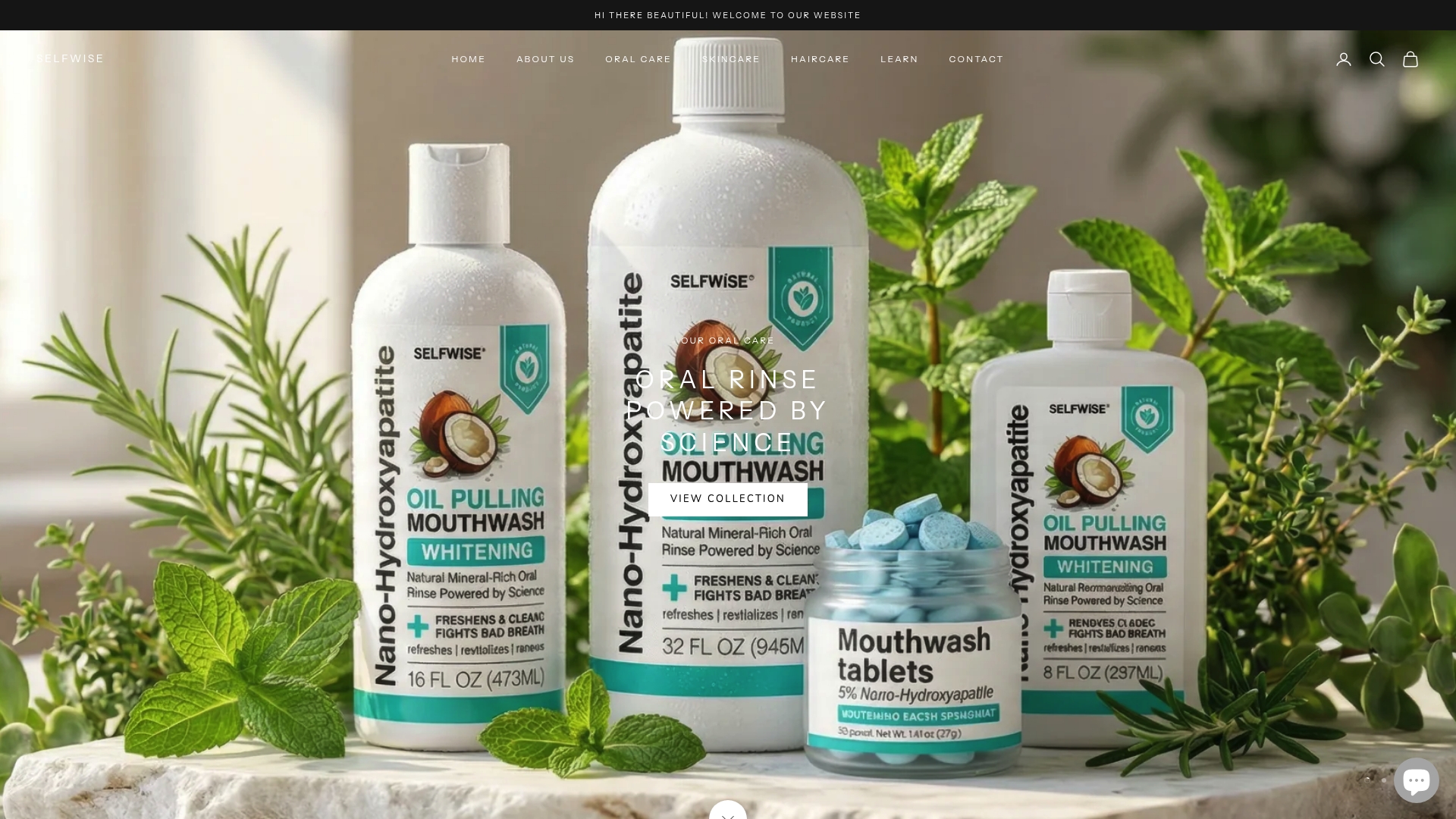
- Oil-pull-friendly rinses that skip harsh chemicals and alcohol.
- Mouthwash tablets for a fluoride-free refresh after brushing.
- Remineralizing toothpaste alternatives formulated with nano hydroxyapatite.
If you’re building a natural oral care routine from the ground up, our oral care collection is a good place to see how these pieces fit together.
This article is general information, not a substitute for advice from a qualified doctor. Consult a qualified healthcare professional about your own circumstances before acting on anything here.
FAQ
Why do dentists not recommend oil pulling as a primary treatment?
Dentists generally view oil pulling as an adjunct rather than a proven primary treatment, since the evidence behind it is graded very low quality even when results trend positive, according to a systematic review and meta-analysis. Dental commentary also warns against using it in place of brushing, flossing, or professional treatment for active dental problems.
What happens if you oil pull every day?
Daily oil pulling is common practice for people chasing fresher breath and a cleaner feeling, and most people tolerate it without issue when they spit rather than swallow. The rare but serious risk is lipoid pneumonia from repeated oil aspiration, documented in case reports involving habitual sesame oil pulling, so technique and avoiding inhalation matter more than frequency alone.
What is the correct order for brushing and oil pulling?
Brushing with fluoride toothpaste first, spitting without rinsing, and waiting about 15 minutes before oil pulling preserves the most fluoride contact time, based on ADA guidance on rinsing after brushing. Oil pulling before brushing is also acceptable, especially for people who prioritize the clean feeling over maximizing fluoride exposure.
Can oil pulling remove plaque?
Some small randomized trials show short-term reductions in plaque index with oil pulling, but a systematic review and meta-analysis found chlorhexidine mouthwash more effective at reducing plaque overall. Oil pulling may offer a modest adjunct effect, but it isn’t a substitute for brushing and flossing to control plaque.
Sources
- The effect of oil pulling in comparison with chlorhexidine and other mouthwash interventions in promoting oral health: A systematic review and meta-analysis
- The effect of oil pulling with coconut oil to improve dental hygiene and oral health: A systematic review
- Rinsing immediately after brushing effects and recommendations | American Dental Association
- Lipoid Pneumonia - StatPearls - NCBI Bookshelf