Article: Xylitol and Pregnancy: What Is Safe and How Much
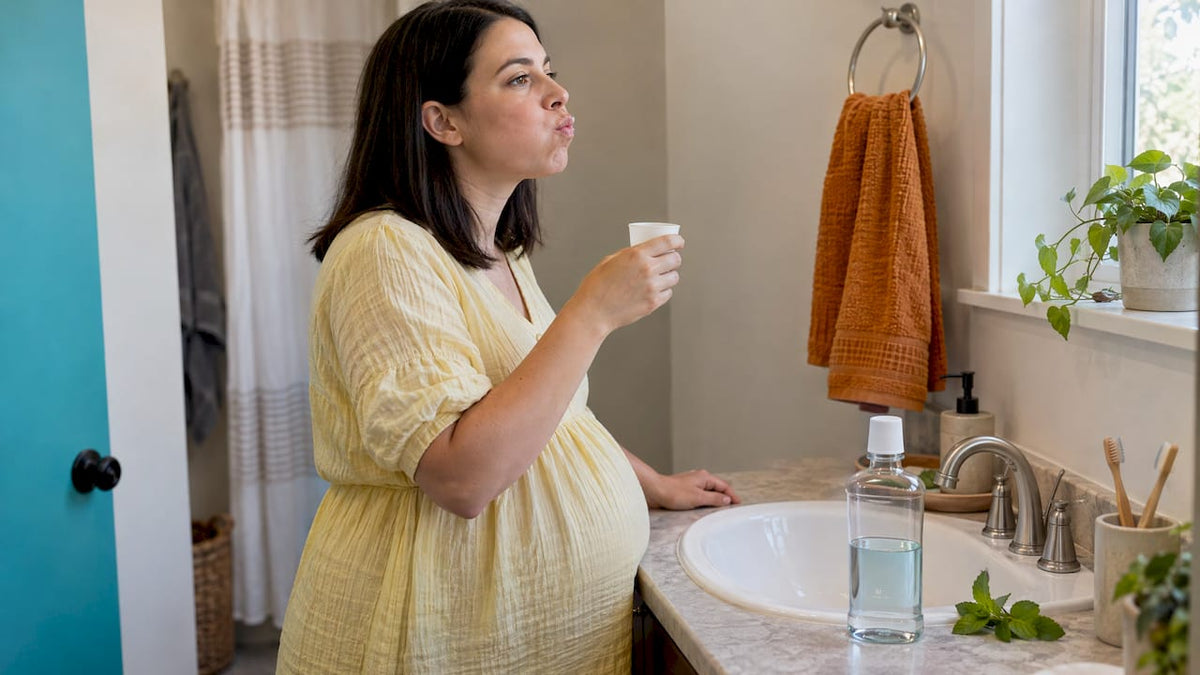
Xylitol and Pregnancy: What Is Safe and How Much
Xylitol in the small amounts found in gum, toothpaste and mouthwash is generally regarded as low-risk during pregnancy. A 2008 review in American Family Physician described topical xylitol as safe in pregnancy under the FDA’s former category B rating. The same review noted that the best dose was still unclear. Pregnancy-specific safety data are limited, so the practical approach is to keep amounts modest, rinse and spit rather than swallow, and mention any new oral care product to your OB-GYN, midwife or dentist.
This guide covers what xylitol is, what the research on pregnancy says, where the stomach-upset line sits, and how to fit a xylitol rinse into a natural routine while you are expecting.
TL;DR
- Xylitol is a sugar alcohol (a sweetener that is not sugar) found in small amounts in fruit and vegetables and added to gum, mints, toothpaste and mouthwash.
- A 2008 review described topical xylitol as safe in pregnancy under FDA category B, while noting that studies used different doses.
- Digestive symptoms such as gas, bloating and diarrhea are reported mainly above roughly 40 to 50 grams a day. Oral care products deliver a tiny fraction of that.
- A large trial in Malawi linked xylitol gum, started early in pregnancy, to fewer preterm and low-birthweight births.
- Rinse and spit, choose alcohol-free formulas, and tell your OB-GYN or dentist what you use.
Table of Contents
- What xylitol is and why it shows up in oral care
- Is xylitol safe while pregnant?
- Does xylitol gum lower the risk of preterm birth?
- How much xylitol is too much?
- Rinsing versus swallowing
- Xylitol in toothpaste and mouthwash during pregnancy
- Why an alcohol-free rinse suits pregnancy
- A simple pregnancy-friendly routine
- Our perspective
- Natural oral care for your pregnancy routine
- Frequently asked questions
- Sources
What xylitol is and why it shows up in oral care
Xylitol is a sugar alcohol. Despite the name, it contains no ethanol and does not intoxicate. It tastes about as sweet as sugar, but oral bacteria cannot ferment it into the acids that wear down enamel. That is why it is used in sugar-free gum, mints, toothpaste and mouthwash.
For people who want a gentler routine, xylitol does two jobs. It sweetens a rinse without feeding the bacteria that cause cavities, and it helps keep the mouth feeling fresh and moist. It pairs naturally with ingredients such as nano hydroxyapatite, a mineral form of the same compound that makes up most of your enamel, which is why many natural oral care routines combine them.
Pregnancy makes oral care matter more. Hormone changes can make gums more reactive, and morning sickness exposes teeth to stomach acid. A rinse that is alcohol-free, gentle and free of harsh chemicals suits many expecting people, which is why the question of xylitol safety comes up so often.
Is xylitol safe while pregnant?
The short answer: at the levels used in oral care, the available guidance is reassuring, and there is no reported pregnancy-specific harm from ordinary use. The longer answer has three parts.
What the medical literature says
The American Family Physician review of oral health in pregnancy, written for primary care doctors in the United States, described topical xylitol as safe in pregnancy under FDA category B. That was the old letter system the FDA used before it moved to narrative pregnancy labeling. The review also pointed out that studies had used different doses, so no single best dose had been established.
WebMD’s xylitol entry, updated in March 2026, states that it is not known whether or how xylitol might affect pregnancy. That is an honest reflection of the research: nobody has run large trials designed to find harm from xylitol in pregnancy, so the evidence is limited rather than alarming.
What this means in practice
The sensible reading is moderation. Food-level amounts are fine for most people. Oral care products are used in small quantities, held in the mouth and mostly spit out. They are very different from eating large amounts of xylitol-sweetened snacks or taking it as a bulk sweetener.
If you have a high-risk pregnancy, a history of food allergies, or you are on medication, ask your OB-GYN or midwife before adding any new supplement-style product. That is routine advice for any new ingredient in pregnancy, not a warning specific to xylitol.
Who should take extra care
People with a known allergy to xylitol should avoid it. Drugs.com notes that anaphylaxis has been reported, although this is uncommon. If a product ever causes hives, swelling or breathing trouble, stop using it and seek emergency care.
Does xylitol gum lower the risk of preterm birth?
This is the study behind most of the headlines you may have seen. In a cluster randomized trial published in the journal Med in November 2024, researchers followed 10,069 pregnant participants across eight sites in Malawi. Those who were given xylitol-containing chewing gum early in pregnancy had significantly fewer preterm and low-birthweight deliveries than those in the comparison group, who received oral health and perinatal education.
A few points help you read it sensibly:
- It tested gum, not mouthwash or toothpaste. The finding applies to chewing xylitol gum on a regular schedule, so it should not be stretched to other products.
- It was run in Malawi, a country with a high rate of preterm birth. Results may differ in the United States, where baseline rates and prenatal care are different.
- It was open-label. Participants knew which group they were in. That is common in cluster trials, but it is a reason researchers want replication.
The reason for the interest is the link between gum disease and preterm birth. Researchers have long suspected that oral bacteria and inflammation may play a role, so reducing oral bacterial load with xylitol is a plausible mechanism. It is a hypothesis under study, not a proven treatment, and no one should treat a stick of gum as a substitute for prenatal care.
What the trial does tell you is that regular xylitol gum use during pregnancy did not show a safety signal in a very large group. For readers asking whether xylitol is safe, that is useful context.
How much xylitol is too much?
The amount matters more than the ingredient. Xylitol is only partly absorbed in the gut, so a large dose draws water into the intestine and ferments in the colon. The result is the same for pregnant and non-pregnant adults.
Drugs.com reports that nausea, bloating, rumbling bowels, colic and diarrhea show up above about 40 to 50 grams a day. That cluster is a general adult figure, not a pregnancy-specific threshold. Pregnant people often have more sensitive digestion, so it is reasonable to stay well below it.
A 2025 systematic review of xylitol chewing gum studies, covering research from 1974 to 2024, found that the only discontinuation due to nausea among the included gum studies was one participant in a substudy. No other adverse effects were reported in those studies.
Here is how typical sources compare. Amounts are approximate and vary by brand, so always check the label.
| Source | Typical xylitol exposure | Notes |
|---|---|---|
| Xylitol mouthwash, rinsed and spat | Small; most is not swallowed | The usual route for a daily routine |
| Xylitol toothpaste | Small; spat out | Brushing habits keep exposure low |
| Xylitol gum or mints | Varies by product; often a gram or more per piece | Count pieces if you chew several a day |
| Xylitol as a baking sweetener | Can add up quickly | Larger amounts are where digestive upset occurs |
If you want a number to work with for teeth, our guide to xylitol dosage for teeth explains how many grams per day are typically discussed for dental use. Our article on xylitol side effects covers the symptoms in more detail.
Rinsing versus swallowing
A mouthwash is designed to be swished and spat out. Very little xylitol reaches your stomach this way, which is why side effects from a rinse are uncommon. Swallowing is different: it adds to your daily total and can bring on the digestive symptoms above. Our guide on why swallowing xylitol is different from rinsing with it walks through the numbers.
A few habits make rinsing easy during pregnancy:
- Rinse for the time on the label, then spit completely.
- If nausea is strong, rinse with water first, then use the mouthwash later in the day when your stomach is calmer.
- Keep the bottle out of reach of children and pets.
- Do not use it in place of brushing. The 2025 review stresses that xylitol gum is an adjunct, not a replacement for toothbrushing, and the same logic applies to a rinse.
Xylitol in toothpaste and mouthwash during pregnancy
A small 2019 double-blind trial in Peru enrolled 50 women in the second trimester. Twenty-five brushed with toothpaste containing 10% xylitol and 25 with toothpaste without it, for 14 days. The study is mainly useful for showing that xylitol toothpaste was used in pregnant participants in a controlled setting. It is short and small, so it does not settle how much benefit to expect from toothpaste alone.

The ADA’s guidance on sugar-free chewing gum is also worth knowing. Its chairside guide on nonfluoride preventive agents says that chewing sucrose-free polyol gum for 10 to 20 minutes after meals may reduce cavities in adults. This is general adult guidance rather than a pregnancy-specific recommendation, but it shows where a short, regular xylitol habit fits in a day.
Check the label for what is really in the bottle
Not every “xylitol” product is mostly xylitol. Some list it far down the ingredient panel, behind other sweeteners or flavorings. Look for the xylitol content stated clearly, an alcohol-free formula, and no ingredients you have been told to avoid. Our guide on how to tell whether a bottle is really xylitol shows what to look for.
Why an alcohol-free rinse suits pregnancy
Many conventional mouthwashes contain alcohol for the burning sensation people associate with “clean.” During pregnancy, when smells and tastes can trigger nausea and the mouth can feel dry or tender, a milder rinse is usually easier to tolerate. Alcohol-free formulas are also the better choice if there is any chance you will accidentally swallow some.
Xylitol adds a mild sweetness that helps with taste without adding sugar. Nano hydroxyapatite adds a mineral component that supports the surface of enamel. Oil pulling, the traditional practice of swishing oil in the mouth, is another gentle option. Together they build a routine that is free of harsh chemicals, fluoride and alcohol. You can read more in our natural oral care guide.
Beauty and wellness choices in pregnancy often raise the same sort of question about what is safe. If you are also weighing cosmetic treatments, this overview of lip fillers during pregnancy shows how those decisions are usually framed.

A simple pregnancy-friendly routine
Here is a routine you can adapt. It keeps xylitol exposure low and stays gentle on a sensitive stomach.
- Morning: Brush gently with a soft brush. Rinse with an alcohol-free xylitol mouthwash and spit.
- After meals: If you chew gum, choose a sugar-free option with xylitol listed high on the label, and note the grams per piece.
- After morning sickness: Rinse with plain water first. Acid softens enamel for a short time, so wait before brushing.
- Evening: Brush, floss, and rinse again. Avoid swallowing.
- Every trimester: Keep your dental cleanings. Tell your dentist you are pregnant and what you use.
For children and for a household with young ones, see our guide on xylitol for kids. Keep all xylitol products out of reach of small children.
Our perspective
We formulate our oral care around a simple idea: fewer, better ingredients that you can read and understand. Xylitol earns its place because it sweetens a rinse without feeding the bacteria that cause trouble, and it sits comfortably next to nano hydroxyapatite in an alcohol-free, fluoride-free formula.
Pregnancy makes people read labels more carefully, and we think that is a good habit. A rinse you swish and spit, with a short ingredient list and no alcohol, is a routine most expecting people can keep up even on days when everything tastes strange.
Our products are designed to be compatible with a gentle, natural routine, including for people with dental work. If you are expecting, we would encourage you to share your product list with your dentist or OB-GYN and keep to the amounts on the label.
Viktor
Natural oral care for your pregnancy routine
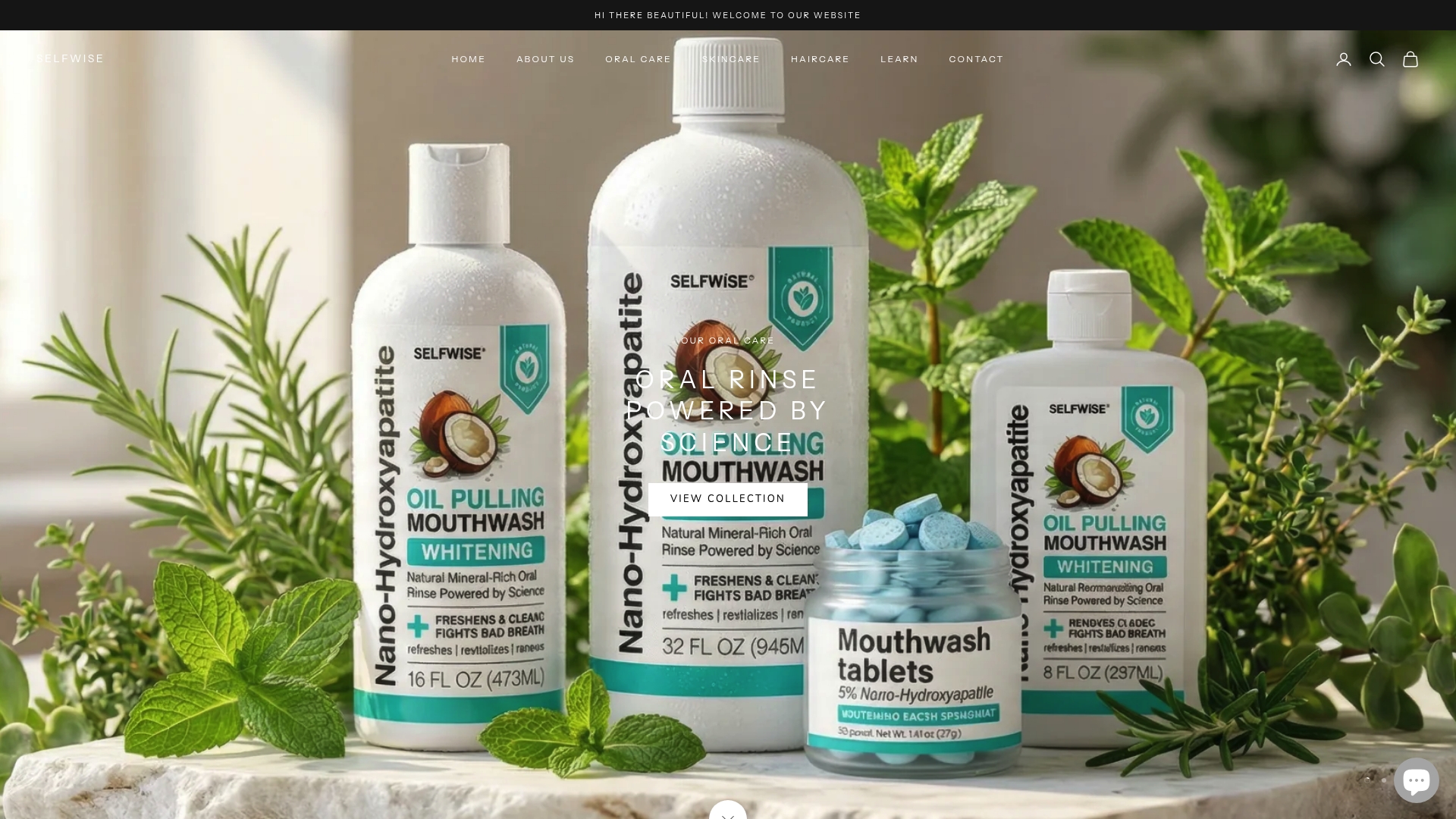
Our oral care range includes an oil pulling mouthwash, a nano hydroxyapatite oral rinse, a xylitol mouthwash and mouthwash tablets, all formulated without harsh chemicals, fluoride or alcohol. If you want a rinse that fits the gentle routine above, start with the mouthwash collection.
If you would like to know more about how the ingredients work together first, the Natural Oral Care Guide explains each of them in plain language.
Frequently asked questions
Is xylitol safe during pregnancy?
At the small amounts in gum, toothpaste and mouthwash, xylitol is generally regarded as low-risk. A 2008 review described topical xylitol as safe in pregnancy under FDA category B. Pregnancy-specific data are limited, so tell your OB-GYN or dentist what you use.
How much xylitol can I have while pregnant?
No pregnancy-specific limit has been set. Digestive symptoms are reported above about 40 to 50 grams a day in adults generally, and oral care products stay far below that. If you chew gum or eat xylitol-sweetened foods, count the grams on the label.
Can I use xylitol mouthwash while pregnant?
Most people can, using it the way it is designed: swish, spit and do not swallow. Choose an alcohol-free formula with a clear ingredient list. If you have a known xylitol allergy or a medical condition, ask your OB-GYN or midwife first.
Does xylitol gum prevent preterm birth?
A large trial in Malawi found fewer preterm and low-birthweight births among participants who used xylitol gum from early pregnancy. It was published in Med in 2024. It tested gum only, in one setting, so it is not a guarantee, and it does not replace prenatal care.
What side effects can xylitol cause?
The most common are gas, bloating, cramping and loose stools, mostly with large amounts. Allergic reactions are rare but have been reported. Stop use and seek care for hives, swelling or trouble breathing. More detail is in our xylitol side effects guide.
Sources
- Oral Health During Pregnancy, American Family Physician (2008)
- Xylitol Uses, Benefits and Dosage, Drugs.com
- Xylitol: Uses, Side Effects, Interactions, WebMD
- A cluster randomized trial of xylitol chewing gum for prevention of preterm birth: The PPaX trial, Med
- Specific effects of xylitol chewing gum on mutans streptococci, systematic review (2025)
- Antibacterial effect of a toothpaste with xylitol in pregnant women, Peru (2019)
- ADA Chairside Guide: Nonfluoride Caries Preventive Agents