Build Your Morning Oral Care Ritual the Natural Way
Most people brush their teeth in the morning out of habit, not intention. They rush through it, skip flossing, and call it done. The result is a morning dental routine that feels complete but leaves plaque, bacteria, and stale breath behind. When you build a morning oral care ritual with purpose and the right sequence, you get more than fresh breath. You get measurably healthier gums, stronger enamel over time, and a self-care practice that actually holds up. This guide gives you the exact steps, tools, and natural product choices to make that happen.
Table of Contents
- Key Takeaways
- Tools and natural products for your ritual
- Steps for oral care in the morning: the full sequence
- Making the ritual stick: habit strategies that work
- Natural adjuncts: oil pulling, olive oil, and chemical-free rinses
- Troubleshooting common mistakes and tracking results
- My honest take on building this ritual
- Start your natural morning ritual with Selfwisebrand
- FAQ
Key Takeaways
| Point | Details |
|---|---|
| Sequence changes everything | Following the same order daily maximizes oral health benefits and makes the habit stick faster. |
| Oil pulling comes first | Do oil pulling before brushing so fluoride or nano hydroxyapatite from your toothpaste stays intact on enamel. |
| Natural adjuncts complement, not replace | Oil pulling and herbal rinses support your routine but cannot substitute mechanical brushing and interdental cleaning. |
| Start small, then build | Anchor one new step to an existing morning cue, then add more steps gradually for lasting habit formation. |
| Track visible signs of progress | Reduced gum bleeding, fresher breath, and less plaque buildup are reliable early indicators your ritual is working. |
Tools and natural products for your ritual
Before you can build a morning oral care ritual that lasts, you need the right tools within reach. A cluttered or incomplete setup is one of the most overlooked reasons people skip steps.
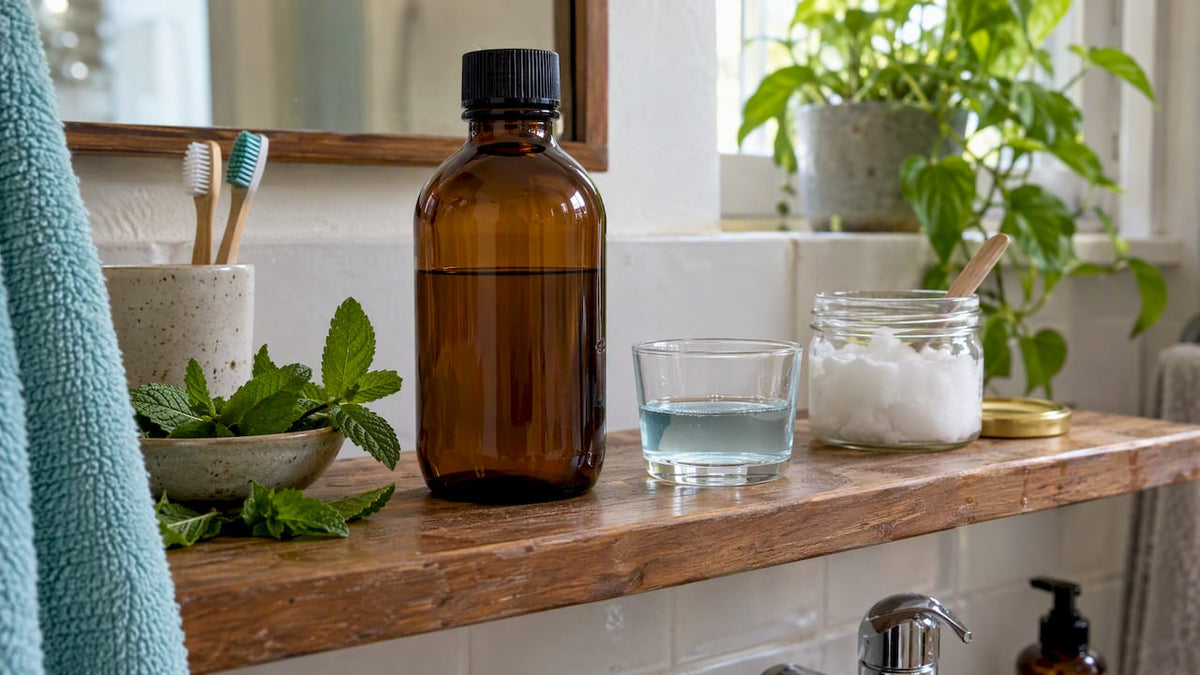
Here is what a well-equipped, chemical-free oral care station looks like:
- Toothbrush: A soft-bristled manual brush or a sonic electric toothbrush. Sonic models are particularly effective at disrupting plaque in hard-to-reach areas without abrasive scrubbing.
- Tongue scraper: A stainless steel or copper scraper removes the bacterial coating that causes bad breath far more effectively than brushing your tongue with a toothbrush.
- Interdental tools: Floss works, but interproximal brushes outperform floss for reducing gum inflammation, especially around implants or wider gaps.
- Oil pulling oil: Coconut oil is the most researched option. Sesame oil is a traditional alternative with a longer historical record of use.
- Fluoride-free toothpaste alternative: Look for formulas using nano hydroxyapatite or xylitol. These ingredients remineralize enamel and inhibit bacterial adhesion without synthetic fluoride.
- Natural mouthwash: Herbal or plant-based rinses with antimicrobial ingredients like tea tree, neem, or xylitol round out the routine without the alcohol burn of conventional products.
Organization matters more than most people realize. Keep your tools in a single tray or drawer so the ritual flows without friction. When everything is visible and accessible, you are far less likely to skip a step because you cannot find the floss.
Pro Tip: Set up your oil pulling oil the night before in a small cup next to your sink. Removing that one moment of friction in the morning makes it dramatically easier to start the ritual before your brain is fully awake.
You can explore natural oral care guides from Selfwisebrand for product-specific recommendations tailored to chemical-free routines.
Steps for oral care in the morning: the full sequence
The order of your teeth cleaning ritual is not arbitrary. Each step builds on the last, and doing them out of sequence can actually reduce their effectiveness.
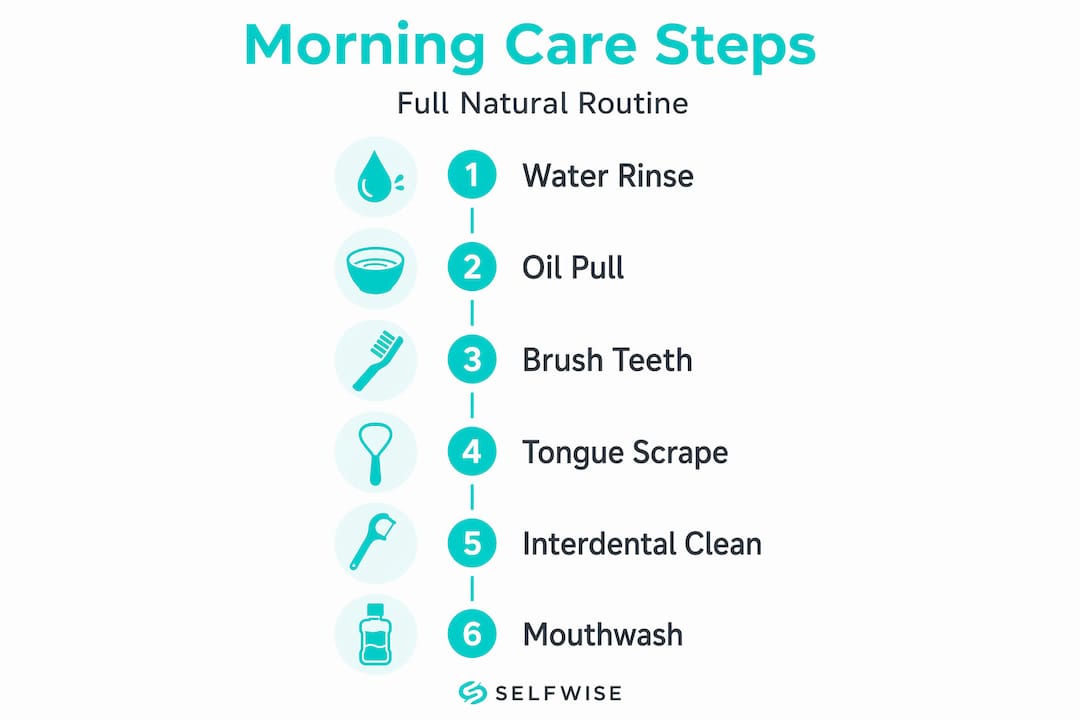
Here is the evidence-based sequence with timing for each step:
- Water rinse (15 to 20 seconds): Rinse with plain water immediately after waking. This dislodges loose debris and food particles from overnight, giving you a cleaner starting surface.
- Oil pulling (10 to 15 minutes): Swish one tablespoon of coconut oil through your teeth before anything else. Oil pulling disrupts biofilm mechanically through lauric acid’s antimicrobial action and saponification. Doing it first, before brushing, means your toothpaste’s active ingredients stay undiluted on your enamel afterward.
- Brushing (2 to 3 minutes): Use a soft brush at a 45-degree angle with gentle circular motions along the gumline. Two minutes is the minimum. Three is better. After brushing, spit but do not rinse with water. This keeps your toothpaste’s active remineralizing ingredients in contact with your enamel longer.
- Tongue cleaning (30 to 45 seconds): Draw the scraper from the back of your tongue to the tip in firm, even strokes. Rinse the scraper between passes. This step alone can dramatically reduce morning breath.
- Interdental cleaning (3 to 5 minutes): Floss or use interproximal brushes between every tooth. If you have implants or larger gaps, personalize your tool choice based on your anatomy. Interproximal brushes are often the better pick.
- Mouthwash rinse (60 seconds): Finish with a natural or therapeutic mouthwash. Using mouthwash after brushing does not dilute your toothpaste’s benefits. In fact, fluoride mouthwash after brushing can increase fluoride availability in saliva beyond what toothpaste alone provides.
| Step | Purpose | Timing |
|---|---|---|
| Water rinse | Remove overnight debris | 15 to 20 seconds |
| Oil pulling | Disrupt biofilm, reduce bacteria | 10 to 15 minutes |
| Brushing | Remove plaque, remineralize enamel | 2 to 3 minutes |
| Tongue cleaning | Eliminate odor-causing bacteria | 30 to 45 seconds |
| Interdental cleaning | Clean between teeth and at gumline | 3 to 5 minutes |
| Mouthwash rinse | Final antimicrobial protection | 60 seconds |
Pro Tip: If you eat or drink anything acidic before brushing, like orange juice or coffee, wait at least 30 minutes before you brush. Brushing immediately after acid exposure softens enamel temporarily and accelerates wear.
For a deeper look at brushing technique and timing, Selfwisebrand’s guide covers the mechanics in detail.
Making the ritual stick: habit strategies that work
Knowing the steps is the easy part. Doing them every single morning, without thinking, is where most people struggle. Behavioral science has a clear answer here: you do not build a new habit by willpower alone. You build it by attaching it to something that already exists.
This is called habit stacking. The idea is to anchor a new behavior to an existing morning cue, like your coffee brewing or your shower finishing. When your oil pulling happens every morning while the coffee drips, it stops feeling like a separate task and becomes part of the flow.
A few strategies that actually move the needle:
- Start with one step. If the full sequence feels overwhelming, begin with just oil pulling or tongue scraping for the first week. Once that feels automatic, layer in brushing technique, then interdental cleaning.
- Set a visual cue. Put your tongue scraper on top of your toothbrush. You cannot reach for one without seeing the other.
- Use a habit tracker. A simple paper calendar with an X for each completed day is surprisingly effective. The streak becomes its own motivation.
- Make it sensory. Choose a toothpaste or mouthwash with a flavor you genuinely enjoy. Pleasure is a powerful reinforcer, and a fresh breath routine you look forward to is one you will keep.
- Remove the friction. Pre-measure your oil pulling oil the night before. Lay out your tools in order. The less you have to think in the morning, the more consistent you will be.
Research consistently shows that starting small and building gradually produces more durable habits than trying to overhaul everything at once. Give yourself four to six weeks before judging whether the ritual has taken hold.
Pro Tip: Pair your oil pulling with something passive, like checking your phone, reading, or making your bed. The 10 to 15 minutes passes faster when your hands are free and your mind is occupied.
Natural adjuncts: oil pulling, olive oil, and chemical-free rinses
The natural oral care space has grown fast, and with it comes a fair amount of noise. Here is what the research actually supports.
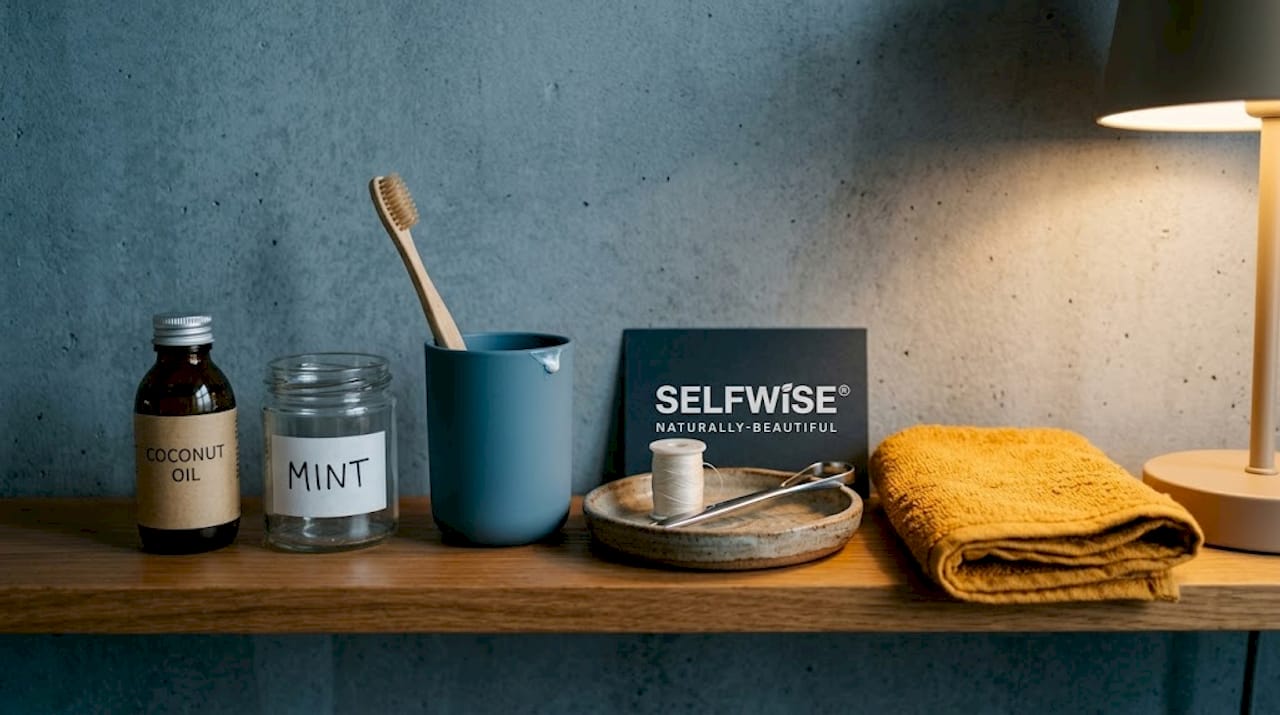
Coconut oil pulling has the strongest evidence base among natural adjuncts. Multiple studies from 2016 to 2025 confirm significant reductions in plaque and gingivitis with regular use, with effects comparable to chlorhexidine mouthwash and without the side effects like staining or taste disruption.
Olive oil and ozonated olive oil show real promise for gum health. Clinical improvements in gingivitis appear within two to eight weeks of topical use, and reductions in bleeding on probing for periodontitis patients emerge after eight to twelve weeks. The catch is that not all clinical attachment gains are consistent across trials. Olive oil supports your gums. It does not replace professional care.
Fluoride-free mouthwash options using xylitol, nano hydroxyapatite, or plant-based antimicrobials are a legitimate choice for people avoiding synthetic chemicals. They work best as a final rinse after interdental cleaning, not as a substitute for brushing.
Natural adjuncts like oil pulling and olive oil have measurable short-term benefits, but they complement rather than replace fluoride and mechanical cleaning. The evidence is clear: these tools support your oral hygiene practice. They do not carry it.
One common misconception worth addressing directly: oil pulling does not remineralize enamel. It reduces bacterial load and biofilm. Remineralization requires nano hydroxyapatite or fluoride in contact with your tooth surface, which is why brushing after oil pulling, not before, is the correct sequence.
For guidance on mouthwash timing and sequencing, Selfwisebrand has a science-backed breakdown worth reading before you finalize your routine.
Troubleshooting common mistakes and tracking results
Even well-intentioned routines go sideways. Here are the most frequent mistakes and how to fix them:
| Mistake | Fix |
|---|---|
| Brushing too hard | Switch to a soft-bristled brush; use light pressure only |
| Rinsing with water after brushing | Spit only; let toothpaste ingredients work longer |
| Skipping interdental cleaning | Keep floss or interproximal brushes on the counter, not in a drawer |
| Oil pulling after brushing | Always pull before brushing to protect toothpaste benefits |
| Using mouthwash instead of brushing | Mouthwash is a complement, never a replacement |
| Brushing immediately after acidic food | Wait 30 minutes to protect softened enamel |
Signs your ritual is working show up faster than most people expect. Within two to four weeks, you should notice less bleeding when you floss, a reduction in morning breath intensity, and a cleaner feeling that lasts longer into the day. These are reliable indicators that your oral hygiene practice is reducing bacterial load and improving gum health.
If you have sensitive gums or dental appliances, adapt your tools rather than skipping steps. A water flosser can replace string floss for implant patients. An extra-soft brush reduces irritation on receding gumlines.
Pro Tip: Take a photo of your gums every two weeks under the same lighting. Visible changes in redness and swelling are motivating in a way that abstract “better health” goals are not. A photo log also gives your dentist useful context at your next checkup.
My honest take on building this ritual
I spent years treating my morning oral care like a box to check. Two minutes of brushing, a quick rinse, done. When I started incorporating oil pulling and tongue scraping, I expected nothing dramatic. What I got was noticeably less gum bleeding within three weeks and a level of morning freshness I had not experienced before.
The part that surprised me most was how much the sequence mattered. I had been using mouthwash before brushing for years, which meant I was washing away the active ingredients before they had any real contact time. Switching the order felt like a small change. The difference was not small.
What I have learned is that the biggest barrier to a good morning dental routine is not time. The full sequence takes about 20 minutes with oil pulling, or under 10 without it. The barrier is decision fatigue. When every step requires a choice, you cut corners. When the sequence is fixed and the tools are laid out, you just do it.
I also want to push back on the idea that going chemical-free means going without results. Natural products formulated with nano hydroxyapatite, xylitol, and plant-based antimicrobials are not a compromise. They are a different approach with real science behind them. The key is choosing products that are actually formulated to perform, not just marketed as natural. That distinction matters more than any single ingredient.
Approach your oral care as a ritual, not a chore. The mindset shift alone changes how consistently you show up for it.
— Viktor
Start your natural morning ritual with Selfwisebrand
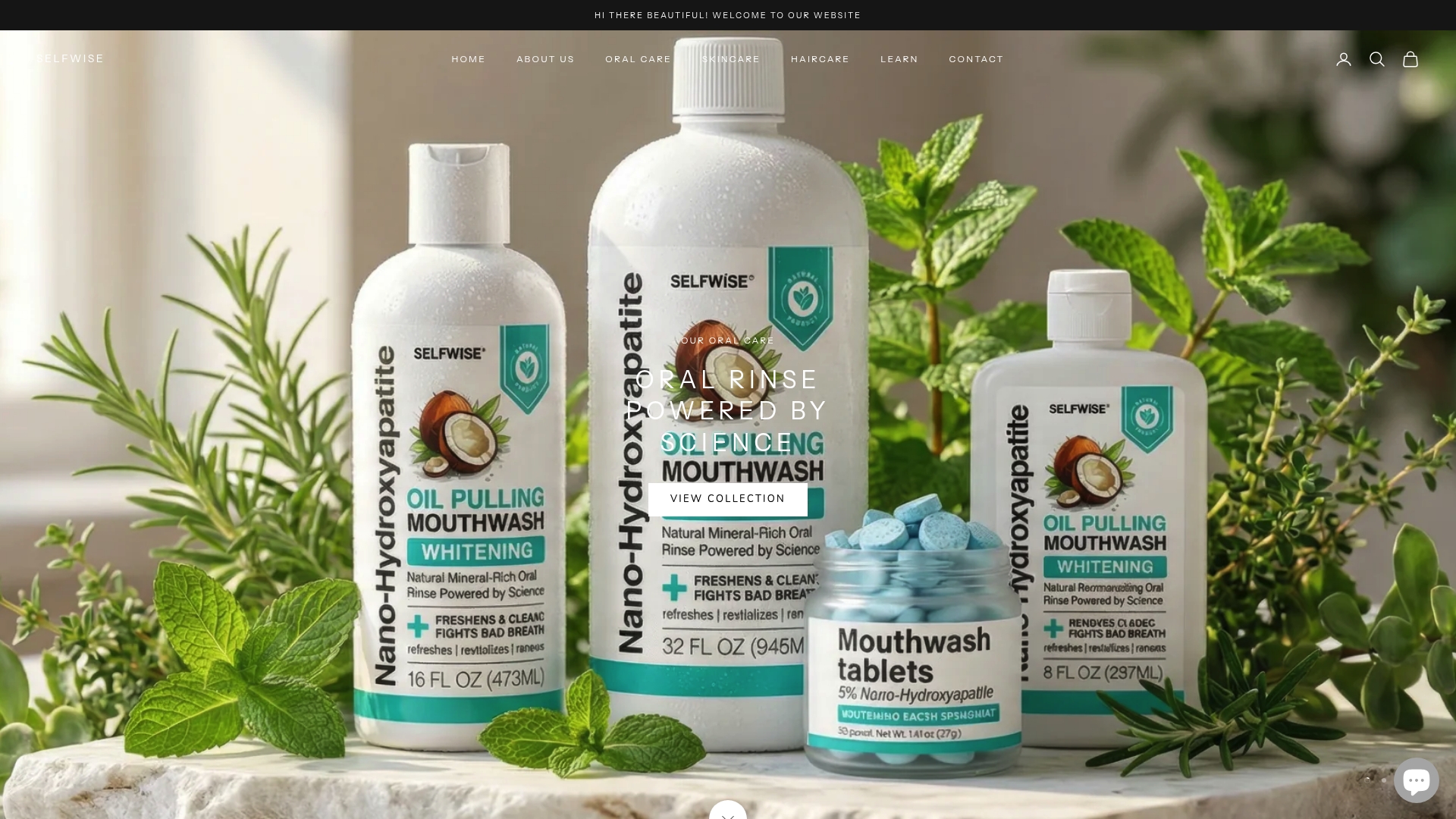
Selfwisebrand makes it straightforward to put this ritual into practice with products built around simple, effective ingredients. Their fluoride-free oral care collection covers remineralizing toothpaste alternatives formulated with nano hydroxyapatite and xylitol, designed to work in the exact sequence outlined above. For the final rinse step, their nano hydroxyapatite mouthwash tablets offer a clean, portable option that supports enamel health without synthetic additives. If you want to make oil pulling part of your morning, their oil pulling mouthwash combines the biofilm-disrupting benefits of oil pulling with enamel remineralization support in a single product. Browse the full oral care collection to build a routine that fits your needs.
FAQ
What is the correct order for a morning oral care routine?
Start with a water rinse, then oil pulling, followed by brushing, tongue scraping, interdental cleaning, and a final mouthwash rinse. This sequence maximizes the effectiveness of each step without undermining the benefits of the others.
Should I do oil pulling before or after brushing?
Always do oil pulling before brushing. Oil pulling before brushing disrupts biofilm first, and brushing afterward leaves your toothpaste’s active ingredients intact on your enamel where they do the most good.
What is the best morning mouthwash for a natural routine?
Look for mouthwashes formulated with xylitol, nano hydroxyapatite, or plant-based antimicrobials instead of alcohol or synthetic preservatives. Use it as the final step in your routine, after brushing and interdental cleaning, for maximum effect.
How long does it take to see results from a new oral care ritual?
Most people notice reduced gum bleeding and fresher breath within two to four weeks of consistent practice. Clinical studies on olive oil and coconut oil pulling show measurable improvements in plaque and gingivitis markers within that same window.
How do I make my morning oral care routine a lasting habit?
Anchor one new step to something you already do every morning, like brewing coffee or finishing your shower. Start with a single addition, repeat it until it feels automatic, then layer in the next step. Consistency in sequence matters more than perfection.