Non-Alcohol Antiseptic Agents in Oral Care: 2026 Guide
A non-alcohol antiseptic agent is an active compound that inhibits or destroys harmful microorganisms on living tissues without using ethanol as its primary mechanism. In oral care, these agents are the working ingredients inside alcohol-free mouthwashes and rinses. Compounds like cetylpyridinium chloride (CPC), chlorhexidine, and essential oils such as thymol, eucalyptol, and menthol represent the most clinically supported options available today. A 2025 review of 70 randomized controlled trials covering more than 6,000 participants confirmed that CPC, chlorhexidine, and essential oils produce statistically significant reductions in gingival inflammation compared to placebo. For anyone asking what is a non-alcohol antiseptic agent and whether it actually works, the short answer is yes, and the evidence behind it is stronger than most people realize.
What is a non-alcohol antiseptic agent in oral care?
A non-alcohol antiseptic agent is any antimicrobial compound formulated to reduce or eliminate oral pathogens without relying on alcohol as the active ingredient. The term “antiseptic” has a precise meaning: antiseptics inhibit or destroy microbes on living tissues, which is what separates them from disinfectants that act on inanimate surfaces. That distinction matters in oral care because your mouth is living tissue, and the chemistry has to be safe for repeated daily contact.
Alcohol has historically been used in mouthwash as a solvent and antimicrobial carrier. The problem is that ethanol causes mucosal dryness and irritation, which limits how consistently people use the product. Non-alcohol antiseptic agents solve that problem by delivering the same antimicrobial function through different chemical mechanisms, without the burn or the dryness.
The most recognized non-alcohol antiseptic agents in oral care fall into three categories: cationic surfactants like CPC, bisbiguanides like chlorhexidine, and phenolic essential oils. Each works differently at the cellular level, but all share the goal of disrupting bacterial activity in the mouth without the side effects tied to alcohol-based formulas.
What are the common types of non-alcohol antiseptic agents?
The three most widely used non-alcohol antiseptic agents in therapeutic mouthwashes are CPC, chlorhexidine, and essential oils. Understanding what each one does helps you choose the right product for your needs.
-
Cetylpyridinium chloride (CPC): CPC is a quaternary ammonium compound that disrupts bacterial membranes at concentrations of 0.05%–0.1%. It kills bacteria by puncturing their outer membrane, causing cell contents to leak out. CPC appears in over 30% of therapeutic mouthwashes on the market and is well tolerated for daily use with minimal side effects.
-
Chlorhexidine: Chlorhexidine is a bisbiguanide with strong substantivity, meaning it binds to oral surfaces and keeps working for hours after rinsing. It disrupts both gram-positive and gram-negative bacteria. The trade-off is that long-term use causes tooth staining and altered taste perception, which is why dental professionals typically recommend it for short-term or post-operative use rather than daily maintenance.
-
Essential oils (thymol, eucalyptol, menthol): These phenolic compounds penetrate bacterial cell walls and disrupt enzyme activity. They also reduce the cohesion of biofilm, making it easier to remove. Essential oils are the most common choice in natural oral care formulations because they combine antimicrobial action with breath-freshening properties.
-
Fluoride: Some non-alcohol antiseptic rinses include fluoride as a co-active ingredient. Fluoride does not function as an antiseptic itself, but it supports enamel remineralization alongside the antiseptic action of the primary agent.
-
Sodium lauryl sulfate (SLS): SLS is a surfactant that inhibits Streptococcus mutans biofilm by reducing acid production and disrupting extracellular polymeric substances. It enhances the overall efficacy of a rinse by loosening deposits before the antiseptic agent acts.
How effective are non-alcohol antiseptic agents compared to alcohol-based mouthwashes?
The clinical evidence now clearly supports non-alcohol antiseptic formulas as equal or superior to their alcohol-containing counterparts in several key measures.
A 2026 study found that an alcohol-free essential oil rinse reduced Streptococcus mutans biofilm viability and thickness more effectively than an equivalent alcohol-containing rinse. That result challenges the assumption that alcohol is necessary for strong antimicrobial performance. The mechanism matters here: essential oils disrupt biofilm structure directly, while alcohol primarily acts as a solvent carrier that evaporates quickly after contact.
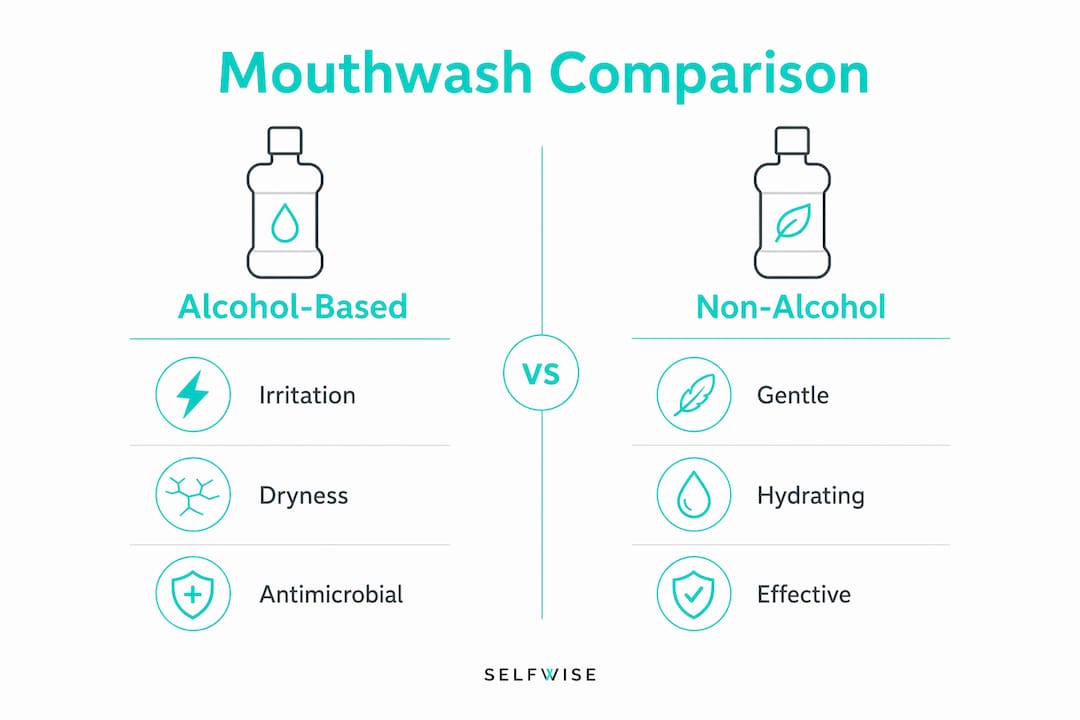
Alcohol-based mouthwashes cause mucosal irritation and dryness that limit long-term adherence. People who find alcohol rinses uncomfortable simply use them less often, which reduces their effectiveness in practice. Non-alcohol formulas remove that barrier entirely.
| Feature | Alcohol-based mouthwash | Non-alcohol antiseptic mouthwash |
|---|---|---|
| Antimicrobial efficacy | Effective short-term | Equal or superior for biofilm reduction |
| Mucosal irritation | Common | Minimal |
| Long-term adherence | Often limited by discomfort | Better tolerated |
| Suitable for sensitive users | No | Yes |
| Breath freshness | Yes | Yes |
| Recommended for daily use | With caution | Generally yes |
Pro Tip: If you use mouthwash inconsistently because of the burning sensation, switching to a non-alcohol formula with CPC or essential oils is likely to improve your actual results, not just your comfort.
What are the benefits and drawbacks of non-alcohol antiseptic agents?
Non-alcohol antiseptic agents offer real advantages for most people, but they are not without limitations. Knowing both sides helps you use them effectively.
Benefits:
- Reduced mucosal irritation: Alcohol-free formulas are gentler on the soft tissues of the mouth, making them suitable for people with dry mouth, ulcers, or general sensitivity.
- Comparable antimicrobial action: CPC and essential oils deliver clinically significant antimicrobial effects without requiring alcohol as a carrier.
- Better daily adherence: Gentler formulas are used more consistently, which compounds their benefit over time.
- Broader suitability: Non-alcohol rinses work for children (under supervision), people in recovery from alcohol dependence, and those with sensitive oral tissues. You can read more about the benefits of alcohol-free rinses for gum health specifically.
Drawbacks:
- Chlorhexidine staining: Chlorhexidine is the most effective non-alcohol antiseptic agent available, but short-term post-operative use is recommended because extended use causes brown staining on teeth and altered taste.
- Taste variation: Some people find CPC or essential oil rinses less familiar than alcohol-based products. This is a preference issue, not a safety one.
- Not a replacement for brushing: Antiseptic rinses are adjuncts to mechanical cleaning. Brushing and flossing remain the foundation of plaque control. No rinse, alcohol-based or not, removes plaque the way a toothbrush does.
Pro Tip: Use your non-alcohol antiseptic rinse after brushing and flossing, not before. Mechanical cleaning first removes the bulk of the biofilm. The rinse then reaches areas the brush missed and delivers its antimicrobial effect to a cleaner surface.
What natural alternatives exist as non-alcohol antiseptic agents?
Natural antiseptic agents are a growing category within alcohol-free oral care, and the research behind several of them is now strong enough to take seriously. These are not just wellness trends. They are compounds with measurable antimicrobial mechanisms.
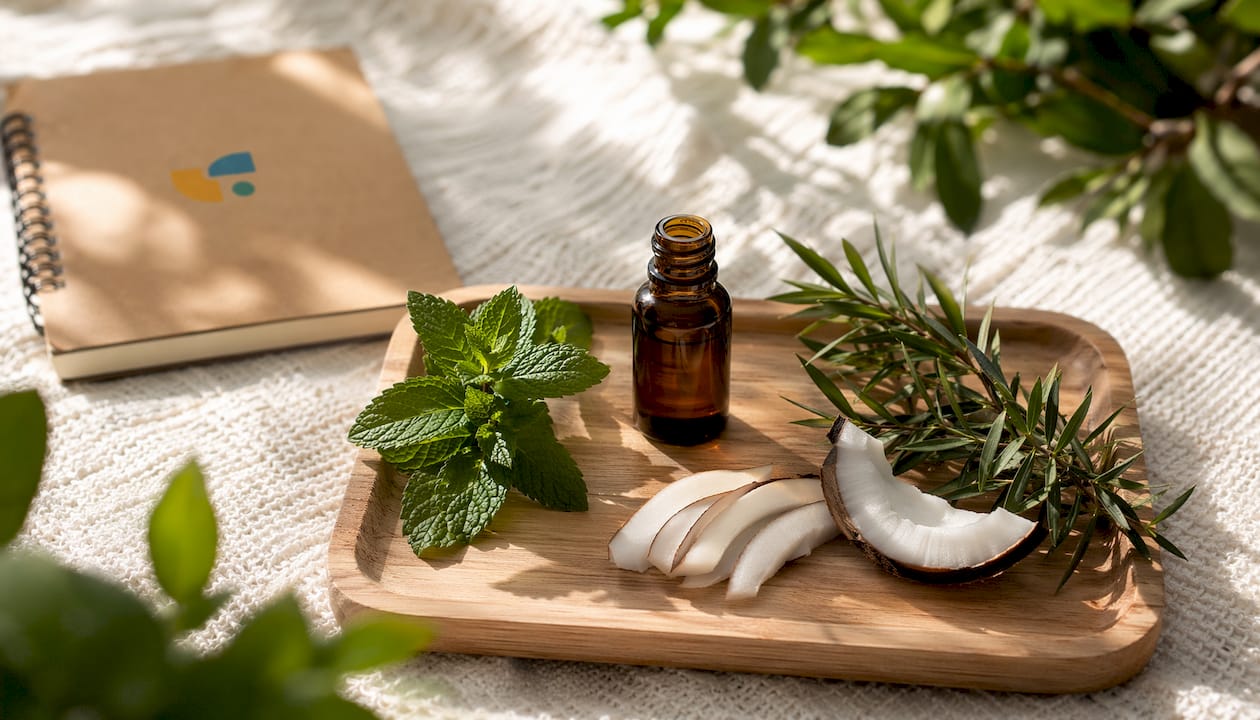
Essential oils are the most studied natural antiseptic agents in oral care. Thymol, eucalyptol, and menthol each penetrate bacterial cell membranes and disrupt the enzymatic processes bacteria need to survive. Thymol and eucalyptol also reduce biofilm adhesion, which makes them effective against the sticky plaque layer that forms on teeth between brushing sessions. Their secondary benefit is breath freshness, which makes them practical for daily use. You can learn more about essential oils in oral rinses and how they fit into a daily routine.
Aloe vera has demonstrated anti-inflammatory and mild antimicrobial properties in oral tissue research. It is gentler than CPC or chlorhexidine and works best as a supportive ingredient rather than a primary antiseptic agent.
Tea tree oil contains terpinen-4-ol, a compound with documented antimicrobial activity against oral pathogens. It is typically used at low concentrations in rinses because higher concentrations can irritate oral tissues.
SLS as a natural-adjacent surfactant deserves mention here. While SLS is synthetic, it is included in many natural-positioned formulas because it enhances the delivery of other active ingredients. It disrupts biofilm structure and improves the contact between antiseptic agents and bacterial surfaces. Formulation factors like surfactants have a substantial impact on antiseptic efficacy beyond the primary active ingredient alone.
When choosing a natural antiseptic rinse, look for products that combine essential oils with a surfactant or co-active ingredient. Single-ingredient natural rinses tend to underperform compared to formulas that use two or more complementary agents. The combination approach mirrors how the most effective synthetic antiseptic formulas are built.
How should you choose and use non-alcohol antiseptic agents?
Choosing the right non-alcohol antiseptic rinse comes down to matching the active ingredient to your specific oral care goal. Here is a practical framework.
-
Identify your primary need. CPC at 0.05%–0.1% is the best daily-use option for general plaque and gum health. Essential oil rinses work well for breath freshness and biofilm control. Chlorhexidine is reserved for short-term use after dental procedures or during active gum disease treatment.
-
Check the concentration. CPC is effective and safe at 0.05%–0.1%. Products below this range may not deliver meaningful antimicrobial action. Products listing CPC without a stated concentration are worth questioning.
-
Use it after mechanical cleaning. Brush for two minutes, floss, then rinse. This sequence gives the antiseptic agent the best possible contact with oral surfaces.
-
Rinse for the full recommended time. Most antiseptic rinses require 30–60 seconds of active swishing to deliver their effect. Shorter contact time reduces efficacy significantly.
-
Watch for adverse effects. Staining, altered taste, or increased dryness are signals to reassess your choice of agent. Staining almost always points to chlorhexidine. Dryness in an alcohol-free formula may indicate SLS sensitivity.
-
Consult a dental professional for persistent issues. Antiseptic rinses address symptoms of bacterial imbalance. If you have recurring gingivitis, bleeding gums, or persistent bad breath, a dental professional can identify the underlying cause and recommend the right agent and duration of use.
The fresh breath and oral health category has expanded significantly as more people move toward alcohol-free options. The key is choosing a product with a named, evidence-backed active ingredient rather than one that relies on fragrance alone.
Key Takeaways
Non-alcohol antiseptic agents deliver clinically proven antimicrobial action in oral care without the mucosal irritation, dryness, and adherence problems caused by alcohol-based mouthwashes.
| Point | Details |
|---|---|
| Definition is precise | Antiseptics act on living tissues; non-alcohol versions use CPC, chlorhexidine, or essential oils instead of ethanol. |
| Clinical evidence is strong | A 2025 review of 70 RCTs confirmed CPC, chlorhexidine, and essential oils significantly reduce gingival inflammation. |
| Alcohol-free can outperform | A 2026 study showed alcohol-free essential oil rinses reduced Streptococcus mutans biofilm more effectively than alcohol-containing equivalents. |
| Chlorhexidine has limits | Strong substantivity makes it effective short-term, but tooth staining and taste changes restrict long-term daily use. |
| Rinses are adjuncts, not replacements | Mechanical brushing and flossing remain the primary method of plaque removal; antiseptic rinses support but do not replace them. |
Why I think most people are using mouthwash wrong
Most people treat mouthwash as the main event of their oral care routine. They skip flossing, do a quick brush, and then rinse for ten seconds and call it done. That is exactly backwards, and it is why so many people feel like mouthwash “doesn’t work.”
The research is unambiguous on this point. Antiseptics are adjuncts to mechanical plaque control, not substitutes for it. No rinse, regardless of how good the active ingredient is, can remove the physical biofilm that a toothbrush and floss dislodge. What a good non-alcohol antiseptic rinse does is reach the areas your brush missed and deliver sustained antimicrobial contact to a surface that is already clean.
The other thing I see consistently is people choosing products based on the burn. There is a widespread belief that if a mouthwash does not sting, it is not working. That logic has no clinical basis. The sting is alcohol. Alcohol is not the antiseptic agent. CPC and essential oils do the actual work, and they do it without making your mouth feel like it was sandblasted.
For sensitive users, people with dry mouth, or anyone who has been avoiding mouthwash because of irritation, a non-alcohol formula with CPC or essential oils is the practical choice. The evidence supports it. The comfort supports it. And the consistency you gain from actually using it every day is worth more than any short-term burn.
— Viktor
Selfwisebrand’s alcohol-free mouthwash collection
Selfwisebrand builds its oral care products around ingredients that have both scientific backing and a clean formulation philosophy. The natural mouthwash collection includes alcohol-free options formulated with nano hydroxyapatite for enamel support, xylitol for bacterial balance, and essential oils for antimicrobial action and fresh breath.
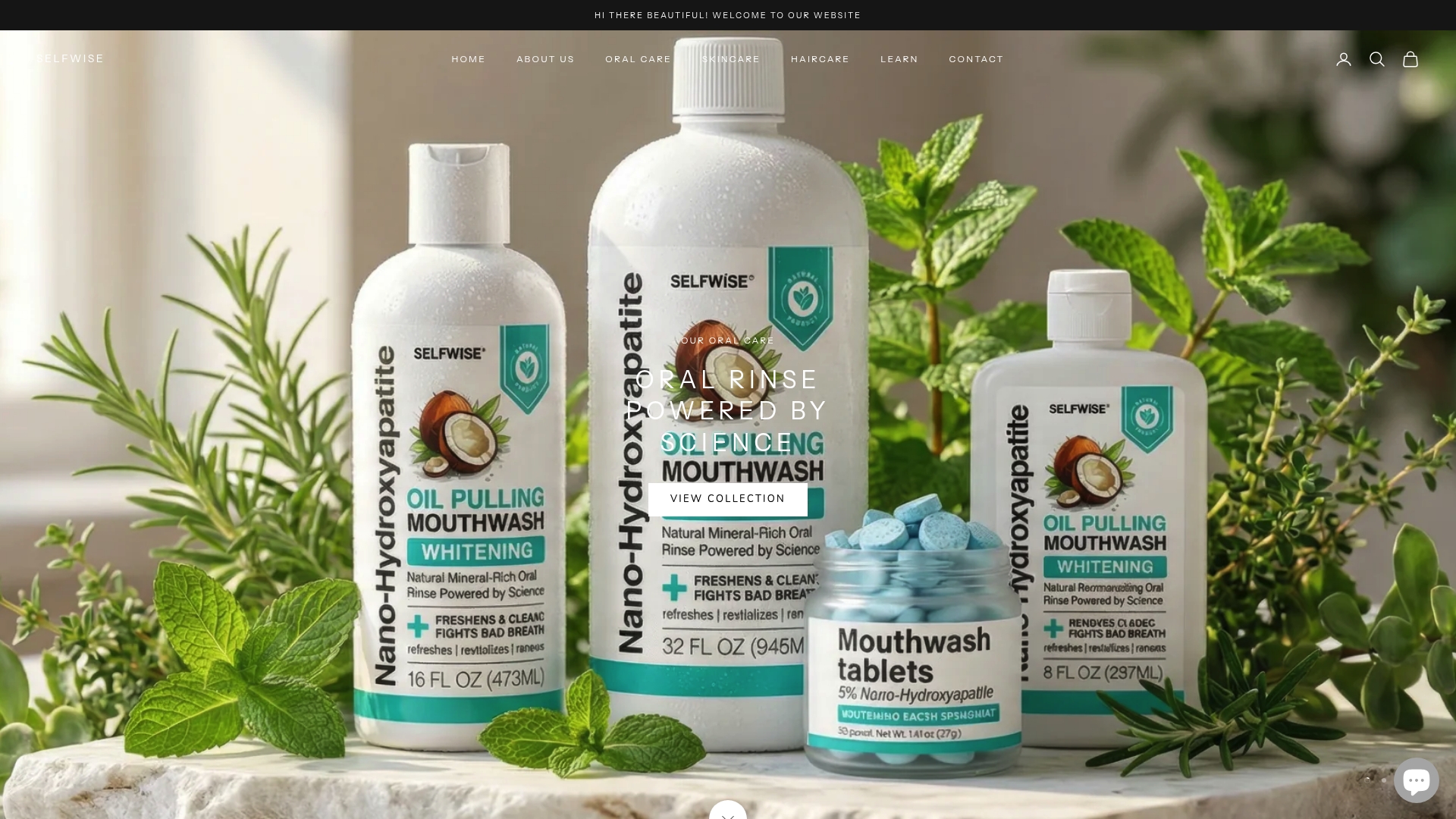
For people who want fluoride-free options, the nano hydroxyapatite mouthwash tablets offer a solid-format alternative that eliminates preservatives and unnecessary additives entirely. The xylitol mouthwash with nano hydroxyapatite combines two evidence-backed ingredients in a single daily rinse. If you are building a natural oral care routine without harsh chemicals, these products are a practical starting point.
FAQ
What is a non-alcohol antiseptic agent?
A non-alcohol antiseptic agent is an active compound that inhibits or destroys oral microorganisms on living tissue without using ethanol. Common examples include CPC, chlorhexidine, and essential oils like thymol and eucalyptol.
Is non-alcohol antiseptic effective for oral care?
Yes. A 2025 review of over 6,000 participants confirmed that CPC, chlorhexidine, and essential oils significantly reduce gingival inflammation. A 2026 study showed alcohol-free essential oil rinses outperformed alcohol-containing equivalents in biofilm reduction.
What are the best non-alcohol antiseptic agents for daily use?
CPC at 0.05%–0.1% and essential oil blends containing thymol, eucalyptol, and menthol are the best-supported options for daily use. Chlorhexidine is more effective short-term but not recommended for ongoing daily use due to staining.
Can natural ingredients work as non-alcohol antiseptic agents?
Yes. Thymol, eucalyptol, menthol, and tea tree oil all have documented antimicrobial activity against oral pathogens. Combining essential oils with a surfactant like SLS improves their efficacy by disrupting biofilm structure before the antiseptic acts.
Do non-alcohol antiseptic rinses replace brushing and flossing?
No. Antiseptic rinses are adjuncts to mechanical cleaning, not replacements. Brushing and flossing remain the primary method for removing plaque. Rinses reach areas the brush missed and extend antimicrobial contact after mechanical cleaning is complete.